

Commentary
Alexey Malashenko
{
  "authors": [
    "Alexey Malashenko"
  ],
  "type": "other",
  "centerAffiliationAll": "",
  "centers": [
    "Carnegie Endowment for International Peace",
    "Carnegie Europe",
    "Carnegie Russia Eurasia Center"
  ],
  "collections": [],
  "englishNewsletterAll": "",
  "nonEnglishNewsletterAll": "",
  "primaryCenter": "Carnegie Russia Eurasia Center",
  "programAffiliation": "",
  "programs": [],
  "projects": [
    "Eurasia in Transition"
  ],
  "regions": [
    "Asia"
  ],
  "topics": []
}
Source: Getty
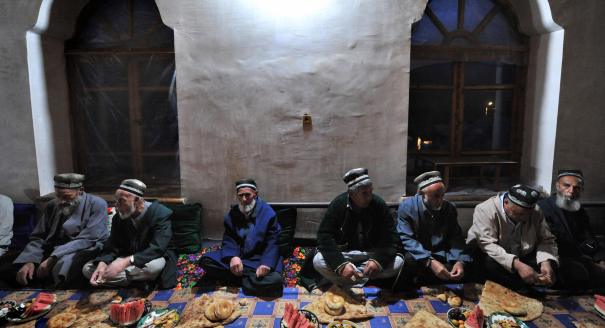
Tajikistan is among the most problematic countries in Central Asia. The country faces a number of challenges, including an economic crisis, regionalism, domestic political confrontation, and radical Islam.
In terms of internal and external security, Tajikistan has been among the most problematic countries in Central Asia. It is the only state in the region to have gone through a protracted civil war (1992-1997), which, according to various estimates, killed between 23,500 and 100,000 people (perhaps even more) and left the economy in ruins. The causes of this war were rooted not only in political confrontation, but also in confrontation between different regions, clans, and personalities, as well as confrontation within Islam between those who sought to build a secular state and those who wanted an Islamic state.
In his new Briefing, Alexey Malashenko writes about the current situation in Tajikistan and the country’s possible developments.

Former Scholar in Residence, Religion, Society, and Security Program
Malashenko is a former chair of the Carnegie Moscow Center’s Religion, Society, and Security Program.
Recent Work
Alexey Malashenko
Alexey Malashenko
Carnegie India does not take institutional positions on public policy issues; the views represented herein are those of the author(s) and do not necessarily reflect the views of Carnegie, its staff, or its trustees.
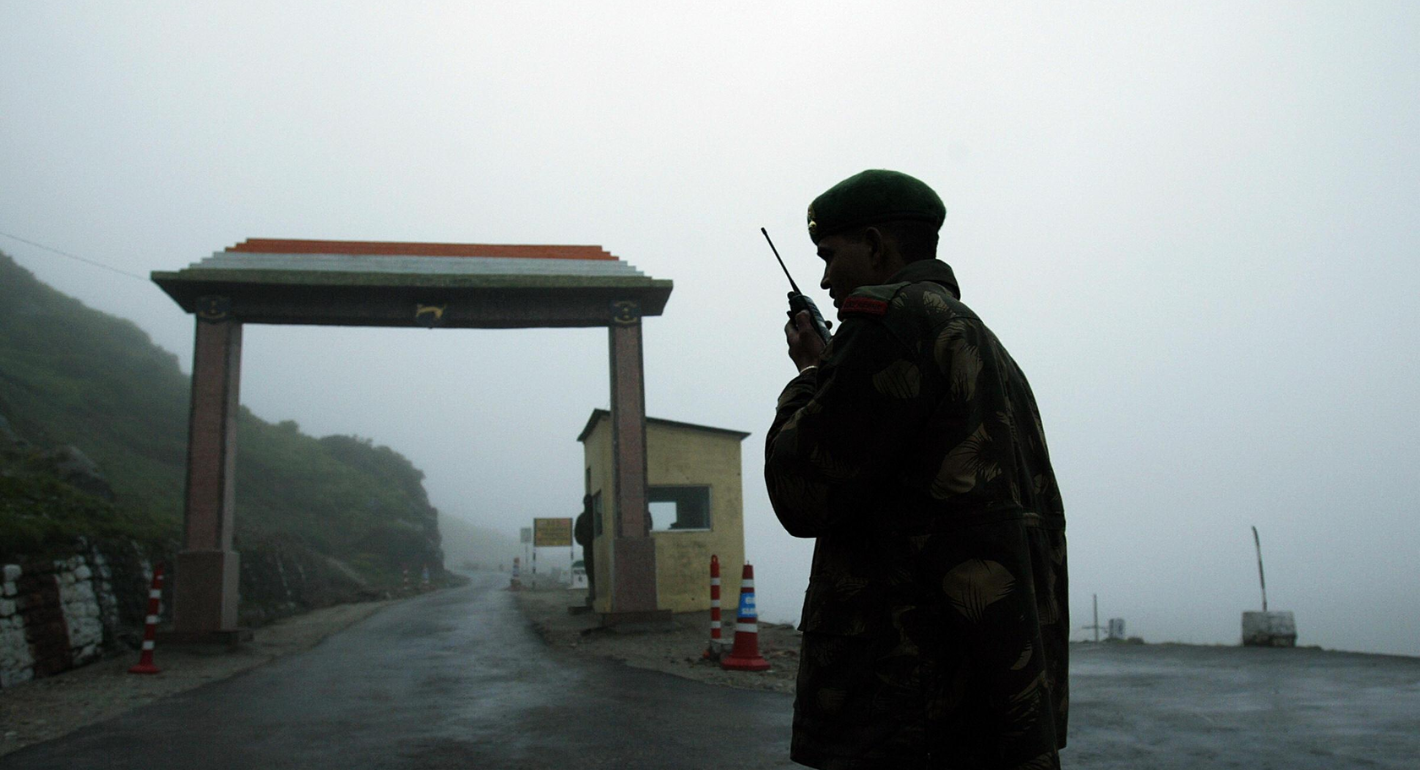
Tensions along the de facto India-China border have long been simmering, but past agreements have failed to permanently lower the heat. Can a new agreement succeed?

Rahul Bhatia, Shibani Mehta
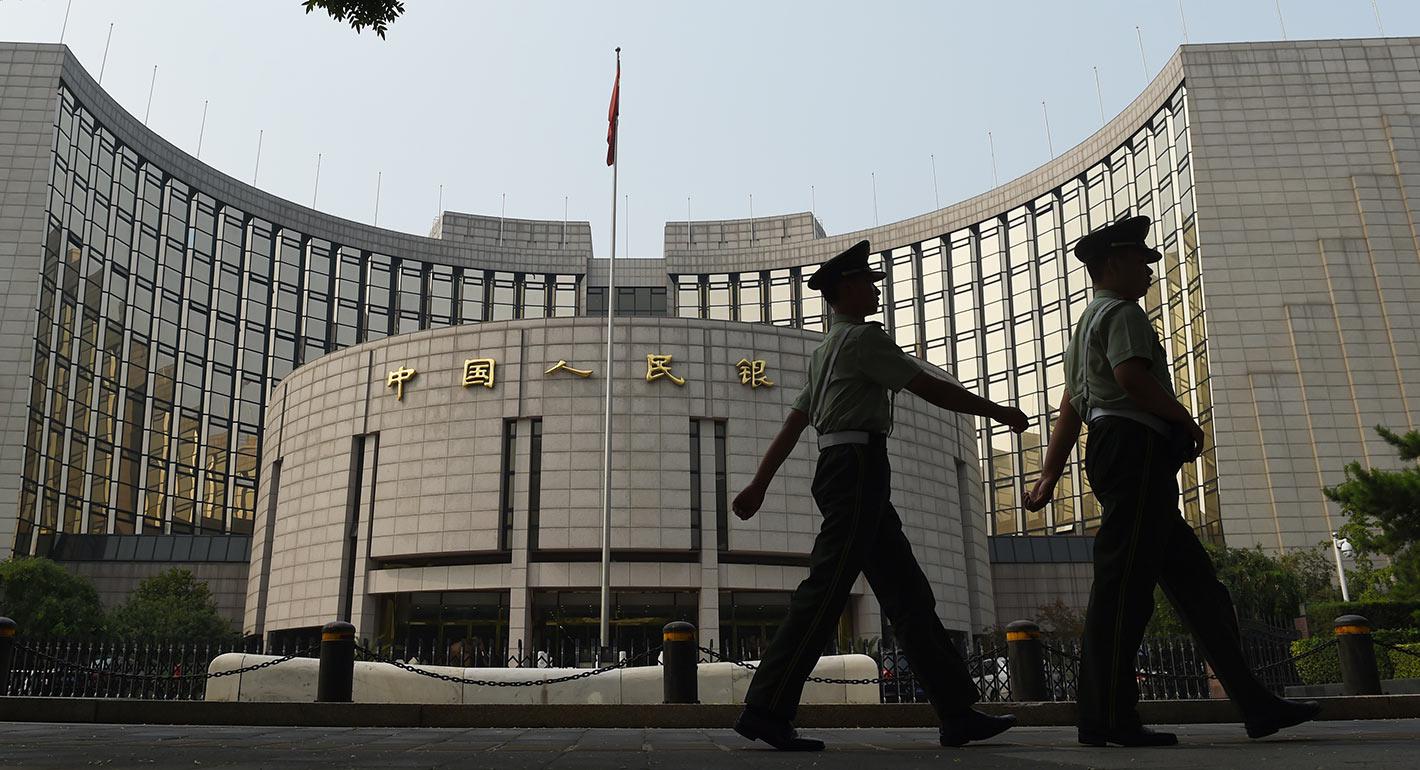
As an early adopter of new payment networks, China could set standards for a transformative change in the global financial system.
Rajesh Bansal
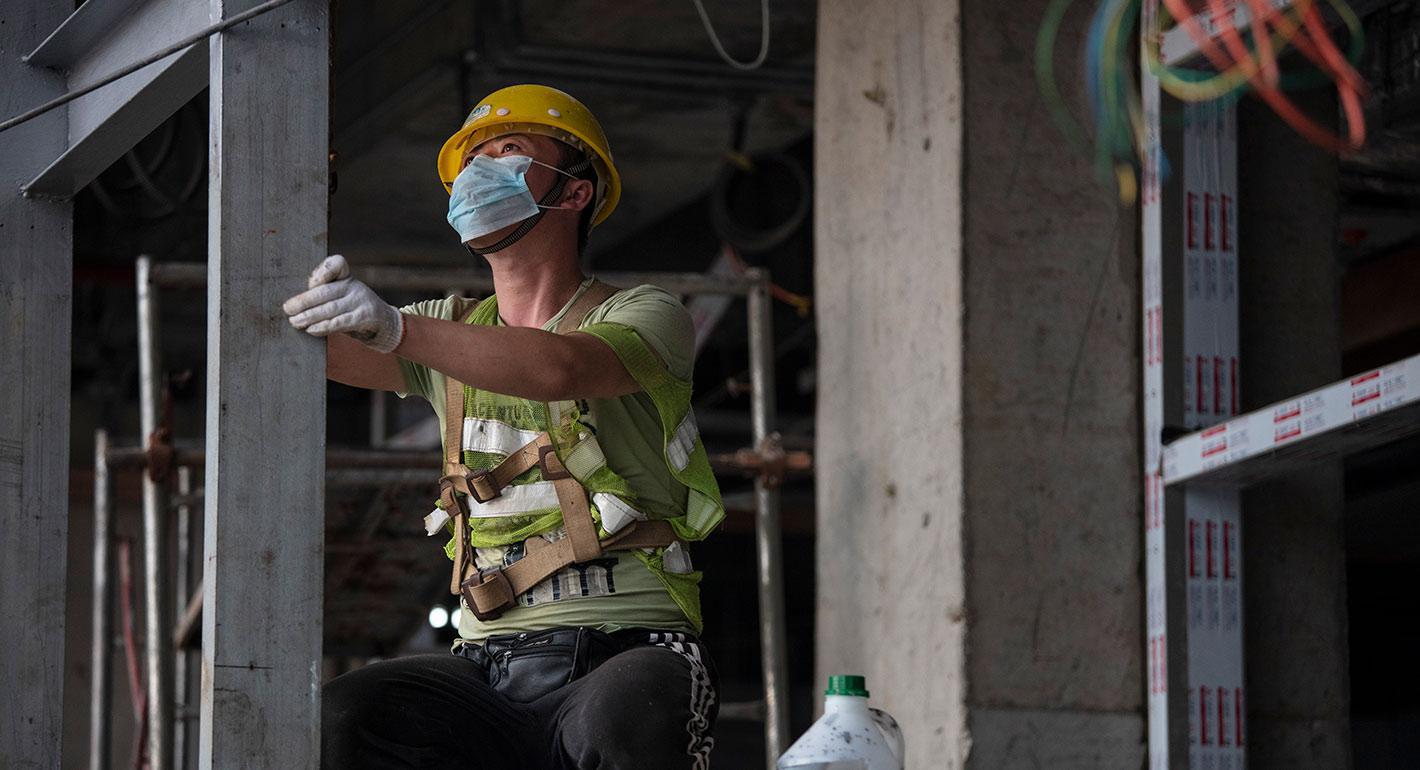
After the coronavirus pandemic wanes, how will China’s reorientation of the Belt and Road Initiative to address global health concerns influence its relationships with South Asian countries?
Deep Pal, Rahul Bhatia
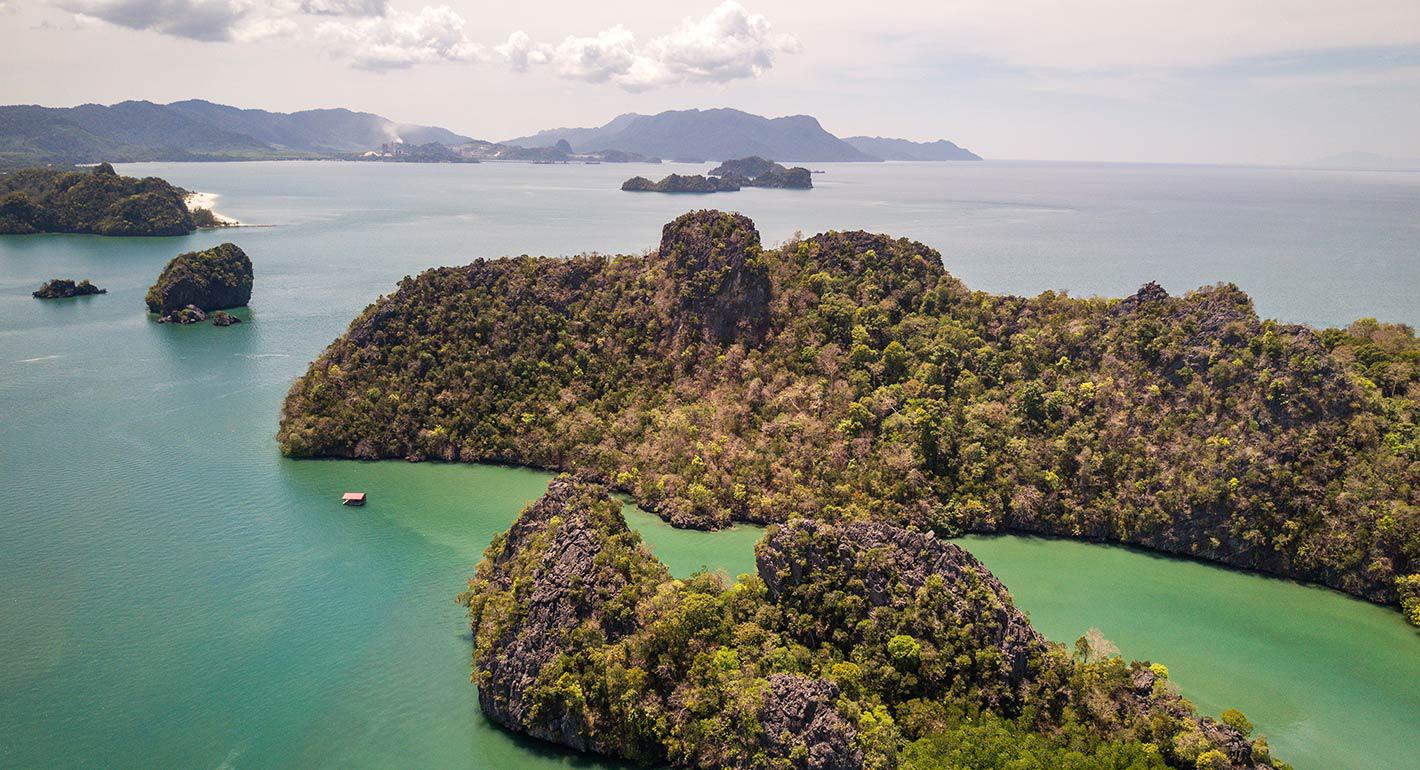
As countries in the Indo-Pacific continue to deepen maritime collaborations between friends, partners, and allies, the island territories in the region are well-positioned to offer tremendous support and strategic leverage to India and its partners.

Darshana M. Baruah
With contributors from various Central Asian nations and beyond, this issue of Seminar provides a selection of perspectives about the past, present, and future trajectory of Central Asia, and the growing role of external actors, particularly India, China, Russia, and the EU in this evolving and dynamic space.
Rhea Menon, Sharanya Rajiv, 64592