

Commentary
- +1
Paul Haenle, Xue Gong, Ngeow Chow Bing, …
{
  "authors": [
    "Paul Haenle"
  ],
  "type": "legacyinthemedia",
  "centerAffiliationAll": "",
  "centers": [
    "Carnegie Endowment for International Peace",
    "Carnegie China"
  ],
  "collections": [
    "U.S.-China Relations",
    "China’s Foreign Relations"
  ],
  "englishNewsletterAll": "",
  "nonEnglishNewsletterAll": "",
  "primaryCenter": "Carnegie China",
  "programAffiliation": "",
  "programs": [],
  "projects": [],
  "regions": [],
  "topics": []
}
Source: Getty
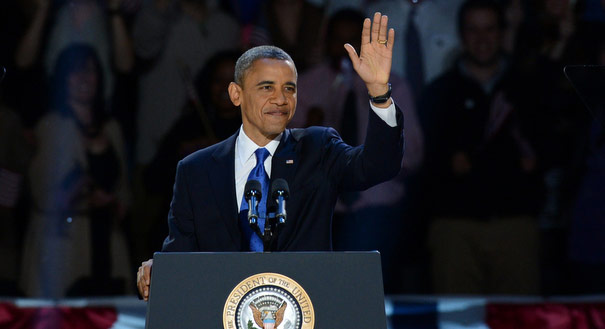
Increasing Chinese interest in the U.S. political system presents an opportunity to improve Sino-U.S. ties, but also puts a spotlight on tensions and misunderstandings between the two countries.
Source: AmCham-ChinaNovember 14

Part of this interest is generated by the role of China in the rhetoric of both candidates. However, Haenle reiterated that this primarily negative rhetoric is used to appease U.S. domestic concerns over the economy and manufacturing industries, not an indication of real policies that the candidates might adopt when if office.
The U.S. “Pivot to Asia” has also increased Chinese interest in the United States, added Haenle. Although the United States has had a presence in the Asia Pacific, which was significantly enhanced in the aftermath of WWII, the “Pivot” was used to make it clear to U.S. audiences that there would be a shift away from the Middle East and toward the more dynamic Asia-pacific region, he concluded.

Former Maurice R. Greenberg Director’s Chair, Carnegie China
Paul Haenle held the Maurice R. Greenberg Director’s Chair at the Carnegie Endowment for International Peace and is a visiting senior research fellow at the East Asian Institute, National University of Singapore. He served as the White House China director on the National Security Council staffs of former presidents George W. Bush and Barack Obama.
Recent Work


Paul Haenle, Xue Gong, Ngeow Chow Bing, …

Paul Haenle, Chong Ja Ian
Carnegie India does not take institutional positions on public policy issues; the views represented herein are those of the author(s) and do not necessarily reflect the views of Carnegie, its staff, or its trustees.
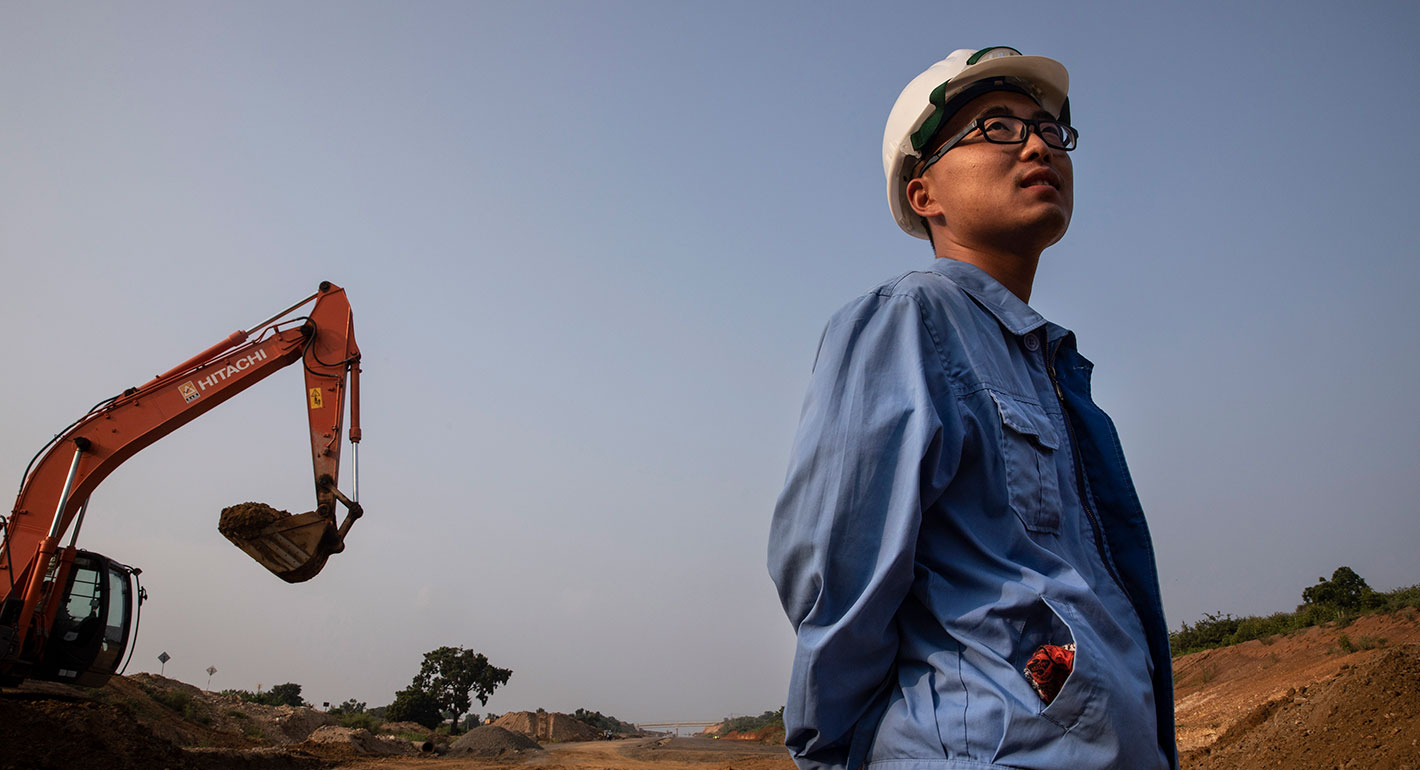
Pitched as a new Silk Road sweeping from Asia to Europe, China’s enormous Belt and Road Initiative is an ambitious, multinational infrastructure project. Experts from four Carnegie global centers explain other countries’ perspectives.

Paul Haenle, Dmitri Trenin, Alexander Gabuev, …
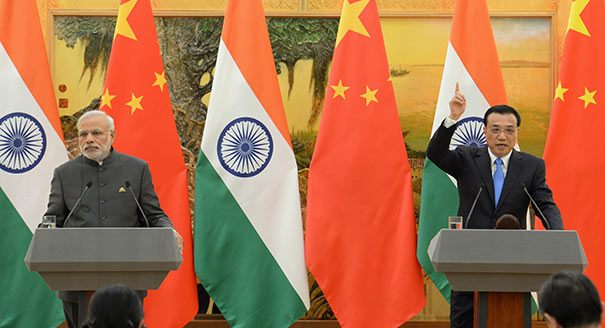
Without a return to genuine bilateralism that takes into account the interests of both parties, Beijing will find that the chasm with New Delhi continues to deepen.
C. Raja Mohan
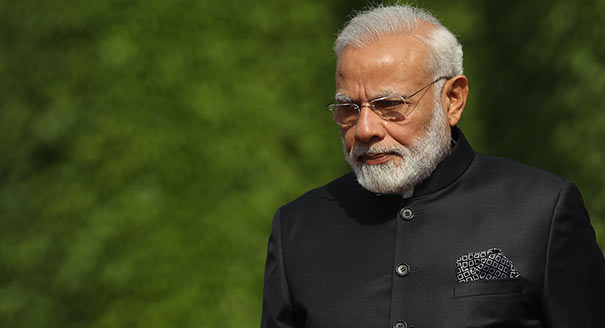
The rise of China and the turbulence in U.S. domestic politics have created great disorder, but they have also opened up room for creative Indian diplomacy in Asia.
C. Raja Mohan
China’s rise poses a strategic challenge to India on multiple fronts. The best way for New Delhi to respond is to pursue a deeper partnership with the United States.
Rajesh Rajagopalan
New Delhi’s current challenge is not about undoing Beijing’s new economic weight in the region. It is about building on its own natural geo-economic advantages in the region.
C. Raja Mohan