

Commentary
How is AI reshaping space security, creating governance challenges, and where does international diplomacy stand today?
Tejas Bharadwaj, Almudena Azcárate Ortega
{
  "authors": [
    "Paul Haenle",
    "Chong Ja Ian"
  ],
  "type": "questionAnswer",
  "centerAffiliationAll": "",
  "centers": [
    "Carnegie Endowment for International Peace",
    "Carnegie China"
  ],
  "collections": [
    "Carnegie China Commentaries"
  ],
  "englishNewsletterAll": "",
  "nonEnglishNewsletterAll": "",
  "primaryCenter": "Carnegie China",
  "programAffiliation": "",
  "programs": [],
  "projects": [],
  "regions": [
    "North America",
    "United States",
    "East Asia",
    "China",
    "Southeast Asia"
  ],
  "topics": []
}
Source: Getty
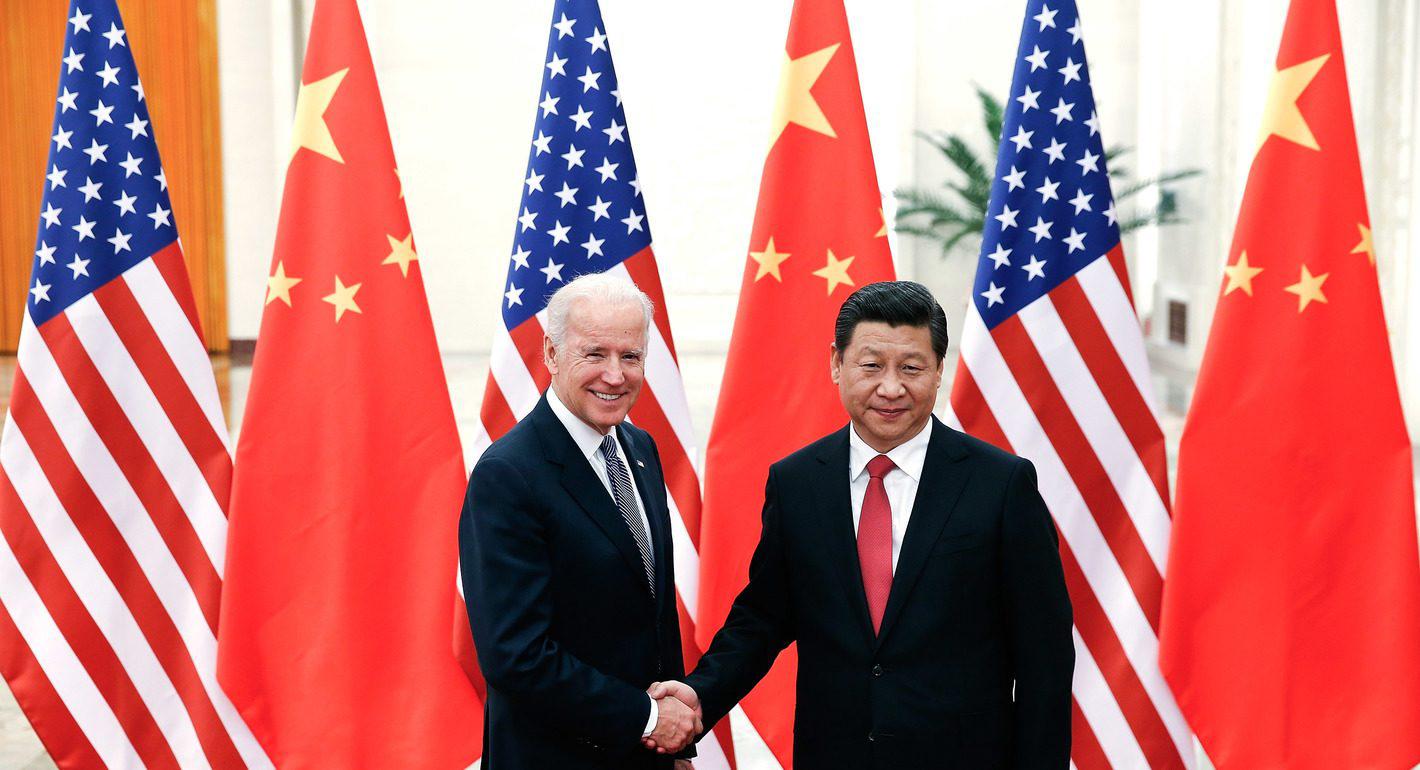
Southeast Asian capitals would prefer that the U.S. and PRC manage their relationship, if not get along.
On a recent episode of the China in the World podcast, Paul Haenle spoke with Ian Chong, nonresident fellow at Carnegie China, about Southeast Asian views of the Biden-Xi meeting. A portion of their conversation, which has been edited and condensed for clarity, is below.
Paul Haenle: ASEAN countries have a lot at stake in U.S.-China relations. Southeast Asian countries watch very closely the U.S.-China relationship because it is so consequential to them. The Singapore Prime Minister Lee Hsien Loong said recently, “You need a meeting to head in the right direction, but you don’t expect a meeting to make everything sweetness and light.” What, in your view, would ASEAN countries see as a successful meeting between President Xi and Biden? Ian Chong: In ASEAN capitals, the Biden-Xi meeting itself does not necessarily signify anything substantial. If you recall, at last year’s G20 meeting, it appeared that Biden and Xi had a very good conversation. However, the subsequent balloon incident led to an immediate downward spiral in bilateral relations.Southeast Asian capitals would prefer that the U.S. and PRC manage their relationship, if not get along. They will be looking to see if there is real momentum behind the recent economic and political dialogues, and if there will be effort to move forward on military-to-military dialogues. They will also be watching to see how far the PRC side is willing to go in softening its positions on regional security. Before he was removed, General Li Shangfu claimed that there had been an increase in maritime and aerial patrols in and near PRC waters. This, of course, is a matter of dispute. The PRC’s excessive claims put a lot of pressure on Southeast Asian capitals. So they will be watching to see if, as a result of the forward movement in U.S.-China relations, the PRC is willing to dial back its rhetoric and behavior in relation to its excessive regional claims.
To listen to the full episode, use the player below, or subscribe in your favorite podcast app.

Former Maurice R. Greenberg Director’s Chair, Carnegie China
Paul Haenle held the Maurice R. Greenberg Director’s Chair at the Carnegie Endowment for International Peace and is a visiting senior research fellow at the East Asian Institute, National University of Singapore. He served as the White House China director on the National Security Council staffs of former presidents George W. Bush and Barack Obama.

Nonresident Scholar, Carnegie China
Chong Ja Ian examines U.S.-China dynamics in Southeast Asia and the broader Asia-Pacific.
Carnegie India does not take institutional positions on public policy issues; the views represented herein are those of the author(s) and do not necessarily reflect the views of Carnegie, its staff, or its trustees.

How is AI reshaping space security, creating governance challenges, and where does international diplomacy stand today?


Tejas Bharadwaj, Almudena Azcárate Ortega

After the chill in ties between 2020 and 2024 that brought India–China relations to their lowest point in several decades, the two countries have engaged each other afresh. This paper argues that there are predominantly four imperatives guiding India’s approach to China, and they exist in an order of priority.

Saheb Singh Chadha

This piece argues that India’s central challenge is not managing a single flashpoint but resolving the underlying tension between expansion and institutional coherency of the BRICS grouping.

Vrinda Sahai

The U.S.–India semiconductor cooperation story is well-stocked with top-level strategic intent. What remains unresolved, however, are some underlying challenges that will determine whether the cooperation actually functions. Three such friction points stand out.

Shruti Mittal
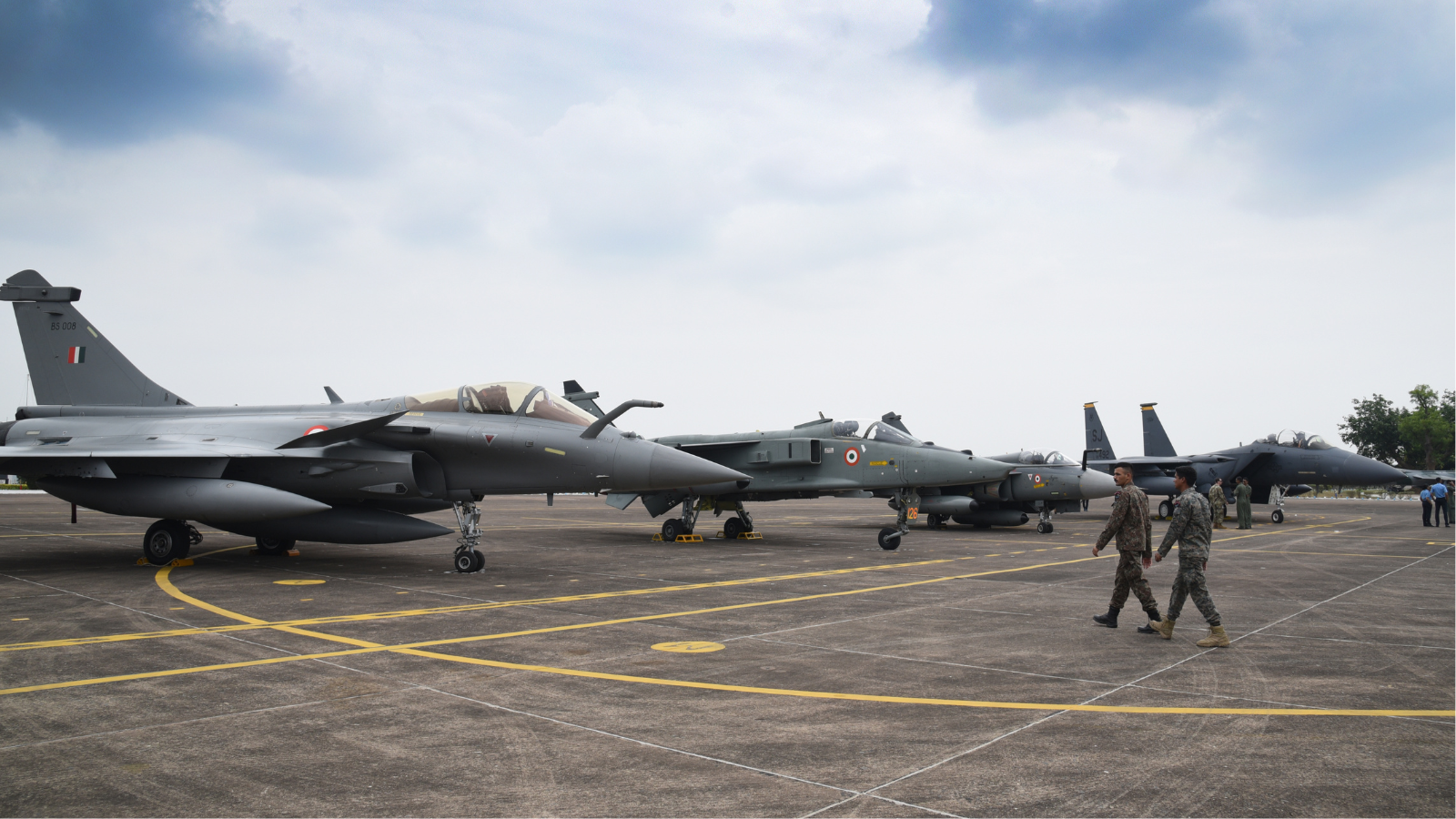
India and the United States are close to concluding a Reciprocal Defense Procurement Agreement (RDPA) that will allow firms from the two countries to sell to each other’s defense establishments more easily. While this may not remedy the specific grievances both sides may have regarding larger bilateral issues, an RDPA could restore some momentum, following the trade deal announcement.

Konark Bhandari