

In The Media
David Rothkopf
{
  "authors": [
    "David Rothkopf"
  ],
  "type": "legacyinthemedia",
  "centerAffiliationAll": "",
  "centers": [
    "Carnegie Endowment for International Peace"
  ],
  "collections": [],
  "englishNewsletterAll": "",
  "nonEnglishNewsletterAll": "",
  "primaryCenter": "Carnegie Endowment for International Peace",
  "programAffiliation": "",
  "programs": [],
  "projects": [],
  "regions": [
    "North America",
    "United States"
  ],
  "topics": [
    "Political Reform"
  ]
}
Source: Getty
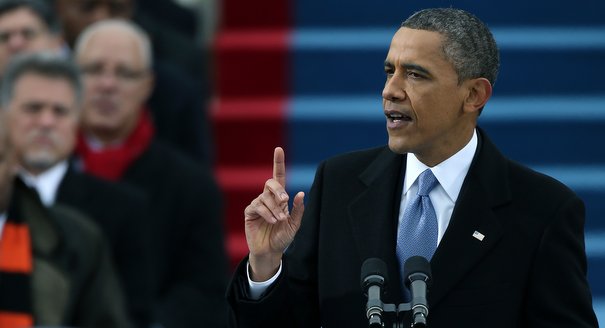
The beauty of Obama's inauguration speech was not in any particular phrase, but in that the man in question and the country he leads were in so many ways far beyond what the Founders could have imagined.
Source: CNN

Obama's words acknowledged the problems were there -- some of which were actually the faces in the crowd around him, some of which were their beliefs, some of which were the interests they represent, some of which were the broken system they are part of -- but for a moment at least, they were freed from the need to say exactly how we would break our logjams and rise to defuse the crises of which he spoke.
There will be a time for that later -- during his State of the Union speech February 12, during press conferences, during other addresses, guidance to his supporters and challenges to his opponents.
But Inaugural speeches, because they have been a tradition for so long, do have the effect of enabling us to see very real changes, to measure this moment against others. So once again we heard from an African-American president in a country for which racism has been a chronic disease since the days of its conception.
We had a man from humble beginnings assuming the most powerful role in the world. We had a president demanding equal rights for gay Americans and equal pay for women without fearing he was in so doing veering from the mainstream of American views or values -- and without celebrating the kind of progress we should have made on both fronts long, long ago.
We had a speech that was no longer addressing the concerns of a nation at war as have such addresses over the past decade. We had a speech that was not like his last Inaugural speech -- a call to action in a moment of acute crisis.
We also had a speech that devoted real attention to perhaps the greatest challenge the world faces at the moment: climate change.
We could hope, as we listened, that on this great issue, like others demanding answers now -- bringing our fiscal house in order, restoring equality of opportunity to our economy, ending our country's sick obsession with guns -- that future Inaugural addresses would be able to note the kind of material progress that we have seen with regard to combating racism or ending wars.
As such, today's speech did just what we might hope, capturing where we are and where we ought to be going. And it did it in the way our Founding Fathers envisioned, through the words of a man elected by the people of America to lead them.
The great beauty of the speech was not in any particular phrase, but in that the man in question and the country he leads were in so many ways far beyond what the Founders could have imagined. And that, despite our natural tendency to glorify our origins, that this America was in virtually every way better than the one they offered up to us.
Former Visiting Scholar
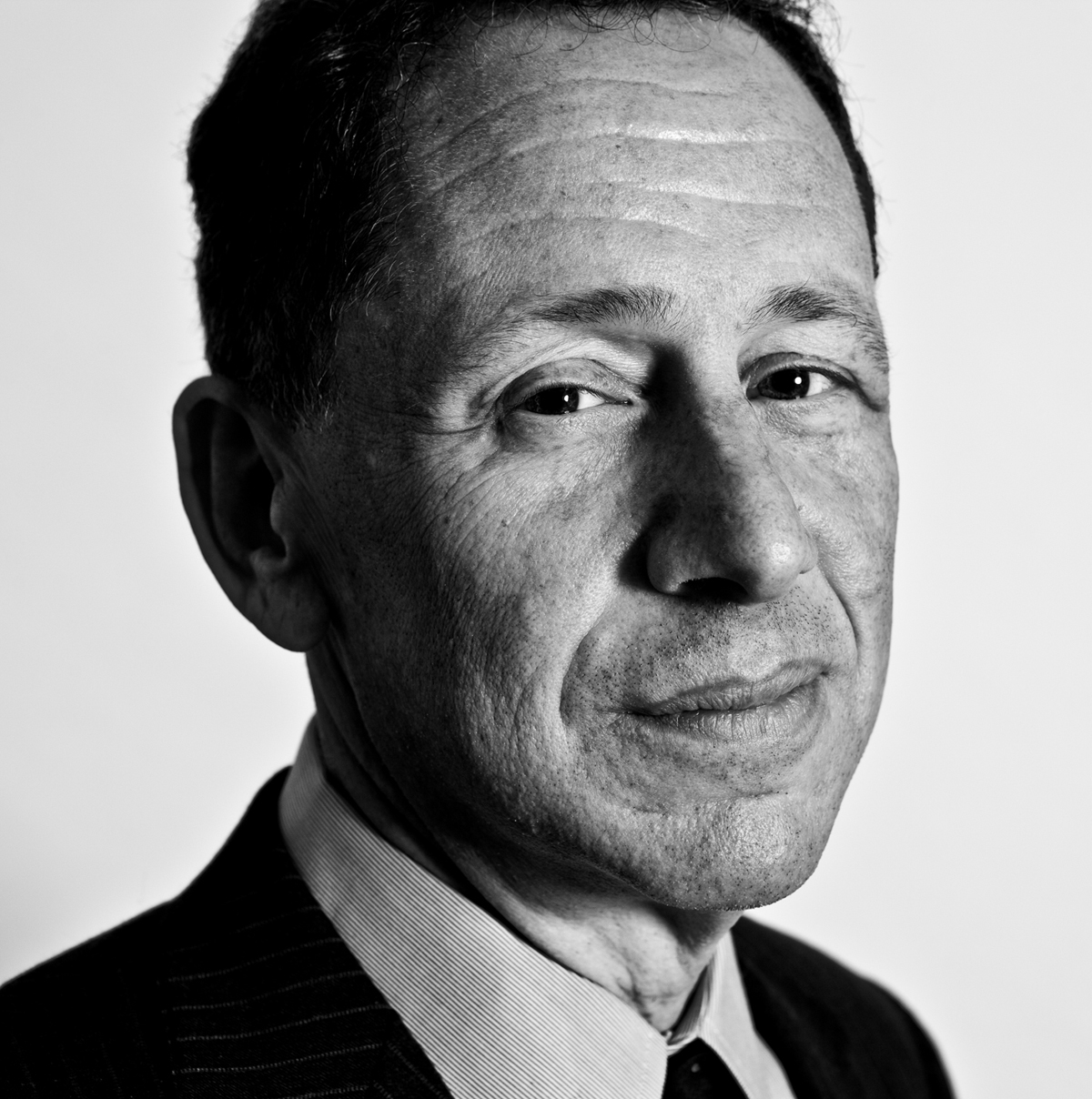
David Rothkopf was a visiting scholar at the Carnegie Endowment as well as the former CEO and editor in chief of the FP Group.
Recent Work
David Rothkopf
David Rothkopf
Carnegie India does not take institutional positions on public policy issues; the views represented herein are those of the author(s) and do not necessarily reflect the views of Carnegie, its staff, or its trustees.

How is AI reshaping space security, creating governance challenges, and where does international diplomacy stand today?


Tejas Bharadwaj, Almudena Azcárate Ortega

The U.S.–India semiconductor cooperation story is well-stocked with top-level strategic intent. What remains unresolved, however, are some underlying challenges that will determine whether the cooperation actually functions. Three such friction points stand out.

Shruti Mittal

India and the United States are close to concluding a Reciprocal Defense Procurement Agreement (RDPA) that will allow firms from the two countries to sell to each other’s defense establishments more easily. While this may not remedy the specific grievances both sides may have regarding larger bilateral issues, an RDPA could restore some momentum, following the trade deal announcement.

Konark Bhandari

On the last day of the India AI Impact Summit, India signed Pax Silica, a U.S.-led declaration seemingly focused on semiconductors. While India’s accession to the same was not entirely unforeseen, becoming a signatory nation this quickly was not on the cards either.
Konark Bhandari

This piece examines India’s response to U.S. sanctions and tariffs, specifically assessing the immediate market consequences, such as alterations in import costs, and the broader strategic implications for India’s energy security and foreign policy orientation.

Vrinda Sahai