

Research
- +10
Rosa Balfour, Frances Z. Brown, Yasmine Farouk, …
{
  "authors": [
    "Moisés Naím"
  ],
  "type": "legacyinthemedia",
  "centerAffiliationAll": "",
  "centers": [
    "Carnegie Endowment for International Peace"
  ],
  "collections": [],
  "englishNewsletterAll": "",
  "nonEnglishNewsletterAll": "",
  "primaryCenter": "Carnegie Endowment for International Peace",
  "programAffiliation": "",
  "programs": [],
  "projects": [],
  "regions": [
    "North America"
  ],
  "topics": [
    "Political Reform",
    "Economy",
    "Global Governance"
  ]
}
Source: Getty
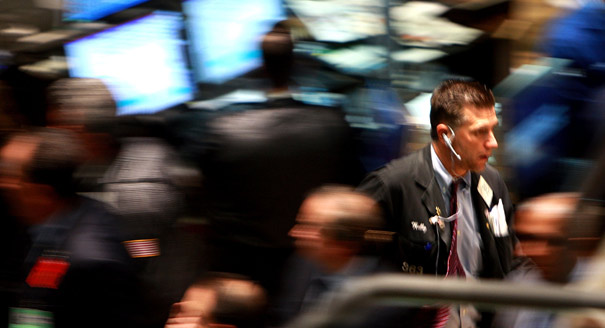
The decline of political and corporate power has been observed over the last two decades. Although there is much to celebrate, there is also cause for concern over the ability to push through an agenda and make decisions in a timely manner.
Source: MSNBC Morning Joe
Speaking on MSNBC's Morning Joe, Carnegie's Moisés Naím discussed the decline of political power around the world, as well as the decline of corporate power structures. Naím cited the monopoly once held by Kodak over the film and photography industries. Kodak has now filed for bankruptcy, while a small app of only 13 employees, known as Instagram, recently sold for a billion dollars. The probability of a company at the top of its sector falling out of this category has doubled over the last 20 years. Companies which responded correctly, such as IBM, have succeeded by adapting and developing a peripheral view while specializing in their field. Without this adaptation, Naím argues that tunnel vision will lead competition and competitors from the most improbable and unexpected places to take away customers.
This shift provides reasons for optimism, Naím explained: there is more competition, tyrants and monopolies are struggling to maintain their power, while new opportunities are available for voters, consumers, and activists. However, there is a downside. These changes can produce gridlock in governments and an inability to make decisions in a timely manner. New, small actors are entering the conversation, sitting at the table, and wanting to shape the outcomes. At times they are undermining initiatives, with no single actor holding enough power to push through an agenda. This is creating a detrimental state of fragile democracies, Naím concluded.

Distinguished Fellow
Moisés Naím is a distinguished fellow at the Carnegie Endowment for International Peace, a best-selling author, and an internationally syndicated columnist.
Recent Work



Rosa Balfour, Frances Z. Brown, Yasmine Farouk, …
Moisés Naím
Carnegie India does not take institutional positions on public policy issues; the views represented herein are those of the author(s) and do not necessarily reflect the views of Carnegie, its staff, or its trustees.

On March 10, 2026, India’s Union Cabinet approved amendments to Press Note 3, a regulation that mandated government approval on all foreign direct investment (FDI) from countries sharing a land border with India. This amendment raises questions primarily about whether its stated benefits will materialize and if the risks have been adequately weighed. This piece will address the same.

Konark Bhandari

This piece examines India’s response to U.S. sanctions and tariffs, specifically assessing the immediate market consequences, such as alterations in import costs, and the broader strategic implications for India’s energy security and foreign policy orientation.

Vrinda Sahai

This paper examines the evolution of India-China economic ties from 2005 to 2025. It explores the impact of global events, bilateral political ties, and domestic policies on distinct spheres of the economic relationship.

Santosh Pai
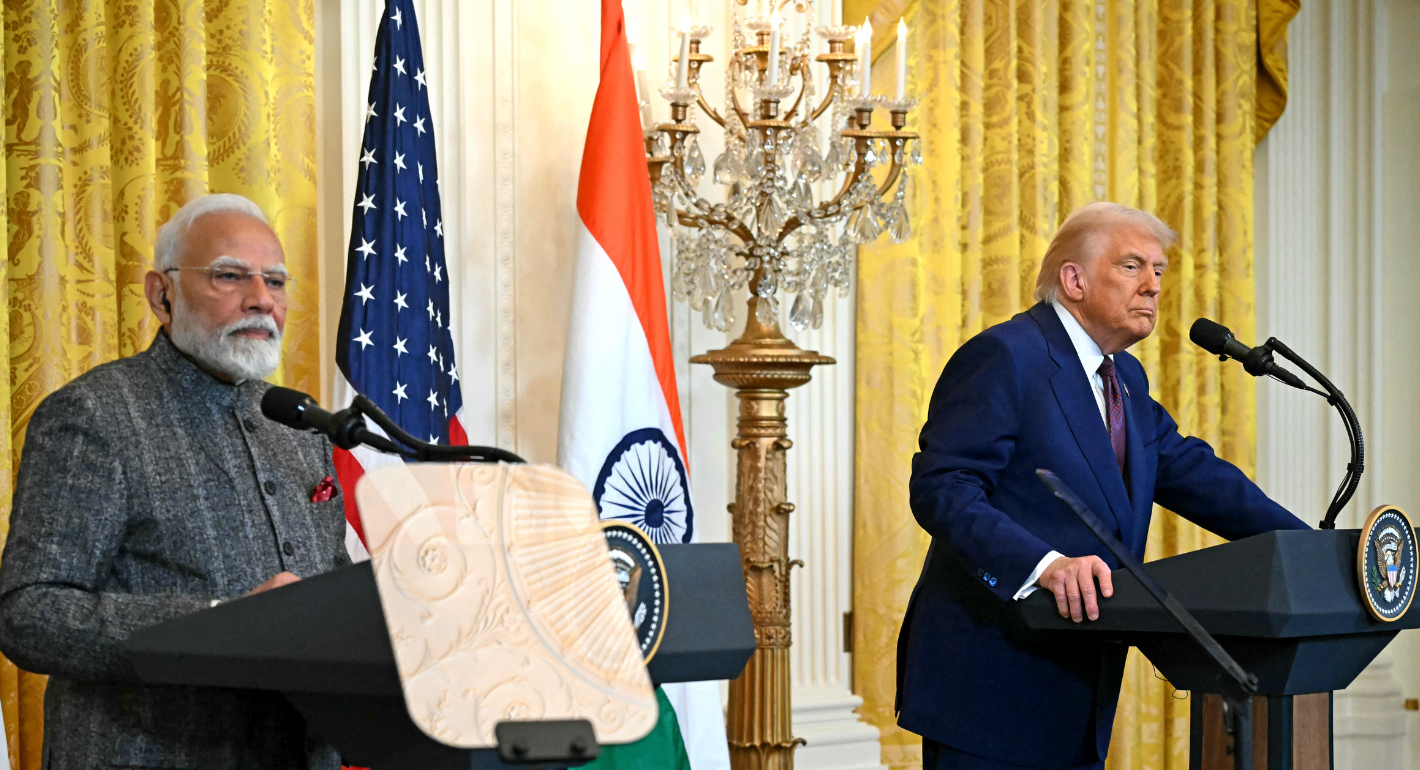
The India-U.S. relationship currently appears buffeted between three “Ts”—TRUST, Tariffs, and Trump.
Arun K. Singh
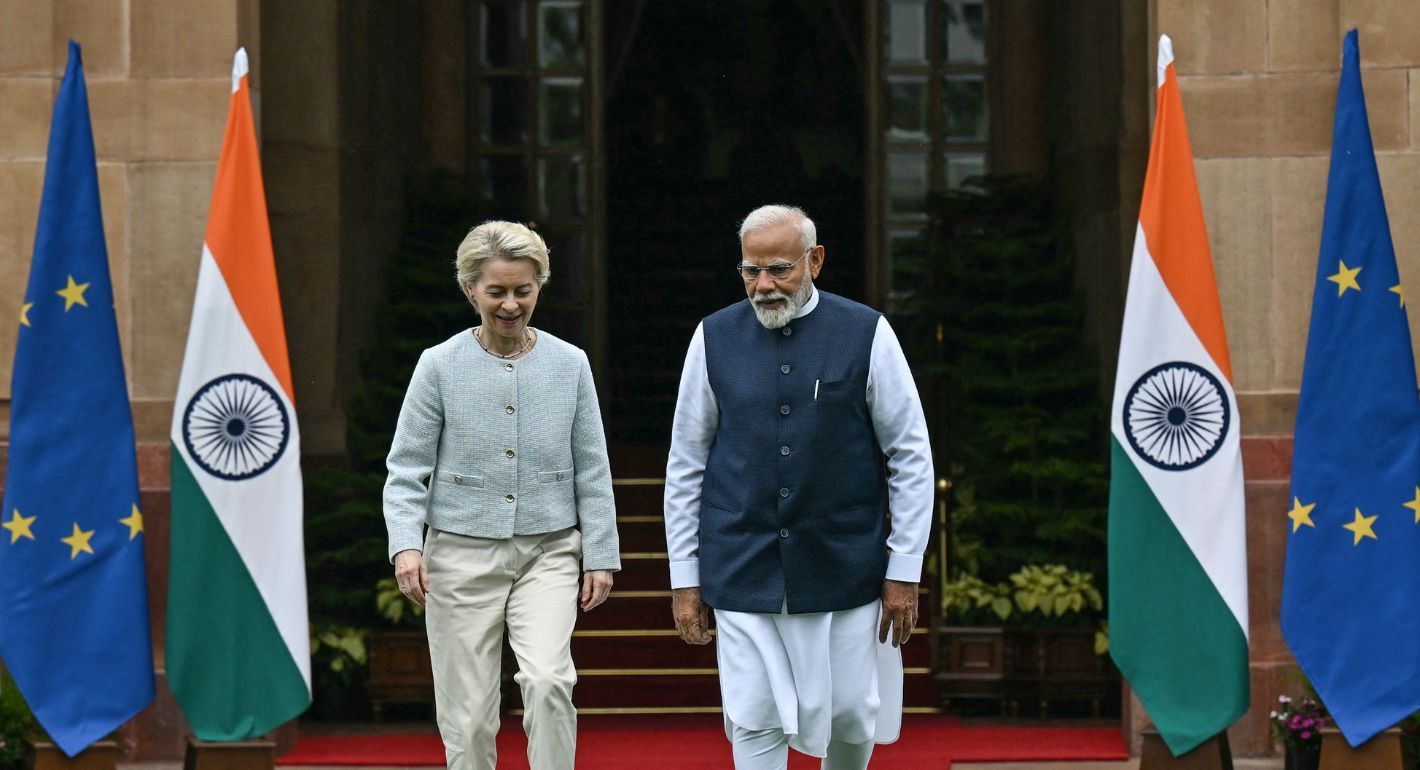
This article argues that the geopolitical circumstances have never been more conducive, not merely for the early conclusion of the free trade agreement (FTA) between India and the EU, but also for crafting a substantive and comprehensive strategic partnership.
Mohan Kumar