

Commentary
Thomas de Waal
{
  "authors": [
    "Thomas de Waal"
  ],
  "type": "legacyinthemedia",
  "centerAffiliationAll": "dc",
  "centers": [
    "Carnegie Endowment for International Peace",
    "Carnegie Europe"
  ],
  "collections": [],
  "englishNewsletterAll": "ctw",
  "nonEnglishNewsletterAll": "",
  "primaryCenter": "Carnegie Europe",
  "programAffiliation": "russia",
  "programs": [
    "Russia and Eurasia"
  ],
  "projects": [],
  "regions": [
    "Caucasus",
    "Georgia"
  ],
  "topics": []
}
Source: Getty
Although set in a mythological period of Georgian history, the narrative of Otar Chiladze's latest work is an allegory of the Georgian Soviet era.
Source: Times Literary Supplement
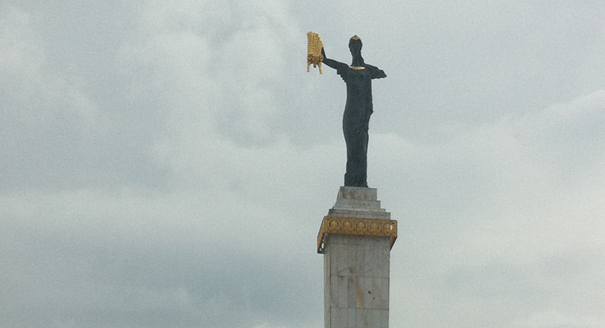
Some countries are burdened with troublesome myths. Georgia, supposedly the heir to the ancient kingdom of Colchis, has to deal with Medea, who, according to various legends, betrayed her father, colluded in the theft of the Golden Fleece and the death of her brother, and murdered her children. Medea still evokes passionate opinion in Georgia. In 2007 President Mikheil Saakashvili unveiled a tall column in the Black Sea city of Batumi, topped by a slender bronze Medea holding up the Golden Fleece. The anthropologist Tamta Khalvashi recorded one local intellectual railing that “they” (the pro-Western authorities) wanted to “trample on our traditions” by putting up a statue to a woman who “betrayed our country”.
This article was originally published in the Times Literary Supplement.

Senior Fellow, Carnegie Europe
Thomas de Waal is a senior fellow at Carnegie Europe, specializing in Eastern Europe and the Caucasus.
Recent Work
Thomas de Waal
Thomas de Waal
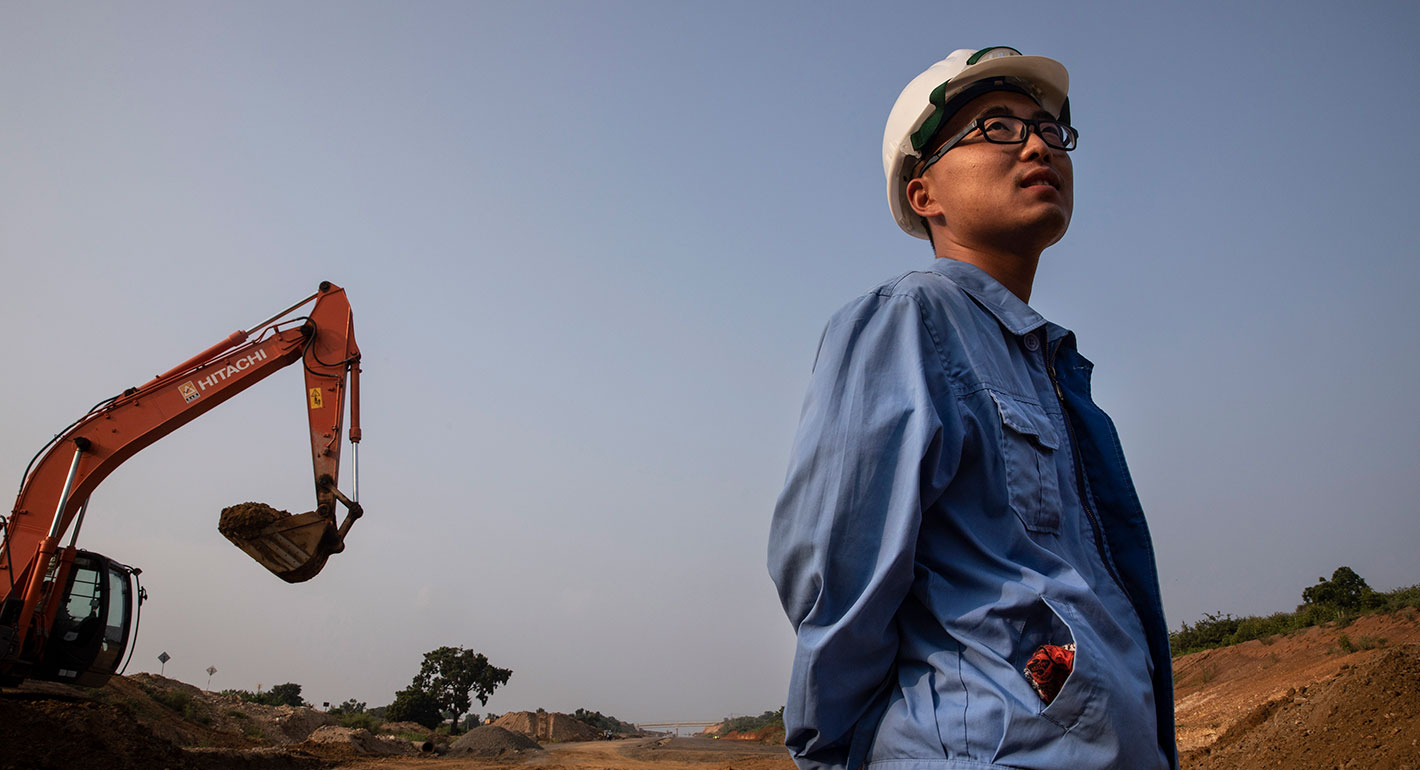
Pitched as a new Silk Road sweeping from Asia to Europe, China’s enormous Belt and Road Initiative is an ambitious, multinational infrastructure project. Experts from four Carnegie global centers explain other countries’ perspectives.


Paul Haenle, Dmitri Trenin, Alexander Gabuev, …