

Research
- +10
Rosa Balfour, Frances Z. Brown, Yasmine Farouk, …
{
  "authors": [
    "Moisés Naím"
  ],
  "type": "legacyinthemedia",
  "centerAffiliationAll": "",
  "centers": [
    "Carnegie Endowment for International Peace"
  ],
  "collections": [],
  "englishNewsletterAll": "",
  "nonEnglishNewsletterAll": "",
  "primaryCenter": "Carnegie Endowment for International Peace",
  "programAffiliation": "",
  "programs": [],
  "projects": [],
  "regions": [
    "East Asia",
    "North Korea",
    "North America"
  ],
  "topics": [
    "Democracy",
    "Nuclear Policy"
  ]
}
Source: Getty
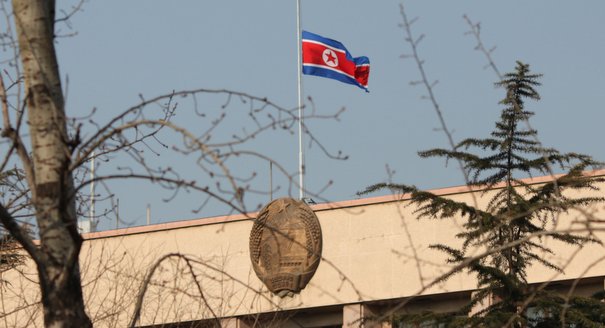
Kim Jong Un’s challenge is to hold power in a world where democracies seem to be overtaking autocracies.
Source: PBS NewsHour
In a continuation of his broadcast interview with the PBS NewsHour's Ray Suarez, author and former Foreign Policy editor Moisés Naím talks about North Korea's Kim Jong Un challenge to hold power in a world where democracies seem to be overtaking autocracies.
"It is becoming harder for him, for people like the North Korean government and the North Korean leader to stay in power. He can get away with it ... but the number of autocracies has been plummeting" in the wake of forces like the democracy movement of the Arab Spring, said Naím, author of the recently released The End of Power: From Boardrooms to Battlefields and Churches to States, Why Being in Charge Isn't What It Used to Be.
More unconventional leaders of democracy, people like Nelson Mandela in South Africa and Myanmar's Aung San Suu Kyi, made headway because they were able to mobilize the energies, hopes, desperation and political power that were against the more dominant structures of power -- South Africa's apartheid and Myanmar's military junta, Naím said.
China offers another complicated picture. It has succeeded in lifting hundreds of millions of people out of poverty, he continued, but now has an emerging middle class that is placing strains and demands on the government that "are in many ways undermining its ability to be that superpower that people fear."

Distinguished Fellow
Moisés Naím is a distinguished fellow at the Carnegie Endowment for International Peace, a best-selling author, and an internationally syndicated columnist.
Recent Work



Rosa Balfour, Frances Z. Brown, Yasmine Farouk, …
Moisés Naím
Carnegie India does not take institutional positions on public policy issues; the views represented herein are those of the author(s) and do not necessarily reflect the views of Carnegie, its staff, or its trustees.

This commentary explores the likely actions of the Trump administration and driving forces on issues of deregulation, the United States’ leadership in AI, national security, and global engagements on AI safety.
Shatakratu Sahu, Amlan Mohanty
Since its launch nearly a year ago, the INDUS-X has marked many milestones in the India-U.S. relationship. Much has been achieved, but there is room to further enhance defense cooperation between the two countries in the coming years.

Ajay Kumar, Tejas Bharadwaj

This piece examines the strategic implications of Bhutan’s diplomatic efforts amid its border dispute with China, highlighting the thin ice it walks on to achieve a resolution without compromising its vital relationships.

Shibani Mehta
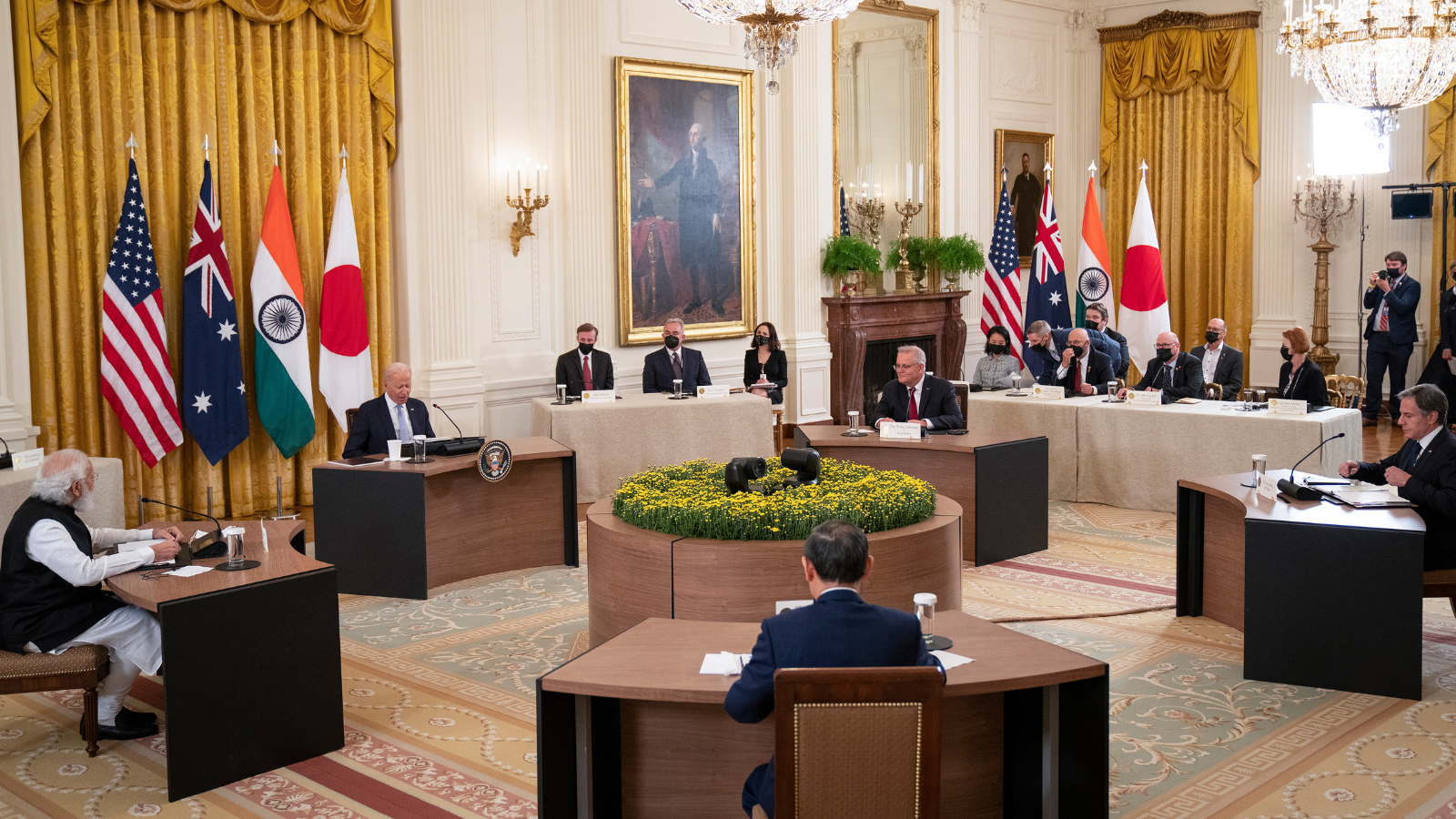
With India set to host the sixth Quad Leaders' Summit in 2024, there is every opportunity for this minilateral to not only develop a DPI initiative but also execute pilots in the Indo-Pacific. This essay shares a rationale for how the four Quad countries could achieve this goal.

Rudra Chaudhuri, Aadya Gupta
How can India navigate export control measures at a time when it is also entering into technology-centric partnerships with other nations to secure enhanced access to advanced technology?

Konark Bhandari