

Q&A
Suzanne Maloney, Aaron David Miller, Karim Sadjadpour
{
  "authors": [
    "Karim Sadjadpour"
  ],
  "type": "legacyinthemedia",
  "centerAffiliationAll": "dc",
  "centers": [
    "Carnegie Endowment for International Peace"
  ],
  "collections": [],
  "englishNewsletterAll": "menaTransitions",
  "nonEnglishNewsletterAll": "",
  "primaryCenter": "Carnegie Endowment for International Peace",
  "programAffiliation": "MEP",
  "programs": [
    "Middle East"
  ],
  "projects": [],
  "regions": [
    "Middle East",
    "Iran"
  ],
  "topics": [
    "Political Reform"
  ]
}
Source: Getty
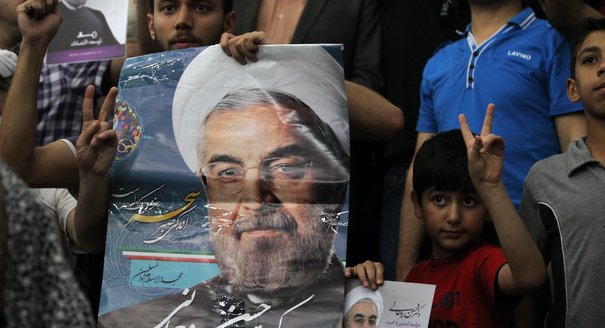
While the outcome of Iran’s presidential election will not change the country’s external behavior with regard to its nuclear program, support for the Assad regime, or opposition to the United States and Israel, the new president will likely impact Iran’s internal atmosphere.
Source: BBC World News America
In the lead up to the Iranian presidential elections, Carnegie's Karim Sadjadpour told BBC World News America that while the outcome of this election will not change Iran’s external behavior with regard to its nuclear program, support for the Assad regime, or opposition to the United States and Israel, the new president will likely impact Iran’s internal atmosphere. While all of the candidates are conservative, the lone reformist candidate is Hassan Rowhani who is not a “fire breathing anti-American ideologue.” Sadjadpour predicted that there would most likely be a runoff election and that protests on the scale of those that occurred in 2009 were unlikely. He also argued that the incoming president will face serious economic challenges as Iran is dealing with draconian sanctions, an oil embargo, and colossal economic mismanagement and corruption.
This interview was originally aired on BBC World News America.

Senior Fellow, Middle East Program
Karim Sadjadpour is a senior fellow at the Carnegie Endowment for International Peace, where he focuses on Iran and U.S. foreign policy toward the Middle East.
Recent Work

Suzanne Maloney, Aaron David Miller, Karim Sadjadpour

Aaron David Miller, Karim Sadjadpour, Robin Wright
Carnegie India does not take institutional positions on public policy issues; the views represented herein are those of the author(s) and do not necessarily reflect the views of Carnegie, its staff, or its trustees.
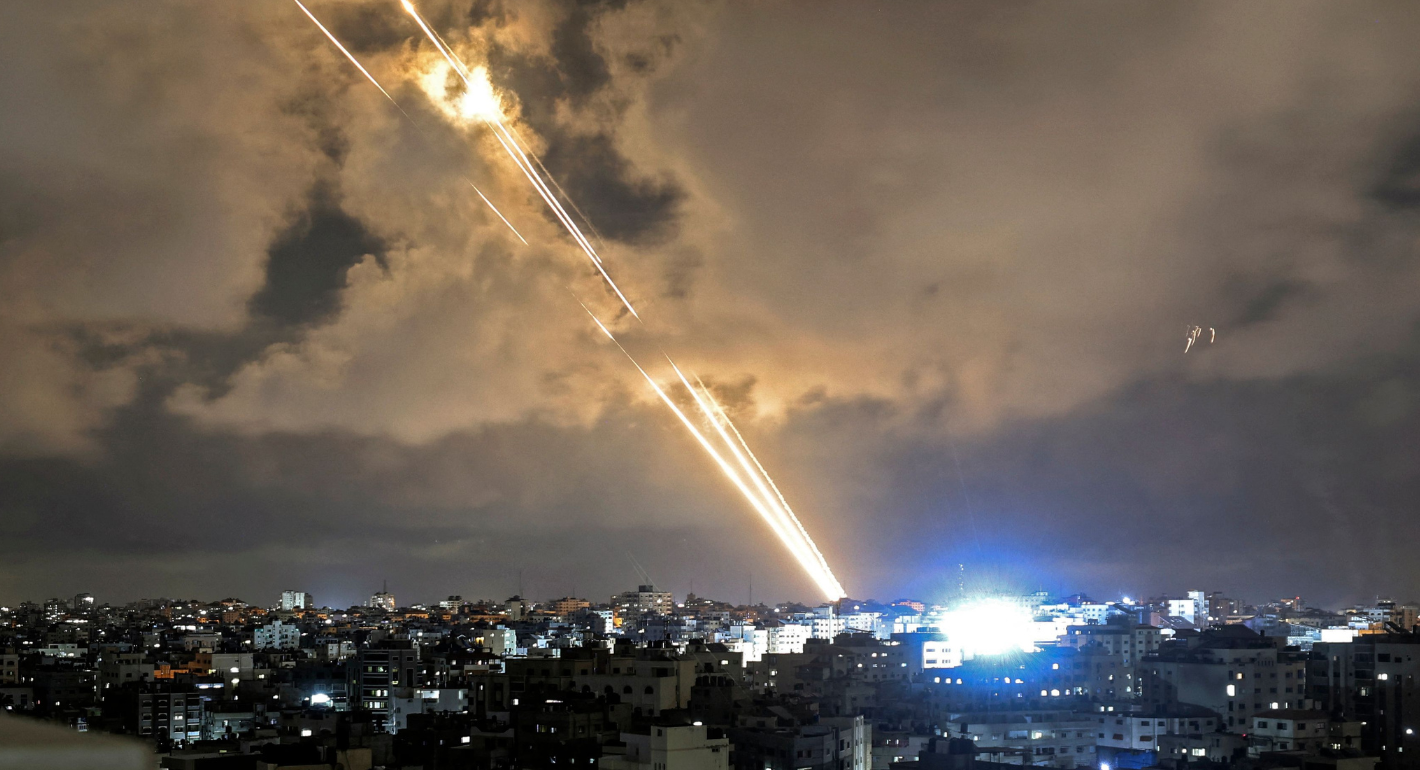
An Israeli response to Iran’s October 1 attack is imminent. The key question is of its intensity and potential fallout, both within Iran, in terms of nuclear security policy changes, and across the broader region. The coming days are likely to reshape West Asia irreversibly.
Gaddam Dharmendra
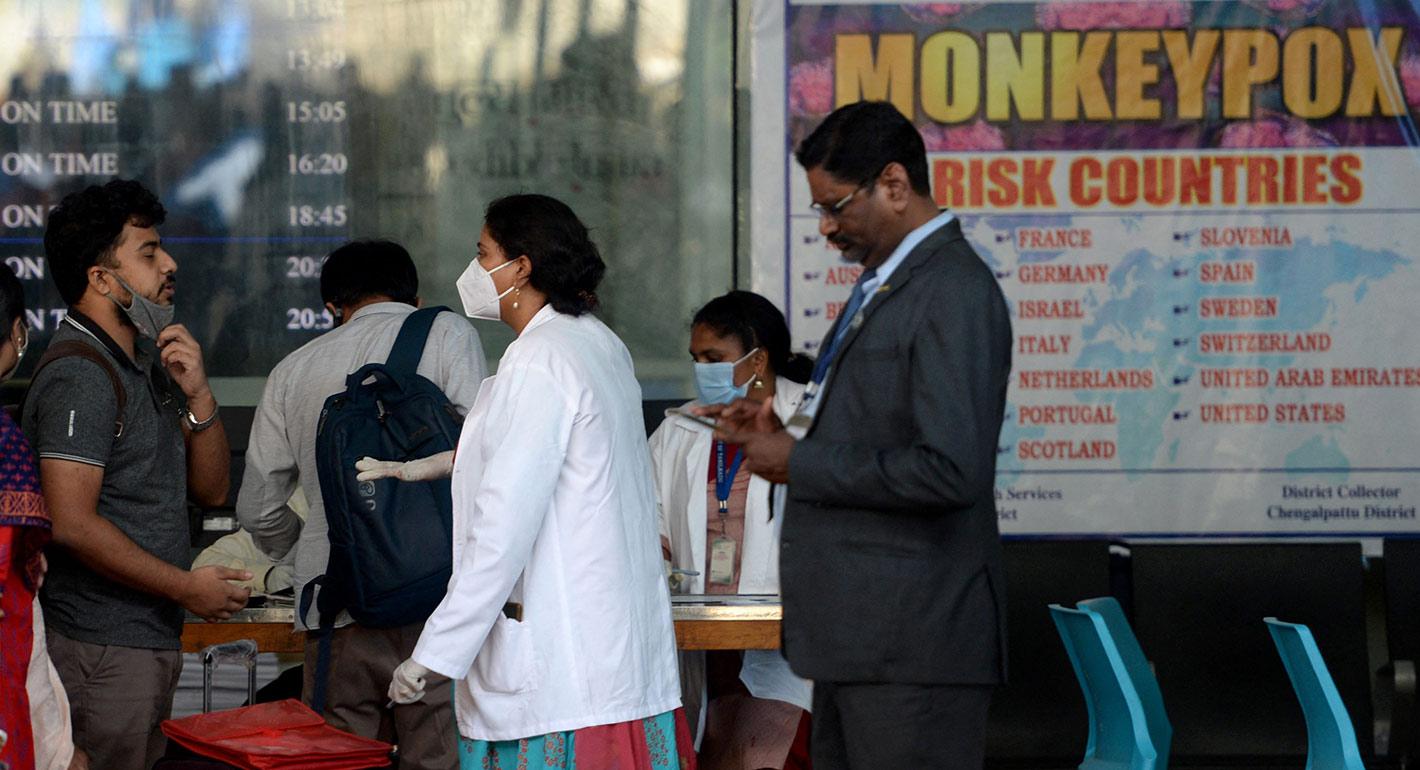
With monkeypox being declared a global health emergency, the WHO approach is an innovative and effective way to curb outbreaks of zoonotic diseases.

Shruti Sharma
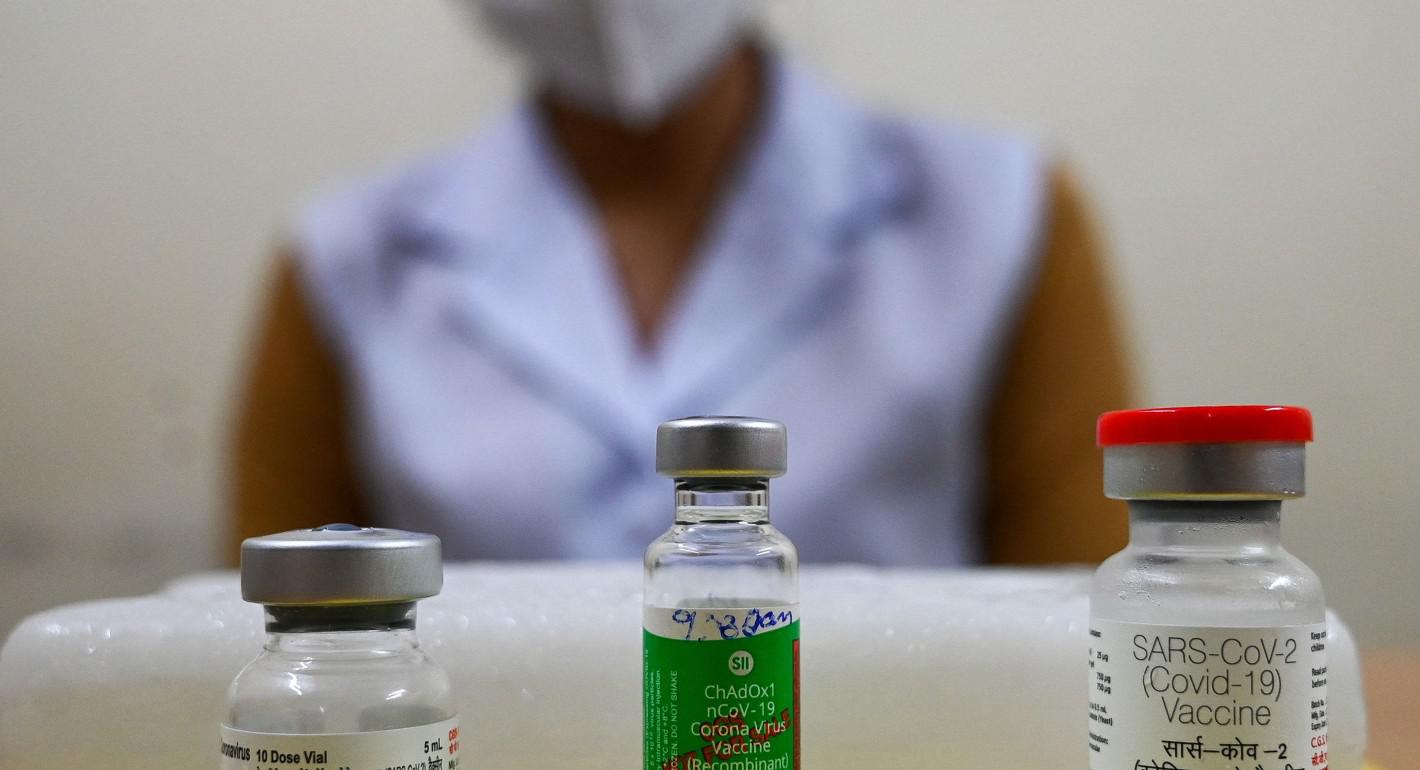
In India, biotechnology has played an important role in helping stakeholders in academia, industry, and government develop new pandemic-related technology, from test kits to respiratory devices. But these biotechnology advancements can go further to strengthen India’s public health capacity.
Shruti Sharma
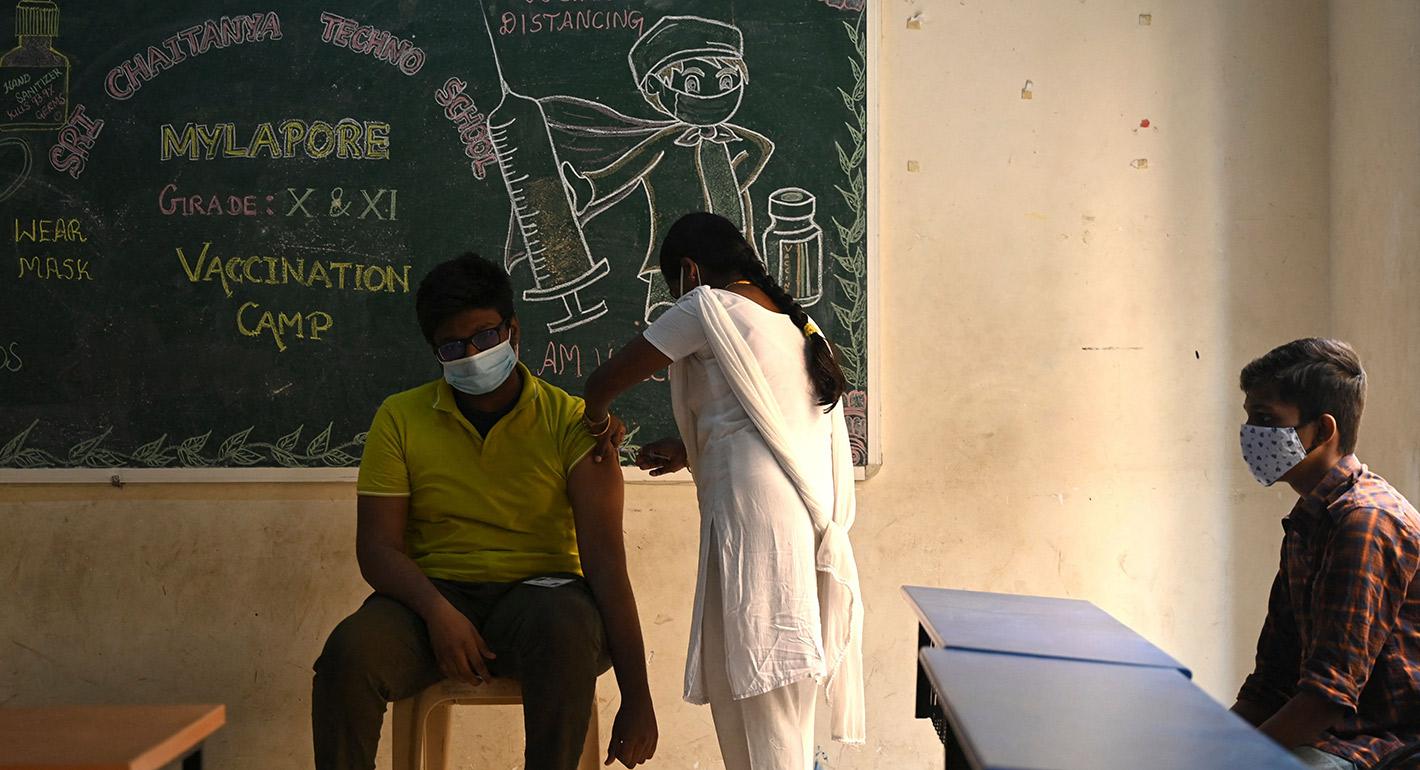
Unless the government can up its communications game, anti-vax movements could prolong India’s pandemic effects.
Shruti Sharma
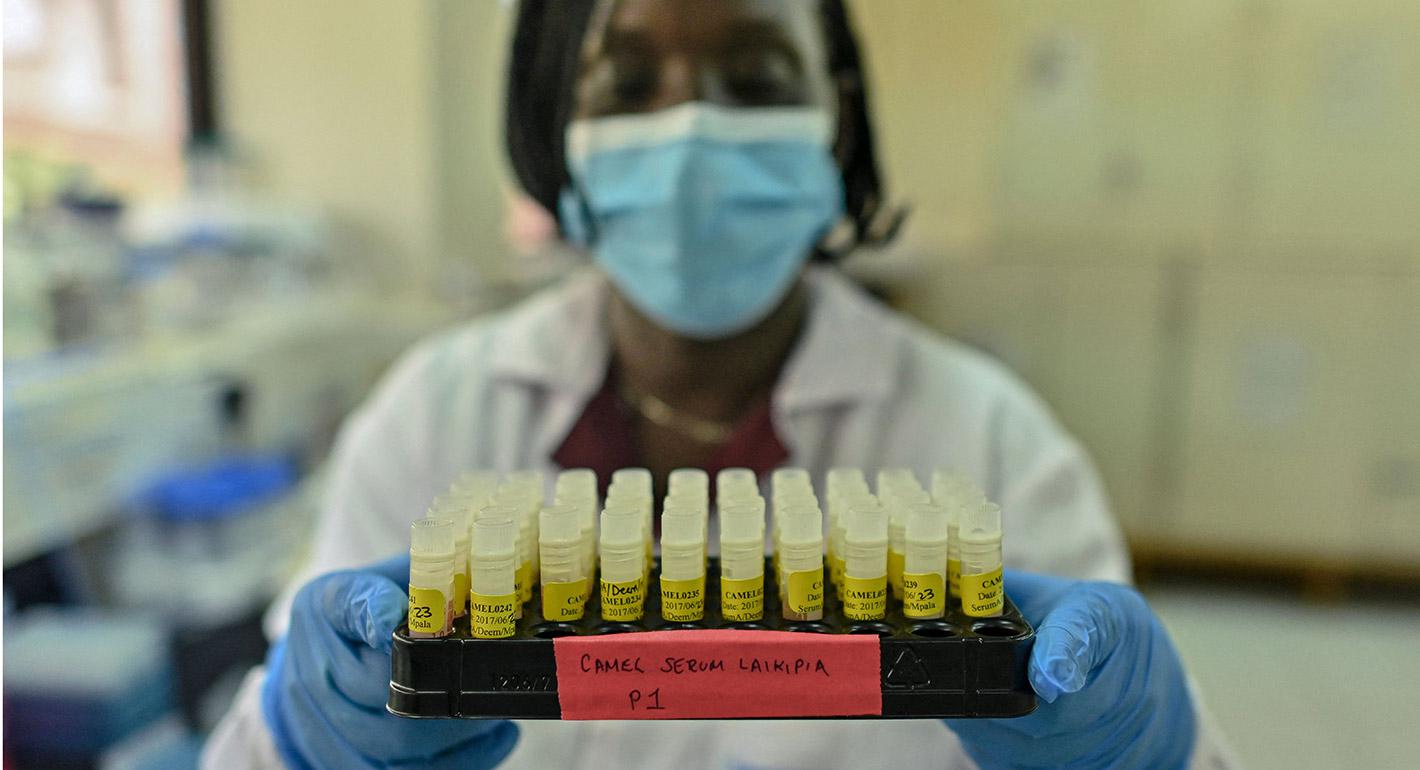
The uncertain origin of the coronavirus has focused attention on gain-of-function research—studying viruses to learn how they spread. How can countries work together to ensure stringent safety standards?
Shruti Sharma