President Kovind’s visit to Djibouti and Ethiopia suggests India is finally waking up to the geopolitical significance of the Horn of Africa.
C. Raja Mohan
{
"authors": [],
"type": "other",
"centerAffiliationAll": "",
"centers": [
"Carnegie Endowment for International Peace"
],
"collections": [],
"englishNewsletterAll": "",
"nonEnglishNewsletterAll": "",
"primaryCenter": "Carnegie Endowment for International Peace",
"programAffiliation": "",
"programs": [],
"projects": [],
"regions": [
"North Africa",
"Egypt"
],
"topics": []
}Source: Getty
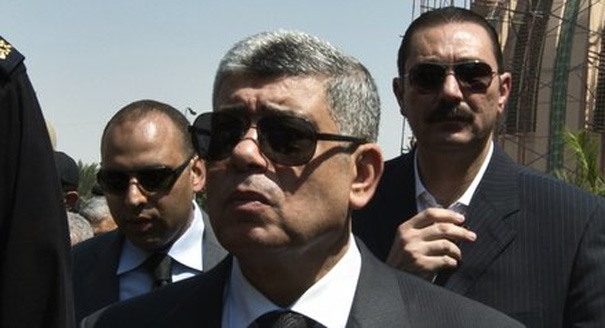
A brief profile of Mohamed Ibrahim.
This resource was published on 09/10/2013 and is not updated to reflect changing circumstances.
Mohamed Ibrahim was appointed Egypt’s interior minister in January 2013 by then prime minister Hisham Qandil. He replaced Ahmed Gamal El Din. During the administration of former president Mohamed Morsi, Ibrahim was criticized by the opposition for violently oppressing protesters demonstrating against Morsi and the ruling Muslim Brotherhood.
However, prior to protests against Morsi scheduled for June 30 by the opposition Rebel Movement (Tamarrud), Ibrahim implicitly endorsed the demonstrations by announcing that the Interior Ministry would not harass protesters. He retained his position after Morsi was removed from power by the military on July 3.
Ibrahim graduated from the Egyptian Police Academy in 1976. He has served in a number of senior positions in the Interior Ministry. Prior to becoming minister of the interior, he was deputy minister and head of Egypt’s prison authority.
Since July, Ibrahim has reportedly been an advocate within the government for a harsh crackdown against the Brotherhood, including the dispersal of pro-Morsi protesters on August 14 that resulted in hundreds of deaths. On September 5, Ibrahim survived an assassination attempt when a bomb exploded near his convoy in Cairo, killing at least one police officer and wounding dozens.
Carnegie India does not take institutional positions on public policy issues; the views represented herein are those of the author(s) and do not necessarily reflect the views of Carnegie, its staff, or its trustees.
President Kovind’s visit to Djibouti and Ethiopia suggests India is finally waking up to the geopolitical significance of the Horn of Africa.
C. Raja Mohan
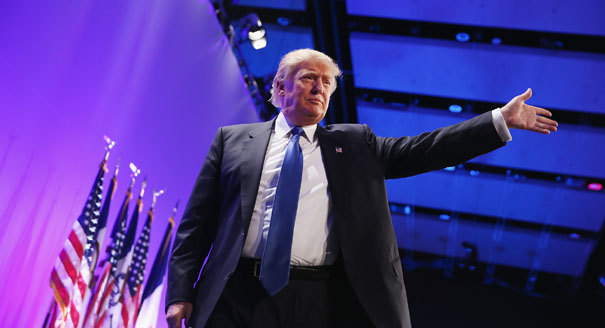
Chancelleries across Eurasia are scrambling to come to terms with the entirely unexpected victory of Trump.
C. Raja Mohan
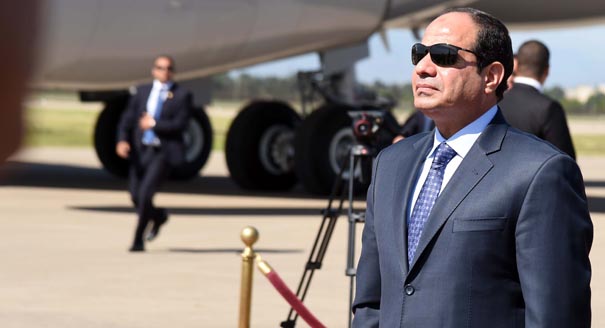
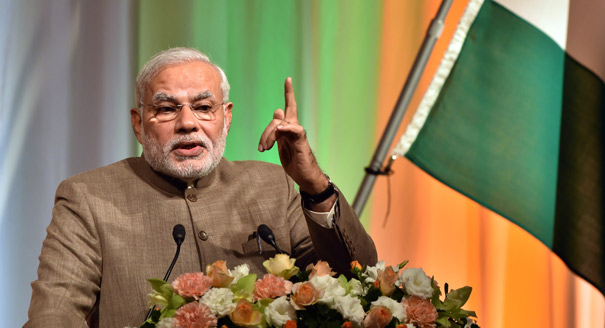
The relationship between India and Egypt has declined over the years. But, Indian Prime Minister Narendra Modi and Egyptian President Abdel Fattah al-Sisi should rebuild the friendship between Nehru and Nasser.
C. Raja Mohan
The India-Africa Summit can galvanize India’s security engagement with Africa.
C. Raja Mohan
While some might find India’s new approach to the Middle East somewhat disconcerting, the government of Narendra Modi is bringing pragmatism and transparency to India’s Middle East policy.
C. Raja Mohan