President Kovind’s visit to Djibouti and Ethiopia suggests India is finally waking up to the geopolitical significance of the Horn of Africa.
C. Raja Mohan
{
"authors": [],
"type": "other",
"centerAffiliationAll": "",
"centers": [
"Carnegie Endowment for International Peace"
],
"collections": [],
"englishNewsletterAll": "",
"nonEnglishNewsletterAll": "",
"primaryCenter": "Carnegie Endowment for International Peace",
"programAffiliation": "",
"programs": [],
"projects": [],
"regions": [
"North Africa",
"Egypt"
],
"topics": []
}Source: Getty
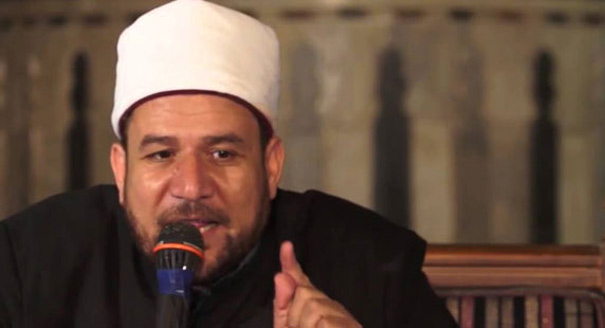
A brief profile of Mohamed Mokhtar Gomaa.
This resource was published on 09/20/2013 and is not updated to reflect changing circumstances.
Mohamed Mokhtar Gomaa was sworn in as Egypt’s minister of religious endowments on July 16, 2013, nearly two weeks after the ouster of former Egyptian president Mohamed Morsi at the hands of the military. The author of several books on Arabic literature and poetry, Gomaa was the dean of the Faculty of Islamic and Arabic Studies at al-Azhar University, the country’s premier religious institution. He was also a member of the senior clerical establishment at al-Azhar, head of al-Azhar’s religious media, and a forty-year member of the Egyptian Journalists’ Syndicate.
Since assuming office, Gomaa has taken a series of controversial steps to reassert state control over Egypt’s sprawling network of mosques and to limit the influence of the Muslim Brotherhood and other Islamist organizations.
Between July and September 2013, Gomaa has undertaken a number of measures, including:
Gomaa has long been a proponent of the religious moderation favored by al-Azhar. Since becoming minister, he has frequently warned preachers to avoid political messages in their sermons.
Carnegie India does not take institutional positions on public policy issues; the views represented herein are those of the author(s) and do not necessarily reflect the views of Carnegie, its staff, or its trustees.
President Kovind’s visit to Djibouti and Ethiopia suggests India is finally waking up to the geopolitical significance of the Horn of Africa.
C. Raja Mohan
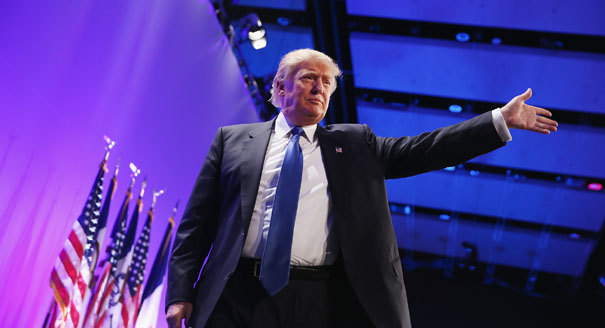
Chancelleries across Eurasia are scrambling to come to terms with the entirely unexpected victory of Trump.
C. Raja Mohan
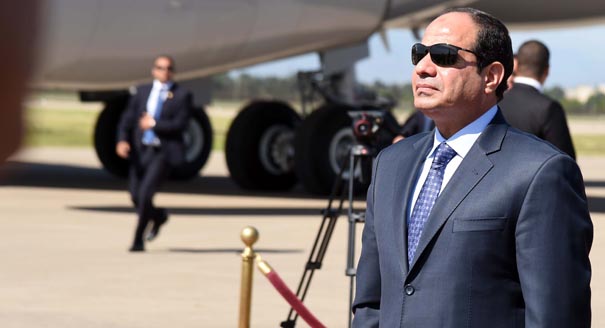
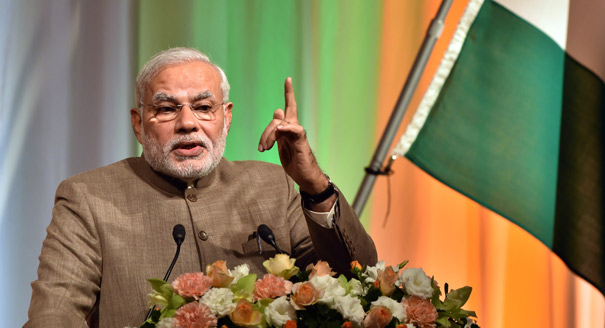
The relationship between India and Egypt has declined over the years. But, Indian Prime Minister Narendra Modi and Egyptian President Abdel Fattah al-Sisi should rebuild the friendship between Nehru and Nasser.
C. Raja Mohan
The India-Africa Summit can galvanize India’s security engagement with Africa.
C. Raja Mohan
While some might find India’s new approach to the Middle East somewhat disconcerting, the government of Narendra Modi is bringing pragmatism and transparency to India’s Middle East policy.
C. Raja Mohan