

Commentary
Sarah Chayes
{
  "authors": [
    "Sarah Chayes"
  ],
  "type": "legacyinthemedia",
  "centerAffiliationAll": "dc",
  "centers": [
    "Carnegie Endowment for International Peace"
  ],
  "collections": [],
  "englishNewsletterAll": "ctw",
  "nonEnglishNewsletterAll": "",
  "primaryCenter": "Carnegie Endowment for International Peace",
  "programAffiliation": "SAP",
  "programs": [
    "South Asia"
  ],
  "projects": [],
  "regions": [
    "South Asia",
    "Afghanistan"
  ],
  "topics": [
    "Political Reform",
    "Democracy"
  ]
}
Source: Getty
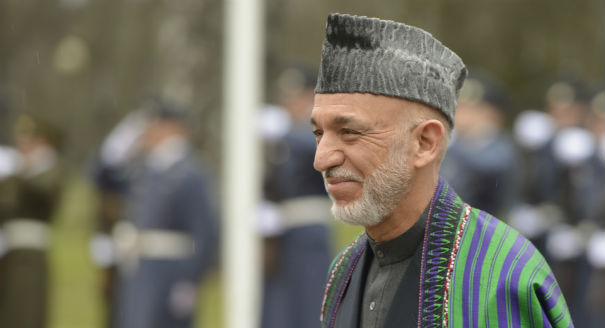
Afghanistan’s presidential campaign season is officially open and, thus far, the lead-up to next year’s election has offered no sign that lessons from 2009 have been learned.
Source: Bloomberg
“It’s started! They’re stuffing the boxes!”
My friend’s voice on the line was a breathless jumble. He was calling from the Afghan border town of Spin Boldak the night before Afghanistan’s last presidential election, in the summer of 2009. I was in nearby Kandahar, where I had lived for seven years. By then, I was serving as an adviser to the commander of the international troops.
“It’s the border police,” my friend galloped on, describing the house and the street where the crime was occurring. His tone conveyed the wild wish that I could somehow dispatch a platoon to stop the travesty. But I couldn’t. Even then, international community policy -- civilian and military, that of embassies and the United Nations -- was to “Afghanize” the election. So, though the world’s democracies were paying for the exercise, they stood back and in effect facilitated tremendous electoral fraud, scurrying to rectify the impact only after the fact.Now, four years later, Afghanistan’s presidential campaign season is officially open again, for a vote to be held in April. The roster of more than two dozen candidates, including several whom many Afghans describe as war criminals, gives a taste of the likely integrity of the exercise. Yet U.S. officials are once again vesting incautious hope in the notion that it will somehow produce, as one told me recently, a “more legitimate government.”
Afghanistan fits a pattern of transitioning countries that have rushed to elections before their polities were sufficiently constituted. And the results, from Nigeria in 2004 to Egypt and Libya in the wake of the Arab Spring, have been dire. U.S. officials and democracy promoters would do well to regain the sophistication of our founders, who understood that elections can deliver good or ill, depending on the quality of the framework within which they take place.
The 2009 Afghan vote-rigging operation was sophisticated. It began with what the military would call a psychological-operations campaign -- this one mounted against the international community. President Hamid Karzai and his proxies understood that Afghanistan’s benefactors desired an election, at almost any cost. Karzai’s clique played on the international presumption that most members of his Pashtun ethnic group would vote for him -- untrue, if the disgust of every Kandahari I knew was any guide. Taliban inroads were concentrated in Pashtun areas, and Karzai threatened to challenge election results if too many polling places were closed for security reasons, thus disenfranchising “his” voters.
All summer, in an effort to forestall this potential blot on the all-important election, international troops and Afghan officials scrambled to pry open polling places. Troops engaged in “clearing” operations, which lasted only through the poll. Afghan government officials negotiated with local Taliban commanders, offering money or prisoner exchanges.
What they got in return was a stunner: no guarantee that people could actually vote, just a Taliban promise to allow ballot boxes and papers to enter the district, then leave unmolested after the election. Tales recounted by villagers around Kandahar confirmed the obvious: Almost no one voted. Taliban threats were too explicit.
The result? Dozens of empty ballot boxes, from areas presumed to be pro-Karzai. These receptacles were then filled with fraudulent papers, sometimes dozens marked with the same ink and handwriting. UN-supplied investigators ruled that at least one-third of the votes for Karzai were invalid.
The lead-up to next year’s election has offered no sign that lessons from the last one have been learned. Karzai appoints all provincial governors, who still play a crucial role in the electoral process. After a protracted struggle with parliament, Karzai was also able to weaken the Independent Election Commission and the panel charged with handling citizen complaints, which had been critical to documenting the 2009 fraud. He prevented any international presence on the complaints commission, and he engineered selection procedures for the members of both bodies that would protect his preferences. For all their expressed hopes, international officials have again refrained from exercising their still-considerable leverage to thwart these moves.
The result is likely to be another fraught exercise, the outcome of which will raise profound questions of legitimacy. Apart from the disengagement of international officials, the problem is that Afghanistan’s government “has no centre of gravity,” as one insightful analyst put it. “Authorities are ill-defined. There is no clear mechanism for arbitration,” no power that convincingly has the final say.
That such a predicament was allowed to develop under the tutelage of one of the world’s oldest democracies is especially disturbing. But the predicament itself is visible outside Afghanistan. The rush to elections in the first two Arab Spring countries, Tunisia and Egypt, before the development of broadly agreed-upon frameworks to govern political competition helped spark subsequent upheavals. Partisan majorities determined to capitalize on power shirked the more neutral and farsighted responsibilities incumbent upon them as framers.
In Libya, a supposedly successful 2012 election has not yet yielded a constitution. This lack of basic rules regulating political competition has helped to fragment and even militarize its political landscape. Libyan militia commanders, for instance, would reportedly be more inclined to disarm if they felt they were submitting to a constituted authority rather than to an individual.
The debates that animated America’s constitutional convention demonstrated our own framers’ appreciation for the potential dangers of government by election if the structure within which votes took place was not carefully calibrated. The powers and duties of different electoral offices needed to be clearly defined, the interaction between voters and officeholders thought through -- down to varying term lengths and staggered elections.
This sophistication seems to have leached away with the passing years. Americans now typically view elections abroad as a positive, with little reference to context. At home, a rising chorus of concern about the ground rules governing our own contests has not yet prompted meaningful suggestions for reform. If these more recent experiences are any reference at all, the likely result will be worsening political turmoil.
Former Senior Fellow, Democracy, Conflict, and Governance Program
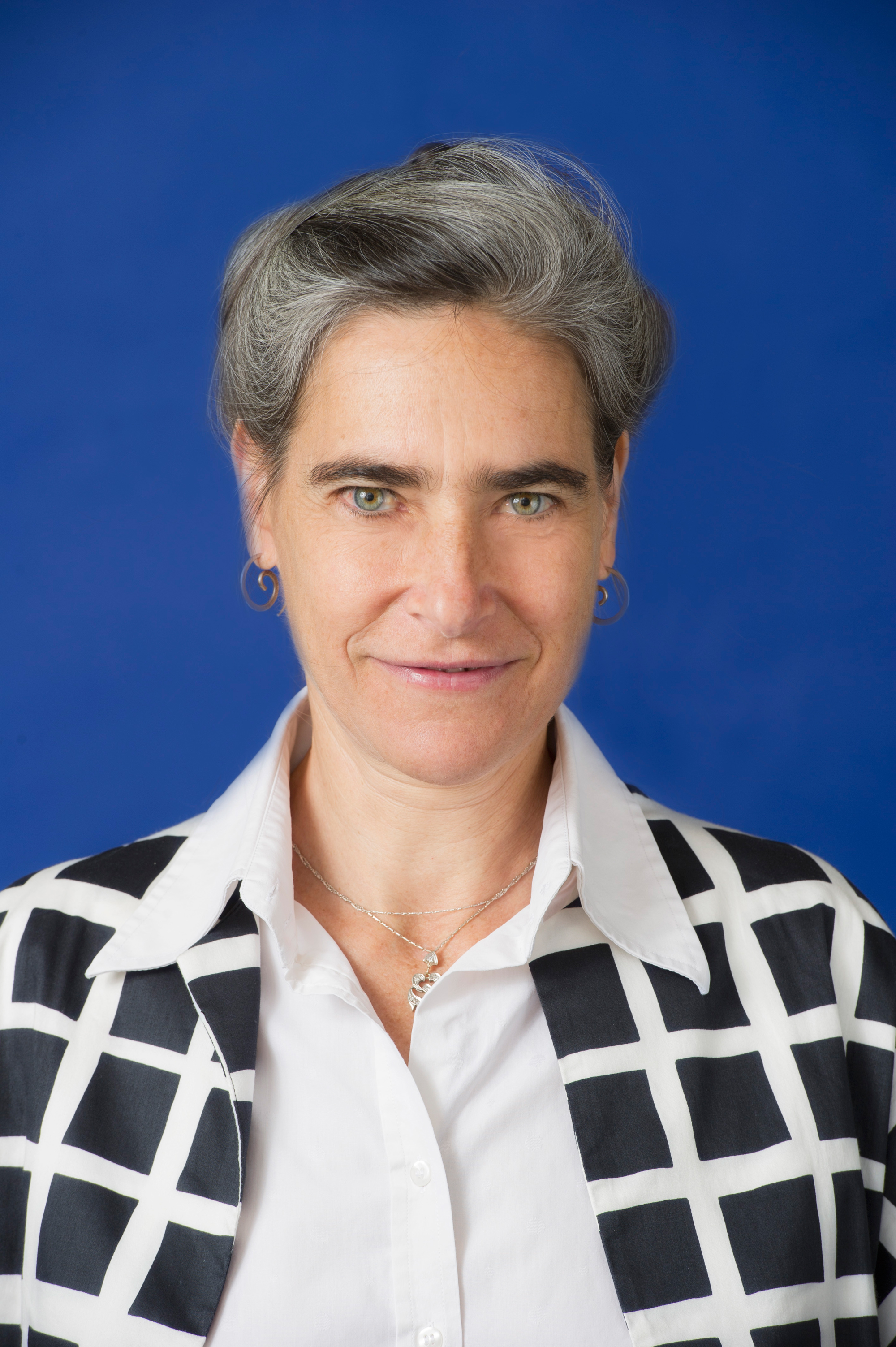
Sarah Chayes is internationally recognized for her innovative thinking on corruption and its implications. Her work explores how severe corruption can help prompt such crises as terrorism, revolutions and their violent aftermaths, and environmental degradation.
Recent Work
Sarah Chayes
Carnegie India does not take institutional positions on public policy issues; the views represented herein are those of the author(s) and do not necessarily reflect the views of Carnegie, its staff, or its trustees.
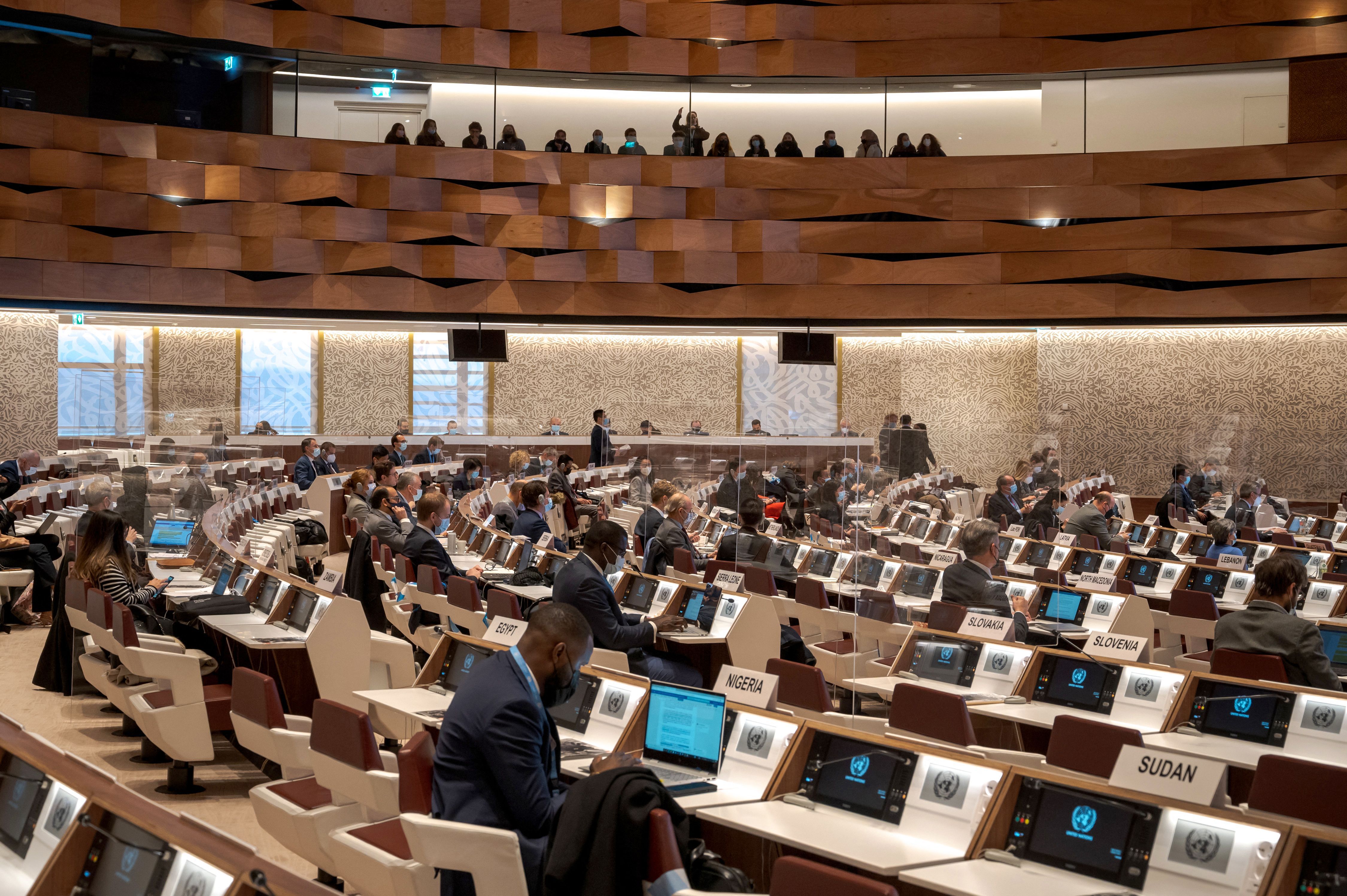
This article explores the global debate on lethal autonomous weapons systems (LAWS), highlighting the convergences, complexities, and differences within and beyond the UN Group of Governmental Experts (GGE) on LAWS. It further examines India’s key position at the GGE and the probable reasons behind them.


Charukeshi Bhatt, Tejas Bharadwaj

This essay is the first of a three-part series that will seek to understand the considerations for building compute capacity and the different pathways to accessing compute in India. This essay delves into the meaning of compute and unpacks the various layers of the compute stack.
Aadya Gupta, Adarsh Ranjan
This piece examines the strategic implications of Bhutan’s diplomatic efforts amid its border dispute with China, highlighting the thin ice it walks on to achieve a resolution without compromising its vital relationships.

Shibani Mehta

This article is part of a series that will discuss some of the themes and proposals that are being considered for an ex-ante framework in India under the Committee on Digital Competition Law (CDCL).

Konark Bhandari

This article examines India’s treatment of data and its relationship with sovereignty.

Rudra Chaudhuri, Arjun Kang Joseph