

Commentary
Thomas de Waal
{
  "authors": [
    "Thomas de Waal"
  ],
  "type": "commentary",
  "centerAffiliationAll": "",
  "centers": [
    "Carnegie Endowment for International Peace",
    "Carnegie Europe",
    "Carnegie Russia Eurasia Center"
  ],
  "collections": [],
  "englishNewsletterAll": "",
  "nonEnglishNewsletterAll": "",
  "primaryCenter": "Carnegie Europe",
  "programAffiliation": "",
  "programs": [],
  "projects": [],
  "regions": [
    "Central Asia",
    "Caucasus",
    "Russia",
    "Eastern Europe"
  ],
  "topics": [
    "Foreign Policy"
  ]
}
Source: Getty
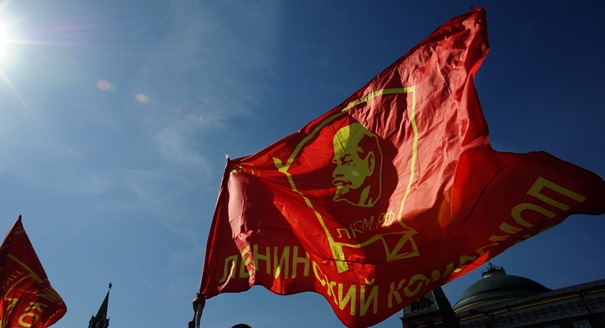
To mention the Soviet Union on most of its former territory evokes pleasant nostalgia, not revulsion. However, no one, beginning with President Putin, is planning its second coming.
What is there to miss about the Soviet Union? "Nothing," say those who live west of the old Soviet border. "The day the USSR ended was a day of liberation."
Hence the gravity intended in the warnings of Western politicians that Vladimir Putin’s Eurasian Union project is a new Soviet Union in disguise. Former U.S. Secretary of State Hillary Clinton set the trend when she commented in December 2012 that the union was "a move to re-Sovietise the region."
Those same leaders should pause to take a look at a Gallup poll taken last month in 11 of the 15 former Soviet republics (Uzbekistan and the Baltic States were left out).
It showed that in seven of the 11 countries more people believe that the break-up of the Soviet Union harmed their country more than it benefited them.
This answer comes from people of all ages and all corners of the former union. In Armenia, Kyrgyzstan, Russia, and Ukraine barely 20 per cent of those polled voicing positive thoughts about the end of the USSR. (The highest rate of approval for the demise of the Soviet Union actually came in authoritarian Turkmenistan, which is a little suspicious—this surely is one place which was actually more free and open 25 years ago than today.)
Of course the Soviet Union people are missing for is a figment of the imagination. It is not that of Stalin or the late 1980s but most likely that of Brezhnev's 1970's consumer boom, an era recalled as one of innocence and prosperity at home and respect and fear abroad.
Vladimir Putin is often quoted as having called the end of the Soviet Union "the greatest geopolitical catastrophe of the [20th] century." The actual quotation, made in his speech to parliament in April 2005, is more ambiguous and could equally be translated as "the tremendous geopolitical catastrophe of the age."
Either way, it was not a programmatic speech. Putin has also more than once approvingly quoted a phrase from the 1990s made popular by the strongman of that era, Alexander Lebed, "Whoever does not regret the destruction of the Soviet Union doesn't have a heart, whoever wants to recreate it doesn't have a head."
Most Russians, it would seem, agree. To mention the Soviet Union on most of its territory evokes pleasant nostalgia, not revulsion. But, fortunately no one, beginning with President Putin, is planning its second coming.

Senior Fellow, Carnegie Europe
De Waal is a senior fellow at Carnegie Europe, specializing in Eastern Europe and the Caucasus.
Recent Work
Thomas de Waal
Thomas de Waal, ed.
Carnegie India does not take institutional positions on public policy issues; the views represented herein are those of the author(s) and do not necessarily reflect the views of Carnegie, its staff, or its trustees.

This piece examines India’s response to U.S. sanctions and tariffs, specifically assessing the immediate market consequences, such as alterations in import costs, and the broader strategic implications for India’s energy security and foreign policy orientation.
Vrinda Sahai
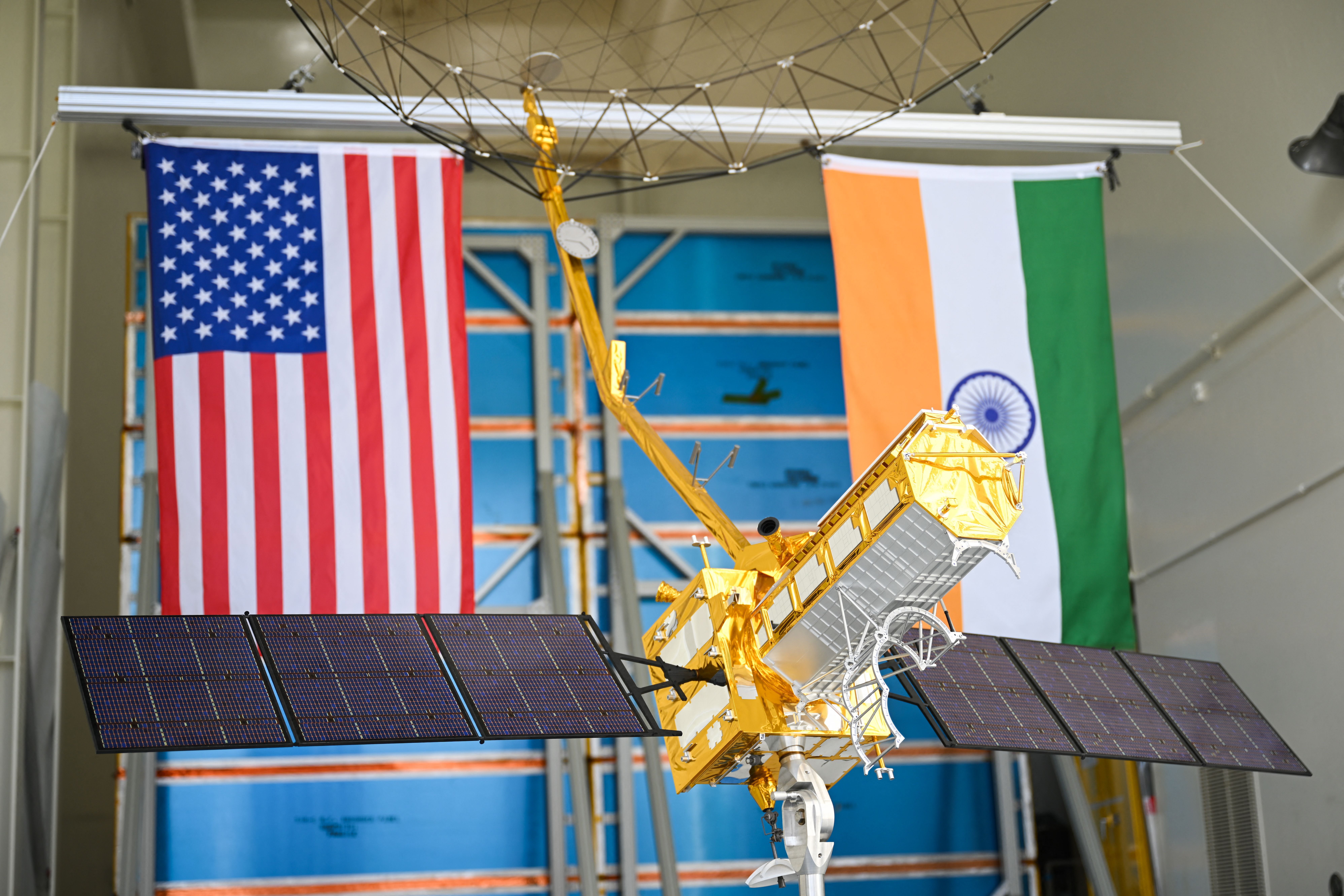
On July 30, 2025, the United States announced 25 percent tariffs on Indian goods. While diplomatic tensions simmered on the trade front, a cosmic calm prevailed at the Sriharikota launch range. Officials from NASA and ISRO were preparing to launch an engineering marvel into space—the NASA-ISRO Synthetic Aperture Radar (NISAR), marking a significant milestone in the India-U.S. bilateral partnership.

Tejas Bharadwaj
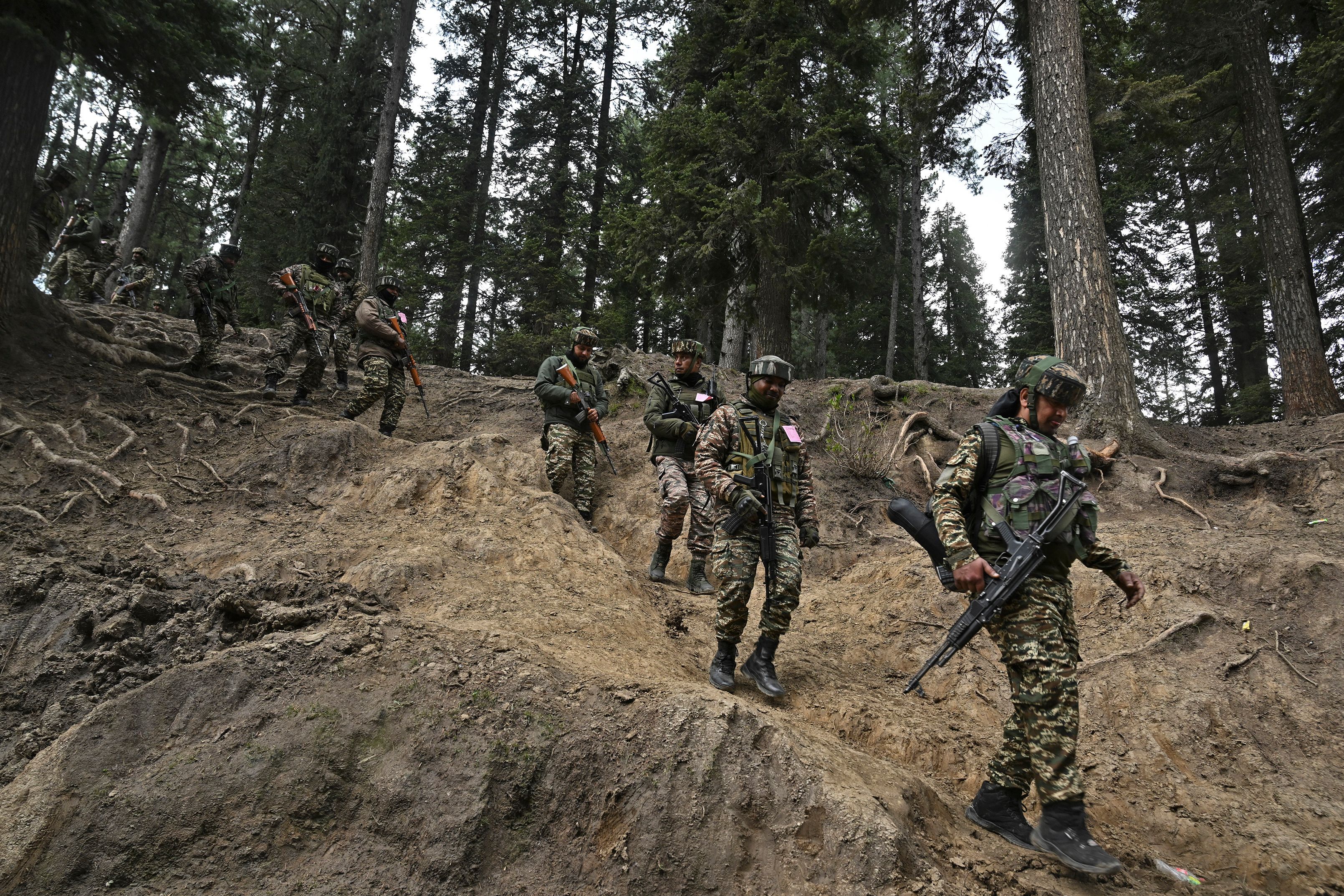
On May 7, 2025, between 1:05 and 1:30 a.m. (IST), airstrikes carried out by the Indian Air Force hit nine locations inside Pakistan and Pakistan occupied Kashmir (PoK). It was codenamed Operation Sindoor.

Rudra Chaudhuri
This compendium brings together three essays by scholars who participated in Carnegie India's Security Studies Dialogue in 2024, each examining a different aspect of China’s policies. Drawing on their expertise and research, the authors offer fresh perspectives on key geopolitical challenges.
Vijay Gokhale, Suyash Desai, Amit Kumar, …

As part of the TRUST initiative, leaders of the two countries committed to building trusted and resilient supply chains, including for semiconductors and critical minerals. India and the United States have made steady progress in this area over the years. This essay explores the takeaways from discussions on semiconductor supply chains that took place at Carnegie India’s 9th Global Technology Summit.

Konark Bhandari