

In The Media
Lilia Shevtsova
{
  "authors": [
    "Lilia Shevtsova"
  ],
  "type": "commentary",
  "centerAffiliationAll": "",
  "centers": [
    "Carnegie Endowment for International Peace",
    "Carnegie Russia Eurasia Center"
  ],
  "collections": [],
  "englishNewsletterAll": "",
  "nonEnglishNewsletterAll": "",
  "primaryCenter": "Carnegie Russia Eurasia Center",
  "programAffiliation": "",
  "programs": [],
  "projects": [],
  "regions": [
    "Eastern Europe",
    "Ukraine"
  ],
  "topics": [
    "Political Reform",
    "Democracy",
    "Civil Society"
  ]
}
Source: Getty
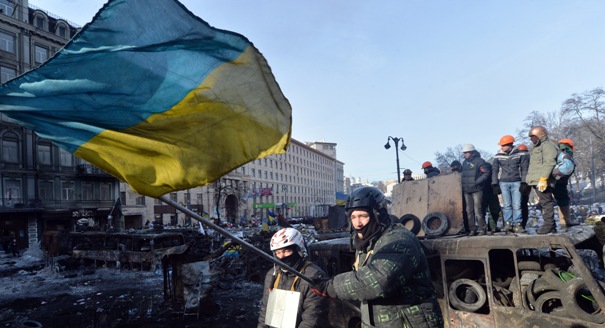
Ukraine is in for a long ordeal that has just begun. The previously dormant segments of Ukrainian society are getting involved in the protests. Meanwhile, the regime is ready to defend itself by any available means.
Ukraine—one of the Europe’s largest states, which has every right to be called European—is in in the midst of a revolution. The Ukrainian people openly rebelled against the regime, and the greater part of the country is now affected by the unrest. The regime lost control of the situation; the system of governance is essentially destroyed. President Viktor Yanukovych’s disregard for the protesters’ demands only exacerbate the confrontation between the regime and significant part of the population.
There is every reason to conclude that the Yanukovych regime is doomed. It can temporarily restore its control over some parts of the country only by resorting to violence and dictatorial rule. This spells mass bloodshed. For Yanukovych, actually agreeing to the Maidan’s demands—early presidential and parliamentary elections—is tantamount to losing power; he will not be able to win fair elections. So Yanukovych is trying to buy time, which only intensifies the already fierce confrontation. Moreover, there is “the third power” in this conflict—it is the Kremlin. By providing Yanukovych with financial assistance, the Kremlin effectively became an essential support factor for the sinking Ukrainian regime. Thus, the situation in Ukraine has already acquired international dimension.
However, at some point, Yanukovych and his team have apparently started to realize that a tactical change is in order. On January 25, Yanukovych offered the opposition a deal with two clear goals in mind. First, he wanted to split the opposition trio of Klitschko-Yatsenyuk and Tiahnybok and drive a wedge between the trio and the Maidan protestors. Besides, he wanted to buy some time by promising small concessions but retaining control over the concession-making process. Yanukovych offered the office of prime minister to Arseniy Yatsenyuk and an ambiguously-defined position of vice prime minister to Vitali Klitschko, thus ignoring Oleh Tiahnybok. He did not agree to completely repeal the dictatorial laws, eschewing the questions of early elections and reverting to the 2004 Constitution. The opposition returned to the Maidan and openly rejected the deal with Yanukovych.
Thus, the Maidan’s demands remain in effect. They are the repeal of the dictatorial laws, the early presidential and parliamentary elections, the return to the 2004 Constitution, removing the Berkut special forces from Kiev, and the release of political prisoners. The next few days, particularly the January 28 emergency session of the parliament, will clarify Ukraine’s future trajectory—the country will either continue drifting to further confrontation or Yanukovych will have to yield.
It is hard to predict the next turn of events in Ukraine’s ongoing revolutionary struggle. But we can already draw certain conclusions about some major trends in the Ukrainian drama.

Former Senior Associate, Russian Domestic Politics and Political Institutions Program, Moscow Center
Shevtsova chaired the Russian Domestic Politics and Political Institutions Program at the Carnegie Moscow Center, dividing her time between Carnegie’s offices in Washington, DC, and Moscow. She had been with Carnegie since 1995.
Recent Work
Lilia Shevtsova
Lilia Shevtsova
Carnegie India does not take institutional positions on public policy issues; the views represented herein are those of the author(s) and do not necessarily reflect the views of Carnegie, its staff, or its trustees.
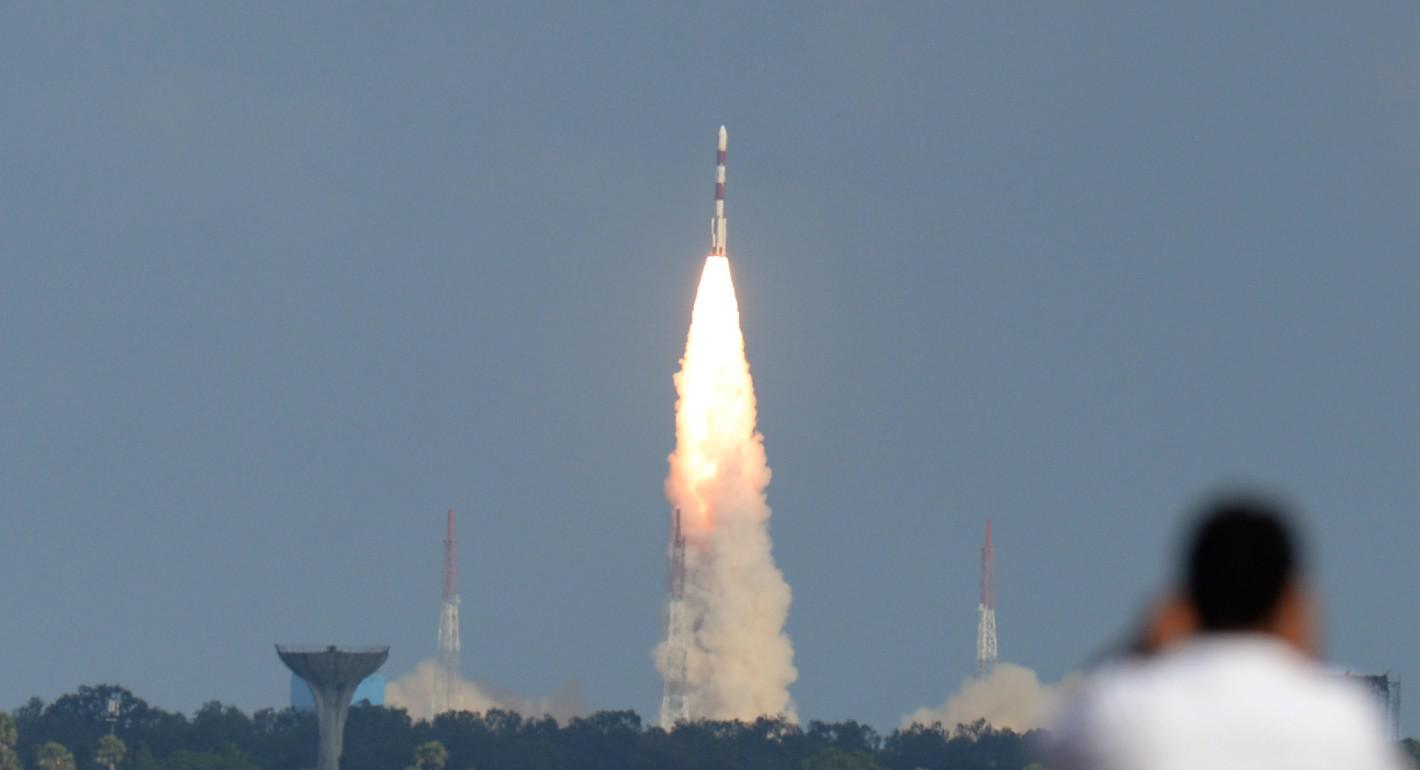
The war in Ukraine has demonstrated that India needs to establish a strong domestic space economy in order to weather geopolitical storms.

Konark Bhandari

Experts weigh in on whether the United States is too hostile toward China.

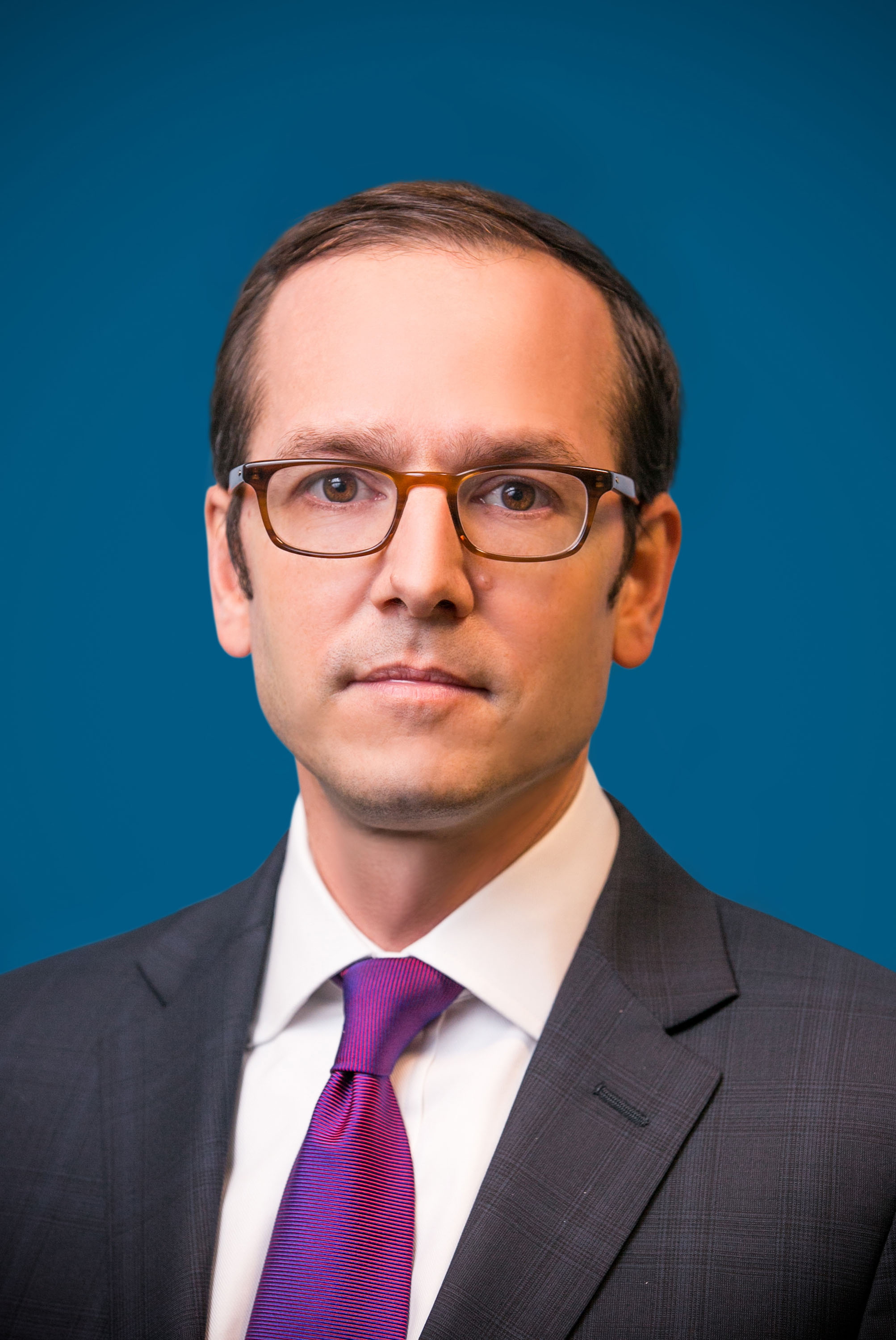
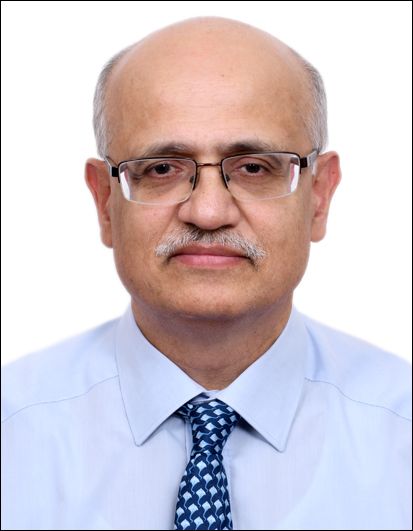
Stephen Wertheim, Evan S. Medeiros, Vijay Gokhale
As India’s economy recovers from the coronavirus pandemic, Indian businesses need efficient financial structures to regain their ground. Key reforms to India’s Insolvency and Bankruptcy Code could fill these gaps.

Anirudh Burman
Access to cross-border data is an integral piece of the law enforcement puzzle. India is well placed to lead the discussions on international data agreements subject to undertaking necessary surveillance reforms.

Smriti Parsheera, Prateek Jha
After the coronavirus pandemic wanes, how will China’s reorientation of the Belt and Road Initiative to address global health concerns influence its relationships with South Asian countries?
Deep Pal, Rahul Bhatia