

In The Media
Lilia Shevtsova
{
  "authors": [
    "Lilia Shevtsova"
  ],
  "type": "legacyinthemedia",
  "centerAffiliationAll": "",
  "centers": [
    "Carnegie Endowment for International Peace",
    "Carnegie Russia Eurasia Center"
  ],
  "collections": [],
  "englishNewsletterAll": "",
  "nonEnglishNewsletterAll": "",
  "primaryCenter": "Carnegie Russia Eurasia Center",
  "programAffiliation": "",
  "programs": [],
  "projects": [],
  "regions": [
    "Eastern Europe",
    "Ukraine"
  ],
  "topics": [
    "Political Reform"
  ]
}
Source: Getty
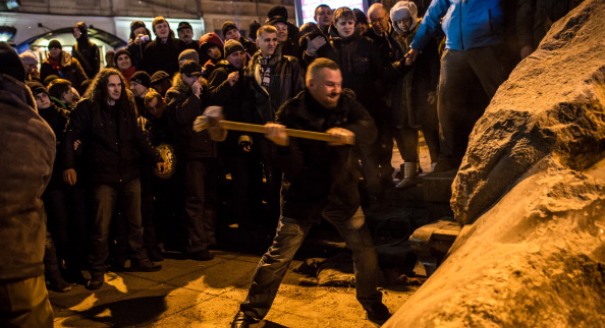
The defeat of the Ukrainian regime was a severe blow to Vladimir Putin personally. Any victory of Ukrainian revolution could act as an inspiration for the Russian people as well.
Source: NPR’s Morning Edition
STEVE INSKEEP, HOST: The spark for these protests was Ukraine's relationship with its giant neighbor, Russia. For almost all of its history Ukraine was part of Russia and many Ukrainians speak Russian as their first language. For Russian officials, the question now is whether Ukraine leans toward the West, or toward Russia as it always has. So, let's see how Ukraine's troubles look from Moscow.
Lilia Shevtsova is with the independent Carnegie Moscow Center. She's on the line from there. Welcome to the program.
LILIA SHEVTSOVA: Thank you, Steve.INSKEEP: So how closely are people in Moscow that you talk with watching events in Ukraine?
SHEVTSOVA: You know, we have several Russias in Moscow. There's one Russia liberal, oppositional Russia. And we all have been seeking day and night, watching the Ukrainian events. There are other people - ordinary Russians - who have differing views. And there is official Russia. I would bet the Kremlin folks, even in Sochi during the Olympic games, they are following the Ukrainian events and these have warring and conflicting views on Ukraine.
INSKEEP: What are some of the conflicting views?
SHEVTSOVA: Well, me, for instance, the intellectual side, the liberal side of Russia, is watching Ukrainians and Ukrainian drive for dignity with hope, with empathy. We are crying at night, watching how the violence has erupted and how Yanukovych has tried to crack down the people without any weapons. The other part of Russia, Putin's Russia, is trying to persuade the world that this rebellion is very dangerous for security in Europe.
INSKEEP: Is there agreement that Russia has major interests in Ukraine?
SHEVTSOVA: Oh, yes, of course. Well, first of all, for the Russian political elite and for Putin personally. It's the problem first of psychology because defeat of the Ukrainian regime will mean a severe blow to Putin personally. He cannot be defeated when he is losing his grasp, his influence in Russia. Secondly, for him, Ukraine is an existential problem because any victory of Ukrainian revolution will be a demonstration for the Russian society which way to choose.
INSKEEP: I think sitting in the West, we just assumed that this was about economics, that Russia wanted to be in control of the natural gas market in that part of the world, that Russia wanted to be in control of Ukraine economically. You're suggesting it's a lot more than that.
SHEVTSOVA: Oh, yes. It's much more complicated. Maybe five, six years, seven years ago it was important, gas pipelines, you know, Ukrainian heavy industry. It's not about economy anymore. It's about psychology. It's about mentality and it's about surviving Putin's personalized power.
INSKEEP: So would the Russians be willing even to take the extreme of sending troops to Ukraine if that were necessary to support President Yanukovych there?
SHEVTSOVA: You know, strangely enough, Putin and Russian Foreign Minister Sergei Lavrov were so open about that, about their actions in Ukraine. Lavrov said we are doing everything to stabilize situation in the Ukraine. You know, he said everything. But still, I do believe that now in the 21st century, Russia is not going to invade Ukraine like the Soviet Union did in the previous century in Afghanistan or Czechoslovakia.
They are much more flexible scenarios. There are different forms of a rape, I would say. And besides, Putin said that he is ready to deal with any Ukrainian government. He's trying to persuade Ukrainians that he's going to seduce any government in Ukraine.
INSKEEP: You used a very strong word there, so I want to make sure I understand what you mean. You said different forms of rape. You mean different forms of controlling Ukraine.
SHEVTSOVA: Absolutely. I used maybe not very diplomatic and political word, but this is what it means in reality.
INSKEEP: So you've mentioned how high the stakes are from Vladimir Putin's point of view. Does President Putin trust President Yanukovych of Ukraine to get control of the situation? This is a man who was, in some ways, forced around to Putin's side.
SHEVTSOVA: Definitely. Yanukovych cannot be trusted. He apparently is not trusted even by his close (unintelligible) and he's not the best, you know, dog on the leash for Putin. I would argue that Yanukovych is doomed now and Putin understands it because now even oligarchs around Yanukovych would like to surrender, to get rid of him, and they're looking for a much more convenient, adaptable figure for both Russia and the West.
And that's the worst option when they find an interim figure, their own new clown that will be presented as a solution to the society.
INSKEEP: Lilia Shevtsova is with the Carnegie Moscow Center. Thanks very much.
SHEVTSOVA: Thank you.
RENEE MONTAGNE, HOST: And we've been reporting that European nations are considering sanctions against Ukrainian officials - leaders of the government Russia support(ph). Russia is describing those possible sanctions today as blackmail. You're listening to MORNING EDITION from NPR News.

Former Senior Associate, Russian Domestic Politics and Political Institutions Program, Moscow Center
Shevtsova chaired the Russian Domestic Politics and Political Institutions Program at the Carnegie Moscow Center, dividing her time between Carnegie’s offices in Washington, DC, and Moscow. She had been with Carnegie since 1995.
Recent Work
Lilia Shevtsova
Lilia Shevtsova
Carnegie India does not take institutional positions on public policy issues; the views represented herein are those of the author(s) and do not necessarily reflect the views of Carnegie, its staff, or its trustees.
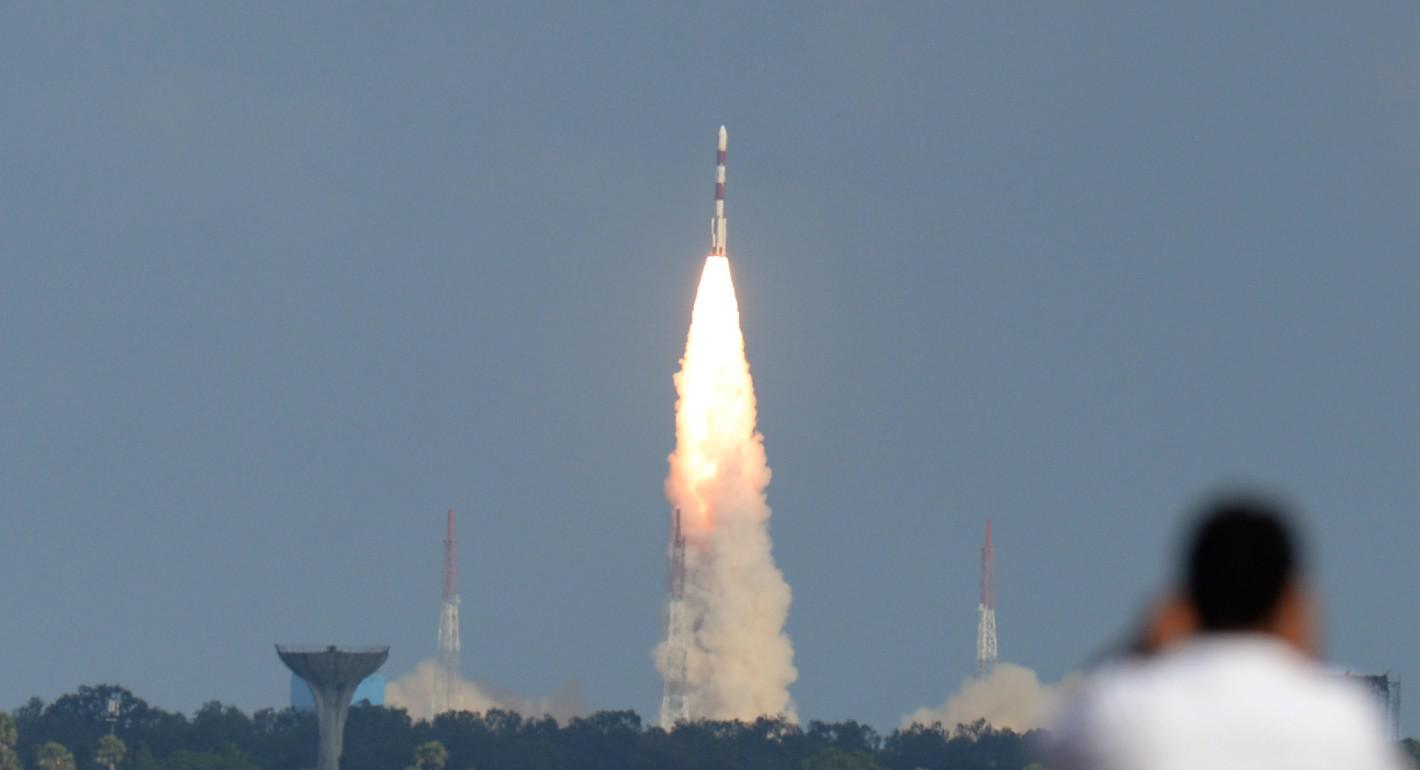
The war in Ukraine has demonstrated that India needs to establish a strong domestic space economy in order to weather geopolitical storms.

Konark Bhandari
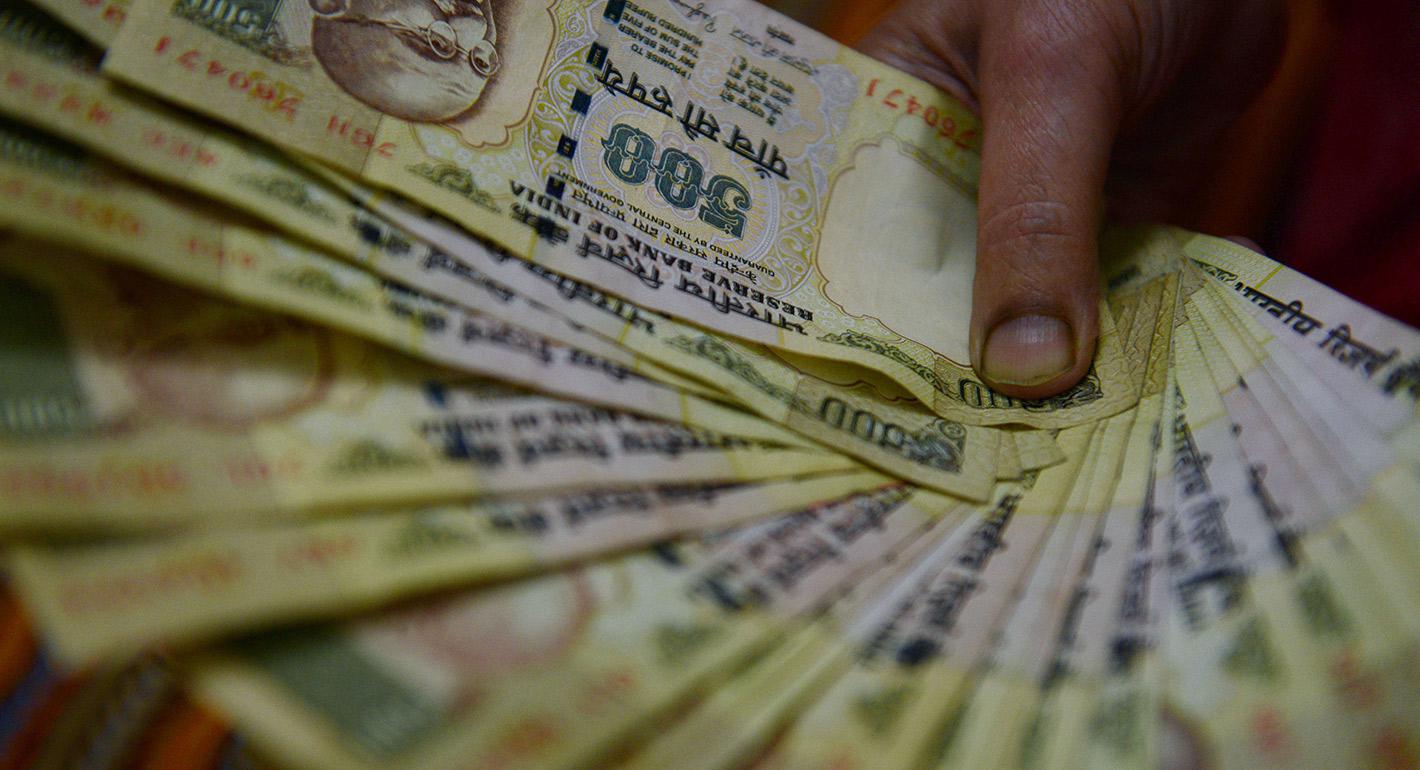
As India’s economy recovers from the coronavirus pandemic, Indian businesses need efficient financial structures to regain their ground. Key reforms to India’s Insolvency and Bankruptcy Code could fill these gaps.

Anirudh Burman
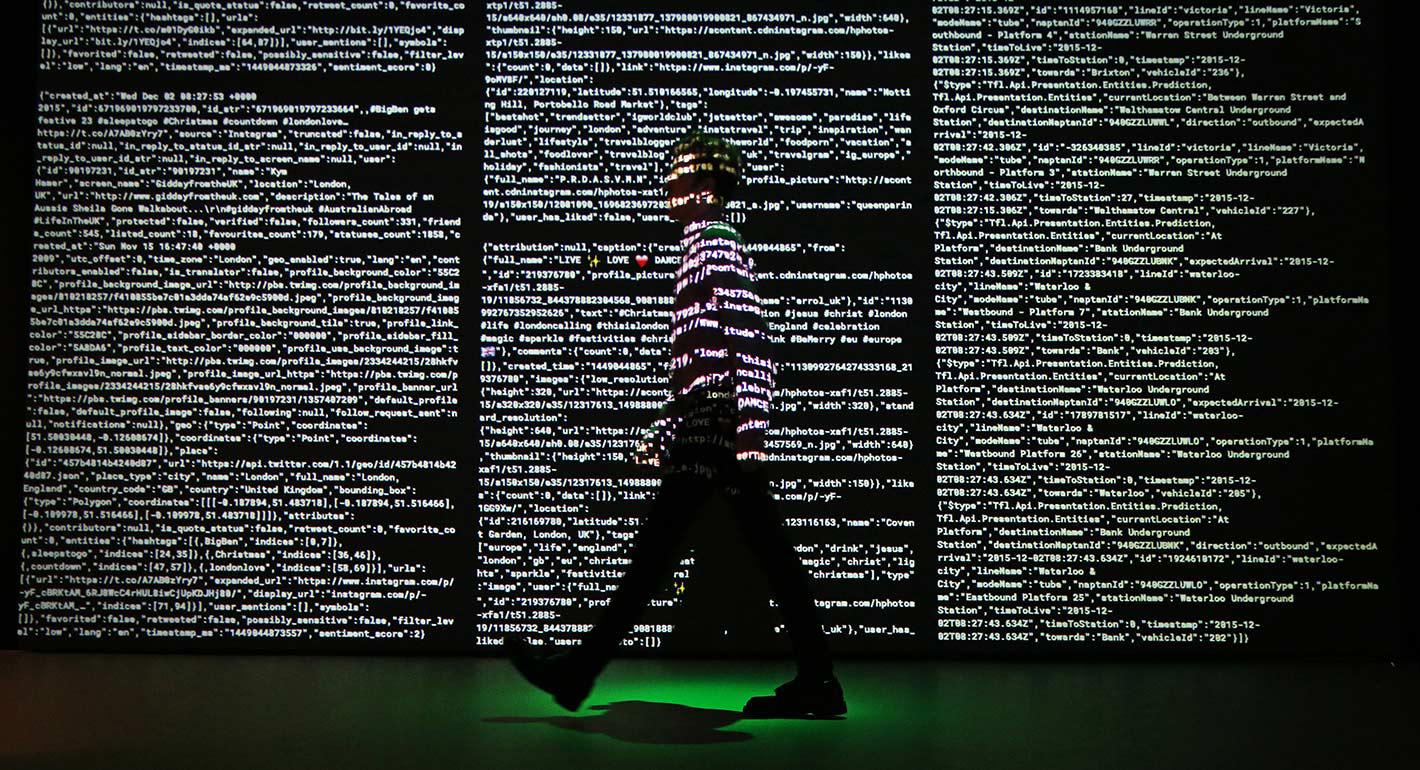
Access to cross-border data is an integral piece of the law enforcement puzzle. India is well placed to lead the discussions on international data agreements subject to undertaking necessary surveillance reforms.

Smriti Parsheera, Prateek Jha
After the coronavirus pandemic wanes, how will China’s reorientation of the Belt and Road Initiative to address global health concerns influence its relationships with South Asian countries?
Deep Pal, Rahul Bhatia
Early in the outbreak, government researchers forecast several high-risk scenarios that were downplayed or ignored in public messaging.
Gautam I. Menon