

In The Media
David Rothkopf
{
  "authors": [
    "David Rothkopf"
  ],
  "type": "legacyinthemedia",
  "centerAffiliationAll": "",
  "centers": [
    "Carnegie Endowment for International Peace"
  ],
  "collections": [],
  "englishNewsletterAll": "",
  "nonEnglishNewsletterAll": "",
  "primaryCenter": "Carnegie Endowment for International Peace",
  "programAffiliation": "",
  "programs": [],
  "projects": [],
  "regions": [
    "North America",
    "United States"
  ],
  "topics": [
    "Political Reform"
  ]
}
Source: Getty
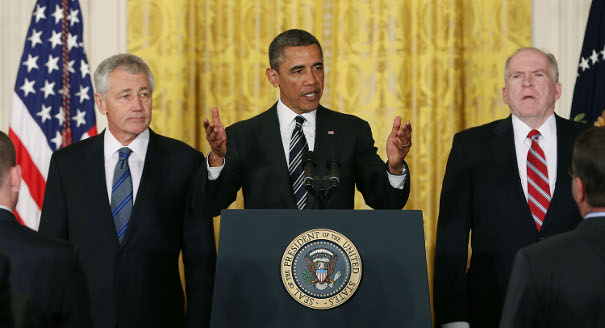
If Obama thinks that pushing out Hagel will be seen as the housecleaning that many have recommended for his spluttering national security process, he is likely to be very disappointed.
Source: CNN
Few will long lament the departure of Chuck Hagel as defense secretary. He was a weak choice for the job, seen as a comfortable one for President Barack Obama, a former senator he knew who was unlikely to ruffle feathers or be as challenging to work with as his stronger predecessors, Robert Gates or Leon Panetta. But if Obama thinks that pushing out Hagel will be seen as the housecleaning that many have recommended for his spluttering national security process, he is likely to be very disappointed.
In the first instance, of course, Hagel can't be seen as the source of the tensions and frequent miscommunication that have existed between the Defense Department and the White House. Nor can White House whispers suggesting that he wasn't up to the job, especially with the new threats posed by ISIS, make that case any more compelling. No one can accuse Gates or Panetta of not having been up to the job -- and the tensions with the White House existed with them as well. Don't take my word for it. Read their books.Yes, things have been coming to a head with Hagel for a while. There was reportedly a tough memo he wrote to national security adviser Susan Rice taking issue with the administration's handling of the crisis in Syria. The details have yet to be leaked, but apparently it caused a firestorm in the White House.
In addition, remarks by Hagel and senior military officials such as Gen. Martin Dempsey on how to fight ISIS have revealed gaps between the White House and Pentagon thinking that have frustrated officials close to Obama.
In fact, it is not passivity or weakness that some thought Hagel would bring to the job that have caused his downfall. Rather it was in part caused by his toughness and refusal to be just one more comfortable insider from the Senate club that is all Obama knew of Washington before he took office as President.
Indeed, the real problem that brought down Hagel had little to do with Hagel at all. It had to do with the fact that since Rice took over as national security adviser, the Obama administration has been buffeted by a stunning series of foreign policy missteps and challenges that have shaken confidence in the President at home and abroad.
These include growing chaos in the wake of the intervention in Libya, the consequences of pulling out too quickly in Iraq, compounded by the consequences of failing to take effective action of any sort in Syria, the resultant rise of ISIS, the mishandling of the National Security Agency revelations in ways that alienated our allies, the weak response to the Crimean adventure of Vladimir Putin and a host of related problems.
None of these can be traced to Hagel. Rather they are linked to a broken national security process, a President who has become reactive -- not proactive -- and defensive, who is more tactical than strategic and who, unlike past presidents serving a second term, has shown a resistance to growing in office as a statesman.
In past presidencies, from George W. Bush to Clinton to Reagan, such growth has been accompanied by changing up their national security teams. Many have urged Obama to oversee such a shake-up.
Hagel, who assumed his post shortly after the start of Obama's second term, was a sop to these critics. Easy to dismiss, not very popular and a weak advocate for the administration.
Removing him will be unsettling to those in the Pentagon who realize he is being let go for advocating their views as well as to those throughout the administration who will worry whether getting rid of him will be seen as enough. The real changes needed are at a high level in the White House, in the team immediately around the President advising him on national security.
Unless those changes happen, view the Hagel move as a distraction, as an effort to create the illusion of change where a shake-up is needed.
Former Visiting Scholar
David Rothkopf was a visiting scholar at the Carnegie Endowment as well as the former CEO and editor in chief of the FP Group.
Recent Work
David Rothkopf
David Rothkopf
Carnegie India does not take institutional positions on public policy issues; the views represented herein are those of the author(s) and do not necessarily reflect the views of Carnegie, its staff, or its trustees.

The U.S.–India semiconductor cooperation story is well-stocked with top-level strategic intent. What remains unresolved, however, are some underlying challenges that will determine whether the cooperation actually functions. Three such friction points stand out.

Shruti Mittal

India and the United States are close to concluding a Reciprocal Defense Procurement Agreement (RDPA) that will allow firms from the two countries to sell to each other’s defense establishments more easily. While this may not remedy the specific grievances both sides may have regarding larger bilateral issues, an RDPA could restore some momentum, following the trade deal announcement.

Konark Bhandari
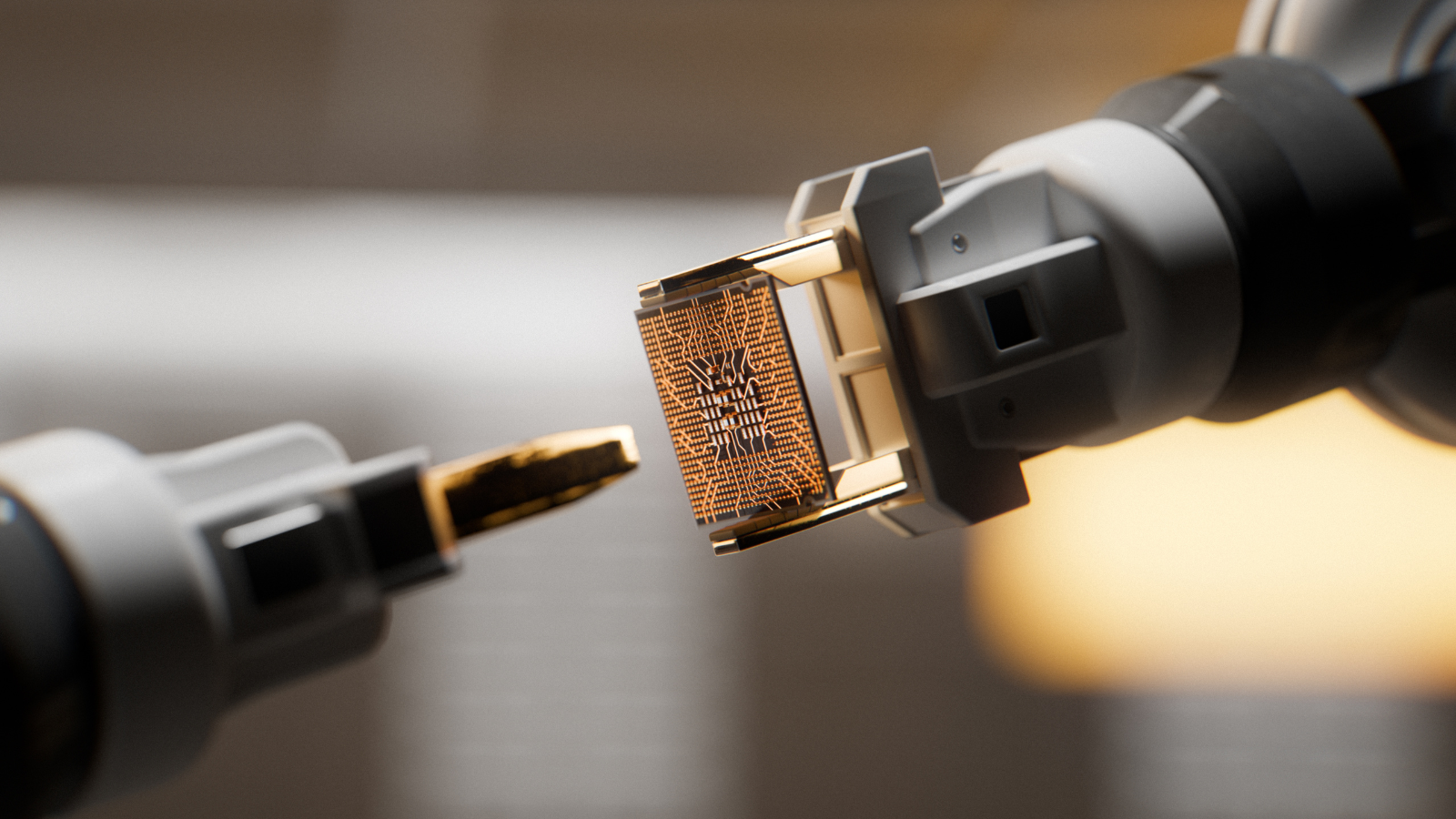
On the last day of the India AI Impact Summit, India signed Pax Silica, a U.S.-led declaration seemingly focused on semiconductors. While India’s accession to the same was not entirely unforeseen, becoming a signatory nation this quickly was not on the cards either.
Konark Bhandari

This piece examines India’s response to U.S. sanctions and tariffs, specifically assessing the immediate market consequences, such as alterations in import costs, and the broader strategic implications for India’s energy security and foreign policy orientation.

Vrinda Sahai
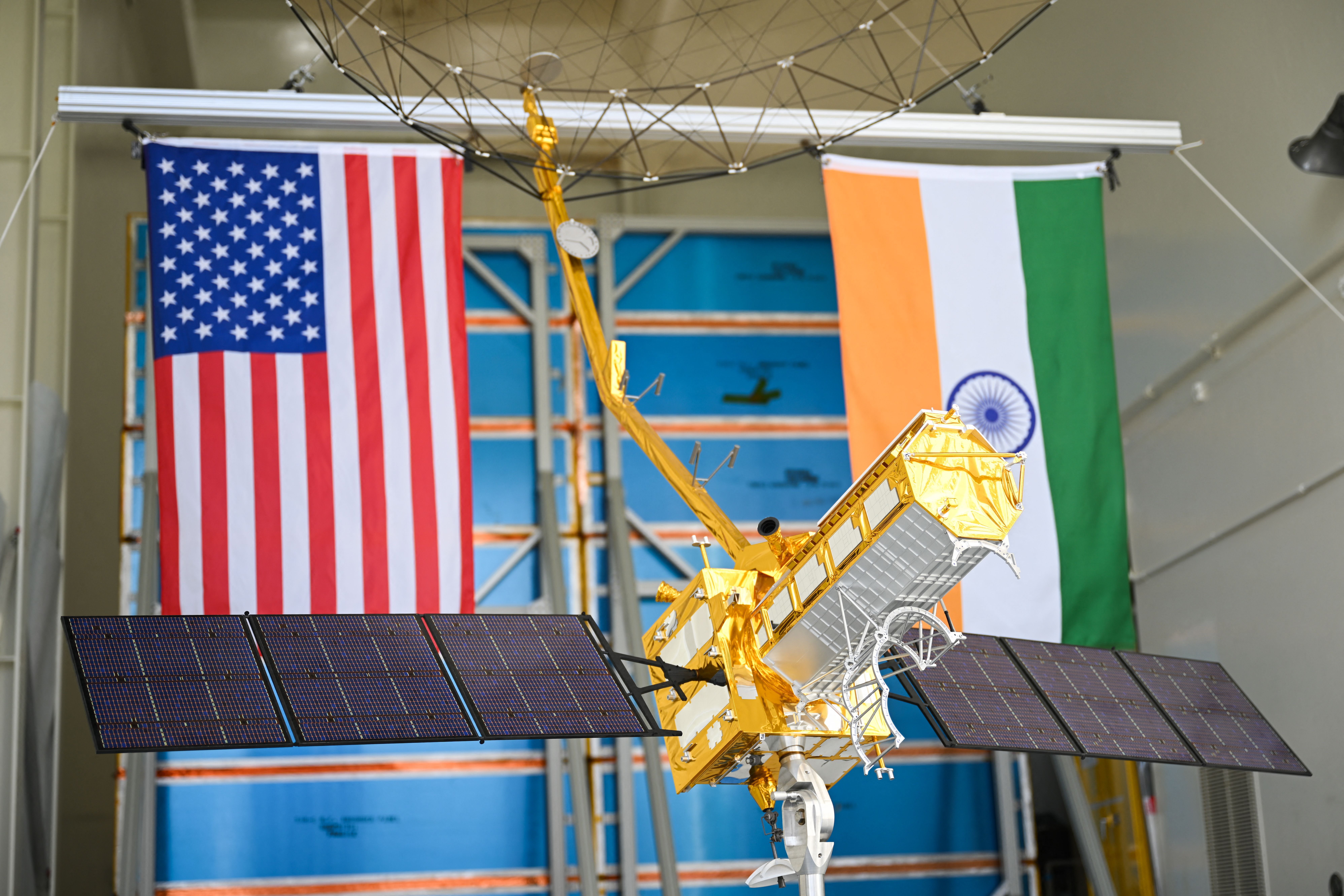
On July 30, 2025, the United States announced 25 percent tariffs on Indian goods. While diplomatic tensions simmered on the trade front, a cosmic calm prevailed at the Sriharikota launch range. Officials from NASA and ISRO were preparing to launch an engineering marvel into space—the NASA-ISRO Synthetic Aperture Radar (NISAR), marking a significant milestone in the India-U.S. bilateral partnership.

Tejas Bharadwaj