

Research
- +5
Alper Coşkun, Fatih Ceylan, Tacan İldem, …
{
  "authors": [
    "Sinan Ülgen"
  ],
  "type": "legacyinthemedia",
  "centerAffiliationAll": "dc",
  "centers": [
    "Carnegie Endowment for International Peace",
    "Carnegie Europe",
    "Malcolm H. Kerr Carnegie Middle East Center"
  ],
  "collections": [
    "Turkey’s Transformation"
  ],
  "englishNewsletterAll": "ctw",
  "nonEnglishNewsletterAll": "",
  "primaryCenter": "Carnegie Europe",
  "programAffiliation": "EP",
  "programs": [
    "Europe"
  ],
  "projects": [],
  "regions": [
    "Europe",
    "Türkiye",
    "Iran"
  ],
  "topics": [
    "Political Reform"
  ]
}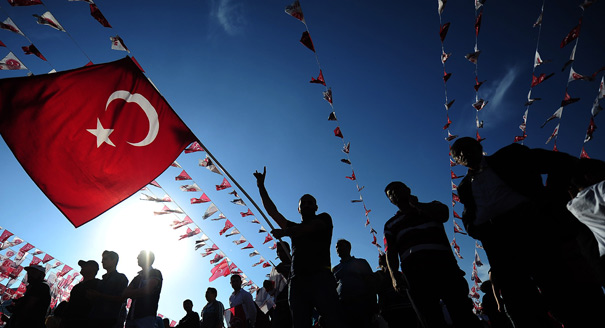
Source: Getty
Turkish elections have been boring since the AKP came to power in 2002. But this year’s vote is different: the outcome is unpredictable, and the stakes could hardly be higher.
Source: Project Syndicate
In very few democracies could such a small shift in votes lead to outcomes as different as the ones that could result from Turkey’s general election on June 7. A swing of less than 1% of the national vote could decide whether the ruling Justice and Development Party (AKP) is forced to form a coalition government – Turkey’s first after 13 years of single-party rule – leaving it unable to fulfill President Recep Tayyip Erdoğan’s longstanding desire to strengthen the presidency.
Turkish elections have been boring affairs since the AKP came to power in 2002. The party’s results have been all but preordained: landslide victories and majority governments. This year, however, the outlook is different: the results are far from certain, and the stakes could hardly be higher. Riding on the outcome is not only Erdoğan’s political future, but also the potential for a long-term settlement with the country’s Kurds and the long-term soundness of Turkish democracy itself.
The uncertainty this time around is attributable to the predominantly Kurdish Peoples’ Democratic Party (HDP). Kurdish political parties shied away from contesting past elections, owing to their fear of failing to clear the 10% popular-vote threshold needed to enter the parliament. Instead, Kurdish politicians would run as independent candidates, who are not subject to the threshold. Once safely in office, they would reunite under the banner of a party.This year, however, the Kurdish political movement has decided to field its candidates as members of a single party. This electoral strategy, though risky, could yield large rewards, with the outcome holding significant implications for the party’s immediate fortune – as well as for Turkey’s long-term prospects.
The HDP’s failure to clear the 10% threshold would open the way for an overhaul of the country’s political system. With the Kurds and their candidates excluded from the parliament, the AKP would have to do only slightly better than polls are predicting to maintain its political dominance. If the party is able to secure more than 45% of the national vote, the quirks in Turkey’s electoral law will give it more than 330 representatives in the country’s 550-seat legislature.
Such a result would give Erdoğan the power to put in place the presidential system of governance that he has long sought. The AKP’s parliamentary majority would allow the party to draft a new constitution unilaterally and put it to a referendum within a year. At the same time, the country’s southeastern regions could become vulnerable to civil unrest, as the Kurdish movement – faced with a total lack of national political representation during a time of institutional transition – agitates for greater local autonomy.
If, on the other hand the HDP can reach the 10% threshold, its fortunes – and Erdoğan’s – will swing in the other direction. The party’s candidates would command a sizable minority delegation in parliament, and the AKP would likely become the senior partner of a coalition government. Far from securing a dominant position, Prime Minister Ahmet Davutoğlu would be forced to choose between aligning his party with the HDP or the conservative Nationalist Movement Party (MHP). A grand coalition with the main opposition party, the center-left Republican People’s Party (CHP), though theoretically possible, is not congruous with Turkey’s political culture.
Such a result would empower the executive, headed by Davutoğlu, to the detriment of the presidency. With the possibility that Erdoğan could become an executive president no longer realistic, his power would quickly begin to wane. Even assuming that the AKP remained the country’s largest party, the balance of power in Turkish politics would start to turn against him.
In liberal democracies, national elections are intended to provide the winning side with a popular mandate to govern and to set policy priorities until the next election. Only rarely do they hold implications that will last longer than a single electoral cycle. But that is the case today in Turkey, where the outcome of the upcoming popular vote is likely to determine the rules of political life for years to come. The HDP is currently polling at around 10%. A little nudge in either direction could make all the difference in the world.

Senior Fellow, Carnegie Europe
Sinan Ülgen is a senior fellow at Carnegie Europe in Brussels, where his research focuses on Turkish foreign policy, transatlantic relations, international trade, economic security, and digital policy.
Recent Work

Alper Coşkun, Fatih Ceylan, Tacan İldem, …
Carnegie India does not take institutional positions on public policy issues; the views represented herein are those of the author(s) and do not necessarily reflect the views of Carnegie, its staff, or its trustees.
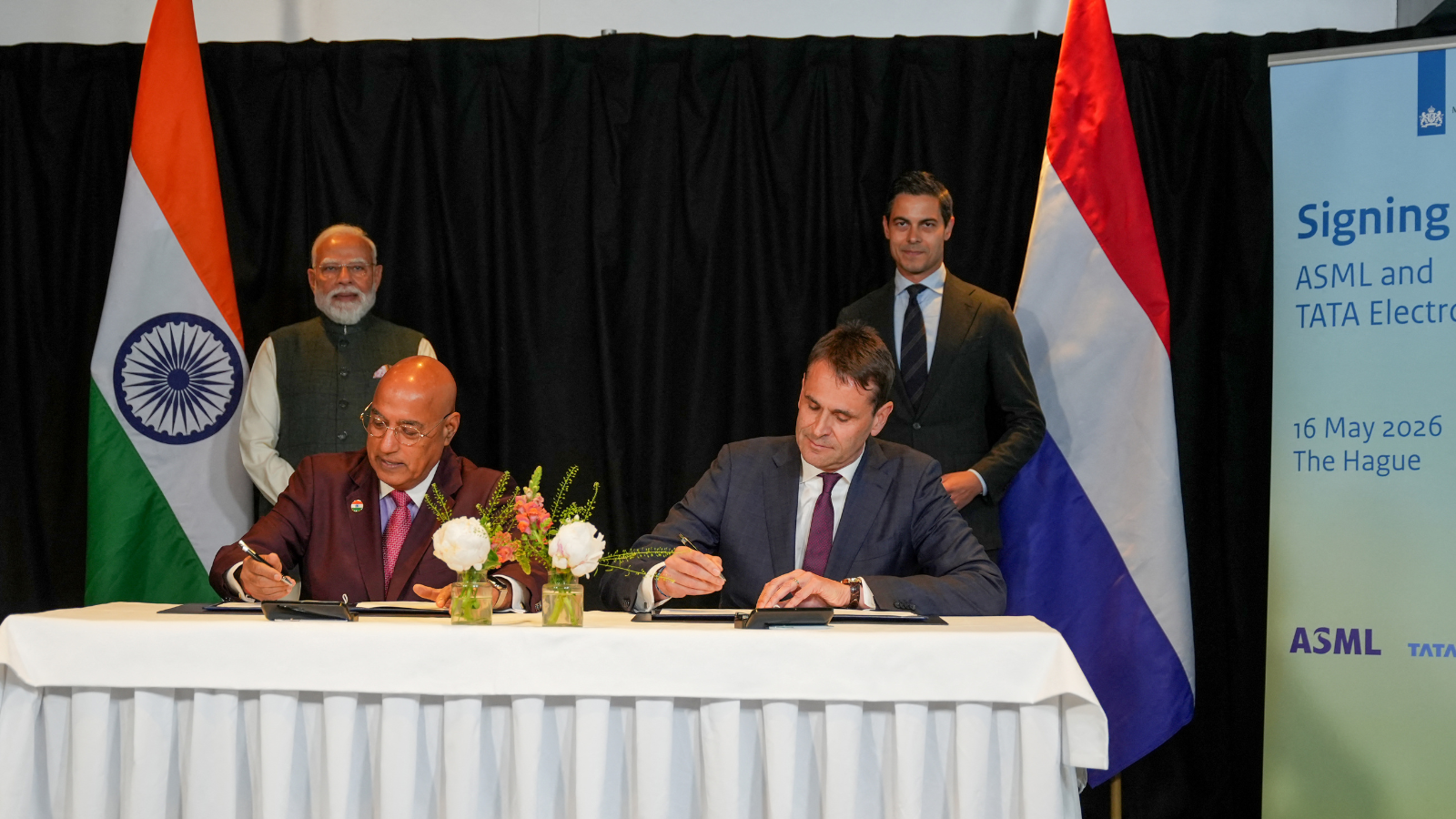
The ASML MoU with Tata Electronics is an indicator of how far the Indian semiconductor ecosystem has come. This ecosystem has been years in the making and represents real commercial logic.

Konark Bhandari

The India–EU Free Trade Agreement (FTA) is shaping up to be one of the most consequential trade negotiations, both economically and strategically. But, what’s in the agreement, what’s missing, and what will determine its success in the years ahead

Vrinda Sahai, Nicolas Köhler-Suzuki
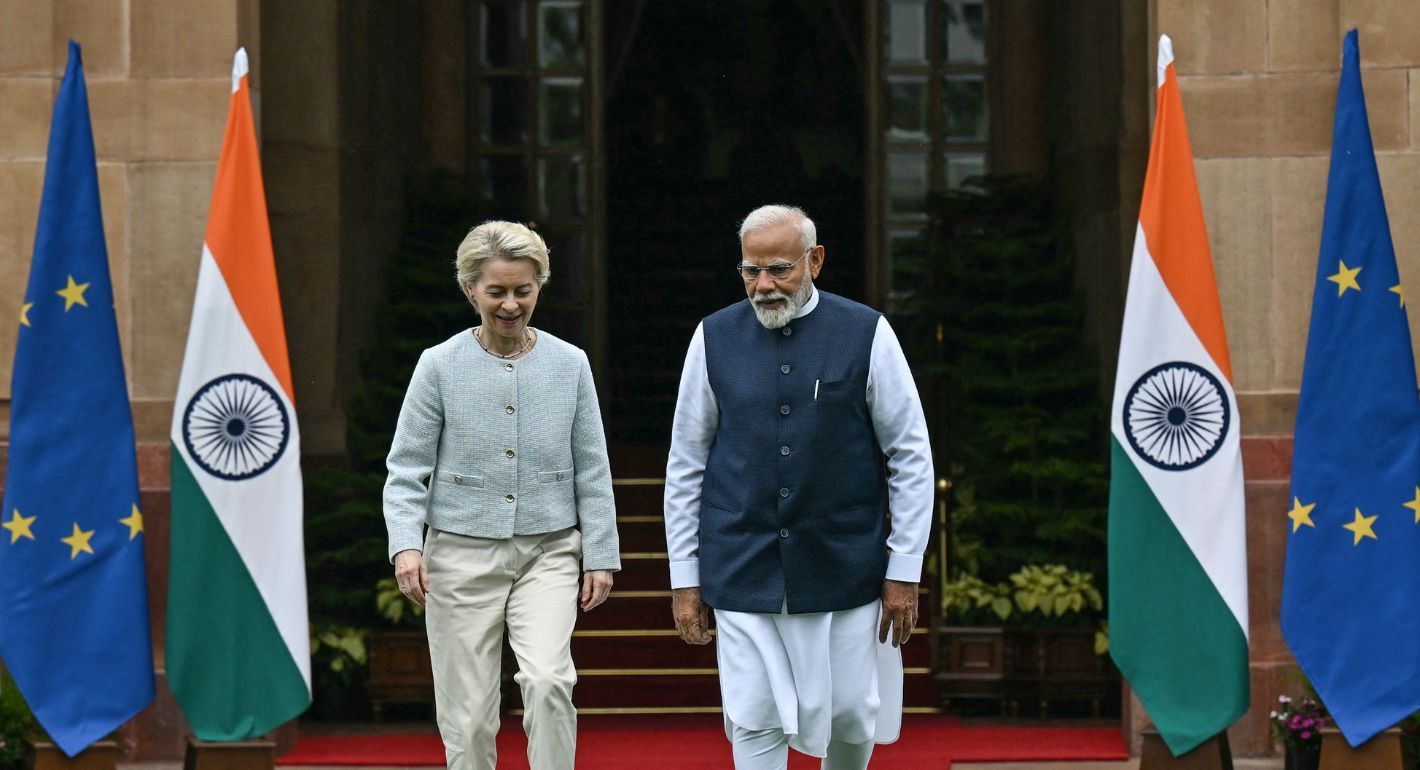
This article argues that the geopolitical circumstances have never been more conducive, not merely for the early conclusion of the free trade agreement (FTA) between India and the EU, but also for crafting a substantive and comprehensive strategic partnership.
Mohan Kumar
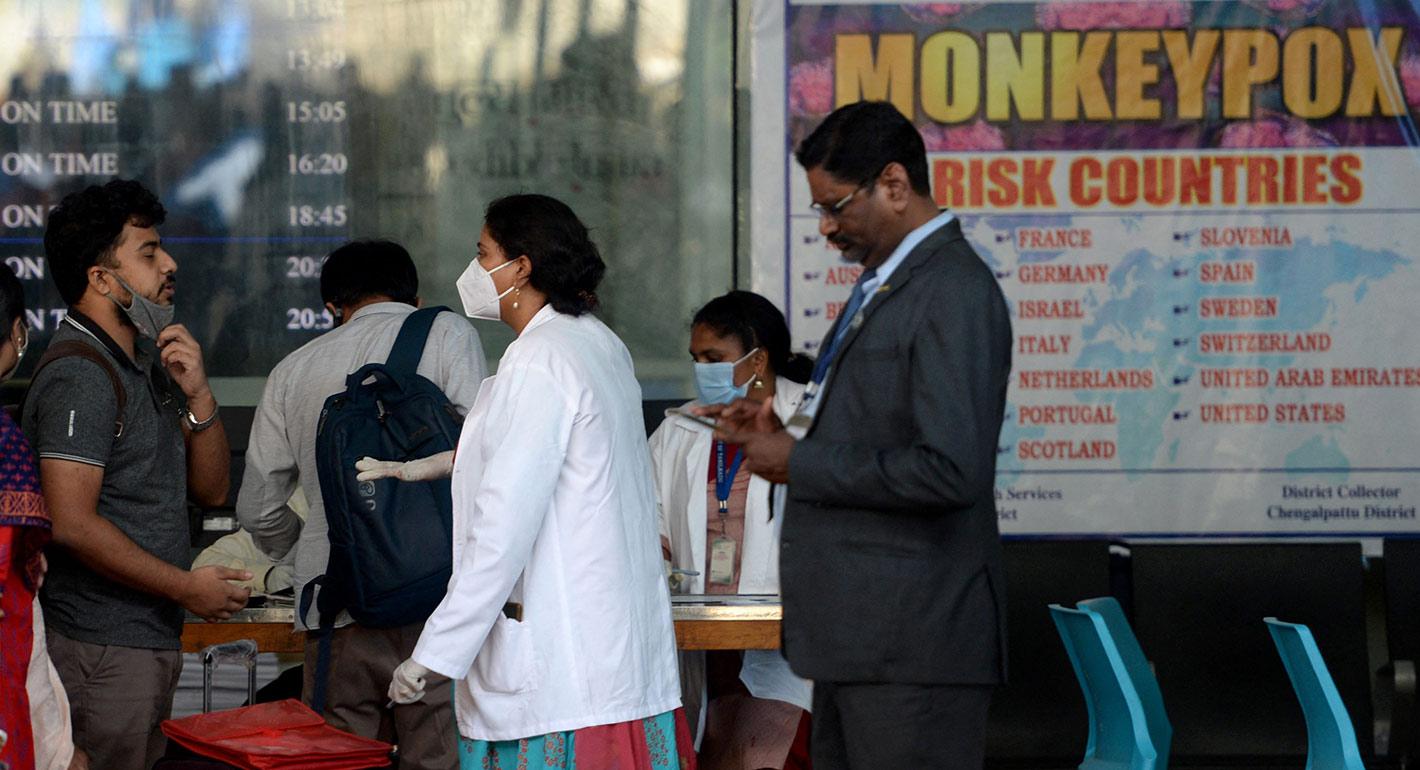
With monkeypox being declared a global health emergency, the WHO approach is an innovative and effective way to curb outbreaks of zoonotic diseases.

Shruti Sharma
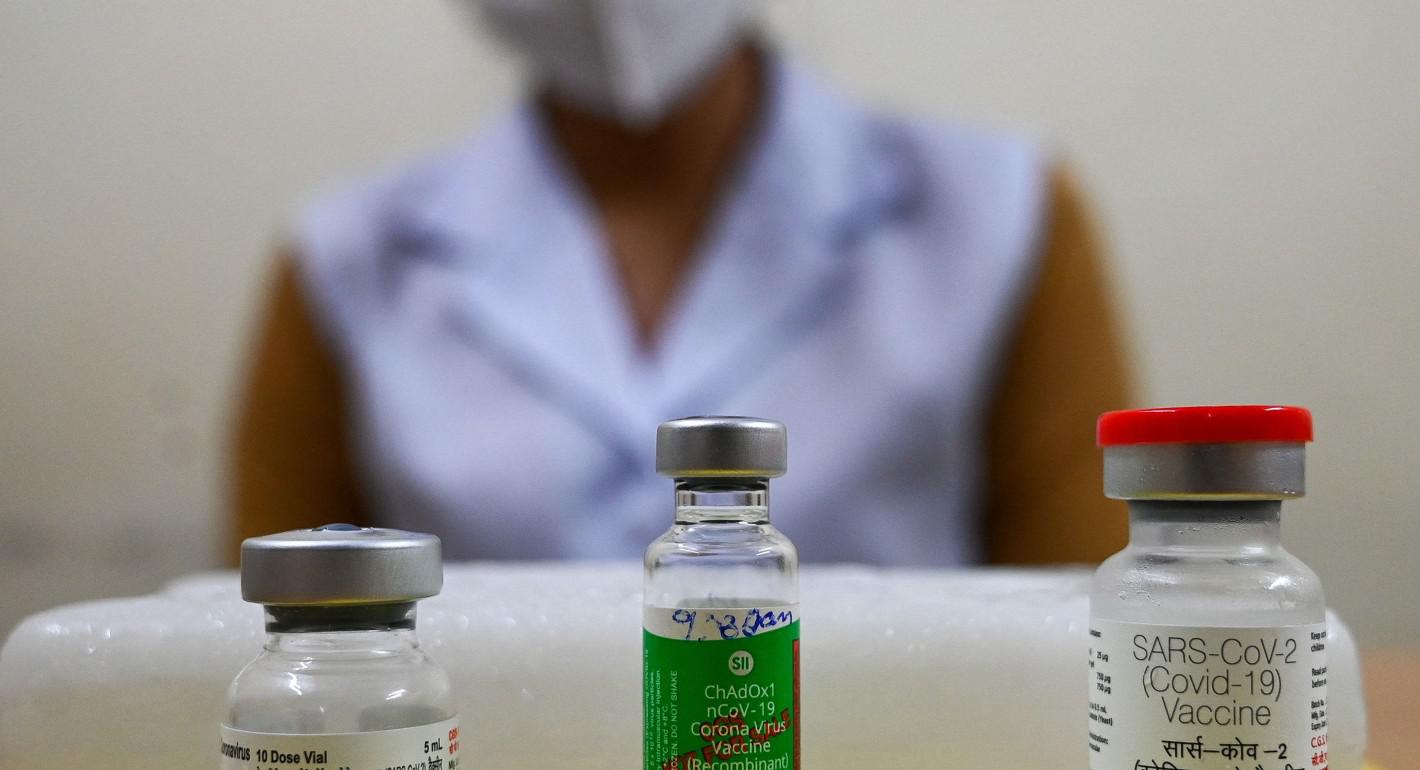
In India, biotechnology has played an important role in helping stakeholders in academia, industry, and government develop new pandemic-related technology, from test kits to respiratory devices. But these biotechnology advancements can go further to strengthen India’s public health capacity.
Shruti Sharma