

Article
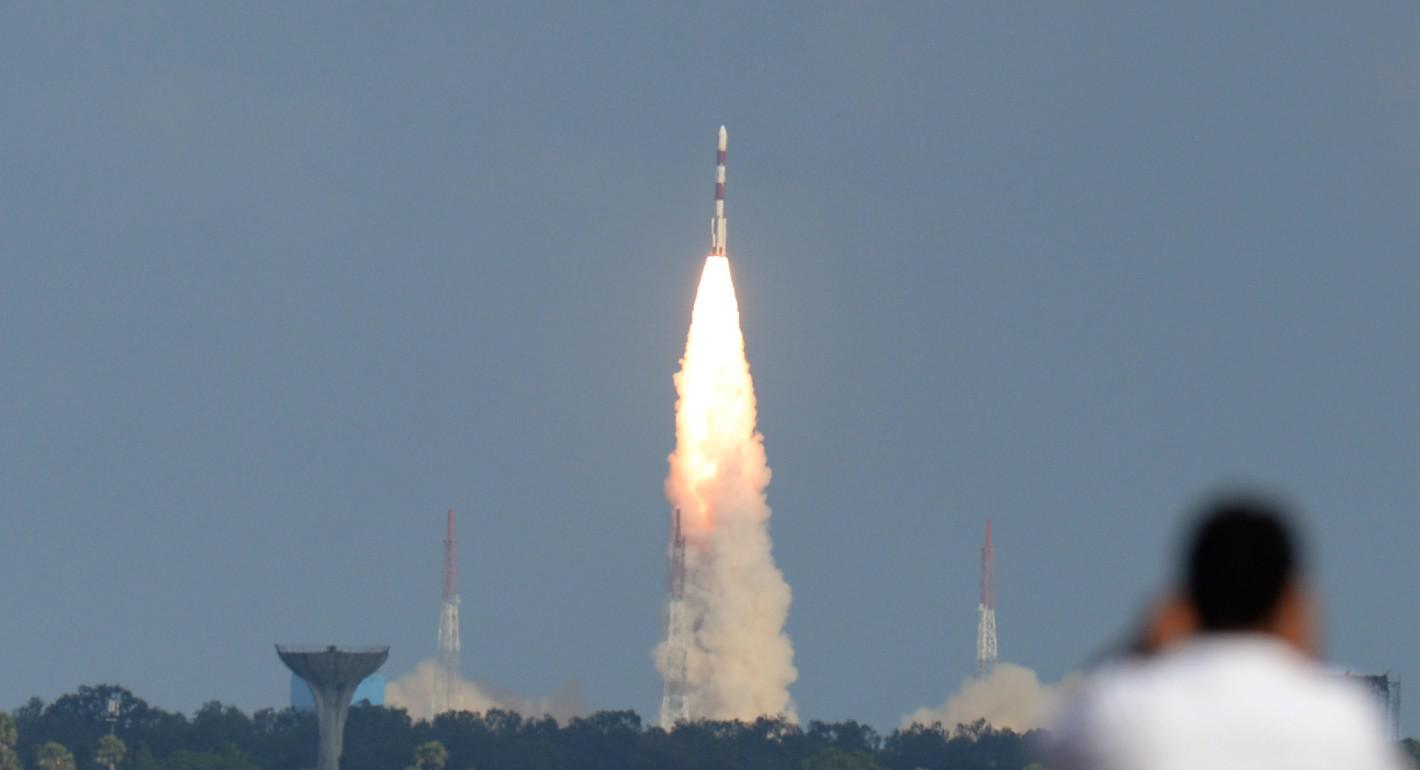
The war in Ukraine has demonstrated that India needs to establish a strong domestic space economy in order to weather geopolitical storms.
Konark Bhandari
{
  "authors": [
    "Oleksandr Holubov"
  ],
  "type": "commentary",
  "centerAffiliationAll": "",
  "centers": [
    "Carnegie Endowment for International Peace",
    "Carnegie Russia Eurasia Center"
  ],
  "collections": [],
  "englishNewsletterAll": "",
  "nonEnglishNewsletterAll": "",
  "primaryCenter": "Carnegie Russia Eurasia Center",
  "programAffiliation": "",
  "programs": [],
  "projects": [
    "Eurasia in Transition"
  ],
  "regions": [
    "Eastern Europe",
    "Ukraine"
  ],
  "topics": [
    "Political Reform"
  ]
}
Source: Getty
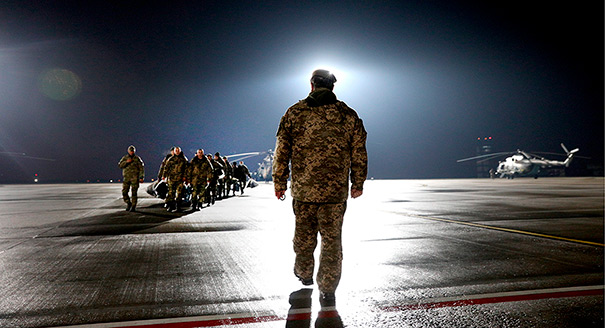
The merger of President Poroshenko’s party with the UDAR party of Kiev mayor Vitali Klitschko is another step in the consolidation of power by the Ukrainian leader. Arseniy Yatsenyuk’s People’s Front may be the next in line for absorption. But recent Ukrainian history shows that these big united parties have all ended in failure.
Ukraine is on its way to having a new "party of power."
Last Friday saw the last hurrah of the independent political career of the mayor of Kiev, Vitali Klitschko. The UDAR party, which he led, merged with the political forces of Ukrainian President Petro Poroshenko to form a new party named UDAR-Solidarity.
This is not an alliance between two equal partners, but a full subordination by UDAR to the president's "power vertical." To preserve appearances, Klitschko was elected head of the new political alliance. But, as Poroshenko and people close to him dominate both the executive branch of the Ukrainian government and public opinion surveys, Klitschko's role will inevitably be reduced to a minimum.
Despite opposition from several regional UDAR cells, Klitschko's fellow party members had no alternative but to agree to the merger. With the next local elections imminent in October, the party's poll rating had sunk to almost zero. Solidarity and UDAR joined forces in last year's parliamentary election, and were already perceived as a single political force. Their union is simply a formalization of the existing status quo.
UDAR's leaders must now hope to obtain the greatest possible representation for themselves on electoral lists but the electoral lists will be evenly divided only in a few regions, such as Kiev, Lviv, Poltava, and Zakarpattia. In most of the country 70 percent of the lists will be filled by Poroshenko's supporters. For Klitschko himself the priority is to be reelected as mayor of Kiev--something for which he has evidently received a promise of assistance from the president.
As for Poroshenko himself, he will gain control of UDAR's party structures, which proved to be relatively effective during the 2012 parliamentary election. For the president's Solidarity party, which is still almost a virtual structure, this is a valuable acquisition ahead of the local elections.
There has also been speculation in the media in recent weeks about a possible merger between the president's party and the Popular Front of prime minister Arseniy Yatsenyuk. and an ad hoc alliance in local elections, in which Popular Front candidates will run on the same ticket as Solidarity and UDAR.
The People's Front's electoral prospects are just as dim as those of Klitschko's party. After a triumphal result in the Rada elections, it has lost almost all its support, and its poll rating is now below the threshold needed to win seats in parliament. In these circumstances, it would be a disaster to take part independently in the local elections.
The president sees this as a chance to acquire control over another party organization. Journalists saythat one of the main backers of a merger is Popular Front member Oleksandr Turchynov, secretary of the National Security and Defense Council, who would have no objection to serving as prime minister instead of Yatsenyuk. But some in the party say that some of the speculation in the media is a part of an orchestrated campaign to bring about a merger and that they will go no further than joint participation in the elections.
The reality is that the Popular Front is essentially in the same position as UDAR was one year ago. Political circumstances are forcing the president and the prime minister to negotiate and the contrasting trends in their parties' popularity suggests that this engagement will probably end up with a merger, as with UDAR.
Currently, Solidarity and the Popular Front members hold the key positions in the Ukrainian government and form the core of the ruling coalition. To be able to pass legislation independently, they need only a few dozen more votes, which they can obtain fairly easily with the help of nonaffiliated deputies or one of the three parties that are junior partners in the coalition.
This means that if Poroshenko succeeds in winning control over both UDAR and the Popular Front in his hands, he will be able to form a classical "party of power" of the post-Soviet type. The party should possess sufficient "administrative resources" to secure victory for itself in the next election and be able to attract everyone who has got close to the centers of power where decisions are made and budgetary resources are allocated.
Ukrainian history has plenty of examples of how parties or coalitions of this type have formed around politicians who were dominant at a particular moment. The "For a United Ukraine" party in the time of Leonid Kuchma and Viktor Yanukovych's Party of the Regions are probably the most notorious examples, but Viktor Yushchenko's supposedly more democratic Our Ukraine and Yulia Tymoshenko's Batkivshchyna exhibited similar behavior.
In each case, a party which promised maximum access to the distribution of resources became attractive for ad hoc coalitions of political players with often conflicting interests. But every time, those conflicting interests, accompanied by declining popularity, eventually led either to electoral defeats or to mass unrest and the loss of power.
This new Ukrainian party of power is again an alliance of short-term interests, rather than of ideas or even the strategic plans of key politicians--and can therefore expect to meet the same fate. The junior partners in the ruling coalition—Lviv mayor Andriy Sadovyi's Samopomich and Yulia Tymoshenko's Batkivshchyna-- are both trying to distance themselves as much as possible from the president and occasionally criticize him harshly. Both parties are also growing in popularity, which suggests that the new party of power may crumble even before it has properly formed.
Oleksandr Holubov is a Ukrainian journalist and economic commentator with Deutsche Welle.
Oleksandr Holubov
Carnegie India does not take institutional positions on public policy issues; the views represented herein are those of the author(s) and do not necessarily reflect the views of Carnegie, its staff, or its trustees.
The war in Ukraine has demonstrated that India needs to establish a strong domestic space economy in order to weather geopolitical storms.

Konark Bhandari

As India’s economy recovers from the coronavirus pandemic, Indian businesses need efficient financial structures to regain their ground. Key reforms to India’s Insolvency and Bankruptcy Code could fill these gaps.

Anirudh Burman
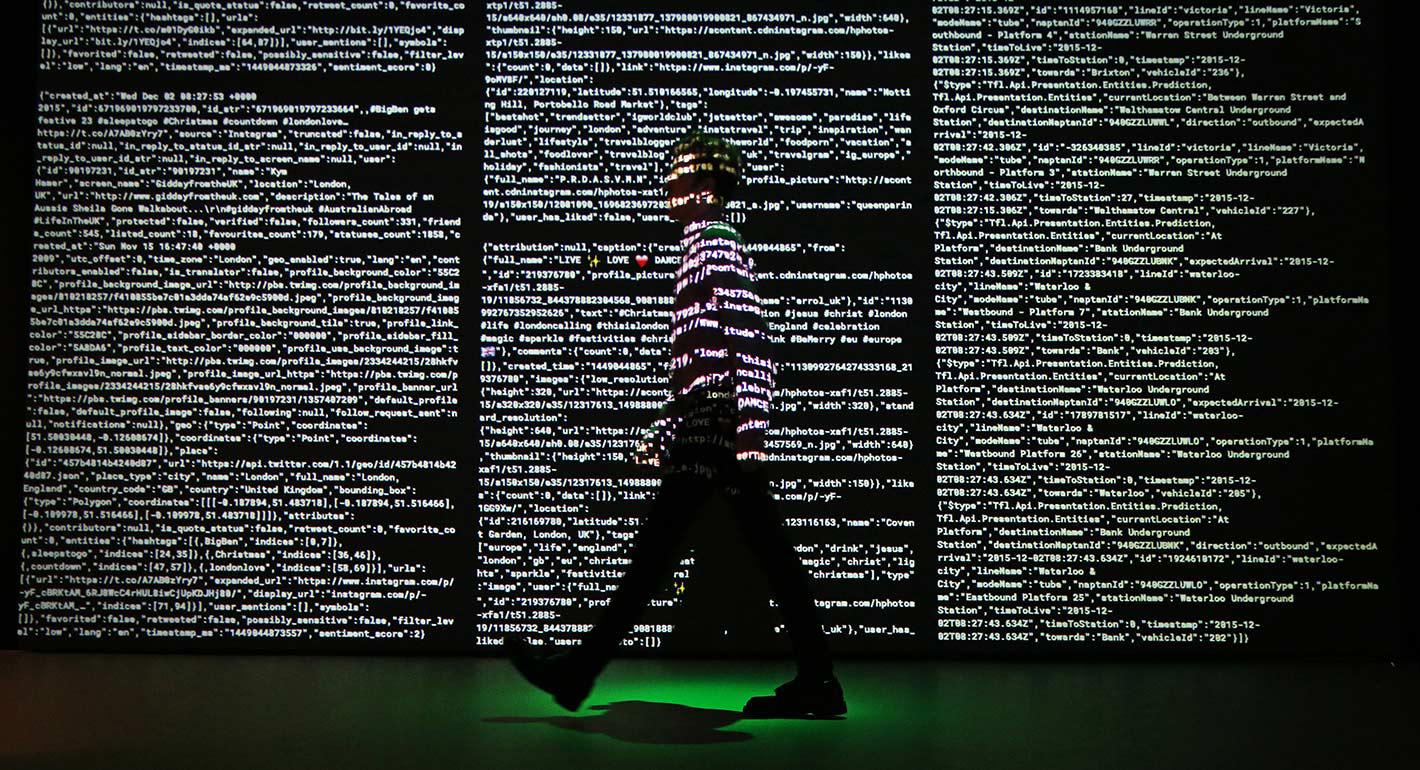
Access to cross-border data is an integral piece of the law enforcement puzzle. India is well placed to lead the discussions on international data agreements subject to undertaking necessary surveillance reforms.
Smriti Parsheera, Prateek Jha
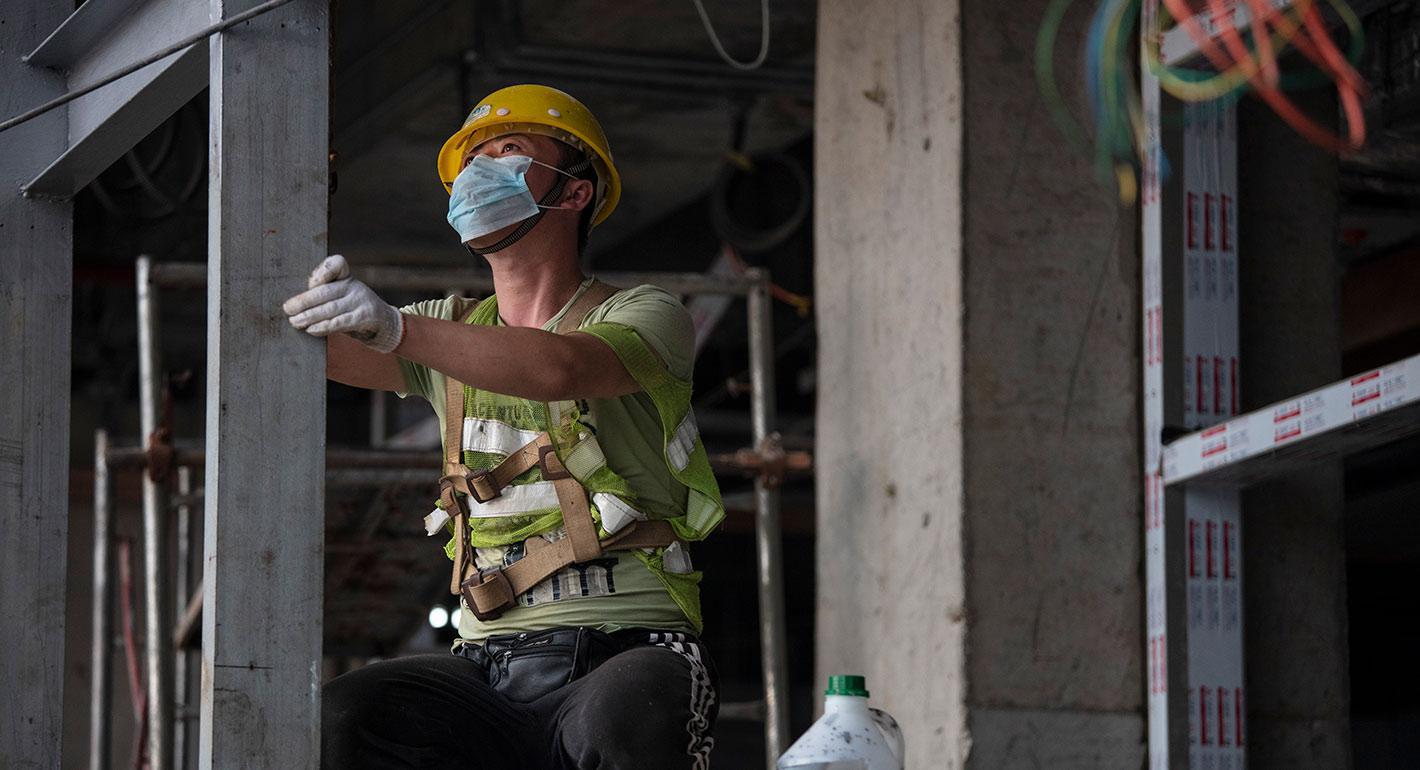
After the coronavirus pandemic wanes, how will China’s reorientation of the Belt and Road Initiative to address global health concerns influence its relationships with South Asian countries?
Deep Pal, Rahul Bhatia
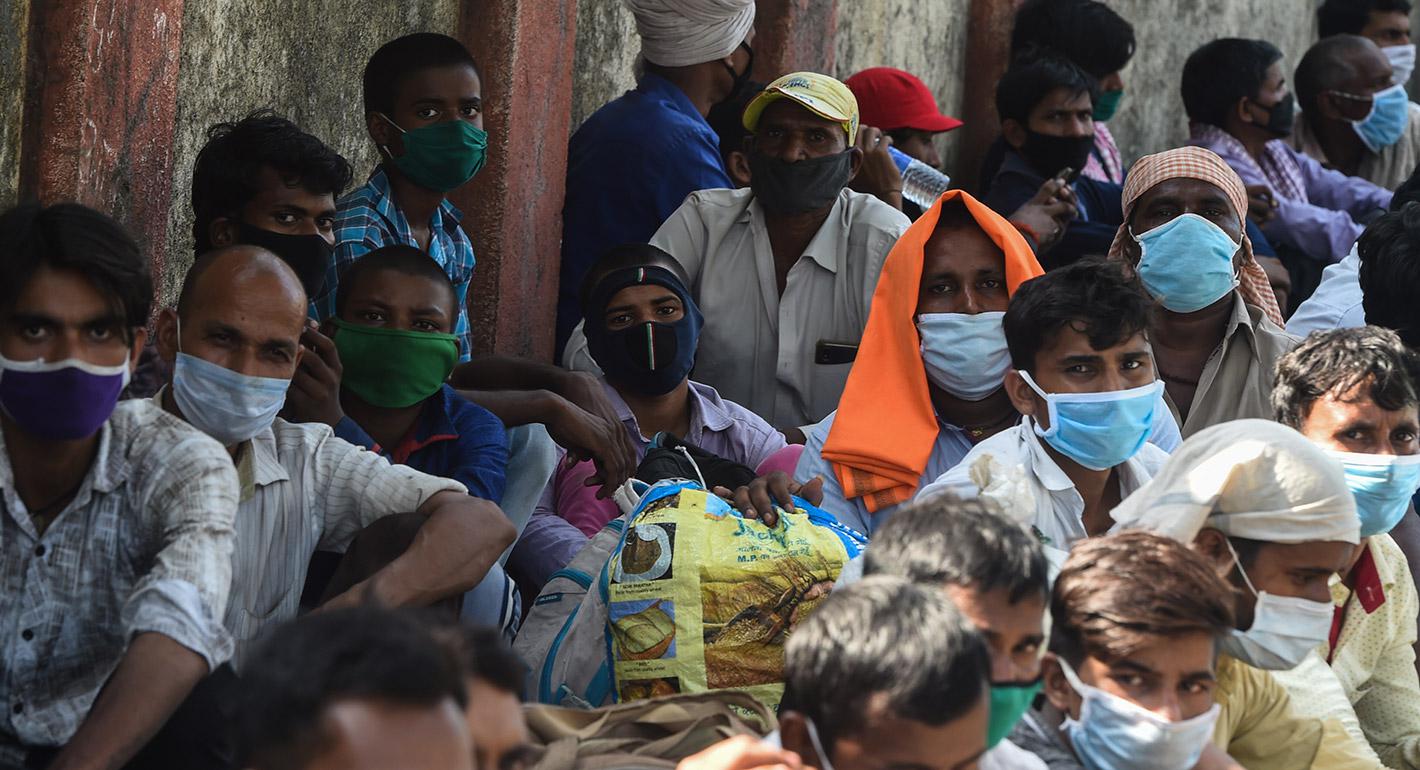
Early in the outbreak, government researchers forecast several high-risk scenarios that were downplayed or ignored in public messaging.
Gautam I. Menon