

Article
This piece argues that India’s central challenge is not managing a single flashpoint but resolving the underlying tension between expansion and institutional coherency of the BRICS grouping.
Vrinda Sahai
{
  "authors": [
    "Konstantin Milchin"
  ],
  "type": "commentary",
  "centerAffiliationAll": "",
  "centers": [
    "Carnegie Endowment for International Peace",
    "Carnegie Russia Eurasia Center"
  ],
  "collections": [],
  "englishNewsletterAll": "",
  "nonEnglishNewsletterAll": "",
  "primaryCenter": "Carnegie Russia Eurasia Center",
  "programAffiliation": "",
  "programs": [],
  "projects": [],
  "regions": [
    "Russia",
    "Eastern Europe",
    "Belarus"
  ],
  "topics": []
}
Source: Getty
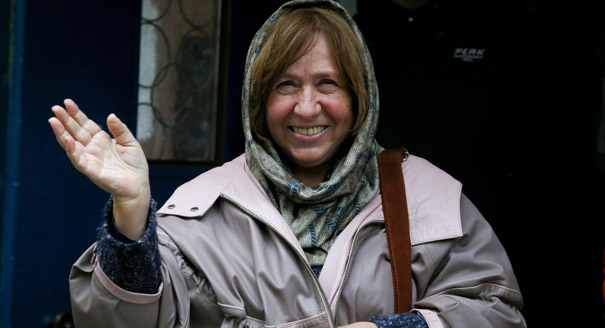
The award of the world's most prestigious literary prize to Svetlana Alexievich is a seal of approval for her genre of polyphonic non-fiction and her insights into the catastrophes of the Soviet era.
Many people have taken the award of this year’s Nobel Prize in Literature to Belarusian writer Svetlana Alexievich as a comment on present-day politics, but it is actually a tribute to a writer with a profound understanding of the Soviet past.
Since the author is known for her criticism of both Belarusian leader Alexander Lukashenko and Russian president Putin, many have seen the decision as politically motivated.
Several journalists have linked the timing of the award last week to the recent events in Ukraine and even to Sunday's elections in Belarus, which saw Lukashenko returned, virtually unopposed, to an unprecedented fifth term as president. (Already there have been jokes that as Alexievich's one-million-dollar prize money is worth almost 20 billion Belarusian rubles, the Belarusian authorities are begging her for some of the money to support the ailing economy).
This is a misconception. The Nobel Committee does not award the prize for political statements and views on the issues of the day-- it is not enough to say “Putin is bad, and Crimea is theirs.”
The overwhelming majority of writers oppose all political regimes, including the most democratic ones, in some shape or form. Any creative work strives for some change of the existing system, otherwise the author is simply an entertainer, which doesn’t get him on the radar of any prize selection committee.
Another misconception is that, like the Booker Prize, the Nobel award is awarded on the basis of a single book (Boris Pasternak's Dr Zhivago being an exception.) Rather, it recognizes an entire literary life and a commitment to certain artistic or humanist ideals.
In this sense Alexievich's Literature Prize is no different from the Nobel Prizes in Chemistry, Physics, and Medicine, which have long recognized past achievements. A scientist might be working on something entirely different when the award catches up with them. So why do we think it should be any different in literature?
Where Alexievich is unusual is that she is not a writer of fiction in the classical sense. The prize committee said she was honored “for her polyphonic writings, a monument to suffering and courage in our time.”
“Polyphony”, the use of multiple voices, is the central device that Alexievich has employed ever since she published her first books 30 years ago. Her genre is a sort of a literary installation in which she makes the time and era speak through eyewitnesses. The author selects her subjects, arranges them in a particular order, and a literary work is born.
The Nobel Prize is an important seal of approval for the genre Alexievich represents, declaring that documentary prose has proven its right to be called real literature.
Five books written by Alexievich – War's Unwomanly Face (1985); Zinky Boys (1991); Enchanted with Death (1994); Voices from Chernobyl (1997); The Last Witnesses: the Book of Unchildlike Stories (2004) and Second-hand Time (2013) – consist of assembled eyewitness accounts and remarks.
The writer uses these testimonies tell the stories of those who survived catastrophes: World War II, the war in Afghanistan, the Chernobyl disaster or the collapse of the Soviet Union. The reminiscences make for terrible reading and it was not Alexievich's intention to spare the reader. Her protagonist is generally someone who was hurt by history--maimed by its tank tracks--but survived to tell the story.
Alexievich’s five-volume chronicle of the Soviet catastrophe is very popular in the West. One can find her works in any decent German bookstore, she tops the bill at Norwegian literary festivals, and her books are translated into most European languages. In Russia she is a darling of the liberal intelligentsia but is hated by patriotic traditionalists.
When the young writer Zakhar Prilepin, who loves to wax nostalgic about the Soviet era, makes Alexievich a subject of his caustic texts, he is missing a crucial point: Alexievich is actually a profoundly Soviet writer.
The problems she identifies, her approach, and rather affected style with frequent use of ellipses are all reminiscent of Soviet times. She is Soviet, both as a writer and an individual.
In her recent interview to Meduza, published before the announcement of the Nobel Prize, Alexievich sounds almost childishly naïve in her praise of Europe. But what else can you expect of a Soviet citizen who found herself in the West for the first time and finds everything there amazing? The surprise is only that she retained this amazement for 25 years. That helps to make her a unique relic of the Soviet civilization.
Alexievich's Nobel Prize brings to mind a curious story from the 1990s, when the long-drawn-out "Correspondence Chess Olympics" came to a close. In the tournament a chess player makes a move and mails it to his opponent and submits it to the tribulations of the international postal system. Then the second player returns his move by mail.
These long-distance tournaments lasted for years and some participants would pass away before their matches were completed. What is more, entire countries ceased to exist in the meantime. That was what happened when a full Chess Olympics ended in the 1990s, with the Soviet Union in first place and the German Democratic Republic finishing in the top three. Both countries had of course been dead for several years. The Nobel Literature Prize takes even more time to find its winners, but last week, we can say, it finally honored Soviet literature.
Konstantin Milchin is a literary critic and editor-in-chief of Historicum magazine.
Konstantin Milchin
Carnegie India does not take institutional positions on public policy issues; the views represented herein are those of the author(s) and do not necessarily reflect the views of Carnegie, its staff, or its trustees.

This piece argues that India’s central challenge is not managing a single flashpoint but resolving the underlying tension between expansion and institutional coherency of the BRICS grouping.

Vrinda Sahai
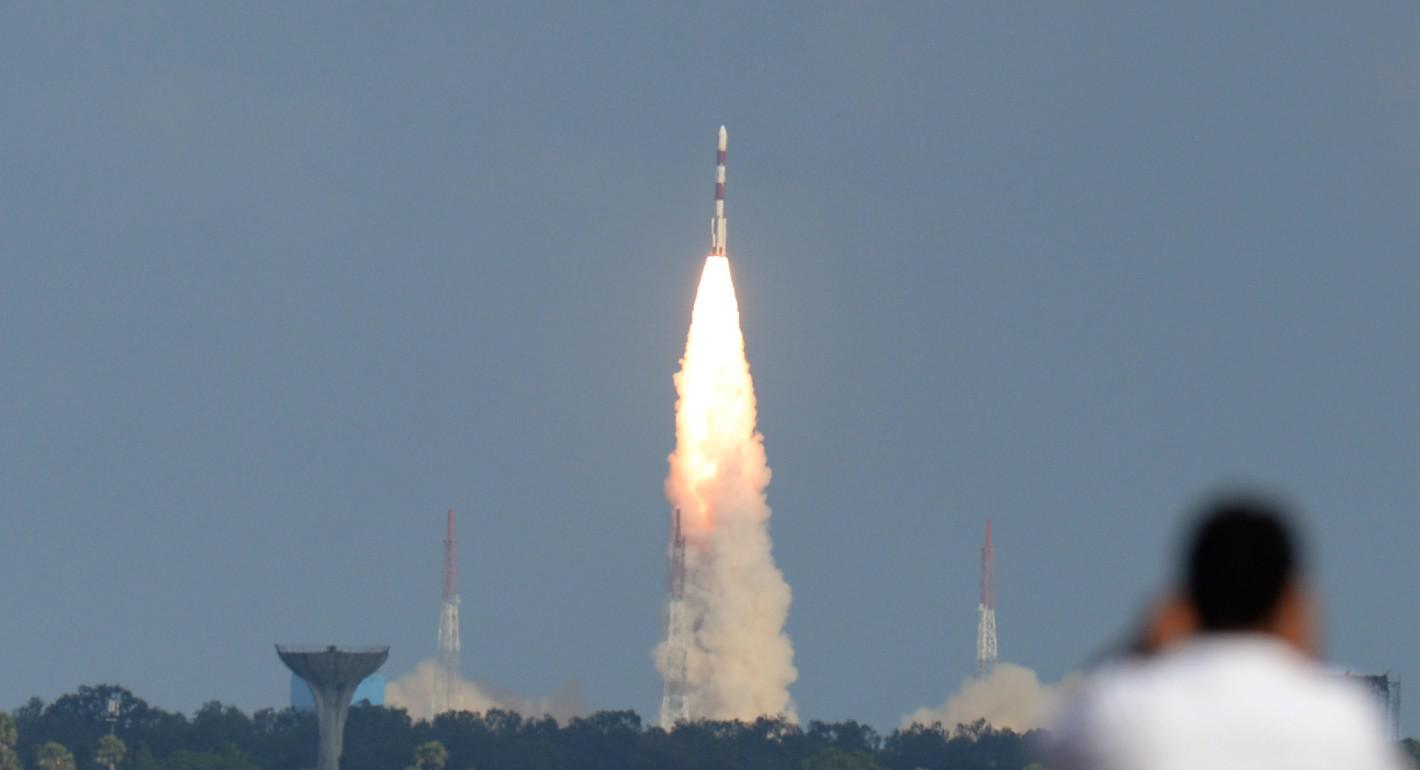
The war in Ukraine has demonstrated that India needs to establish a strong domestic space economy in order to weather geopolitical storms.

Konark Bhandari
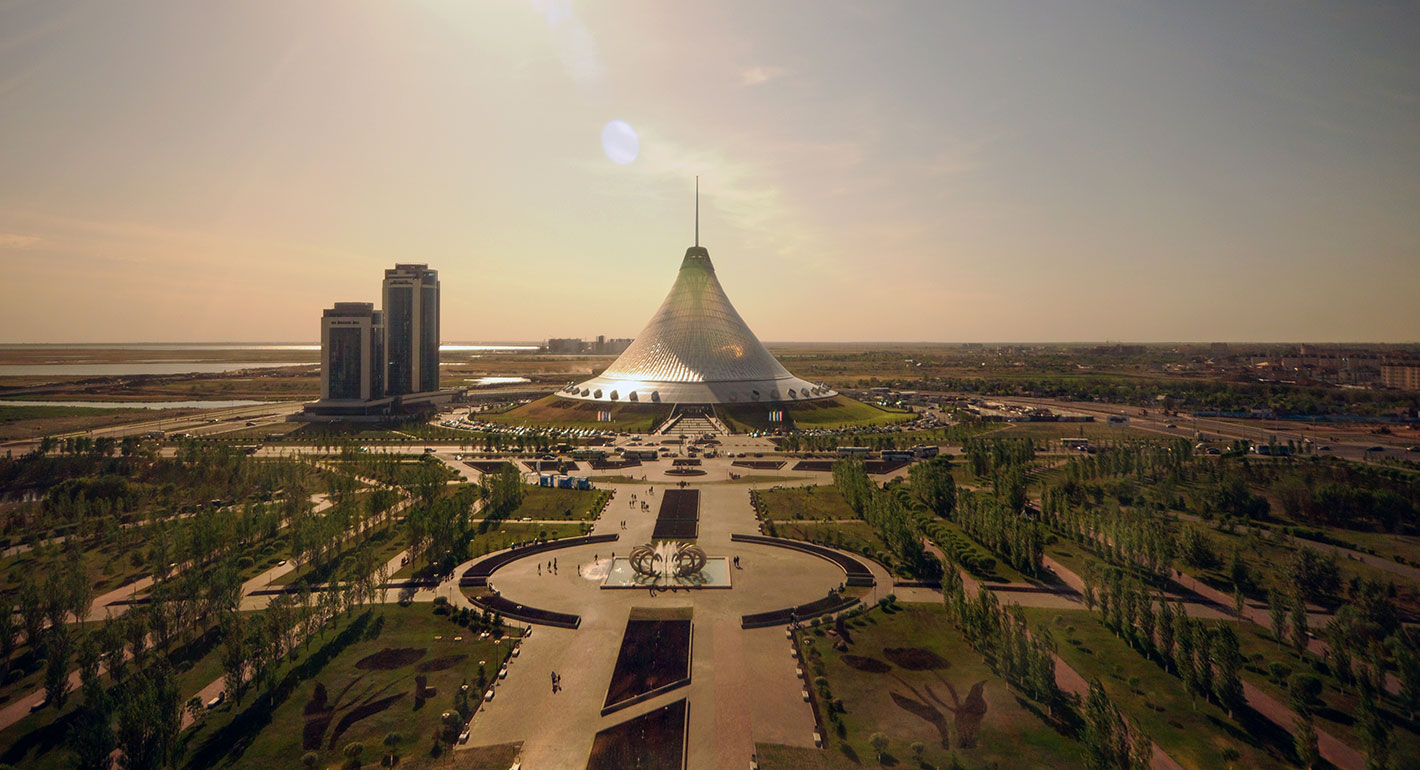
With contributors from various Central Asian nations and beyond, this issue of Seminar provides a selection of perspectives about the past, present, and future trajectory of Central Asia, and the growing role of external actors, particularly India, China, Russia, and the EU in this evolving and dynamic space.
Rhea Menon, Sharanya Rajiv, 64592
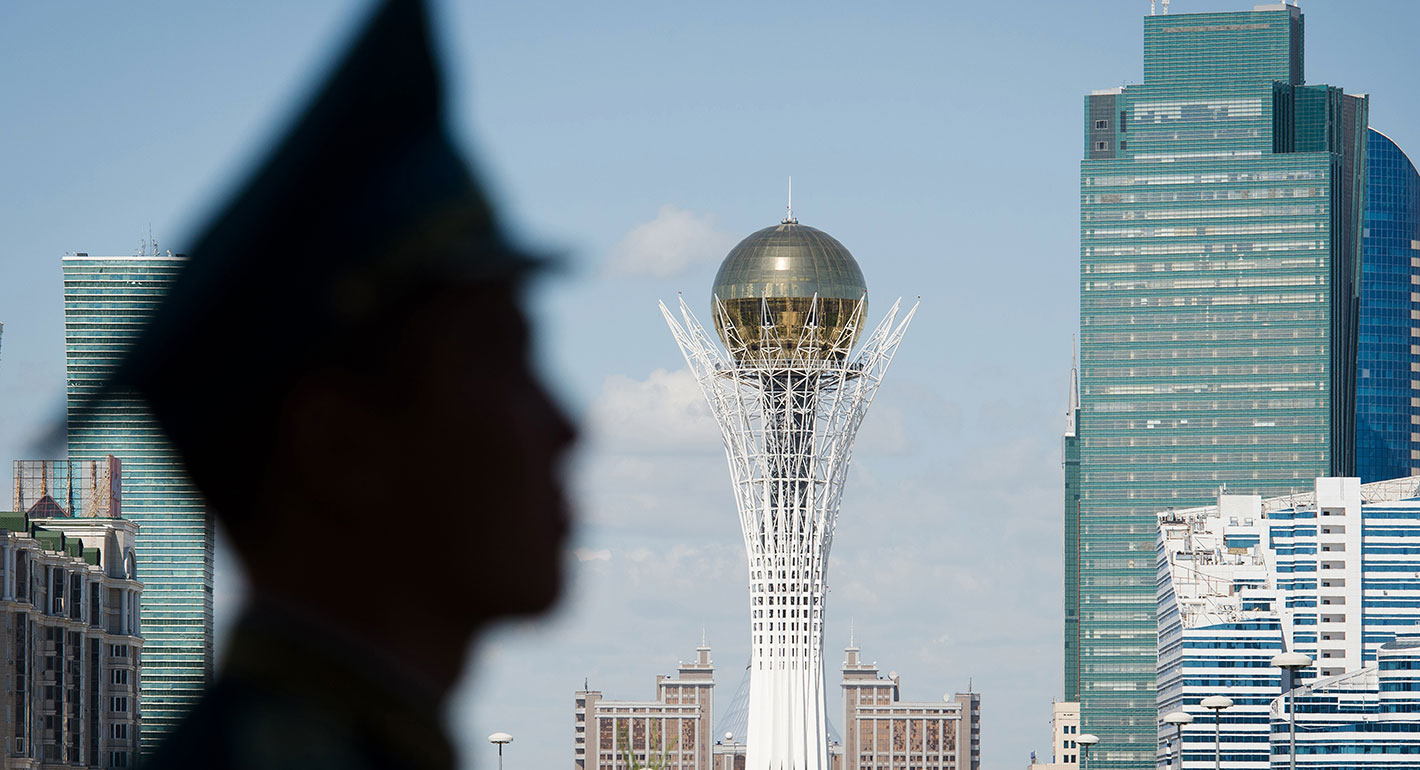
The rise of China as an economic powerhouse in Asia, along with rapid globalization, has brought Central Asia back in the limelight as a bridge connecting the established markets of the West with the emerging markets of the East.
Rhea Menon, Sharanya Rajiv
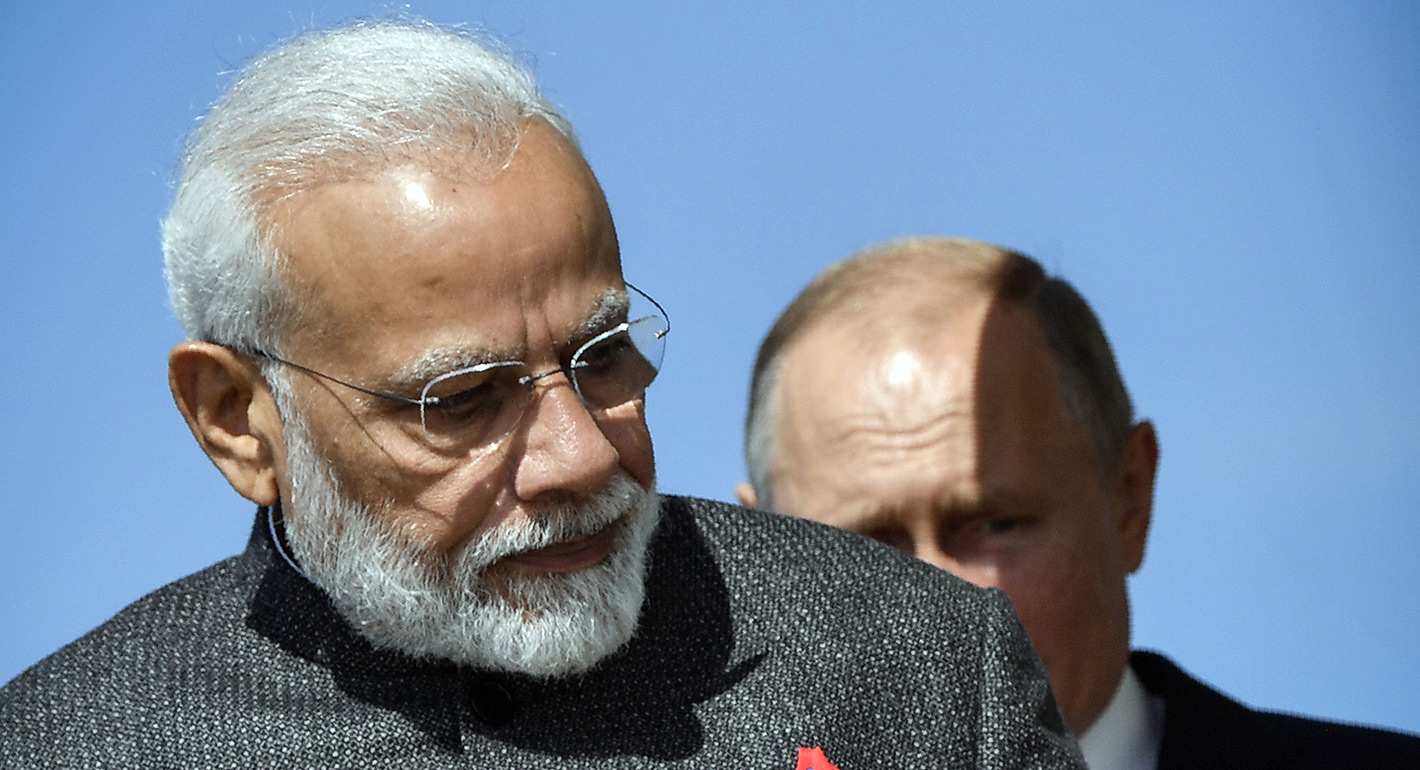
The special and privileged strategic partnership between India and Russia now spans across both Eurasia and the Indo-Pacific.
Sharanya Rajiv, 64592