

Commentary
Sarah Chayes
{
  "authors": [
    "Sarah Chayes"
  ],
  "type": "legacyinthemedia",
  "centerAffiliationAll": "dc",
  "centers": [
    "Carnegie Endowment for International Peace"
  ],
  "collections": [
    "Arab Awakening",
    "Democracy and Governance"
  ],
  "englishNewsletterAll": "democracy",
  "nonEnglishNewsletterAll": "",
  "primaryCenter": "Carnegie Endowment for International Peace",
  "programAffiliation": "DCG",
  "programs": [
    "Democracy, Conflict, and Governance"
  ],
  "projects": [],
  "regions": [
    "North Africa",
    "Tunisia"
  ],
  "topics": [
    "Political Reform",
    "Democracy",
    "Civil Society"
  ]
}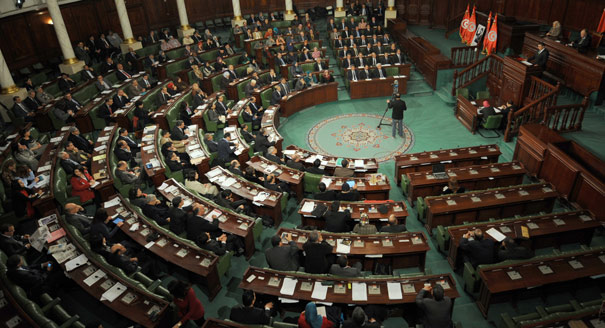
Source: Getty
The selection of a coalition of labor union leaders, businesspeople, lawyers, and human rights activists for the 2015 Nobel Peace Prize raised attention and hopes for Tunisia’s transition process.
Source: WNYC Takeaway
The Norwegian Nobel Committee awarded the 2015 Nobel Peace Prize to a coalition of labor union leaders, businesspeople, lawyers, and human rights activists in recognition of their efforts to negotiate a peaceful end to the political crisis in Tunisia in 2013-14. Speaking on WNYC Takeaway with John Hockenberry, Carnegie’s Sarah Chayes explained who these groups were, how they achieved this breakthrough, and why the regional and local political context of the Arab Spring was key to the process. She pointed out that Tunisia’s political leaders after the Arab Spring had little experience in negotiation and revealed how the labor and business leaders taught the political leaders to resolve their differences peacefully. In addition, the government crackdown on Islamists in Egypt following the fall of President Morsi in Egypt as well as a number of assassinations of leftist political leaders in Tunisia spurred the resolution of the crisis, Chayes explained.
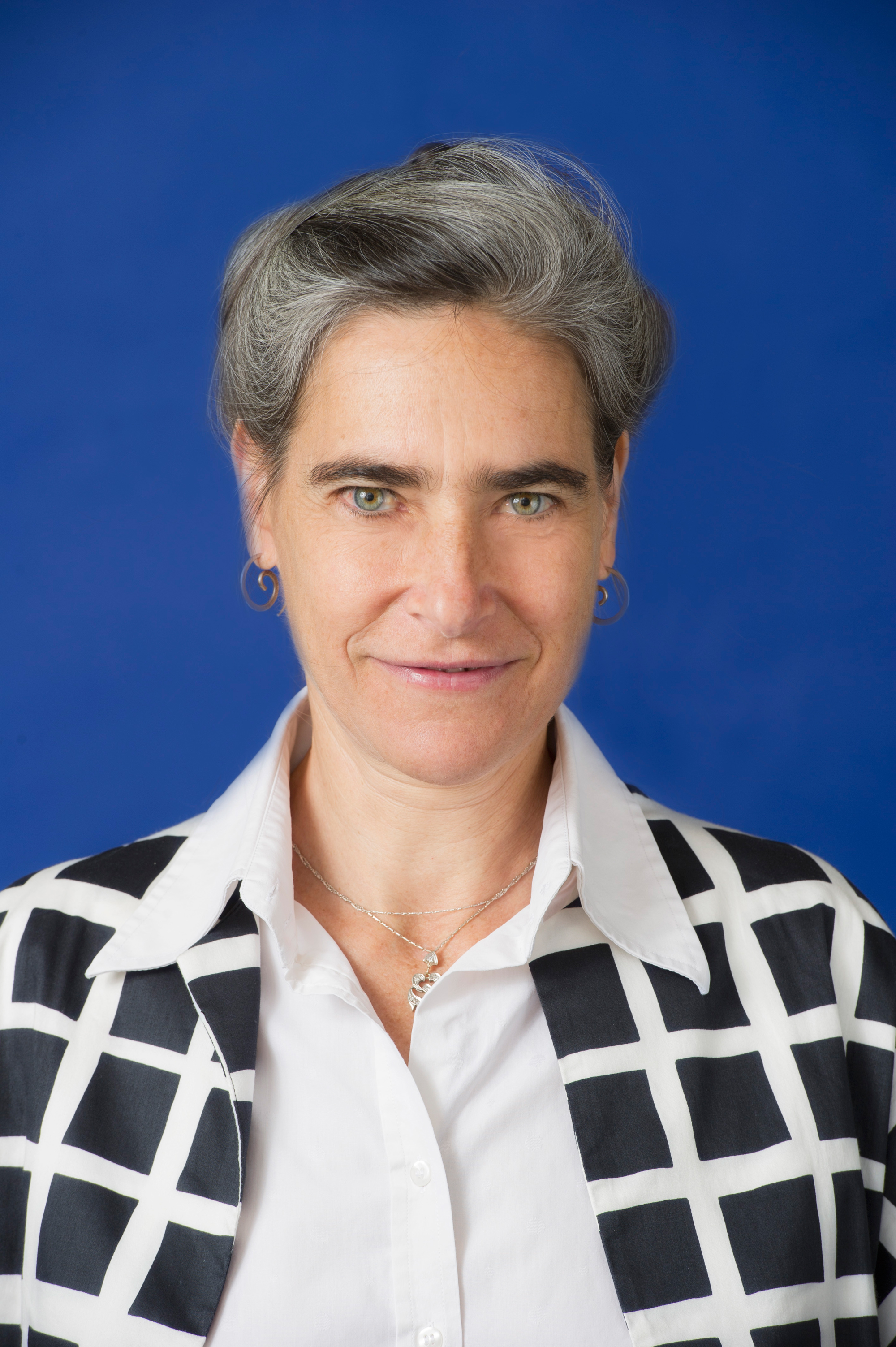
Former Senior Fellow, Democracy, Conflict, and Governance Program
Sarah Chayes is internationally recognized for her innovative thinking on corruption and its implications. Her work explores how severe corruption can help prompt such crises as terrorism, revolutions and their violent aftermaths, and environmental degradation.
Recent Work
Sarah Chayes
Carnegie India does not take institutional positions on public policy issues; the views represented herein are those of the author(s) and do not necessarily reflect the views of Carnegie, its staff, or its trustees.

A partnership between India, a country of subcontinental size, and Africa, a continent of fifty-four countries, may seem asymmetric until one notes that both are home to nearly the same number of people—1.4 billion. This essay spells out the existing challenges to the partnership, its optimal potential, and the possible pathways to realize it over the next quarter-century.

Rajiv Bhatia

Experts weigh in on whether the United States is too hostile toward China.


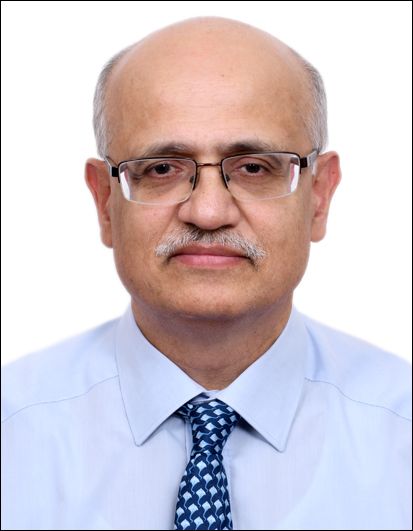
Stephen Wertheim, Evan S. Medeiros, Vijay Gokhale
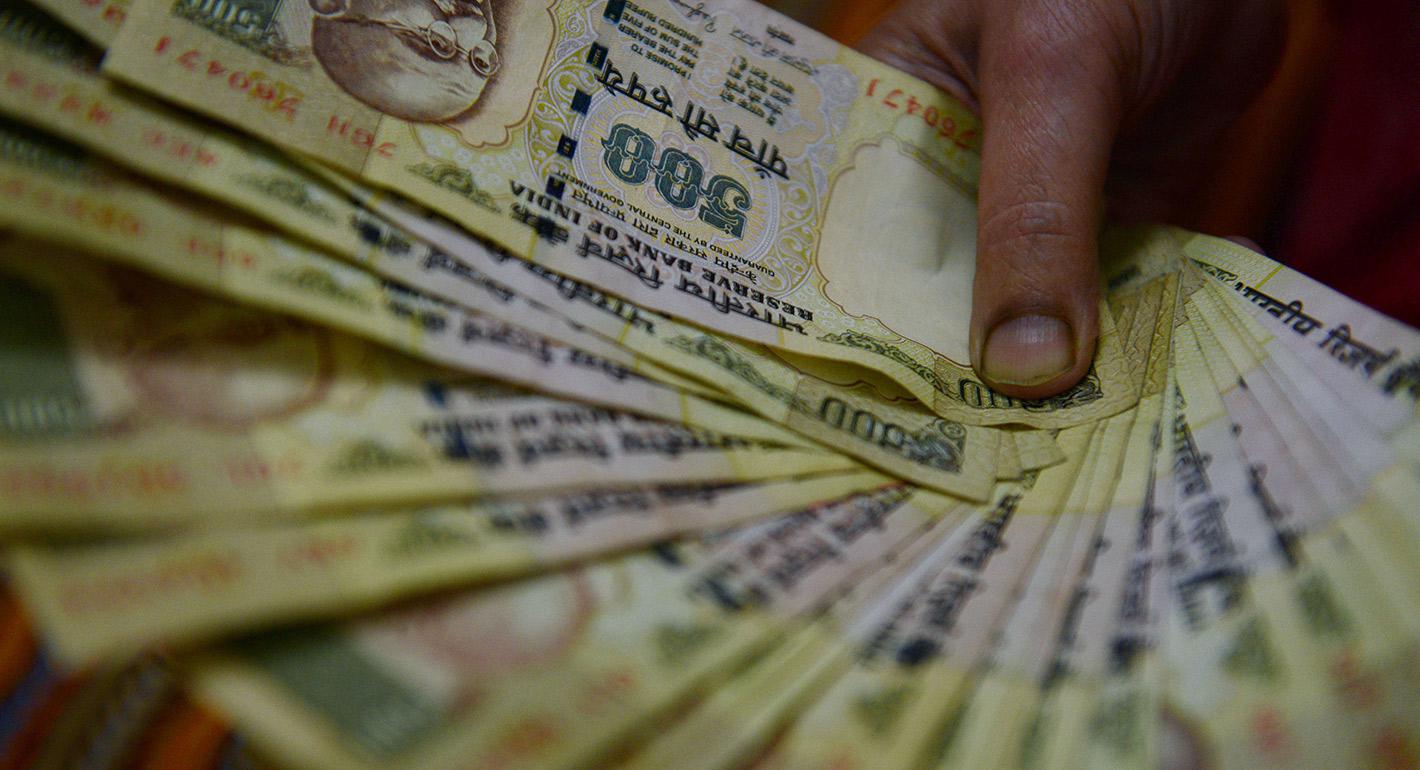
As India’s economy recovers from the coronavirus pandemic, Indian businesses need efficient financial structures to regain their ground. Key reforms to India’s Insolvency and Bankruptcy Code could fill these gaps.

Anirudh Burman

Access to cross-border data is an integral piece of the law enforcement puzzle. India is well placed to lead the discussions on international data agreements subject to undertaking necessary surveillance reforms.
Smriti Parsheera, Prateek Jha
After the coronavirus pandemic wanes, how will China’s reorientation of the Belt and Road Initiative to address global health concerns influence its relationships with South Asian countries?
Deep Pal, Rahul Bhatia