
• Research
  • About
  • Experts
Carnegie India logoCarnegie lettermark logo
AI
{
  "authors": [
    "Ariel (Eli) Levite",
    "Shlomo Brom"
  ],
  "type": "other",
  "centerAffiliationAll": "dc",
  "centers": [
    "Carnegie Endowment for International Peace"
  ],
  "collections": [],
  "englishNewsletterAll": "ctw",
  "nonEnglishNewsletterAll": "",
  "primaryCenter": "Carnegie Endowment for International Peace",
  "programAffiliation": "NPP",
  "programs": [
    "Nuclear Policy"
  ],
  "projects": [],
  "regions": [
    "Middle East",
    "Israel"
  ],
  "topics": [
    "Nuclear Policy"
  ]
}

Source: Getty

Other

From Dream to Reality: Israel and Missile Defense

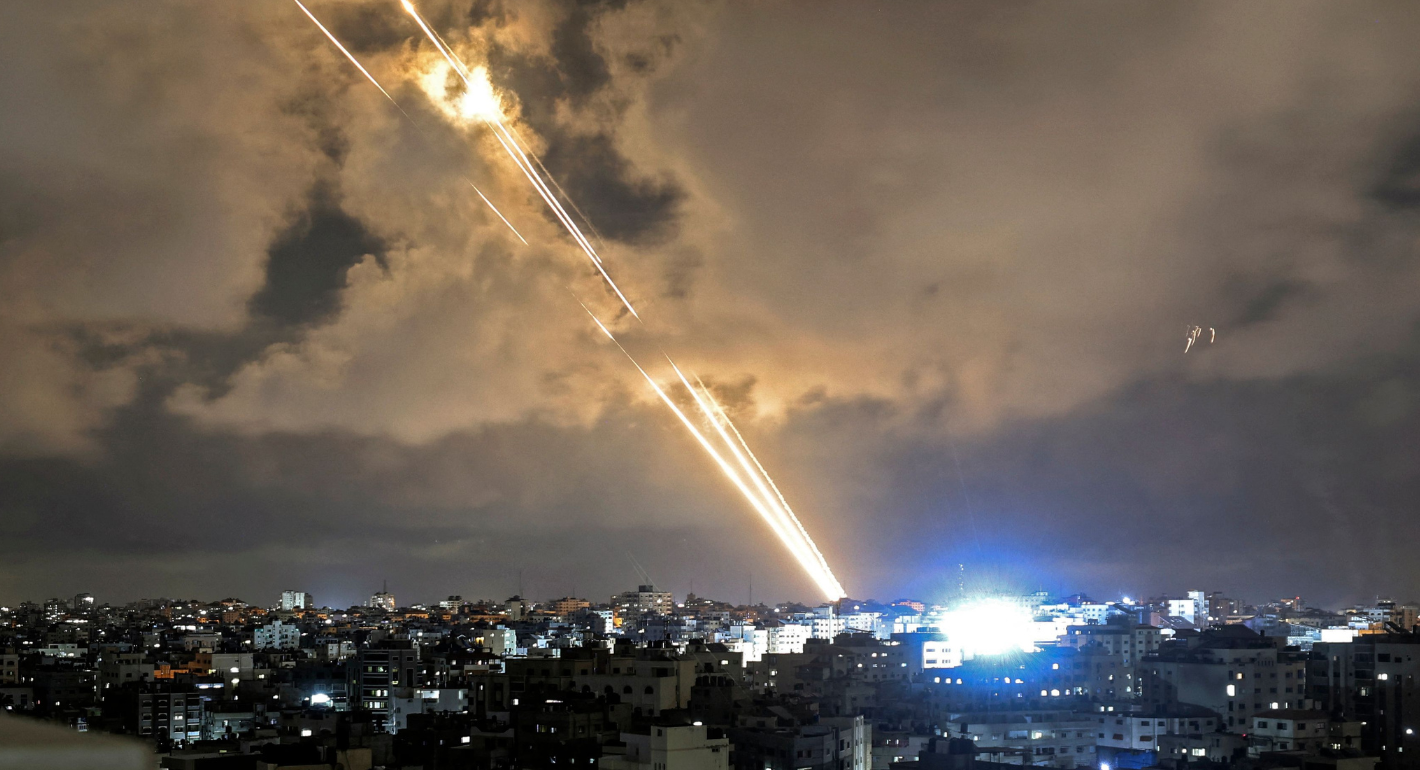
How did Israel’s missile defense program evolve? What lessons can it offer for other states pursuing missile defense?

Link Copied
By Ariel (Eli) Levite and Shlomo Brom
Published on Nov 4, 2015

Source: Regional Missile Defense from a Global Perspective

This chapter reviews the evolution of the missile threat against Israel and the emergence of the indigenous Israeli and collaborative U.S.–Israeli missile defense response. It highlights the remarkable success achieved by the Israeli missile defense program, not only in tests and simulations but in combat. It also goes on to briefly analyze some of the vexing dilemmas in its second phase, such as who and what should get a higher level of protection, that have grown precisely as a result of these remarkable technological advances in missile defense. It concludes with a brief discussion of key implications of the Israeli introduction and operation of a multilayered missile defense system. Although some of these dilemmas and implications are specific to Israel, others may have broader relevance for other nations seriously considering the implications of missile defense.

The chapter “From Dream to Reality: Israel and Missile Defense​” was originally published in the book Regional Missile Defense from a Global Perspective.

About the Authors

Ariel (Eli) Levite

Senior Fellow, Nuclear Policy Program, Technology and International Affairs Program

Levite was the principal deputy director general for policy at the Israeli Atomic Energy Commission from 2002 to 2007.

Shlomo Brom

Institute for National Security Studies

Authors

Ariel (Eli) Levite
Senior Fellow, Nuclear Policy Program, Technology and International Affairs Program
Ariel (Eli) Levite
Shlomo Brom
Institute for National Security Studies
Nuclear PolicyMiddle EastIsrael

Carnegie India does not take institutional positions on public policy issues; the views represented herein are those of the author(s) and do not necessarily reflect the views of Carnegie, its staff, or its trustees.

More Work from Carnegie India

  • Article
    Risk and Retaliation: Israel, Iran, and the Evolving Situation in West Asia

    An Israeli response to Iran’s October 1 attack is imminent. The key question is of its intensity and potential fallout, both within Iran, in terms of nuclear security policy changes, and across the broader region. The coming days are likely to reshape West Asia irreversibly.

      Gaddam Dharmendra
  • Commentary
    After the Border Clash, Will China-India Competition Go Nuclear?

    Asia’s two largest nuclear powers have never threatened each other with nuclear weapons. How much will the recent deadly border clashes between China and India change the security landscape?

      Toby Dalton, Tong Zhao, Rukmani Gupta

  • Commentary
    India’s View on Soleimani, Iran, and the United States

    For India, the equation is pretty simple: better diplomatic relations between the United States and Iran would let New Delhi deal more smoothly with both countries. A decline in the relationship adversely affects Indian interests.

      Rudra Chaudhuri

  • Commentary
    What Would a Larger Chinese Presence Mean for the Middle East?

    The recent developments around the Strait of Hormuz have once again highlighted the importance of maritime chokepoints and their connection to regional geopolitics.

      Darshana M. Baruah

  • Commentary
    As US-Iran Tensions Mount, What India Can Learn from the Oil ‘Tanker War’ in 1980s

    Last week, Britain impounded an Iranian oil tanker in Gibraltar, claiming that the vessel was carrying oil to Syria in violation of the European Union’s sanctions.

      Srinath Raghavan

Get more news and analysis from
Carnegie India
Carnegie India logo, white
Unit C-4, 5, 6, EdenparkShaheed Jeet Singh MargNew Delhi – 110016, IndiaPhone: 011-40078687
  • Research
  • About
  • Experts
  • Projects
  • Events
  • Contact
  • Careers
  • Privacy
  • For Media
Get more news and analysis from
Carnegie India
© 2026 Carnegie Endowment for International Peace. All rights reserved.