

Q&A
Suzanne Maloney, Aaron David Miller, Karim Sadjadpour
{
  "authors": [
    "Karim Sadjadpour"
  ],
  "type": "legacyinthemedia",
  "centerAffiliationAll": "dc",
  "centers": [
    "Carnegie Endowment for International Peace"
  ],
  "collections": [],
  "englishNewsletterAll": "menaTransitions",
  "nonEnglishNewsletterAll": "",
  "primaryCenter": "Carnegie Endowment for International Peace",
  "programAffiliation": "MEP",
  "programs": [
    "Middle East"
  ],
  "projects": [],
  "regions": [
    "Middle East",
    "Iran"
  ],
  "topics": [
    "Political Reform",
    "Civil Society"
  ]
}
Source: Getty
The death of famed Iranian filmmaker Abbas Kiarostami was greeted with great sorrow, though his shadow will only grow larger with the passage of time.
Source: Economist
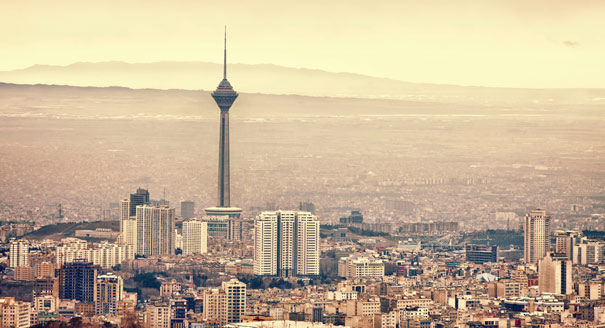
The first time I met Iranian film-maker Abbas Kiarostami he was captivated by a shadow. We were gathered at the Italian ambassador’s historic residence in the tranquil Farmanieh district of north Tehran. The ambassador loved cinema, and often invited Iranian film-makers to screen their latest works outdoors in his lush garden, à la “Cinema Paradiso”.
The mood was sombre that evening. It was June of 2005 and the hardline mayor of Tehran, Mahmoud Ahmadinejad, had just been elected president. The artists assembled that night worried Iran would regress to the revolutionary fervour of the 1980s, and their limited freedoms would be further curtailed. Those fears would soon be vindicated.Politics dominated the dinner table discussions. Painters and writers talked about going into temporary exile to Paris and Montreal. Art gallerists talked about setting up shop in Dubai.
Kiarostami, the guest of honor who was there to screen his latest film, “Tickets”, ignored the political chatter. His attention had been focused on a tall thin glass of water on the dinner table before him. He would pick up the glass, move it slightly, and then put it back down again.
“What a remarkable shadow,” he said, behind his distinctive sunglasses, to no one in particular. “Have you ever seen such a shadow?” In Tehran, like Rome and Jerusalem, the hot sun and dry air produces a spectacular summer twilight. The drinking glass stood only a few inches tall but its shadow on the Ambassador’s manicured lawn resembled a 10-foot cylinder. Years later I read a quote from the French impressionist Degas that reminded me of that evening. “Art is not what you see, but what you make others see.” Kiarostami found inspiration where no one else was paying attention.
In Kiarostami’s classic 1997 film, “A Taste of Cherry”, a middle-aged-man (the architect-cum-actor Homayoun Ershadi, below, whom Kiarostami discovered when his car was parked at a traffic light) drives through Tehran’s hilly outskirts anxiously trying to find someone who will agree to bury him after he’s committed suicide. He finally finds an old man who needs the money and reluctantly agrees to his request, but he first tries to talk him out of it.
“Have you ever looked at the sky when you wake in the morning?” the old man asks him. “At dawn, don't you want to see the sun rise? The red and yellow of the sun at sunset, don't you want to see that anymore? Have you seen the moon? Don't you want to see the stars? The night of the full moon, don't you want to see it again? Don't you ever want to drink water from a spring again? Or wash your face in that water? You want to refuse all that? You want to give it all up?”
Unable to persuade, the old man issues a final plea. “You want to give up the taste of cherries?” Iranians are great connoisseurs of cherries, and the world’s third largest producers. Two decades after the film was released, the sight of the fruit still conjures in many an appreciation for life's small pleasures.
Kiarostami asked questions, but he had no pretensions of having the answers. In a suffocating political environment intent on micromanaging people’s lives—how they love, what they watch (Kiarostami's films were often censored in Iran), what they listen to, whom they worship, what they imbibe—Kiarostami said repeatedly “I have no advice for anyone on how to live.”
Azar Nafisi, the author of “Reading Lolita in Tehran”, once invited Kiarostami to screen his films at Johns Hopkins University, where she taught a graduate seminar on literature and politics. A persistent theme of the class was that history remembers artists more than politicians. Few people can recall who ruled 13th-century Persia or 19th-century Russia, but everyone knows Rumi and Dostoyevsky.
Since Iran’s 1979 revolution, the country’s rich culture has been overshadowed by its ruthless politics. These politics often fascinate outside observers. The country’s Byzantine power brokers—including the Supreme Leader, the Assembly of Experts, the Council of Guardians, and the Revolutionary Guards—evoke a Game-of-Thrones-style drama. For longtime subjects of the Iranian state, however, the story has grown stale. Supporting actors come and go (and come again), but the plot—an entrenched hardline Islamist establishment resisting reform—is repetitive.
Kiarostami understood that Iran’s richest story was not its politics but its people, and he chronicled the lives of Iran’s most marginalised—its villagers, laborers, single mothers, elderly, and orphans—with great compassion. Though he was a quintessentially Iranian film-maker, his work was often treated with suspicion at home even as it received adulation abroad. But his death on July 4th was greeted with great sorrow. Like the great Persian poets who preceded him, his shadow will only grow larger with the passage of time.

Senior Fellow, Middle East Program
Karim Sadjadpour is a senior fellow at the Carnegie Endowment for International Peace, where he focuses on Iran and U.S. foreign policy toward the Middle East.
Recent Work


Suzanne Maloney, Aaron David Miller, Karim Sadjadpour

Aaron David Miller, Karim Sadjadpour, Robin Wright
Carnegie India does not take institutional positions on public policy issues; the views represented herein are those of the author(s) and do not necessarily reflect the views of Carnegie, its staff, or its trustees.
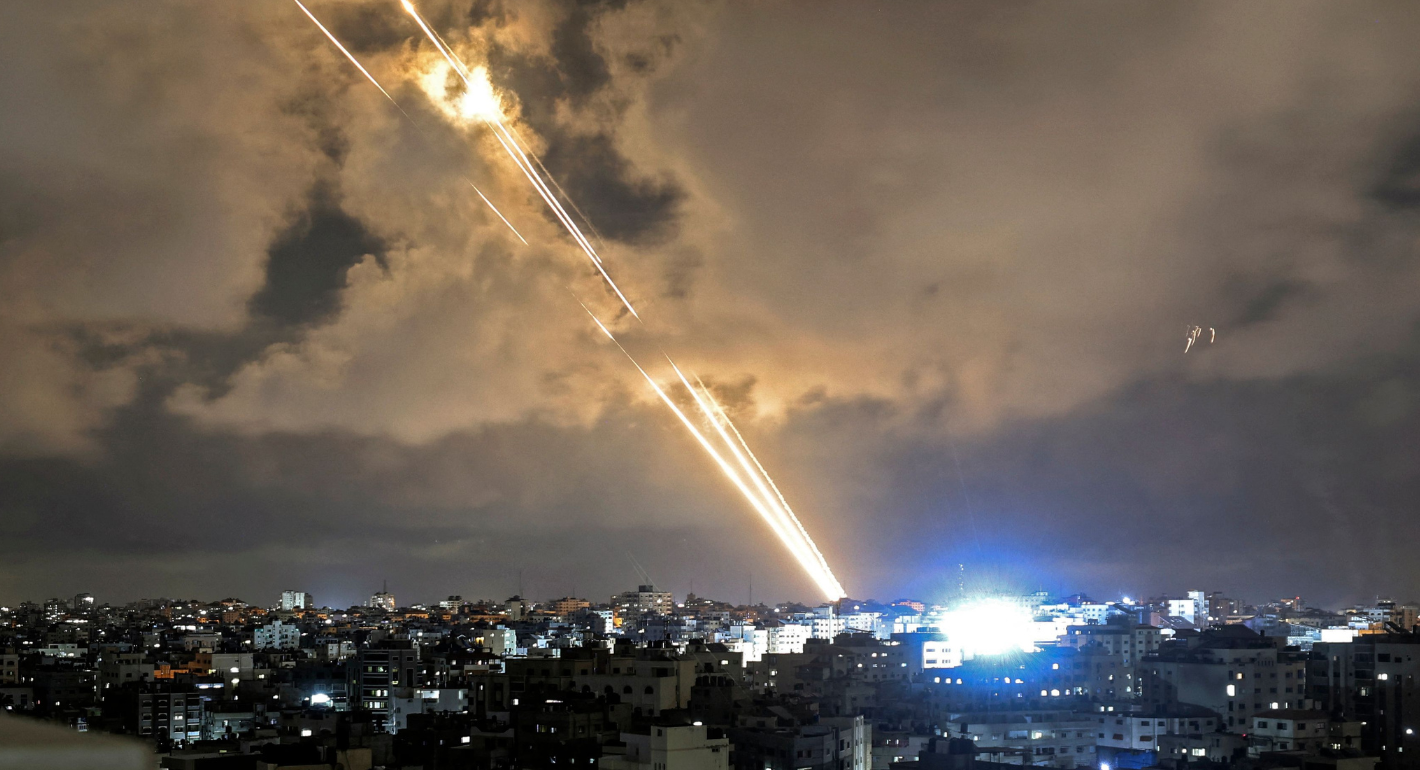
An Israeli response to Iran’s October 1 attack is imminent. The key question is of its intensity and potential fallout, both within Iran, in terms of nuclear security policy changes, and across the broader region. The coming days are likely to reshape West Asia irreversibly.
Gaddam Dharmendra
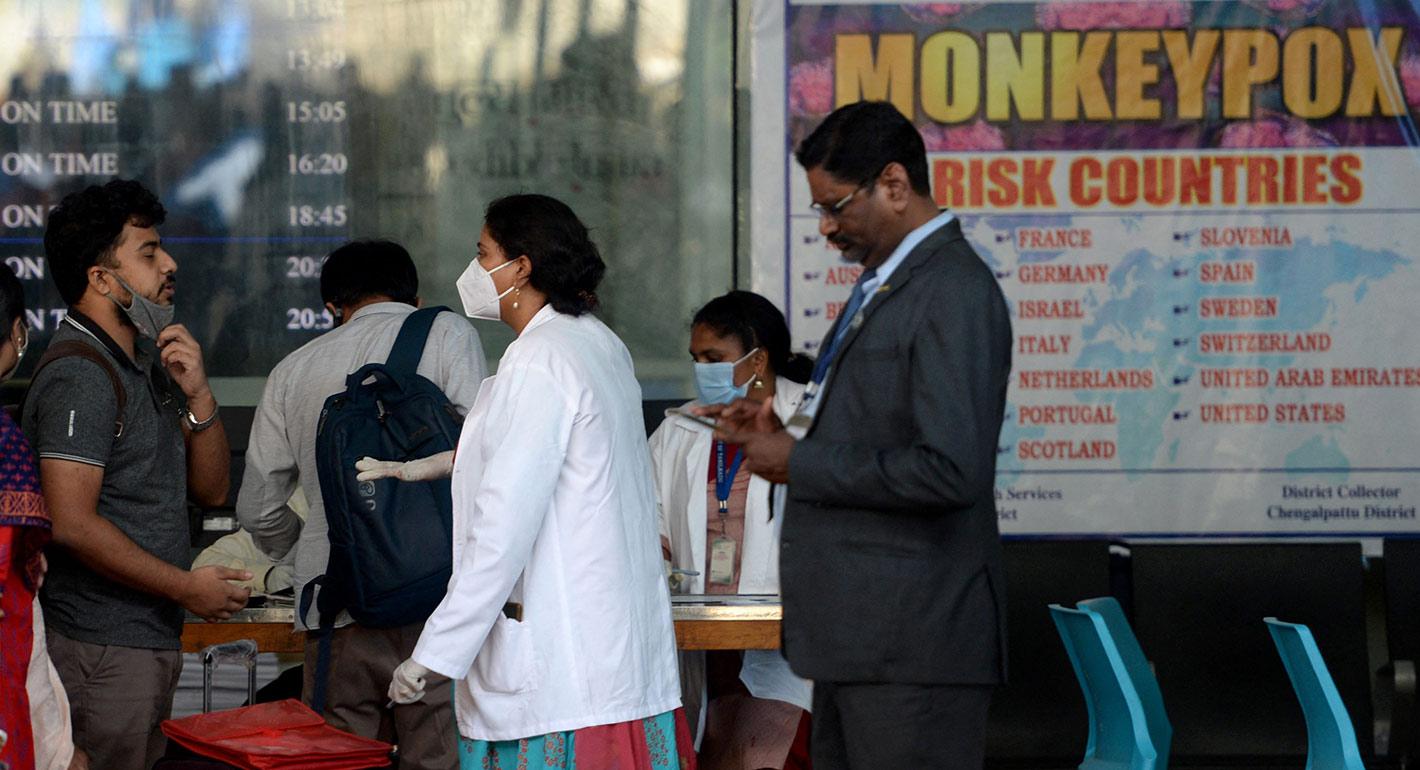
With monkeypox being declared a global health emergency, the WHO approach is an innovative and effective way to curb outbreaks of zoonotic diseases.

Shruti Sharma

In India, biotechnology has played an important role in helping stakeholders in academia, industry, and government develop new pandemic-related technology, from test kits to respiratory devices. But these biotechnology advancements can go further to strengthen India’s public health capacity.
Shruti Sharma
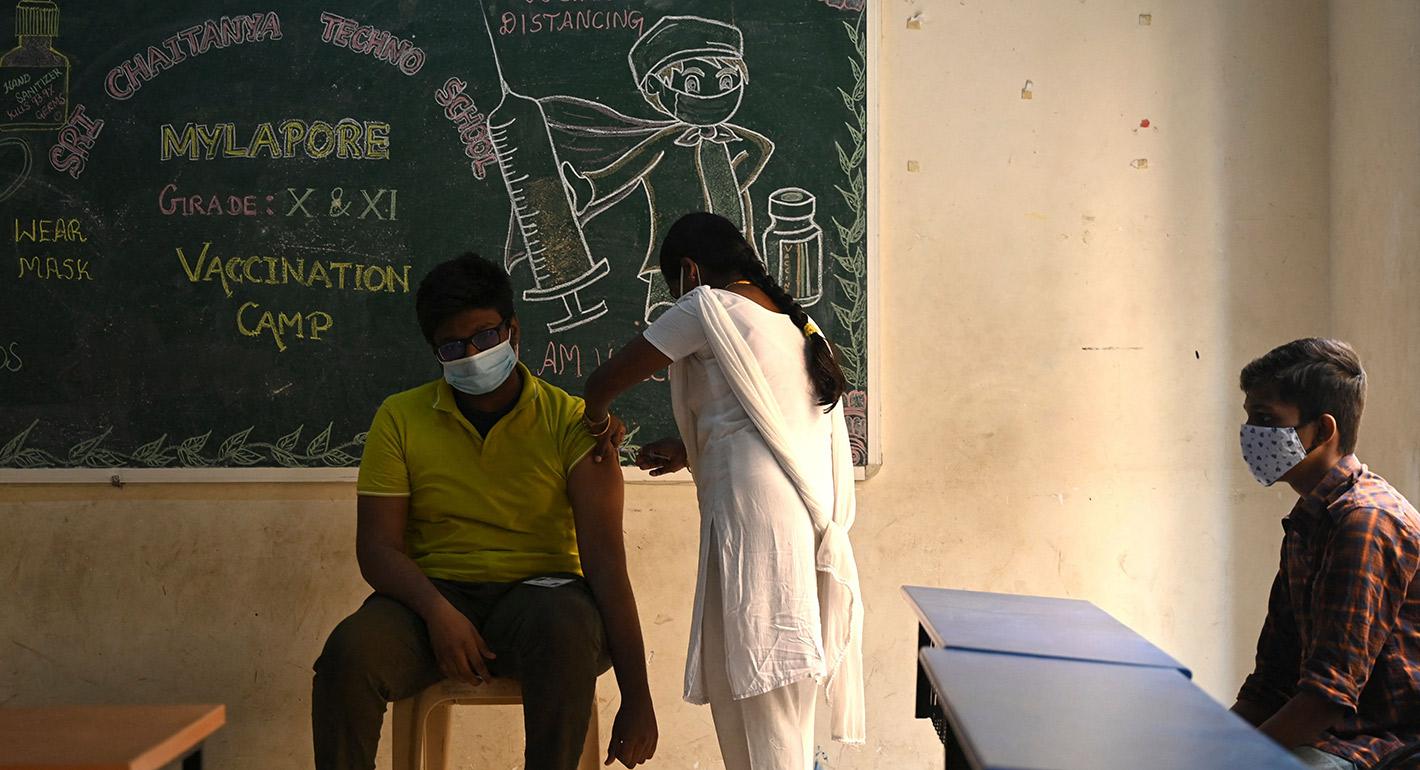
Unless the government can up its communications game, anti-vax movements could prolong India’s pandemic effects.
Shruti Sharma
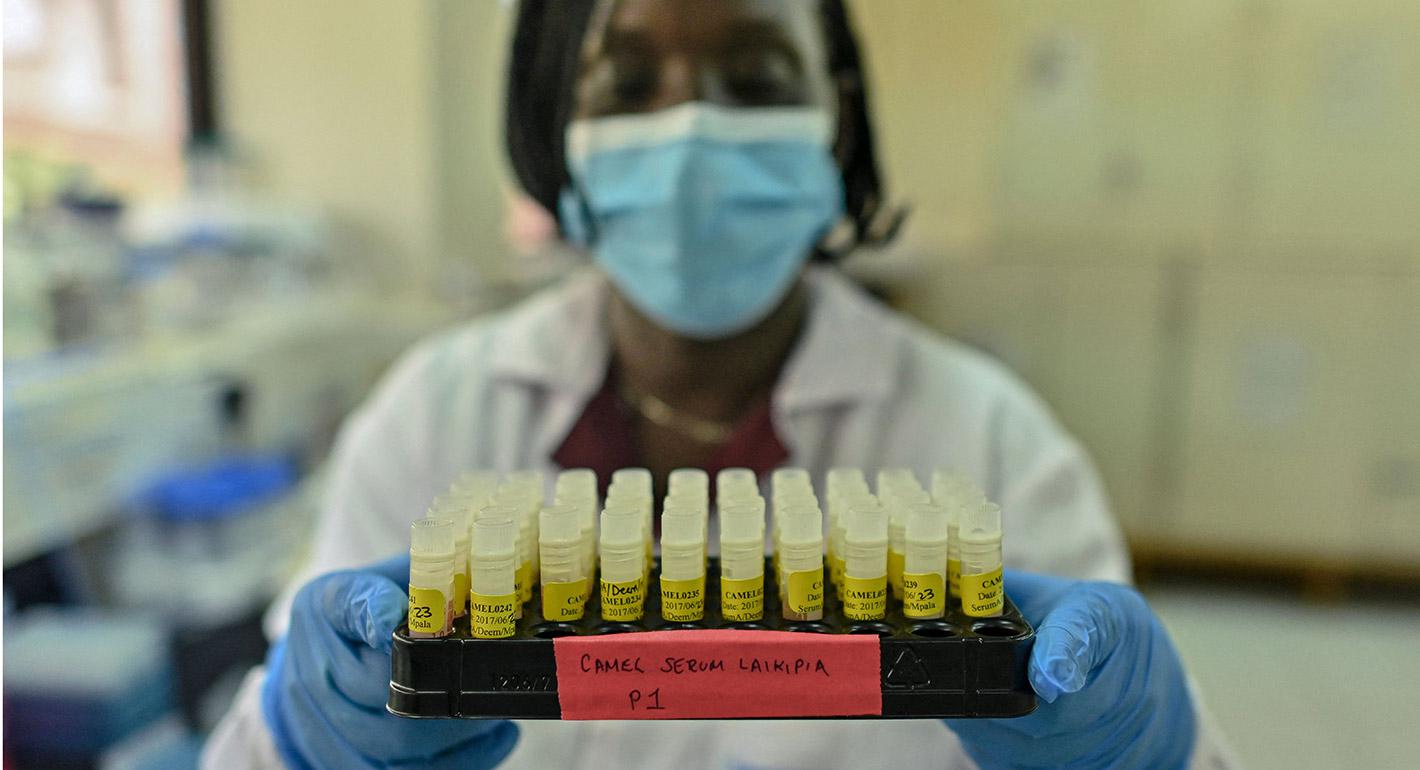
The uncertain origin of the coronavirus has focused attention on gain-of-function research—studying viruses to learn how they spread. How can countries work together to ensure stringent safety standards?
Shruti Sharma