

Commentary
Marc Pierini
{
  "authors": [
    "Marc Pierini"
  ],
  "type": "legacyinthemedia",
  "centerAffiliationAll": "dc",
  "centers": [
    "Carnegie Endowment for International Peace",
    "Carnegie Europe"
  ],
  "collections": [
    "Turkey’s Transformation"
  ],
  "englishNewsletterAll": "ctw",
  "nonEnglishNewsletterAll": "",
  "primaryCenter": "Carnegie Europe",
  "programAffiliation": "EP",
  "programs": [
    "Europe"
  ],
  "projects": [],
  "regions": [
    "Europe",
    "Türkiye",
    "Middle East",
    "Iran"
  ],
  "topics": [
    "Security",
    "Military"
  ]
}
Source: Getty
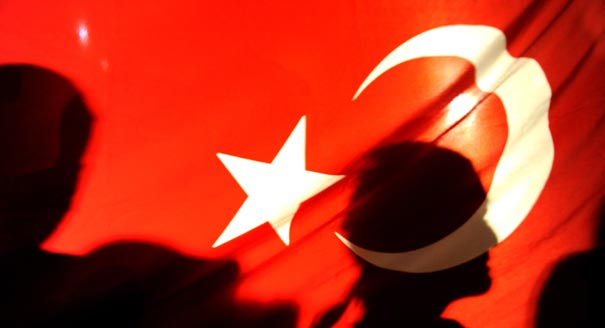
Where is Turkey’s illiberal democracy going after the attempted coup on July 15?
Source: Politico Europe
By military coups standards, it looked like the real thing for several hours: curfew, jets, helicopters, tanks, infrastructure and state television under control of the army.
Then, President Recep Tayyip Erdoğan appeared via FaceTime on a private TV channel, obviously taken by surprise, but firm. He produced one of his typical populist moves, calling the people to the streets and to Istanbul’s Atatürk airport. While police forces loyal to him were doing the fighting in Ankara, hundreds of people took to the streets in Istanbul and started disarming soldiers.
Then U.S. President Barack Obama, German Chancellor Angela Merkel and NATO chief Jens Stoltenberg, and even the three Turkish opposition parties, came to the rescue: democratically elected governments should be respected.It quickly became apparent that a coup had been attempted with rather limited means and little support at general staff level. Key elements of the armed forces didn’t side with the plotters, who therefore failed to swiftly seize control of the country. This morning, the prime minister was able to make a statement signaling that the authorities are in full control.
With some 260 dead, more than 1400 injured and nearly 3000 soldiers detained, Turkey is now entering a difficult phase of its history. Not only an old tradition of military coups — which has clearly been rejected in opinion polls by around 80 percent of the public, that is much more than the 50 percent support, enjoyed by the ruling AKP — has come back to haunt Turkey, but the loss of prestige is substantial.
The upheaval came only days after a NATO summit which vowed firm support to Turkey against ISIL. The economic loss will be important: tourism and air travel via Istanbul’s hub — two huge successes so far — were already dented by terrorism. They will take a further hit.
Domestically, the consequences will also be painful regarding rule of law and polarization. A large trial is expected against the plotting officers and the prime minister has already invoked the possibility of reinstating the death penalty. This alone would take Turkey further away from EU standards and could indeed mean the suspension of EU accession negotiations (which is probably the least of the leadership’s worries). More destructive will be the likely witch hunt against suspected exiled cleric Fatullah Gülen sympathizers.
Internationally, the West has clearly “voted Erdoğan” last night, for very simple reasons. The U.S. has crucial assets permanently stationed at Inçirlik air force base, while the anti-ISIL coalition is using the base for daily operations in the north of Syria. At a time when ISIL is on the defensive in Raqqa and Manbij, this is no time for disruption for military operations while some sort of coordination is being established between the U.S. and Russia.
Even more importantly, what is expected from Ankara is a decisive move against ISIL despite the risk of retaliation. The self-proclaimed terrorist movement has one lifeline and only one, i.e. the stretch of the Syria-Turkey border between the Euphrates River and the Western-most Kurdish district of Afrin.
Although in much reduced numbers, jihadists, ammunitions and smuggled oil are still able to move across. Given ISIL’s resilience and its attacks on France and Belgium, the latest they claimed is Thursday’s assault on Nice, Western powers can only go full steam against the terrorist movement. Turkey is in no different position, although for years it tried to manage a relationship with ISIL. Will the failed coup affect a decisive move by Ankara?
Similarly, the military operations against the PKK in the south-west of the country have taken a huge toll on civilians and the military alike, and led to the destruction of entire districts of towns like Cizre or Nusaybin. All analysts concur on the need to resume the peace process launched only a few years ago and interrupted in July 2015. Will the leadership be willing and able to switch to a peaceful resolution process after the coup attempt? This is yet another question.
Finally, where is Turkey’s illiberal democracy going after such a coup attempt? Inevitably, this destabilization episode — albeit very short — is bound to push the Turkish president toward a more powerful drive to achieve an executive presidency. Western calls for democracy and rule of law will have little effect now and the fear instilled by the coup plotters will play in favor of a stronger rule at the top of the state.
The coup’s main casualty will be Turkey’s democracy.

Senior Fellow, Carnegie Europe
Marc Pierini is a senior fellow at Carnegie Europe, where his research focuses on developments in the Middle East and Turkey from a European perspective.
Recent Work
Marc Pierini
Marc Pierini

The India–EU Free Trade Agreement (FTA) is shaping up to be one of the most consequential trade negotiations, both economically and strategically. But, what’s in the agreement, what’s missing, and what will determine its success in the years ahead

Vrinda Sahai, Nicolas Köhler-Suzuki
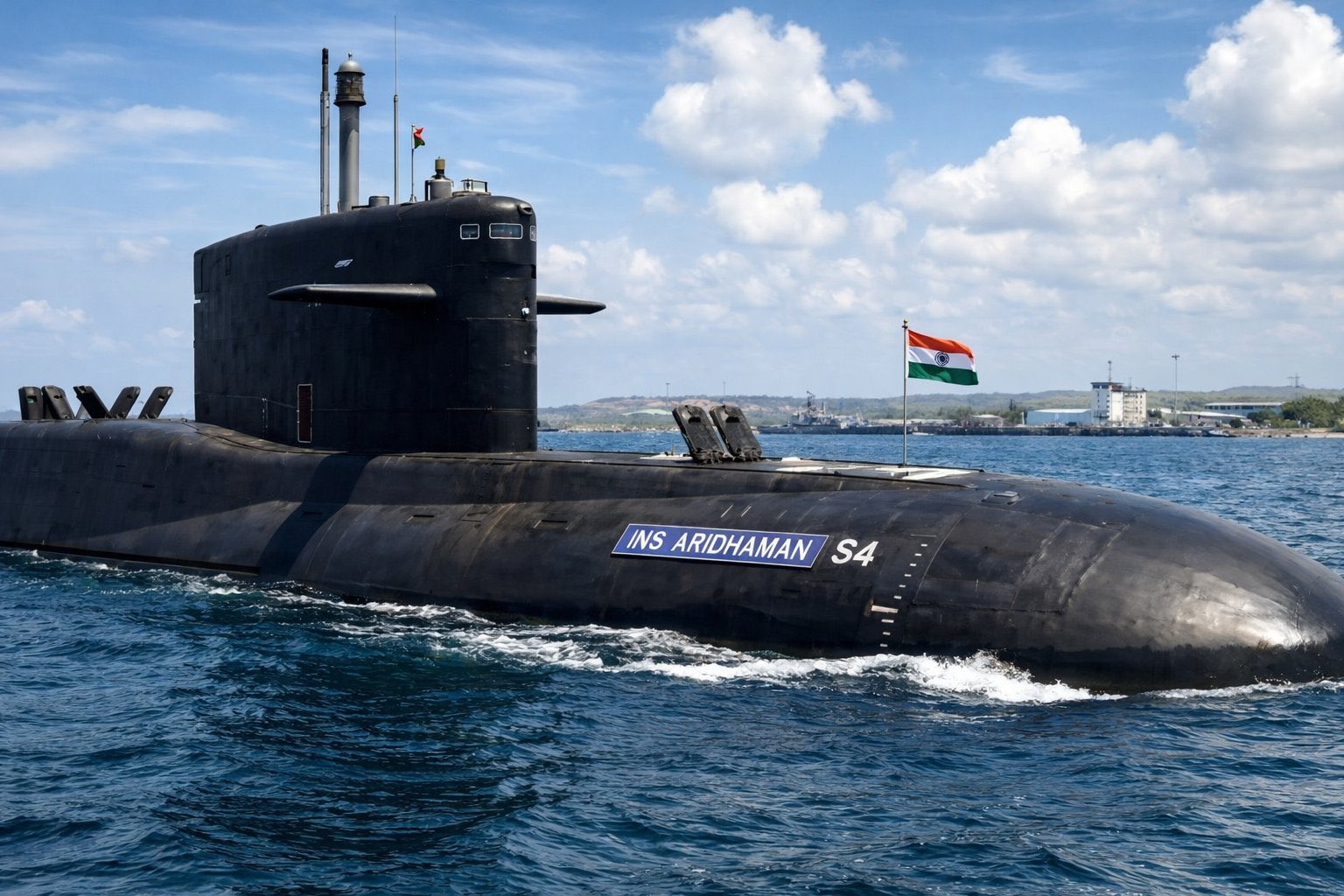
The induction of INS Aridhaman, which features several technological enhancements, now gives India the third nuclear ballistic missile submarine to ensure continuous at-sea deterrent.

Dinakar Peri

This piece argues that the present Indian strategy, based on opportunistic diversification and utilization of limited strategic reserves, remains inadequate when confronting supply disruptions. It evaluates India’s options in the short, medium, and long terms.
Vrinda Sahai

This piece examines India’s response to U.S. sanctions and tariffs, specifically assessing the immediate market consequences, such as alterations in import costs, and the broader strategic implications for India’s energy security and foreign policy orientation.
Vrinda Sahai
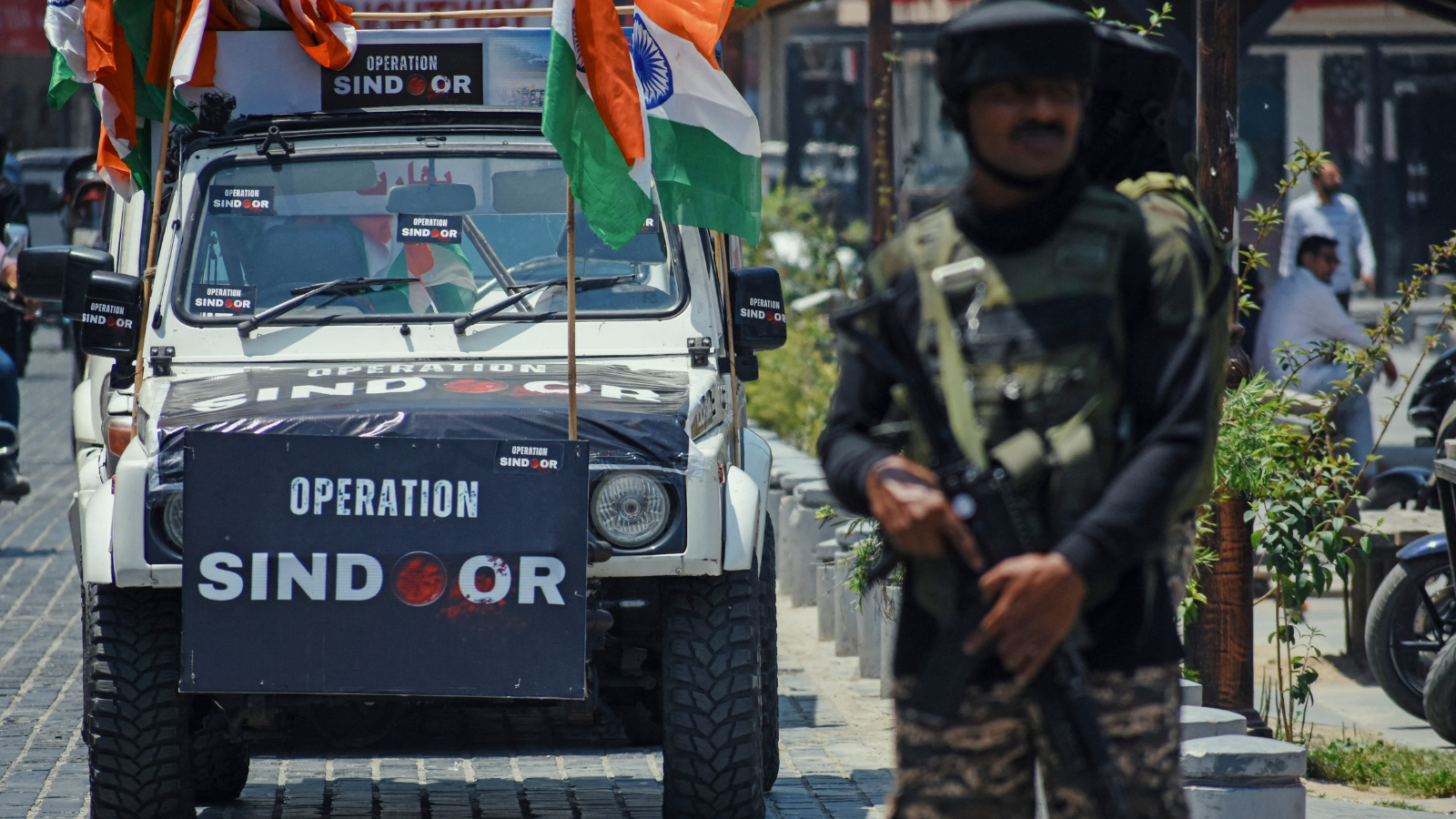
The India-Pakistan conflict that played out between May 6 and May 10, 2025, offers several military lessons. This article presents key takeaways from Operation Sindoor and breaks down how India’s preparations shaped the outcome and what more is needed to strengthen future readiness.
Dinakar Peri