

Article
C. Raja Mohan, Darshana M. Baruah
{
  "authors": [
    "C. Raja Mohan"
  ],
  "type": "legacyinthemedia",
  "centerAffiliationAll": "dc",
  "centers": [
    "Carnegie Endowment for International Peace",
    "Carnegie India"
  ],
  "collections": [],
  "englishNewsletterAll": "ctw",
  "nonEnglishNewsletterAll": "",
  "primaryCenter": "Carnegie India",
  "programAffiliation": "SAP",
  "programs": [
    "South Asia"
  ],
  "projects": [],
  "regions": [
    "South Asia",
    "Afghanistan",
    "India"
  ],
  "topics": [
    "Foreign Policy"
  ]
}
Source: Getty
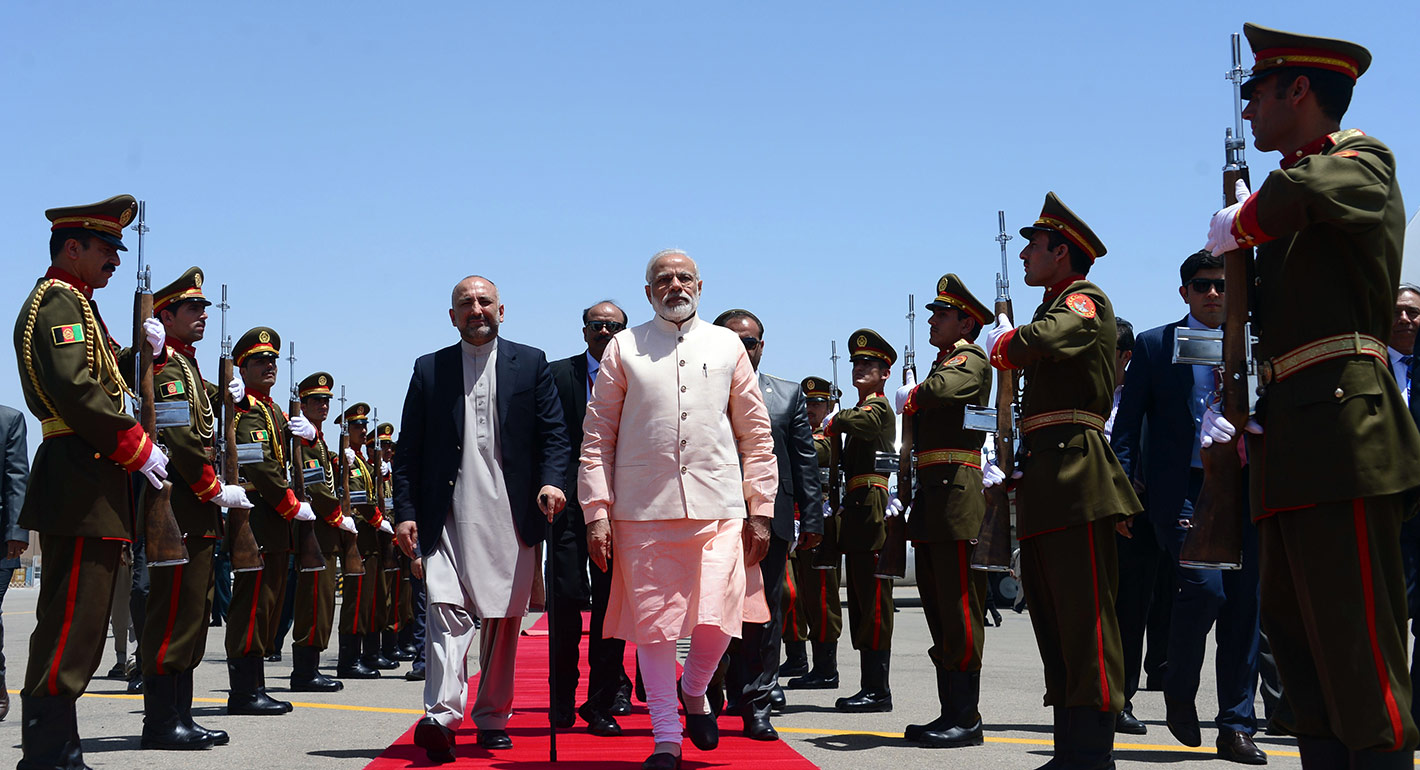
With India’s relations with Pakistan entering a period of turbulence, Afghanistan could acquire an unusual prominence in India’s regional strategy.
Source: Indian Express
A global conference this week in Brussels marks an important transition for the Afghanistan project — from international to the regional. Gathering a decade and a half after the American intervention in Afghanistan, nearly 70 countries and 25 international institutions will reaffirm, in a manner of speaking, their enduring commitment to the security and development of Afghanistan. There is a rider though.
Amidst the exhaustion with the wars of intervention, buffeted by the massive refugee crisis and declining enthusiasm for writing regular cheques for Kabul, the rich countries are ready to redefine the burden of Afghan peace as a “regional responsibility” and setting conditions for further assistance to Kabul. The international military footprint has already come down from a high of 1,20,000 troops a few years ago to barely 10,000 now. This shift will have significant consequences for India. While benefiting from the international presence in Afghanistan since the ouster of the Taliban at the end of 2001, Delhi has tended to plough a lonely furrow. Its emphasis was on economic assistance. The Western countries, noting Pakistan’s objections, discouraged India from seeking a larger security role in Afghanistan. In the new and regional phase, India is bound to be drawn more deeply into the Afghan conflict. With India’s relations with Pakistan entering a period of turbulence, Afghanistan could acquire an unusual prominence in India’s regional strategy.
But first to the global. When the United States occupied Afghanistan and sought international support for putting the nation back on its feet, the world readily agreed. The horrific attack on New York and Washington on September 11, 2001 made other great powers suspend their reservations and support the United States. A host of nations and institutions joined the US in making the reconstruction of Afghanistan an expansive international project.
A decade and a half later, few would claim a resounding success for the international effort in Afghanistan. The Taliban is back in the reckoning with the support of the Pakistan army to undermine the legitimate government in Kabul. With the peace process going nowhere, governing the country has become increasingly difficult. Kabul finds itself in an unenviable situation as its enemies knock at the gates and its friends become more demanding.
Making matters worse is the breakdown of harmony among the great powers. Russia and China, which backed the American occupation of Afghanistan to different degrees after 9/11, are now in varying levels of rivalry with the United States. Moscow, which not only supported the US intervention but also helped develop an overland supply route into Afghanistan, is now vigorously contesting American positions in Europe and the Middle East. On its part, China is challenging the historic US primacy in East Asia and the Pacific.
Beijing, which is expanding its influence all across the Central Asian region, has shed some of its past inhibitions on intervening in the internal affairs of other nations. Thanks to its strong partnership with the Pakistan army, its expansive economic resources and current plans to transform the region through infrastructure development, Beijing is better positioned than in the past to influence the outcomes in Afghanistan.
Russia is also eager to develop a working relationship with the Pakistan army, which is the most important external actor in Afghanistan. At a time when ties between Washington and Islamabad have soured, Russia seems eager to develop a working partnership with Pakistan, especially its armed forces. The recent military exercises between the two countries, the first ever, signal the new warmth between Moscow and Rawalpindi.
The new phase in Afghanistan is bound to have big effects on India’s security. Looking from outside in, the world will want India to do more. India’s own new significance in Afghanistan’s politics is reflected in the recent American decision to resume the trilateral consultations with Delhi and Kabul. Unlike in the past, Washington is urging Delhi to step up military support to Kabul. India and Afghanistan are also involved in trilateral cooperation with Iran.
Even more important is the growing strategic bond between Delhi and Kabul. With his genuine offer of a partnership with Pakistan spurned by Rawalpindi, Afghanistan’s president Ashraf Ghani has reached out to Modi. Ghani’s diplomatic support for India on pulling out of the South Asian Summit in Islamabad is a shift from Kabul’s traditional reluctance to be drawn into the India-Pak disputes. Under Modi, Delhi too is shedding its historic temptation to skirt around the contradictions between Kabul and Islamabad. In the recent past, Delhi’s engagement with Kabul was also limited by Delhi’s hopes for a normalisation of relations with Islamabad. Those hopes have receded for now and created conditions for fresh Indian thinking on the relationship with Afghanistan.
Developments in the Kabul valley have always been consequential for the empires centred on the Yamuna. But Delhi was tied down by the “Panipat syndrome” — the inability to look beyond its nose and anticipate the gathering challenges. By eliminating the physical border with Afghanistan, the Partition further reduced Kabul’s salience in Delhi’s strategic calculus. Now, with the widening arc of India’s conflict with Pakistan, Afghanistan is likely to loom larger than ever before for India.
This article was originally published in the Indian Express.
Former Nonresident Senior Fellow, Carnegie India
A leading analyst of India’s foreign policy, Mohan is also an expert on South Asian security, great-power relations in Asia, and arms control.
Recent Work

C. Raja Mohan, Darshana M. Baruah


Alexander Gabuev, Paul Haenle, C. Raja Mohan, …
Carnegie India does not take institutional positions on public policy issues; the views represented herein are those of the author(s) and do not necessarily reflect the views of Carnegie, its staff, or its trustees.

This piece argues that India’s central challenge is not managing a single flashpoint but resolving the underlying tension between expansion and institutional coherency of the BRICS grouping.

Vrinda Sahai
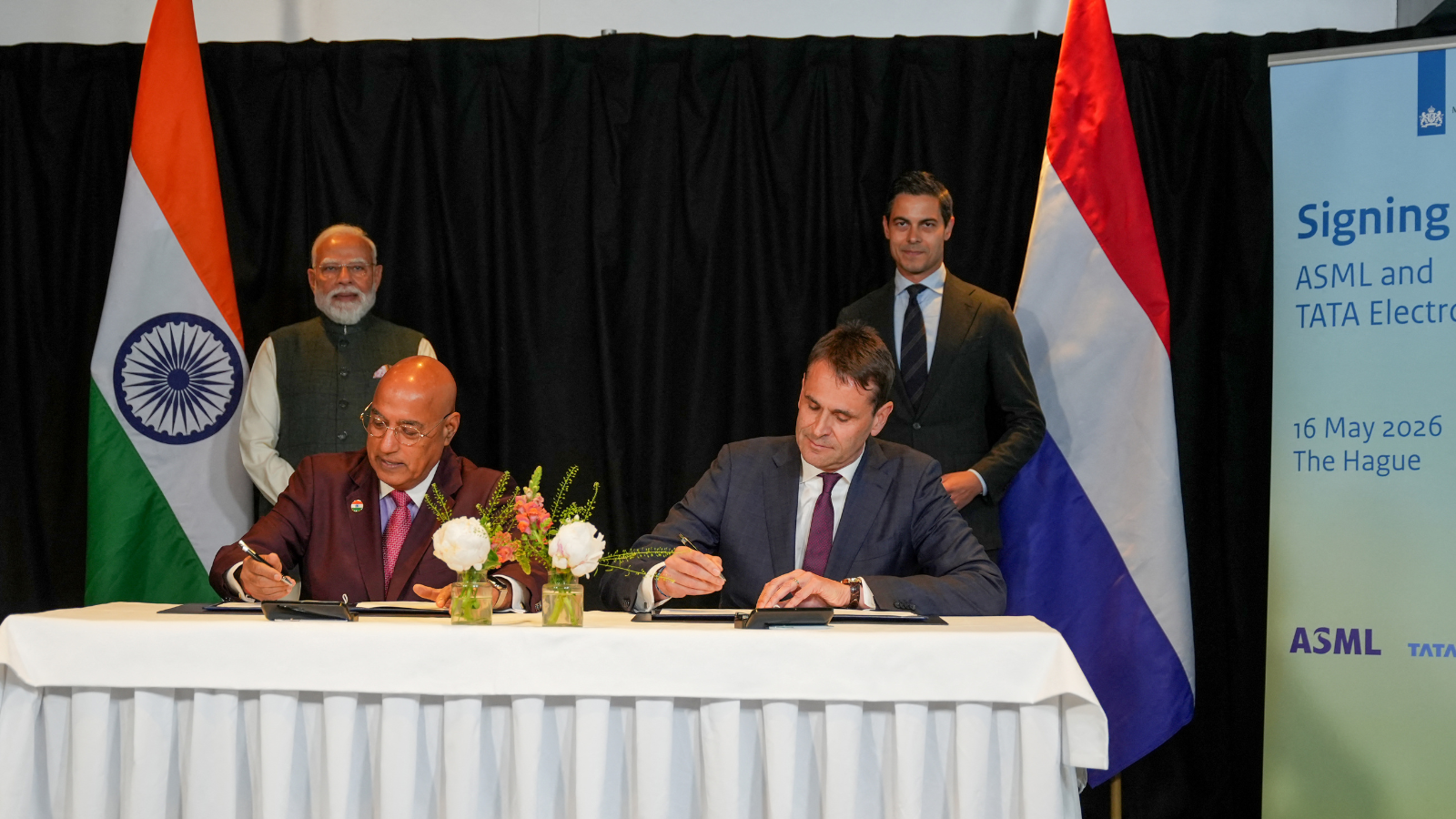
The ASML MoU with Tata Electronics is an indicator of how far the Indian semiconductor ecosystem has come. This ecosystem has been years in the making and represents real commercial logic.

Konark Bhandari
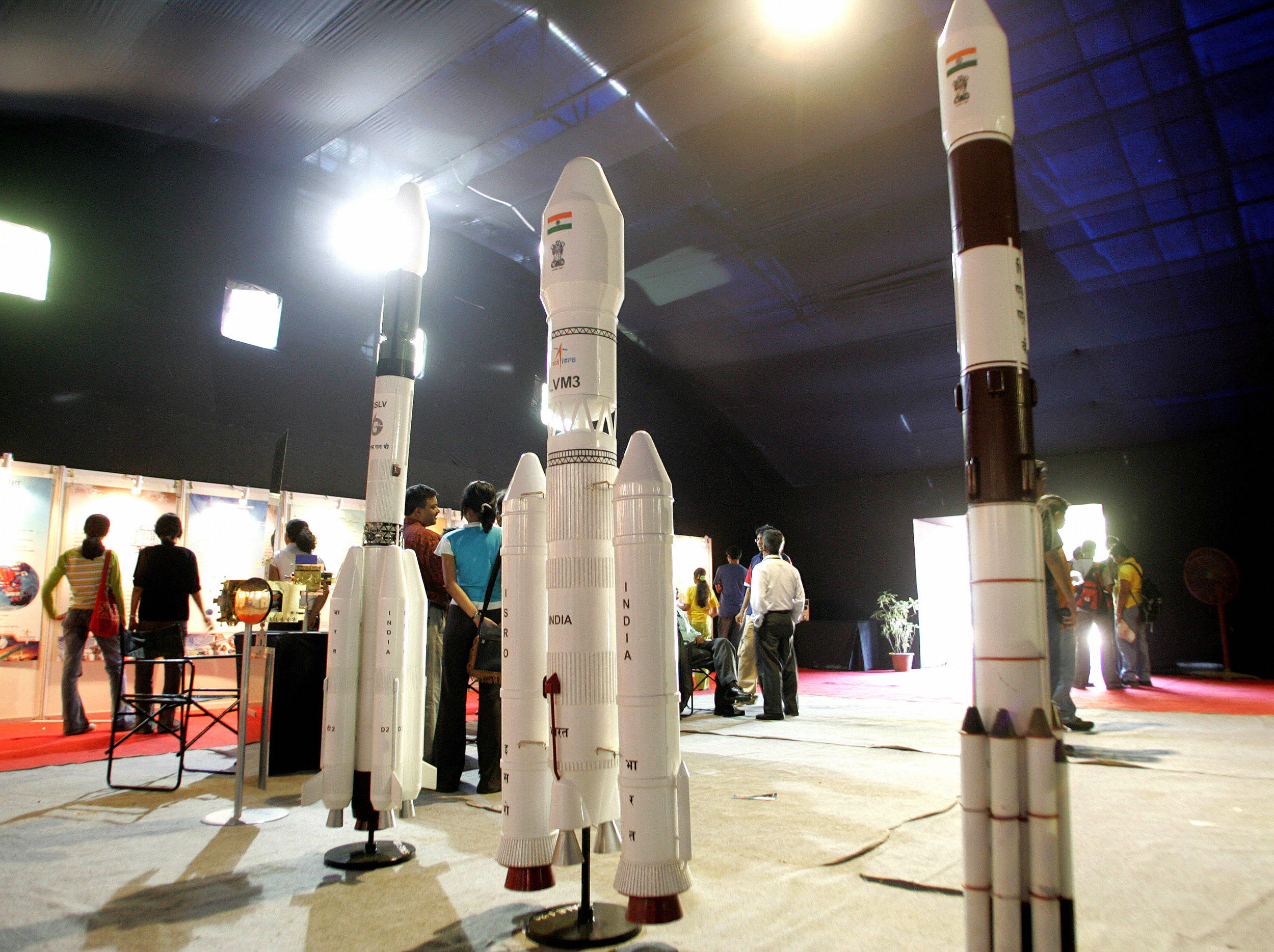
This paper examines the relationship between India’s evolving space policy and the corresponding growth in private space ventures. It analyzes both the enabling factors created by recent regulatory changes and the persistent challenges facing entrepreneurs in this capital-intensive, highly regulated industry.
Harshan Vazhakunnam

A partnership between India, a country of subcontinental size, and Africa, a continent of fifty-four countries, may seem asymmetric until one notes that both are home to nearly the same number of people—1.4 billion. This essay spells out the existing challenges to the partnership, its optimal potential, and the possible pathways to realize it over the next quarter-century.

Rajiv Bhatia

The U.S.–India semiconductor cooperation story is well-stocked with top-level strategic intent. What remains unresolved, however, are some underlying challenges that will determine whether the cooperation actually functions. Three such friction points stand out.

Shruti Mittal