

Commentary
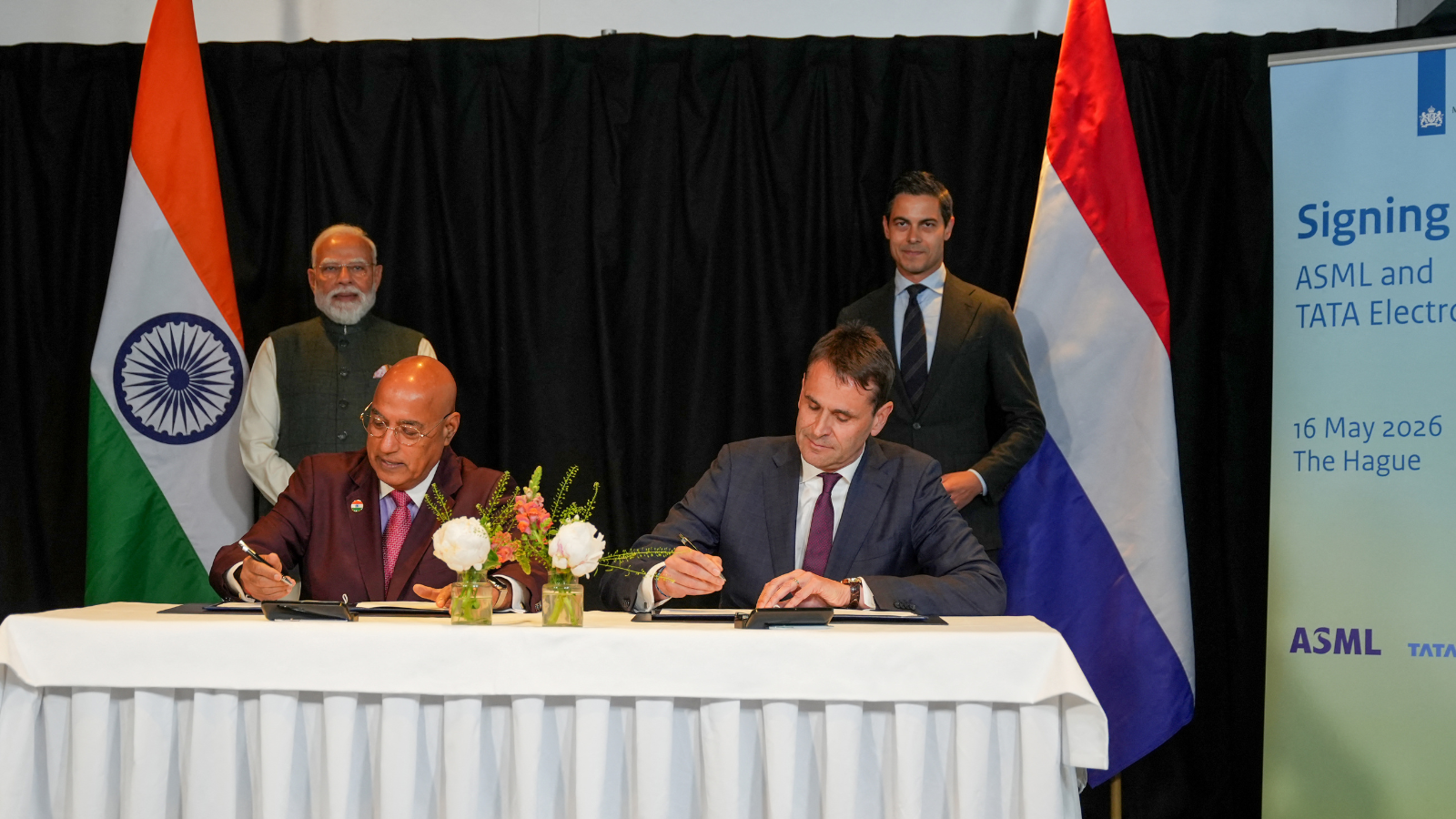
The ASML MoU with Tata Electronics is an indicator of how far the Indian semiconductor ecosystem has come. This ecosystem has been years in the making and represents real commercial logic.
Konark Bhandari
{
  "authors": [
    "Constantino Xavier",
    "Vassilis Ntousas"
  ],
  "type": "other",
  "centerAffiliationAll": "dc",
  "centers": [
    "Carnegie Endowment for International Peace",
    "Carnegie Europe",
    "Carnegie India"
  ],
  "collections": [],
  "englishNewsletterAll": "ctw",
  "nonEnglishNewsletterAll": "",
  "primaryCenter": "Carnegie India",
  "programAffiliation": "SAP",
  "programs": [
    "South Asia",
    "Europe"
  ],
  "projects": [],
  "regions": [
    "South Asia",
    "India",
    "Western Europe",
    "Asia",
    "Iran"
  ],
  "topics": [
    "Foreign Policy"
  ]
}
Source: Getty
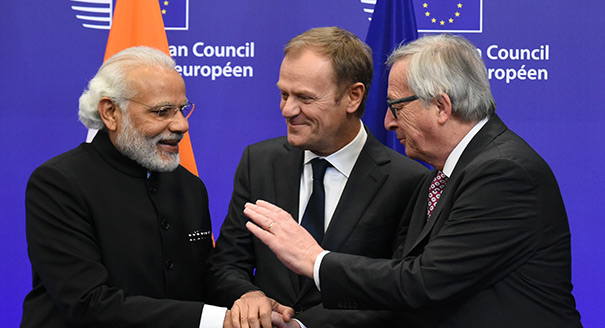
The European Union and India have developed a mature strategic partnership over the years, but the relationship now faces several challenges as Brussels begins to looks inwards and New Delhi to the United States and also eastwards.
Source: Foundation for European Progressive Studies
The European Union and India have developed a mature strategic partnership over the years, but the relationship now faces several challenges as Brussels begins to looks inwards and New Delhi to the United States and also eastwards. This paper argues that despite and also because of such challenges, this is the right moment for greater security engagement between the EU and India. The economic track is being revived, as negotiations continue towards a free trade agreement. Cultural and scientific exchanges have also flourished in recent years. It is now time to move the partnership into greater dialogue, coordination and cooperation in the security sphere.
This policy brief was originally published by the Foundation for European Progressive Studies.
Former Fellow, Carnegie India
Constantino Xavier was a fellow at Carnegie India, based in New Delhi. His research focus is on India’s foreign policy, with emphasis on relations with its neighboring countries and South Asian regional security.
Vassilis Ntousas
International Relations Policy Advisor, FEPS
Carnegie India does not take institutional positions on public policy issues; the views represented herein are those of the author(s) and do not necessarily reflect the views of Carnegie, its staff, or its trustees.
The ASML MoU with Tata Electronics is an indicator of how far the Indian semiconductor ecosystem has come. This ecosystem has been years in the making and represents real commercial logic.

Konark Bhandari
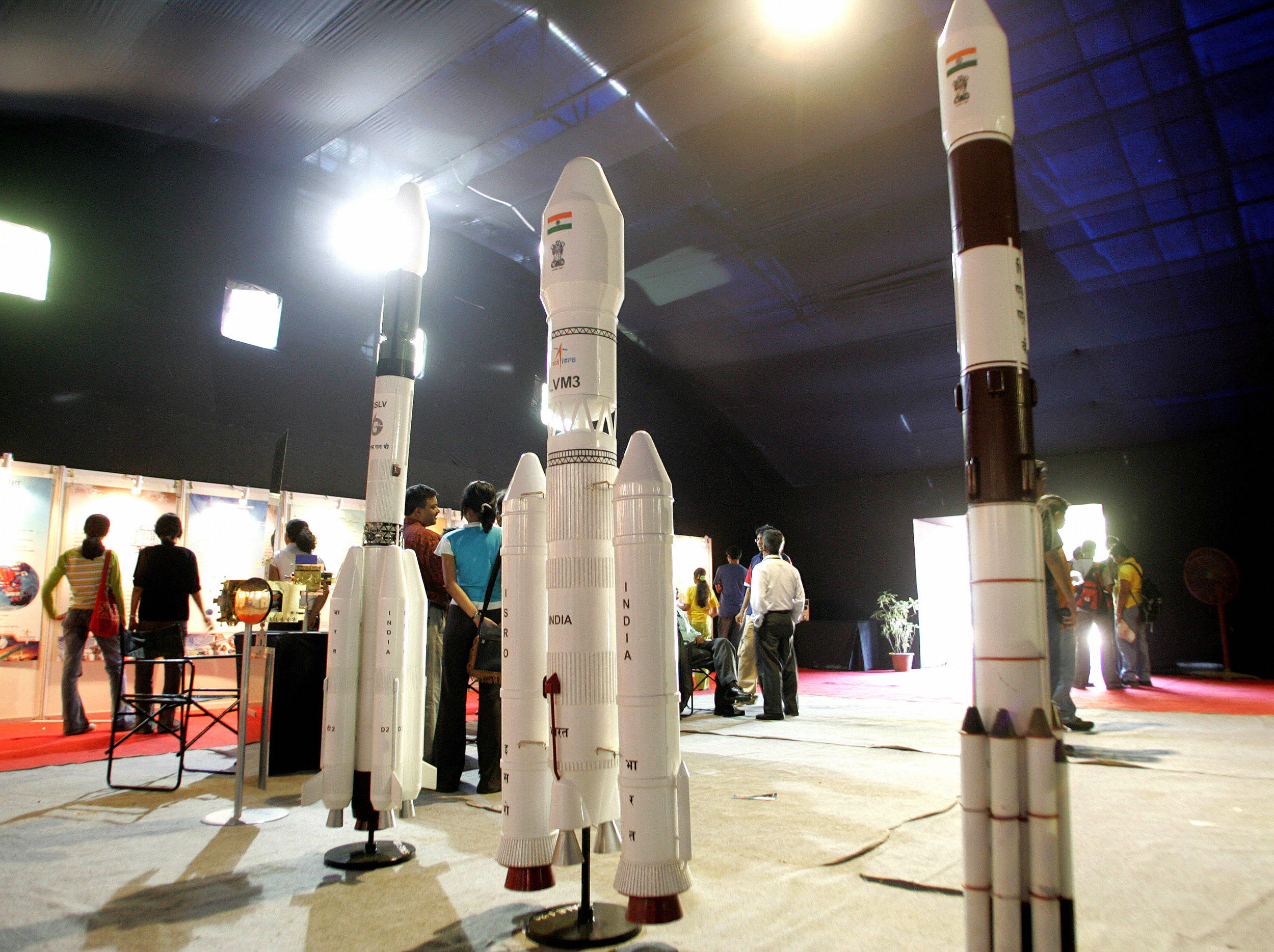
This paper examines the relationship between India’s evolving space policy and the corresponding growth in private space ventures. It analyzes both the enabling factors created by recent regulatory changes and the persistent challenges facing entrepreneurs in this capital-intensive, highly regulated industry.
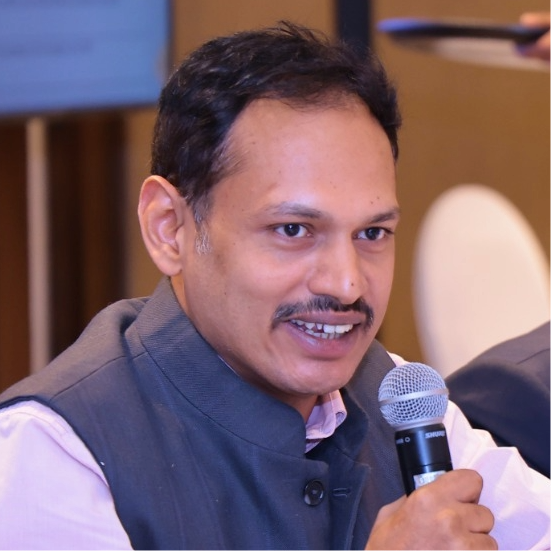
Harshan Vazhakunnam

A partnership between India, a country of subcontinental size, and Africa, a continent of fifty-four countries, may seem asymmetric until one notes that both are home to nearly the same number of people—1.4 billion. This essay spells out the existing challenges to the partnership, its optimal potential, and the possible pathways to realize it over the next quarter-century.

Rajiv Bhatia

The U.S.–India semiconductor cooperation story is well-stocked with top-level strategic intent. What remains unresolved, however, are some underlying challenges that will determine whether the cooperation actually functions. Three such friction points stand out.

Shruti Mittal

The India–EU Free Trade Agreement (FTA) is shaping up to be one of the most consequential trade negotiations, both economically and strategically. But, what’s in the agreement, what’s missing, and what will determine its success in the years ahead

Vrinda Sahai, Nicolas Köhler-Suzuki