

• Research
  • About
  • Experts
Carnegie India logoCarnegie lettermark logo
{
  "authors": [
    "Marc Lynch",
    "Nathan J. Brown",
    "Jocelyne Cesari",
    "Peter Mandaville"
  ],
  "type": "legacyinthemedia",
  "centerAffiliationAll": "dc",
  "centers": [
    "Carnegie Endowment for International Peace"
  ],
  "collections": [
    "Arab Awakening"
  ],
  "englishNewsletterAll": "menaTransitions",
  "nonEnglishNewsletterAll": "",
  "primaryCenter": "Carnegie Endowment for International Peace",
  "programAffiliation": "MEP",
  "programs": [
    "Middle East"
  ],
  "projects": [],
  "regions": [
    "Middle East",
    "North Africa"
  ],
  "topics": [
    "Political Reform",
    "Democracy",
    "Civil Society"
  ]
}

Source: Getty

In The Media

Arguing Islam After the Revival of Arab Politics: Book Discussion With Nathan Brown

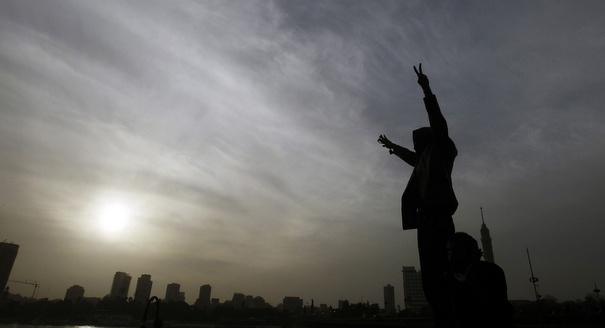
Polarization in the Arab world may be the result of political systems that have opened themselves up to political debate, but not given healthy ways in which to translate political debate into political outcomes.

Link Copied
By Marc Lynch, Nathan J. Brown, Jocelyne Cesari, Peter Mandaville
Published on Nov 16, 2016

Source: Project on Middle East Political Science

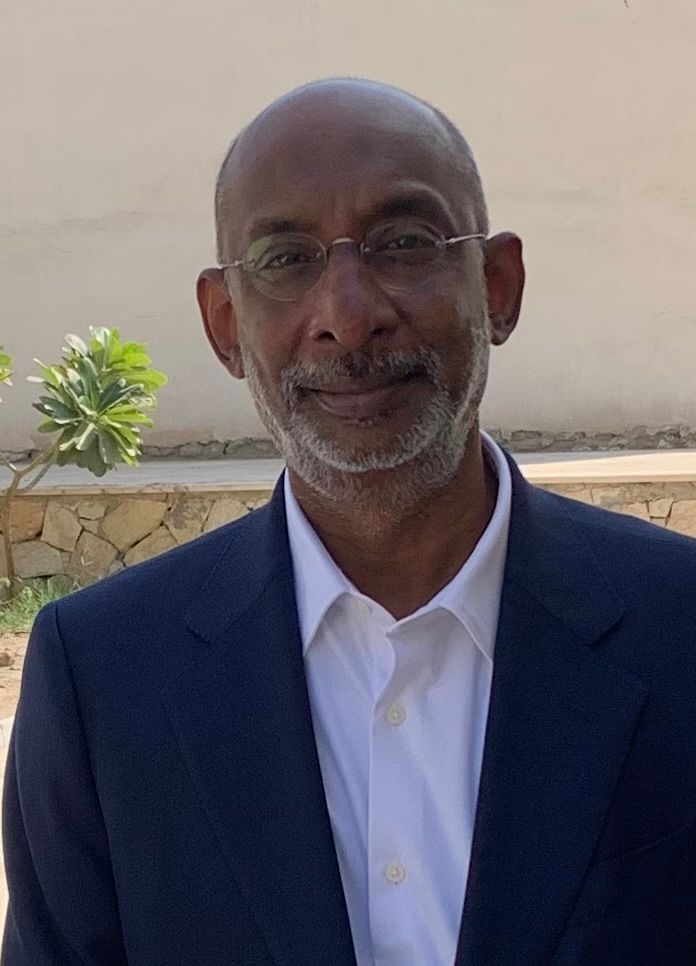
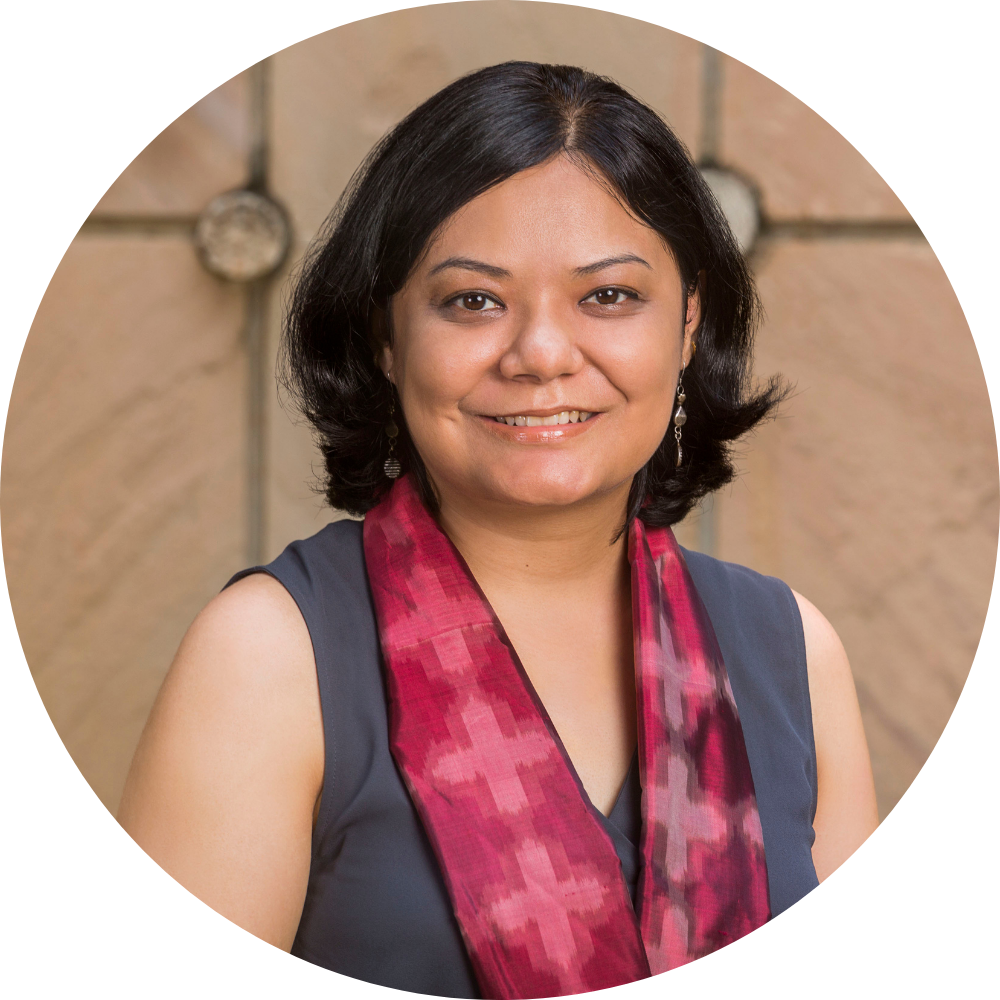
Speaking with the Project on Middle East Political Science, Carnegie’s Nathan J. Brown discussed his latest book, Arguing Islam after the Revival of Arab Politics, with Jocelyne Cesari, a senior fellow at the Berkley Center for Religion, Peace, and World Affairs, Peter Mandaville, a senior advisor to the special representative for religion and global affairs at the U.S. Department of State, and Carnegie’s Marc Lynch. He argued that “the polarization we see so deeply entrenched in the Arab world . . . may not be so much the disease as the symptom. That is to say, not so much the cause but is as an effect very much of political systems that have opened themselves up to political debate, but not given very healthy ways in which to translate political debate into political outcomes.”

This discussion was originally broadcast by the Project on Middle East Political Science.

About the Authors

Marc Lynch

Former Nonresident Senior Fellow, Middle East Program

Marc Lynch was a nonresident senior fellow in Carnegie’s Middle East Program where his work focuses on the politics of the Arab world.

Nathan J. Brown

Nonresident Senior Fellow, Middle East Program

Nathan J. Brown, a professor of political science and international affairs at George Washington University, is a distinguished scholar and author of nine books on Arab politics and governance, as well as editor of five books.

Jocelyne Cesari

Peter Mandaville

Moderator: Peter Mandaville is a professor of international affairs in the Schar School of Policy and Government and co-director of the Ali Vural Ak Center for Global Islamic Studies at George Mason University.

Authors

Marc Lynch
Former Nonresident Senior Fellow, Middle East Program
Marc Lynch
Nathan J. Brown
Nonresident Senior Fellow, Middle East Program
Nathan J. Brown
Jocelyne Cesari
Peter Mandaville

Moderator: Peter Mandaville is a professor of international affairs in the Schar School of Policy and Government and co-director of the Ali Vural Ak Center for Global Islamic Studies at George Mason University.

Political ReformDemocracyCivil SocietyMiddle EastNorth Africa

Carnegie India does not take institutional positions on public policy issues; the views represented herein are those of the author(s) and do not necessarily reflect the views of Carnegie, its staff, or its trustees.

More Work from Carnegie India

  • Article
    Risk and Retaliation: Israel, Iran, and the Evolving Situation in West Asia

    An Israeli response to Iran’s October 1 attack is imminent. The key question is of its intensity and potential fallout, both within Iran, in terms of nuclear security policy changes, and across the broader region. The coming days are likely to reshape West Asia irreversibly.

      Gaddam Dharmendra

  • REQUIRED IMAGE
    Commentary
    Is U.S. Foreign Policy Too Hostile to China?

    Experts weigh in on whether the United States is too hostile toward China.

      Stephen Wertheim, Evan S. Medeiros, Vijay Gokhale

  • Paper
    India’s Sustained Economic Recovery Will Require Changes to Its Bankruptcy Law

    As India’s economy recovers from the coronavirus pandemic, Indian businesses need efficient financial structures to regain their ground. Key reforms to India’s Insolvency and Bankruptcy Code could fill these gaps.

      Anirudh Burman

  • Paper
    Cross-Border Data Access for Law Enforcement: What Are India’s Strategic Options?

    Access to cross-border data is an integral piece of the law enforcement puzzle. India is well placed to lead the discussions on international data agreements subject to undertaking necessary surveillance reforms.

      Smriti Parsheera, Prateek Jha

  • Article
    The BRI in Post-Coronavirus South Asia

    After the coronavirus pandemic wanes, how will China’s reorientation of the Belt and Road Initiative to address global health concerns influence its relationships with South Asian countries?

      Deep Pal, Rahul Bhatia

Get more news and analysis from
Carnegie India
Carnegie India logo, white
Unit C-4, 5, 6, EdenparkShaheed Jeet Singh MargNew Delhi – 110016, IndiaPhone: 011-40078687
  • Research
  • About
  • Experts
  • Projects
  • Events
  • Contact
  • Careers
  • Privacy
  • For Media
Get more news and analysis from
Carnegie India
© 2026 Carnegie Endowment for International Peace. All rights reserved.