

Article
C. Raja Mohan, Darshana M. Baruah
{
  "authors": [
    "C. Raja Mohan"
  ],
  "type": "other",
  "centerAffiliationAll": "dc",
  "centers": [
    "Carnegie Endowment for International Peace",
    "Carnegie India"
  ],
  "collections": [],
  "englishNewsletterAll": "ctw",
  "nonEnglishNewsletterAll": "",
  "primaryCenter": "Carnegie India",
  "programAffiliation": "SAP",
  "programs": [
    "South Asia"
  ],
  "projects": [],
  "regions": [
    "United States",
    "South Asia",
    "Afghanistan",
    "North America"
  ],
  "topics": [
    "Foreign Policy",
    "Security",
    "Military"
  ]
}
Source: Getty
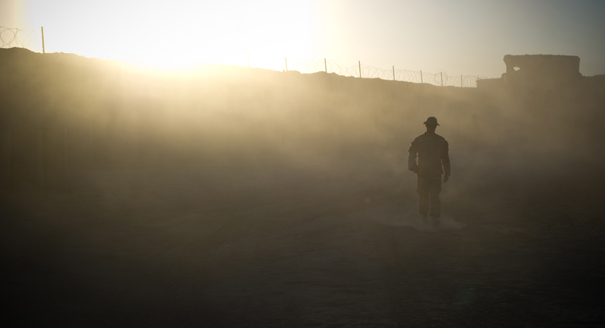
U.S. President Donald Trump’s reset of Afghan strategy marks an important discontinuity in Washington’s approach to South Asia.
Source: Institute of South Asian Studies
The United States President Donald Trump’s reset of Afghan strategy marks an important discontinuity in America’s approach to South Asia. Washington's new strategy, crafted after an agonising reappraisal of American goals in Afghanistan and the means to achieve them, has come in the face of Trump’s own personal skepticism about continuing the American military involvement after 17 futile years. Whether it succeeds or not, Trump’s new assertiveness in Afghanistan is bound to intensify the current churn in the geopolitics of the Indian subcontinent.
Former Nonresident Senior Fellow, Carnegie India
A leading analyst of India’s foreign policy, Mohan is also an expert on South Asian security, great-power relations in Asia, and arms control.
Recent Work

C. Raja Mohan, Darshana M. Baruah


Alexander Gabuev, Paul Haenle, C. Raja Mohan, …
Carnegie India does not take institutional positions on public policy issues; the views represented herein are those of the author(s) and do not necessarily reflect the views of Carnegie, its staff, or its trustees.

A partnership between India, a country of subcontinental size, and Africa, a continent of fifty-four countries, may seem asymmetric until one notes that both are home to nearly the same number of people—1.4 billion. This essay spells out the existing challenges to the partnership, its optimal potential, and the possible pathways to realize it over the next quarter-century.

Rajiv Bhatia

The U.S.–India semiconductor cooperation story is well-stocked with top-level strategic intent. What remains unresolved, however, are some underlying challenges that will determine whether the cooperation actually functions. Three such friction points stand out.

Shruti Mittal

The India–EU Free Trade Agreement (FTA) is shaping up to be one of the most consequential trade negotiations, both economically and strategically. But, what’s in the agreement, what’s missing, and what will determine its success in the years ahead

Vrinda Sahai, Nicolas Köhler-Suzuki
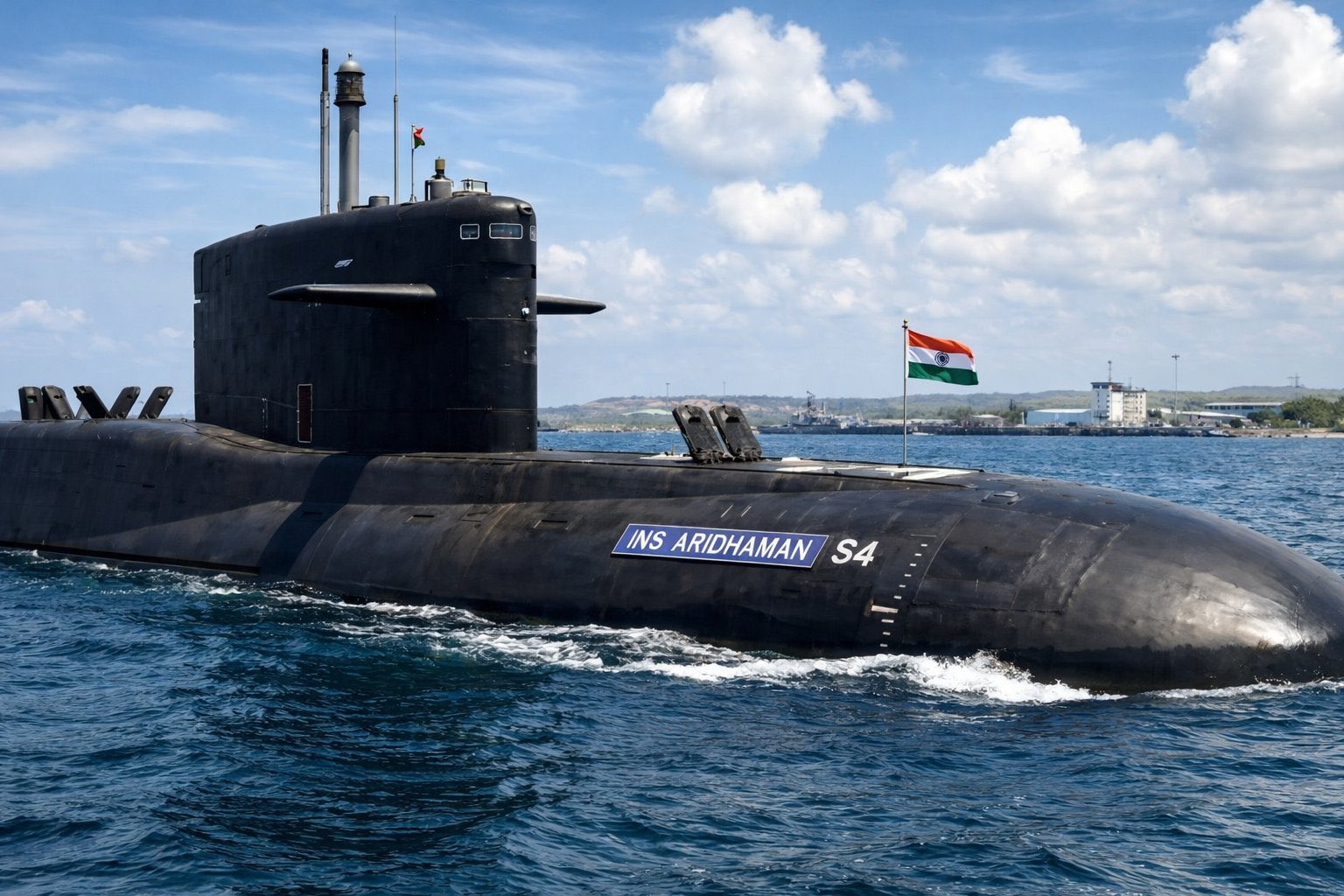
The induction of INS Aridhaman, which features several technological enhancements, now gives India the third nuclear ballistic missile submarine to ensure continuous at-sea deterrent.

Dinakar Peri

This piece argues that the present Indian strategy, based on opportunistic diversification and utilization of limited strategic reserves, remains inadequate when confronting supply disruptions. It evaluates India’s options in the short, medium, and long terms.
Vrinda Sahai