

Commentary
Nathan J. Brown
{
  "authors": [
    "Nathan J. Brown"
  ],
  "type": "legacyinthemedia",
  "centerAffiliationAll": "dc",
  "centers": [
    "Carnegie Endowment for International Peace",
    "Malcolm H. Kerr Carnegie Middle East Center"
  ],
  "collections": [],
  "englishNewsletterAll": "menaTransitions",
  "nonEnglishNewsletterAll": "",
  "primaryCenter": "Carnegie Endowment for International Peace",
  "programAffiliation": "MEP",
  "programs": [
    "Middle East"
  ],
  "projects": [],
  "regions": [
    "Middle East",
    "Saudi Arabia",
    "Gulf"
  ],
  "topics": [
    "Political Reform",
    "Religion"
  ]
}
Source: Getty
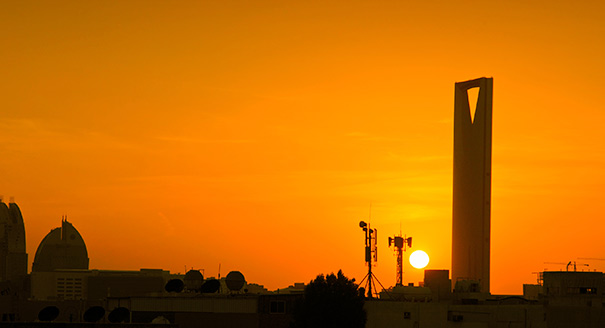
The role of sharia in the Saudi state is likely to undergo significant changes.
Source: Washington Post
Early last month, the Saudi parliament held a biting public constitutional debate about enforcing Islamic law, one with far-reaching implications for how the kingdom is governed. The argument was part of a larger struggle over subduing the Hay’a, the body (often referred to as the “Religious Police”) that enforces moral and religious values in public places.
Parliament? Constitution? Sort of, but there’s a bit of exaggeration there.
Biting public debate about religion? Yes.
In Saudi Arabia now, foreign policy debates are monitored and dissenting opinions squelched. Religious debates are much more freewheeling and wide open. The religious police being rendered toothless or even abolished? The first has happened; the Hay’a no longer has police powers. The second seems unlikely because it may be unnecessary, but it is under discussion.
Since the early decades of the Saudi state, the Hay’a, whose full name is generally translated as the “Committee for Promoting Virtue and Combating Vice,” enforced its interpretation of Islamic strictures on public behavior. Its personnel are sometimes known as mutaww’in, or volunteers. They have prevented vice with enthusiasm, focusing to varying degrees over the years on mixed-gender gatherings, the closure of business places during prayer times and honest practices in public markets.
The Hay’a is best known internationally for enforcing strict dress codes for women, sometimes with force. It has also taken the first part of its mission — promoting virtue — seriously by distributing religious materials. Most recently, the Hay’a made international headlines by tracking down a woman who appeared in a video wearing a short skirt in a public place. It appears that she was delivered to the regular police and public prosecution, who declined to pursue a case.
But despite its title of “Committee” and its designation as “Volunteers,” the Hay’a is a highly bureaucratized official autonomous body attached to the cabinet. It presents itself as being deputized by the ruler to carry out his duties to enforce Islamic law; it also cites a series of official regulations for the nature of its authority and structure. But while it feels deputized by the ruler, Hay’a members act in accordance with their own understanding of what sharia requires, sometimes even coming under criticism from pious supporters as going too far.
A year ago, Saudi authorities clipped the Hay’a’s wings quite short — it can nag but no longer police. Saudis report that the all-visible institution has become less visible. Even when it is seen, it seems far less relevant to the public life it had regulated to various degrees for decades.
These past few months, rumors have been rife that the Hay’a’s days are numbered. Before a recent visit to Saudi Arabia, I was told jokingly that I may not find it by the time I arrived. No move has yet been made, but in July, the Saudi Consultative Assembly — a body that does not have full legislative authority but does review and discuss policy and public administration — debated a recommendation that the Hay’a be folded in to the ministry of Islamic affairs. The Interior Ministry is also mentioned as a possible host for the body. Such steps would be a serious bureaucratic demotion for the Hay’a, which has enjoyed considerable autonomy as a free-standing body.
The parliamentary debate hardly determined the fate of the Hay’a. But it is a mark that such discussions have become fully public in Saudi Arabia, which is sharply polarized about the Hay’a — and about the role of religion in Saudi society and in public life more generally.
For some, the Hay’a is necessary to maintain order and public morality; for others, it is a retrograde body that has a history of enforcing rules in a thuggish manner. Those who live in Saudi Arabia have experienced significant variations in the Hay’a’s role and presence — but rarely has its existence been up for discussion.
The Saudi state seems to be consolidating itself. The country’s rulers are rearranging fiefdoms to suit their needs, bringing others to heel, and increasingly, abolition is discussed. Such a drastic step would be a surprising departure. The Hay’a has a constituency in support of its work. Its personnel are drawn from pious parts of Saudi society whose influence has diminished over state policy but who still might be seen as costly to alienate totally by depriving them of their jobs.
But if the Hay’a clings to life, the role of sharia in the Saudi state is likely to undergo significant changes. Some leading Saudi scholars have suggested that the Hay’a needs to be careful to implement only those interpretations of Islamic law that have been settled among scholars and endorsed by the rulers.
Others have gone further, suggesting arguments that would extend the restrictions from the Hay’a to the judiciary. One assembly member said that in any matter on which scholars do not agree, only the ruler can decide which interpretation will be enforced — and he does not think much of the idea of the ruler deputizing others (such as police or judges) to decide which interpretation of Islamic law should prevail.
The range of issues on which scholars all disagree is, of course, limited. In that sense, almost all the law in force would be that which the king had decreed. Should such views prevail more broadly, sharia will not disappear from public life, but the system in which Saudi judges and other officials are granted leeway to act in accordance with their own scholarship and interpretations is clearly eroding.
This article was originally published in the Washington Post.

Nonresident Senior Fellow, Middle East Program
Nathan J. Brown, a professor of political science and international affairs at George Washington University, is a distinguished scholar and author of nine books on Arab politics and governance, as well as editor of five books.
Recent Work
Nathan J. Brown
Nathan J. Brown
Carnegie India does not take institutional positions on public policy issues; the views represented herein are those of the author(s) and do not necessarily reflect the views of Carnegie, its staff, or its trustees.
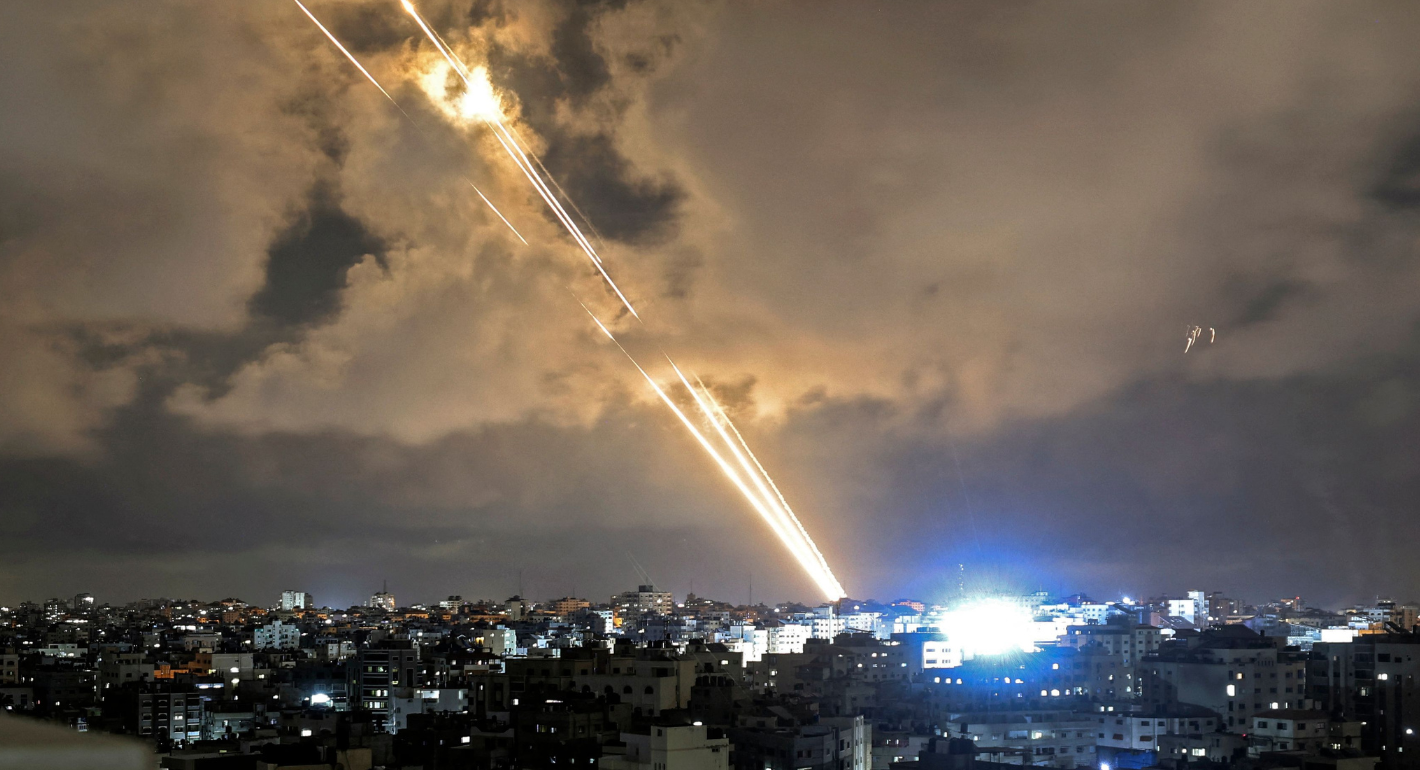
An Israeli response to Iran’s October 1 attack is imminent. The key question is of its intensity and potential fallout, both within Iran, in terms of nuclear security policy changes, and across the broader region. The coming days are likely to reshape West Asia irreversibly.
Gaddam Dharmendra
As India’s economy recovers from the coronavirus pandemic, Indian businesses need efficient financial structures to regain their ground. Key reforms to India’s Insolvency and Bankruptcy Code could fill these gaps.

Anirudh Burman

Access to cross-border data is an integral piece of the law enforcement puzzle. India is well placed to lead the discussions on international data agreements subject to undertaking necessary surveillance reforms.
Smriti Parsheera, Prateek Jha
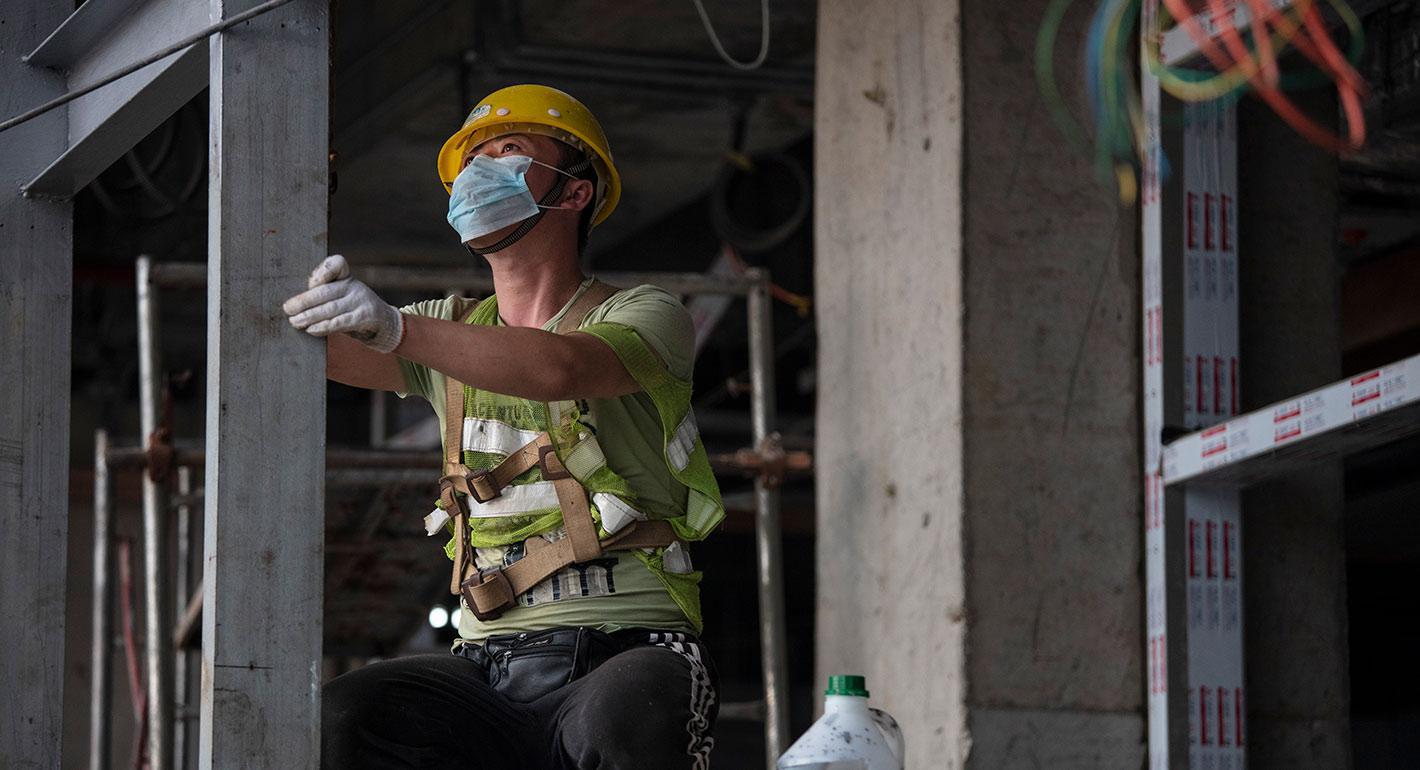
After the coronavirus pandemic wanes, how will China’s reorientation of the Belt and Road Initiative to address global health concerns influence its relationships with South Asian countries?
Deep Pal, Rahul Bhatia
Early in the outbreak, government researchers forecast several high-risk scenarios that were downplayed or ignored in public messaging.
Gautam I. Menon