

Report
- +2
George Perkovich, Jessica Tuchman Mathews, Joseph Cirincione, …
{
  "authors": [
    "Jon Wolfsthal"
  ],
  "type": "other",
  "centerAffiliationAll": "dc",
  "centers": [
    "Carnegie Endowment for International Peace"
  ],
  "collections": [
    "Korean Peninsula"
  ],
  "englishNewsletterAll": "ctw",
  "nonEnglishNewsletterAll": "",
  "primaryCenter": "Carnegie Endowment for International Peace",
  "programAffiliation": "NPP",
  "programs": [
    "Nuclear Policy"
  ],
  "projects": [],
  "regions": [
    "East Asia",
    "North Korea"
  ],
  "topics": [
    "Nuclear Policy"
  ]
}
Source: Getty
To reduce danger, we need less bombast and better communication.
Source: USA Today
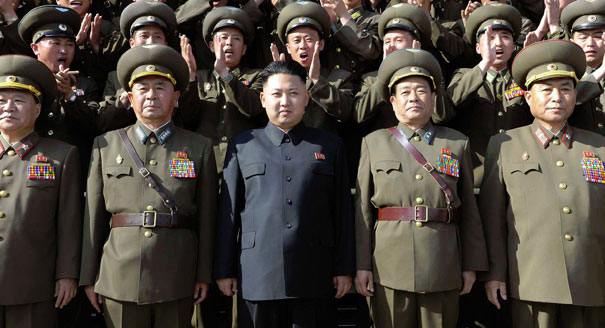
America’s top priority must be to avoid a second Korean war. Yet such a war is closer than ever and appears almost inevitable unless America changes the approach President Trump has been using since he took office. The greatest risk of war with North Korea is not sudden action by Kim Jong Un, but Kim responding to a perceived attack by Trump. North Korea foreign minister Ri Yong-ho drove that home Monday when he called Trump’s threats against his country “a clear declaration of war.”
The United States has been in a technical state of war with North Korea since the end of the Korean War in 1953. Every president since Dwight D. Eisenhower has had to navigate the risk of conflict with North Korea. What’s new is Trump’s bombastic approach to this long-standing challenge—his personal insults, crazy tweets and threat at the United Nations to "totally destroy North Korea."
Kim knows North Korea cannot win a war with the United States and that his only hope of survival is to strike fast and hard to stop a conflict before it gets going and he starts to lose. This is the strategy that led North Korea to deploy thousands of long-range artillery pieces near Seoul, and that is the thinking behind its nuclear program. Hit hard, hit first, seek a truce.
This article was originaly published in USA Today
Former Nonresident Scholar, Nuclear Policy Program
Jon Wolfsthal was a nonresident scholar with the Nuclear Policy Program.
Recent Work


George Perkovich, Jessica Tuchman Mathews, Joseph Cirincione, …
Jon Wolfsthal
Carnegie India does not take institutional positions on public policy issues; the views represented herein are those of the author(s) and do not necessarily reflect the views of Carnegie, its staff, or its trustees.

This piece examines the strategic implications of Bhutan’s diplomatic efforts amid its border dispute with China, highlighting the thin ice it walks on to achieve a resolution without compromising its vital relationships.

Shibani Mehta
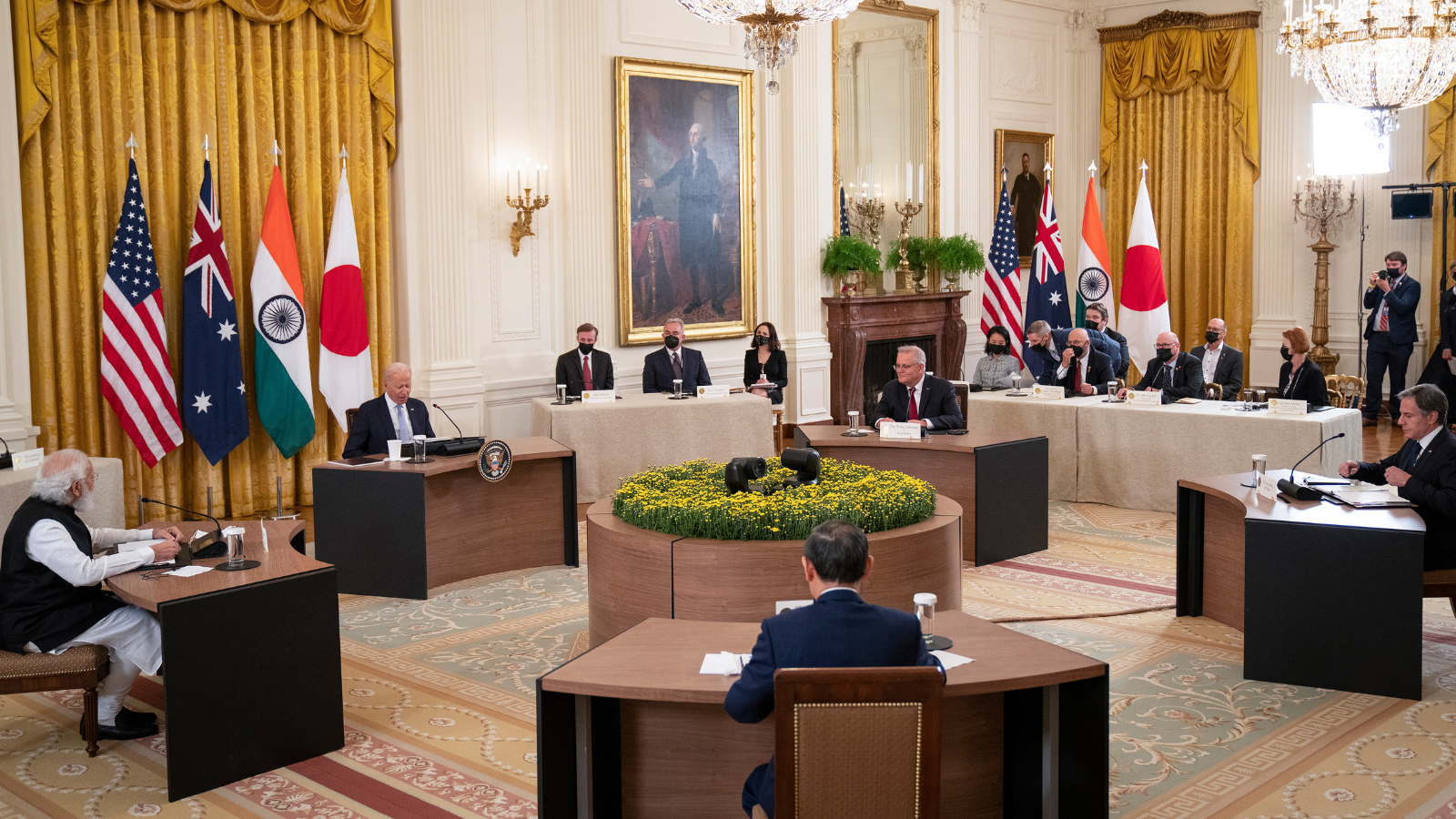
With India set to host the sixth Quad Leaders' Summit in 2024, there is every opportunity for this minilateral to not only develop a DPI initiative but also execute pilots in the Indo-Pacific. This essay shares a rationale for how the four Quad countries could achieve this goal.


Rudra Chaudhuri, Aadya Gupta
How can India navigate export control measures at a time when it is also entering into technology-centric partnerships with other nations to secure enhanced access to advanced technology?

Konark Bhandari
This article examines the significance of the 2013, 2014, and 2015 border standoffs between India and China. It presents a detailed account of the border crises and how the two countries tried to manage them.
Shibani Mehta
Contrary to some recent analyses, this commentary explains why a strategic détente between India and China is unlikely.

Saheb Singh Chadha