

Commentary
Peter Kellner
{
  "authors": [
    "Peter Kellner"
  ],
  "type": "legacyinthemedia",
  "centerAffiliationAll": "",
  "centers": [
    "Carnegie Endowment for International Peace",
    "Carnegie Europe"
  ],
  "collections": [
    "Brexit and UK Politics"
  ],
  "englishNewsletterAll": "",
  "nonEnglishNewsletterAll": "",
  "primaryCenter": "Carnegie Europe",
  "programAffiliation": "",
  "programs": [],
  "projects": [],
  "regions": [
    "Europe",
    "Western Europe",
    "United Kingdom"
  ],
  "topics": [
    "EU"
  ]
}
Source: Getty
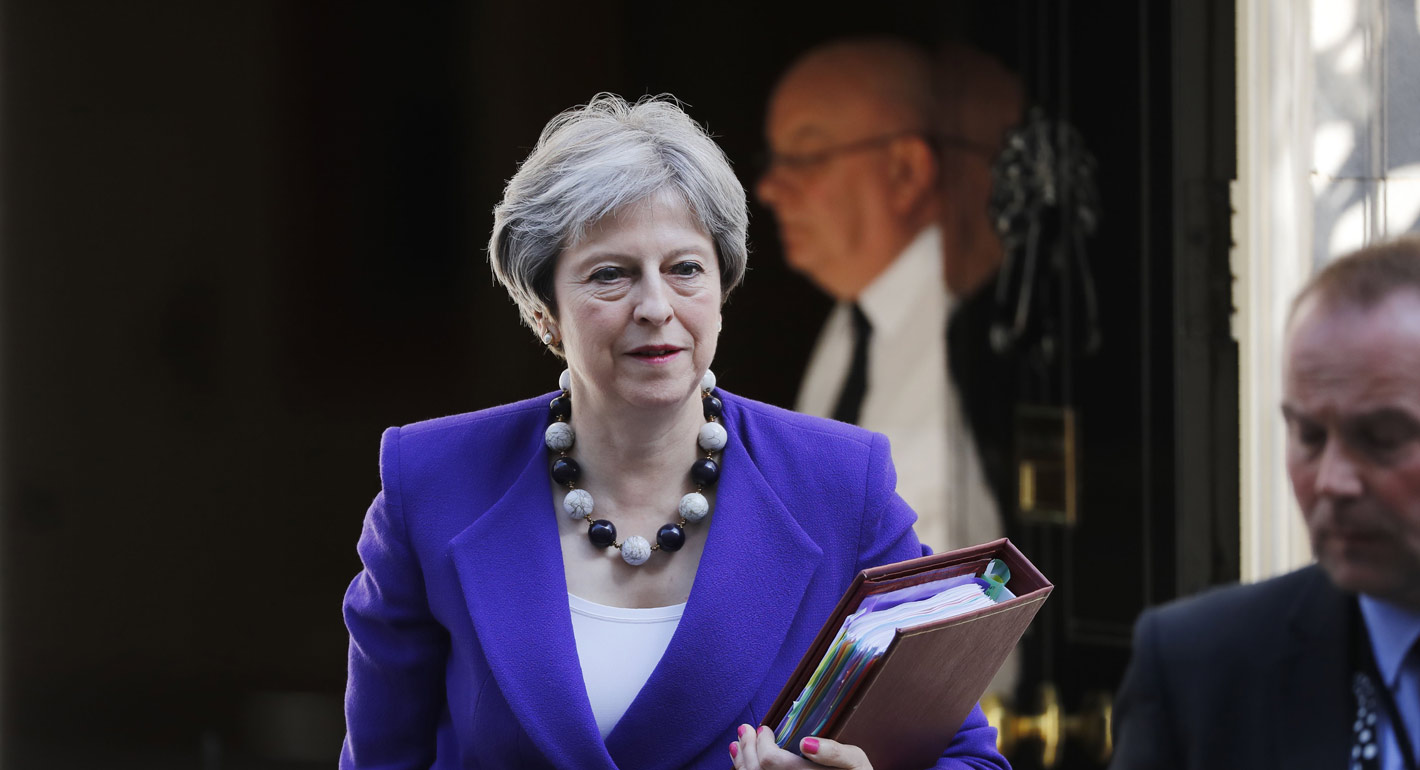
If the talks for the UK’s exit from the European Union fall apart, it could precipitate a major crisis for Britain’s government and Parliament.
Source: Axios
Wednesday’s summit of European leaders, which followed another meeting last month, failed to produce a breakthrough in the Brexit talks. If the negotiations fall apart, it could precipitate a major crisis for Britain’s government and Parliament.
The big picture: If the March 29, 2019, withdrawal date comes without an agreement on the day-to-day U.K.–EU relationship, MPs would urgently seek a way to resolve the crisis. All potential solutions are likely to involve a U.K. request to delay withdrawal, with a new referendum being the most likely outcome.
Delaying the withdrawal is allowed under Article 50 of the Lisbon Treaty. However, it would need the unanimous consent of the other 27 members of the EU. Beyond this commonality, there are various ways in which events could unfold:
The bottom line: A referendum would likely generate a majority vote to remain in the EU: The UK’s demographics are moving in a pro-EU direction, and some voters have changed their minds. Faced with the prospect of a no-deal Brexit and its economic harm, more voters may opt for the safety of the status quo. But, as in 2016, the outcome would be far from certain.
Former Nonresident Scholar, Carnegie Europe
Kellner was a nonresident scholar at Carnegie Europe, where his research focused on Brexit, populism, and electoral democracy.
Recent Work
Peter Kellner
Peter Kellner
Carnegie India does not take institutional positions on public policy issues; the views represented herein are those of the author(s) and do not necessarily reflect the views of Carnegie, its staff, or its trustees.
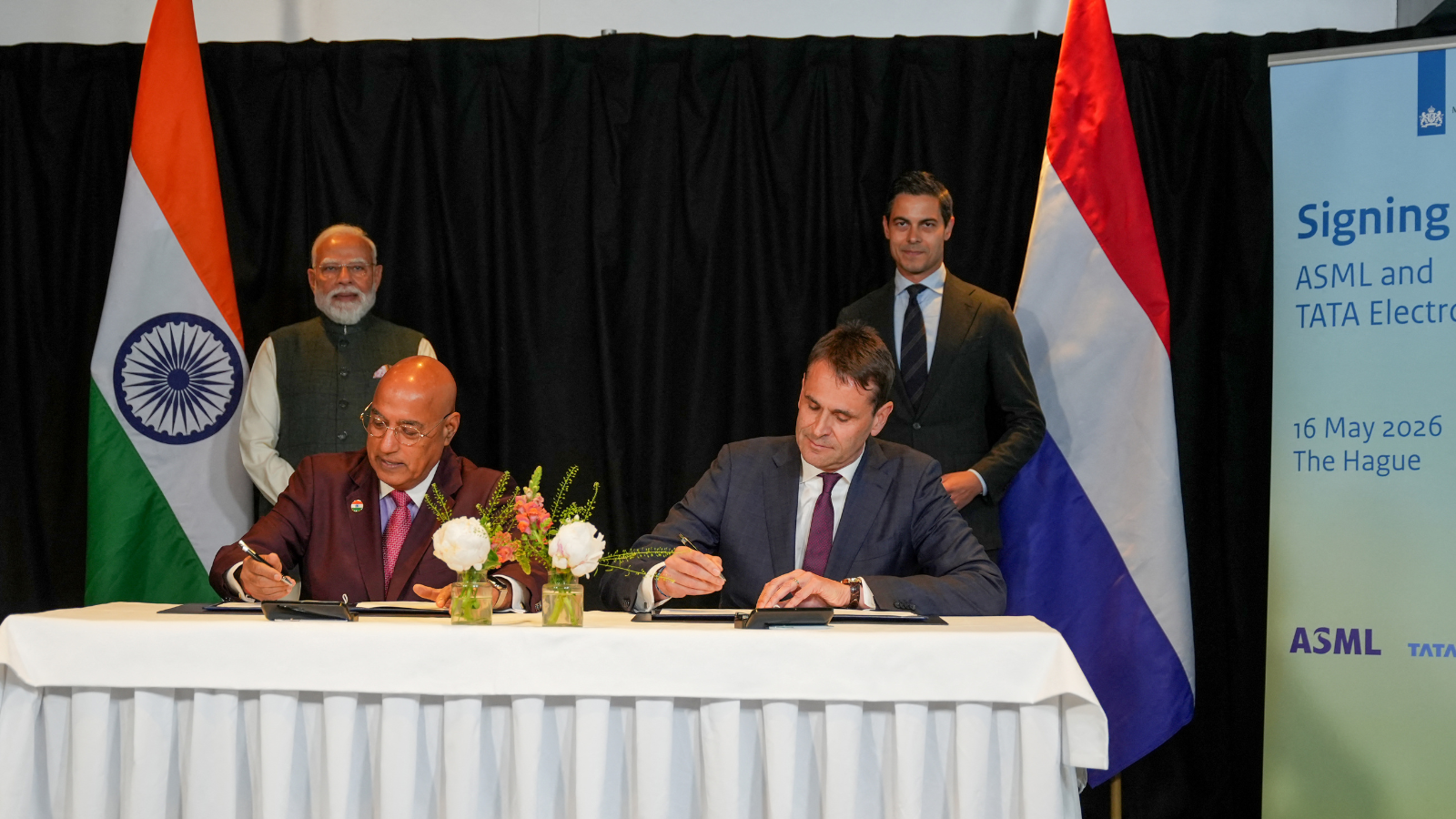
The ASML MoU with Tata Electronics is an indicator of how far the Indian semiconductor ecosystem has come. This ecosystem has been years in the making and represents real commercial logic.

Konark Bhandari

The India–EU Free Trade Agreement (FTA) is shaping up to be one of the most consequential trade negotiations, both economically and strategically. But, what’s in the agreement, what’s missing, and what will determine its success in the years ahead

Vrinda Sahai, Nicolas Köhler-Suzuki
The Technology and Security Initiative (TSI) ought to be more strategic, especially at a time of geopolitical displacement. This is an opportunity to fuse two deep technology ecosystems to co-produce and co-innovate solutions, products, and emerging technologies of the future.


Rudra Chaudhuri, Tejas Bharadwaj, Konark Bhandari, …
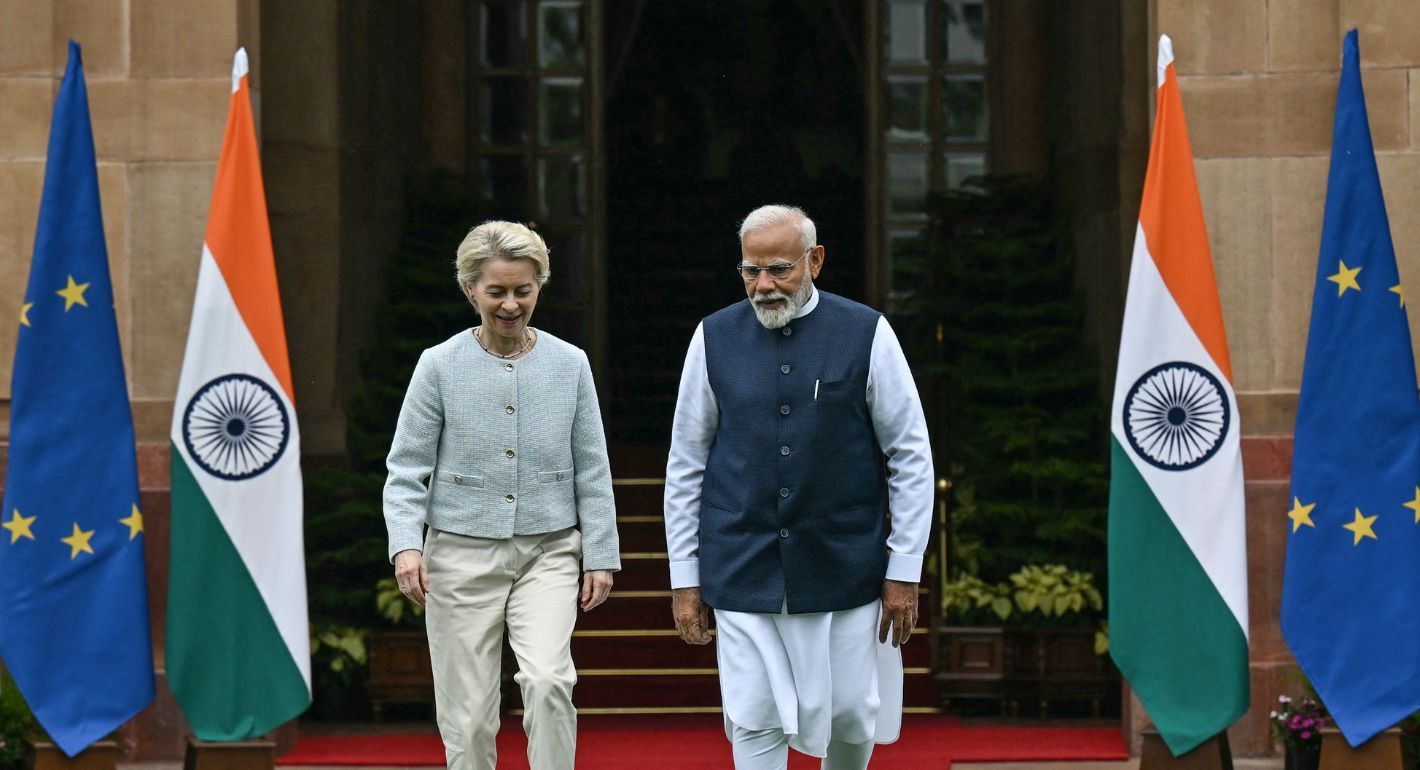
This article argues that the geopolitical circumstances have never been more conducive, not merely for the early conclusion of the free trade agreement (FTA) between India and the EU, but also for crafting a substantive and comprehensive strategic partnership.

Mohan Kumar
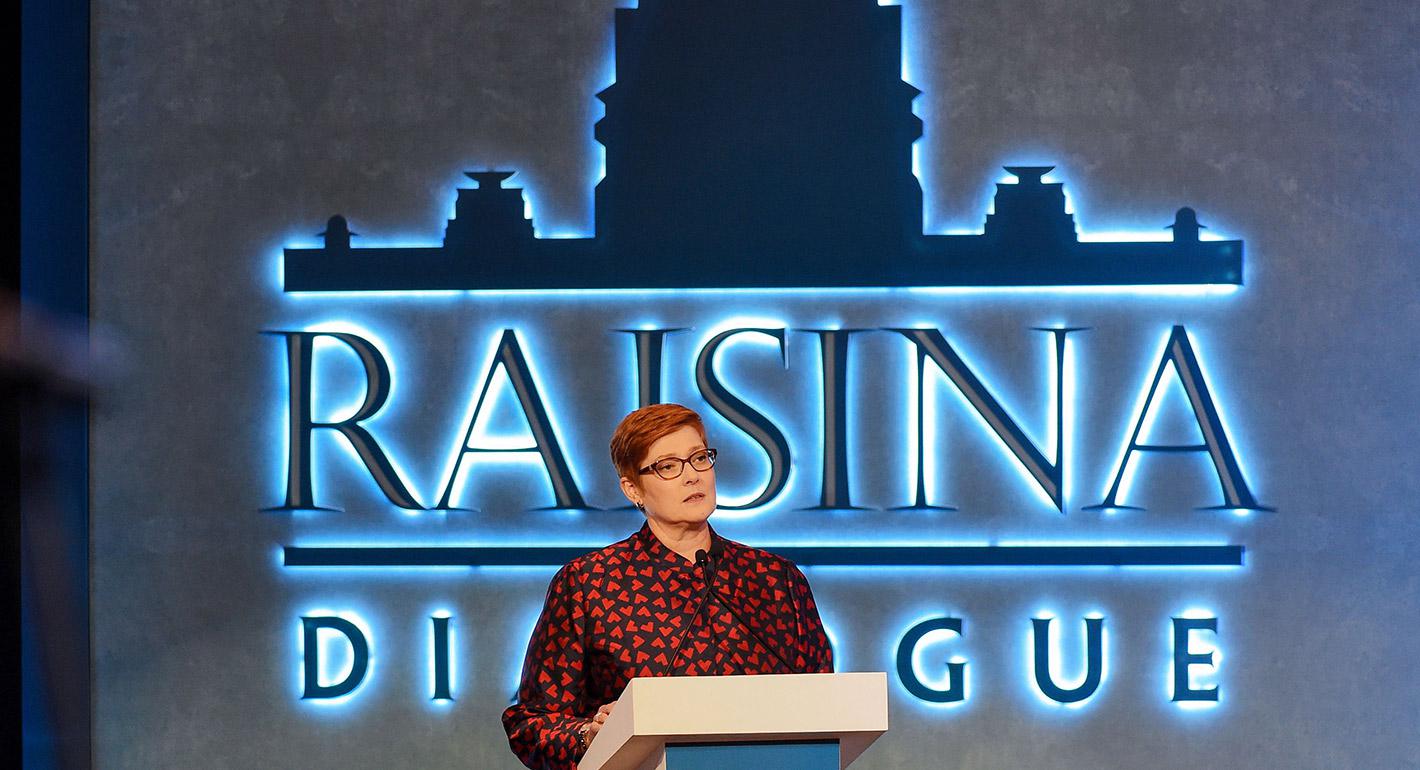
Foreign ministers from India, France, and Australia recently met (virtually) at the Raisina Dialogue, India’s flagship annual conference on geopolitics and geoeconomics. What can they get done if they work together?

Rudra Chaudhuri, Shibani Mehta