

Article
Dalia Ghanem
{
  "authors": [
    "Dalia Ghanem"
  ],
  "type": "commentary",
  "centerAffiliationAll": "",
  "centers": [
    "Carnegie Endowment for International Peace",
    "Malcolm H. Kerr Carnegie Middle East Center"
  ],
  "collections": [
    "Arab Awakening",
    "Arab Spring 2.0"
  ],
  "englishNewsletterAll": "",
  "nonEnglishNewsletterAll": "",
  "primaryCenter": "Malcolm H. Kerr Carnegie Middle East Center",
  "programAffiliation": "",
  "programs": [],
  "projects": [],
  "regions": [
    "Maghreb",
    "North Africa",
    "Algeria"
  ],
  "topics": [
    "Democracy",
    "Civil Society"
  ]
}
Source: Getty
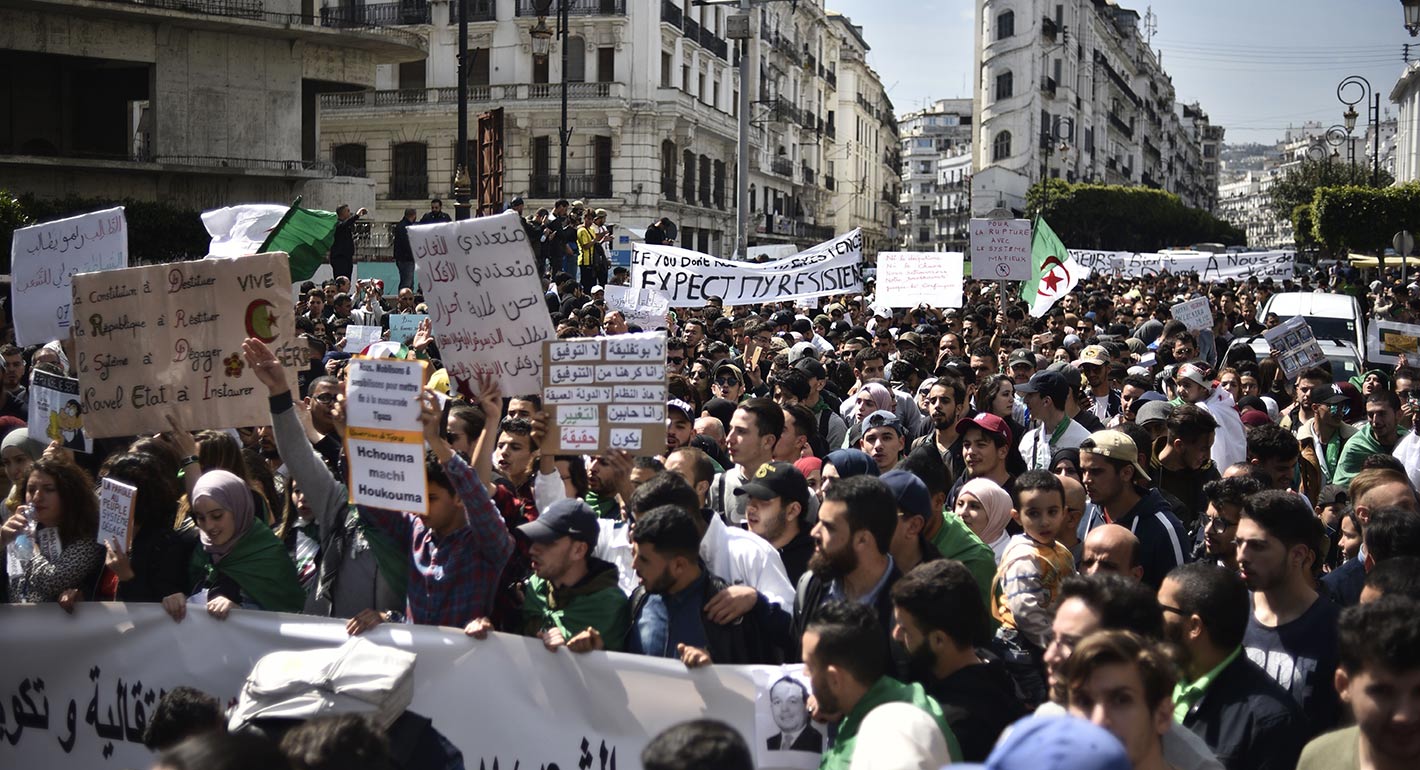
Since February 22, thousands and then millions of Algerians have taken to the streets every Friday to protest against the fifth term of their ailing eighty-two-year-old president, Abdelaziz Bouteflika.
On February 24, I went back to my country, Algeria, to try to understand Algerians’ expectations for the upcoming presidential elections. Since February 22, thousands and then millions of Algerians have taken to the streets every Friday to protest against the fifth term of their ailing eighty-two-year-old president, Abdelaziz Bouteflika. From the northern capital, Algiers, to the southern city of Tamanrasset, this movement has impressed the world with its scale and nature. Algerians have kept their movement leaderless and their protests silmiya, or peaceful, and hadhariya, civil. But the movement has caught the regime off guard.
I marched with protesters with the eyes of a political analyst but with the heart of my identity: an Algerian citizen. I took these photos in Algiers during the March 22 and March 29 demonstrations.

It was around 2 p.m., and Friday prayer was over. This is when we started marching. The sun was shining, and people were “happy to march for their dignity” as many told me. Children were on their fathers’ shoulders carrying the Algerian flag. The mood was playful, yet I could feel the determination of the protesters.

The streets were full and two men helped me get on top of a platform to take this picture. At this moment, people began chanting all in one voice. The chant was a children’s song, but the protesters turned the lyrics into a political slogan—“Allah Allah ya baba, djina nedou el ‘issaba,” or “Allah Allah my father, we came to take down the gang.” The gang they sang of is a reference to Bouteflika and his clan.

Even though the movement is leaderless, it is organized—primarily through social media. Calls for writing songs, slogans, and signs, and managing the security have circulated on social media, especially on Facebook. This is how one local committee of volunteers was created to protect people and to detect the baltagiya, paid henchmen of the Algerian government. Many feared that the regime would be tempted to dispatch these henchmen to attack protesters or that the regime would order police to provoke chaos to try and sully the image of the peaceful demonstrations.

Happy, friendly, and above all “proud to be Algerian” was what I heard over and over. Protesters marched toward Algiers’s landmark, la Grande Poste. In a country where taking pictures in the street can be seen as suspicious, this day people had no problem being photographed. Algerian flags were worn on shoulders and around the neck. Slogans and songs were funny, yet sharp. At this moment, the crowd chanted a leader’s name like “Bouteflika, Ben Salah, Said” or a party’s name, “FLN, RND,” and the answer would come … “degage,” get out!

“Everyone can contribute [their] way,” said this protester, who chose to clean up the streets. The participants embodied the Algerian motto of hadhariya, civil. Many protesters had trash bags and dedicated their time to cleaning up during and after the protests. The photos and videos of the cleanup reached the Algerian diaspora who demonstrated in the streets of Paris, Montréal, and Boston and imitated this attitude, cleaning as their protests went along.

The fraternity and solidarity during the protests was moving. People helped the protesters by giving them free food and beverages. In this photo, hot tea and kesra, traditional bread, is being offered to protesters. Shops stayed open and owners said they were not afraid of any material damage. “This is the sixth Friday without one drop of blood. Algerians showed what they are capable of: silmiya it is and it will remain,” said one shop owner.

La Grande Poste was so full of people that for the first time I felt that my city, the city of my youth, cannot hold all these people. The ambience was that of a party. People were happy to take back public space, to speak up for their rights, to voice their disapproval and say “enough!” At this moment, people were chanting a patriotic song entitled “Min Jibalina,” meaning “From Our Mountains,” a song of the war of independence (1954–1962). From our mountains came the shouts of the freemen, calling us to independence.

“This is our legacy, and we are bringing them too.” Protests have been peaceful and civil to the extent that many women and men brought their children with them to protest. These children are the future of the country. The “revolution of happiness,” as it has been called on Facebook, is also their revolution.

It was almost 5:30 p.m. and, as the protesters agreed on social media, the time when they would start leaving the street to avoid any confrontation with the police. The day’s protests ended peacefully.
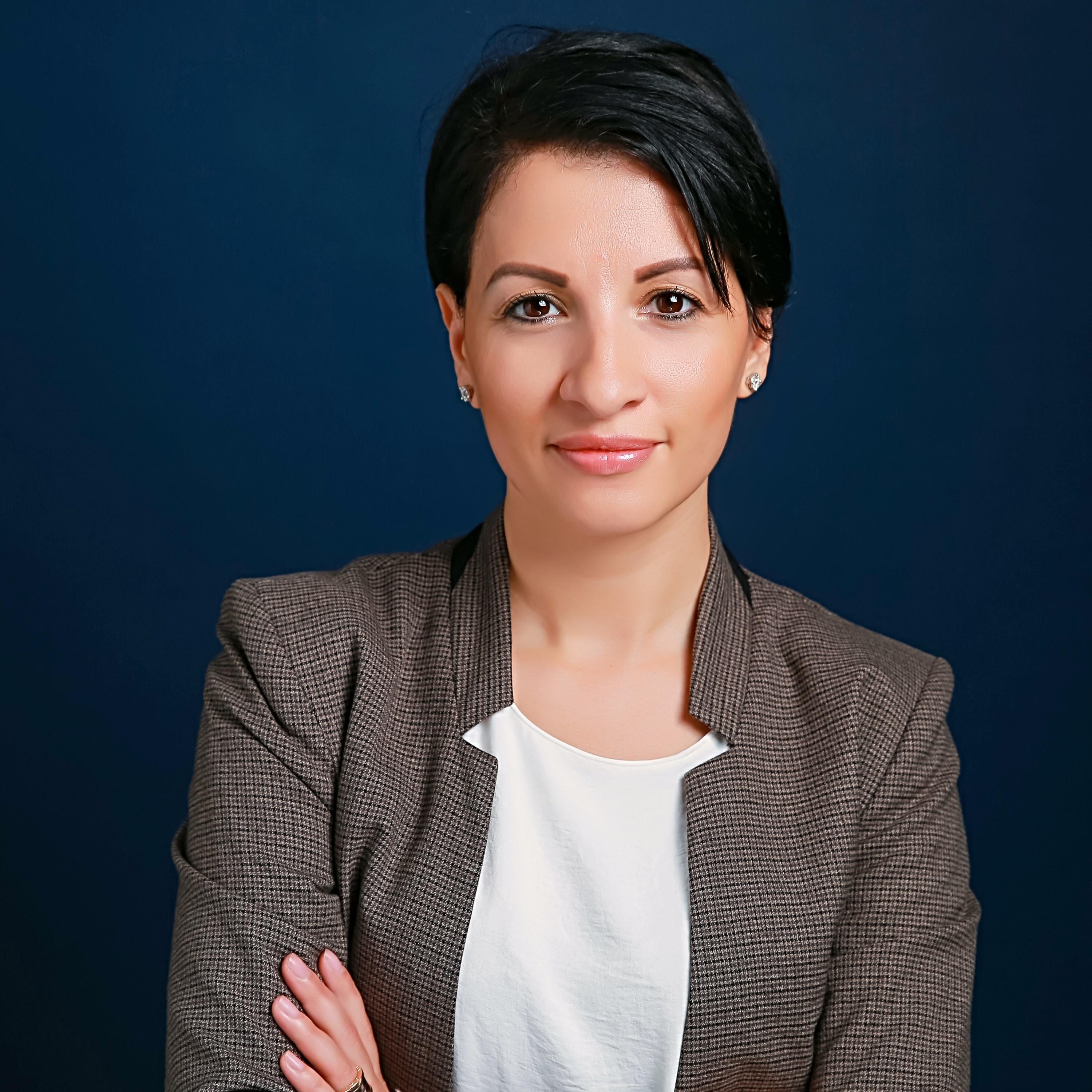
Former Senior Resident Scholar, Malcolm H. Kerr Carnegie Middle East Center
Dalia Ghanem was a senior resident scholar at the Malcolm H. Kerr Carnegie Middle East Center in Beirut, where her research focuses on Algeria’s political, economic, social, and security developments. Her research also examines political violence, radicalization, civil-military relationships, transborder dynamics, and gender.
Recent Work
Dalia Ghanem


Frances Z. Brown, Judy Dempsey, Dalia Ghanem, …
Carnegie India does not take institutional positions on public policy issues; the views represented herein are those of the author(s) and do not necessarily reflect the views of Carnegie, its staff, or its trustees.

A partnership between India, a country of subcontinental size, and Africa, a continent of fifty-four countries, may seem asymmetric until one notes that both are home to nearly the same number of people—1.4 billion. This essay spells out the existing challenges to the partnership, its optimal potential, and the possible pathways to realize it over the next quarter-century.

Rajiv Bhatia

Experts weigh in on whether the United States is too hostile toward China.

Stephen Wertheim, Evan S. Medeiros, Vijay Gokhale
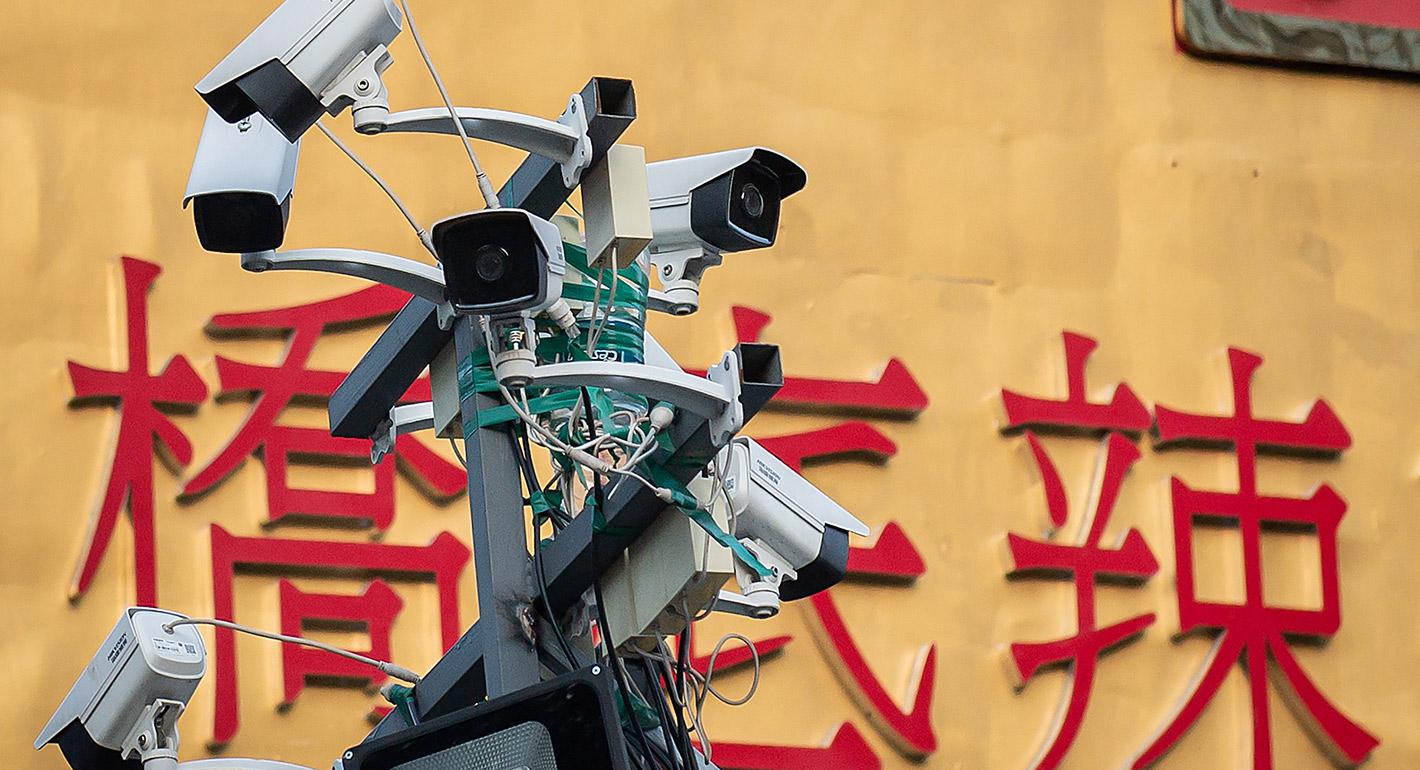
Governments around the world are turning to new forms of digital surveillance to monitor the spread of the coronavirus, though they are mostly using existing laws to do so.
Anirudh Burman
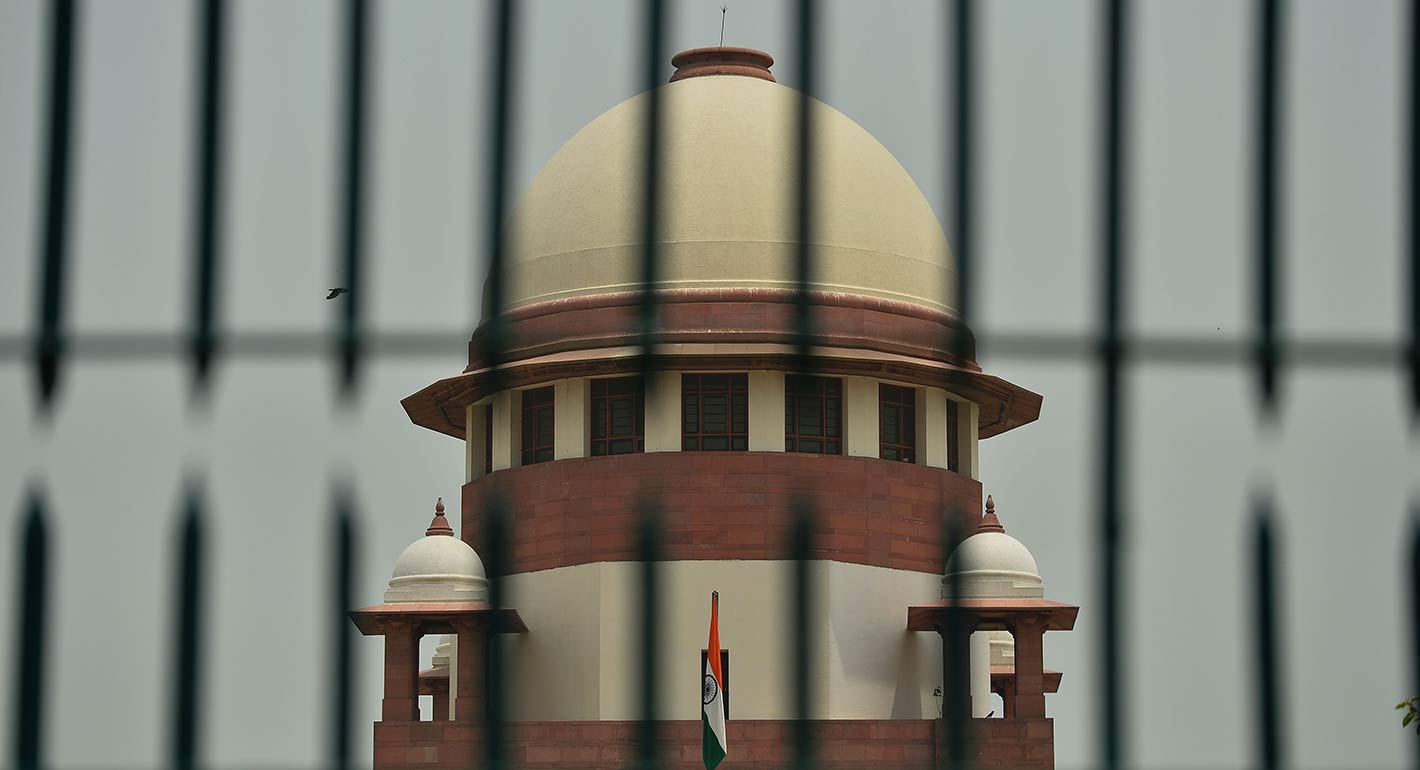
In recent years, some of the most dramatic situations in Indian public life have arisen in the higher judiciary—an arm of the state ideally characterized by collegiality, scholarship, predictability, and remoteness from raucous politics.
Suyash Rai, Anirudh Burman
There are many lessons to be drawn from the darker days of India’s political history. The one that ought to be demystified is the view that the suspension or promotion of democracy necessarily stuns or shocks international leaders to the extent that those in India might expect them to.

Rudra Chaudhuri