

Commentary
Peter Kellner
{
  "authors": [
    "Peter Kellner"
  ],
  "type": "legacyinthemedia",
  "centerAffiliationAll": "dc",
  "centers": [
    "Carnegie Endowment for International Peace",
    "Carnegie Europe"
  ],
  "collections": [
    "EU Integration and Enlargement",
    "Brexit and UK Politics"
  ],
  "englishNewsletterAll": "ctw",
  "nonEnglishNewsletterAll": "",
  "primaryCenter": "Carnegie Europe",
  "programAffiliation": "EP",
  "programs": [
    "Europe"
  ],
  "projects": [],
  "regions": [
    "Europe",
    "Western Europe",
    "United Kingdom",
    "Iran"
  ],
  "topics": [
    "EU"
  ]
}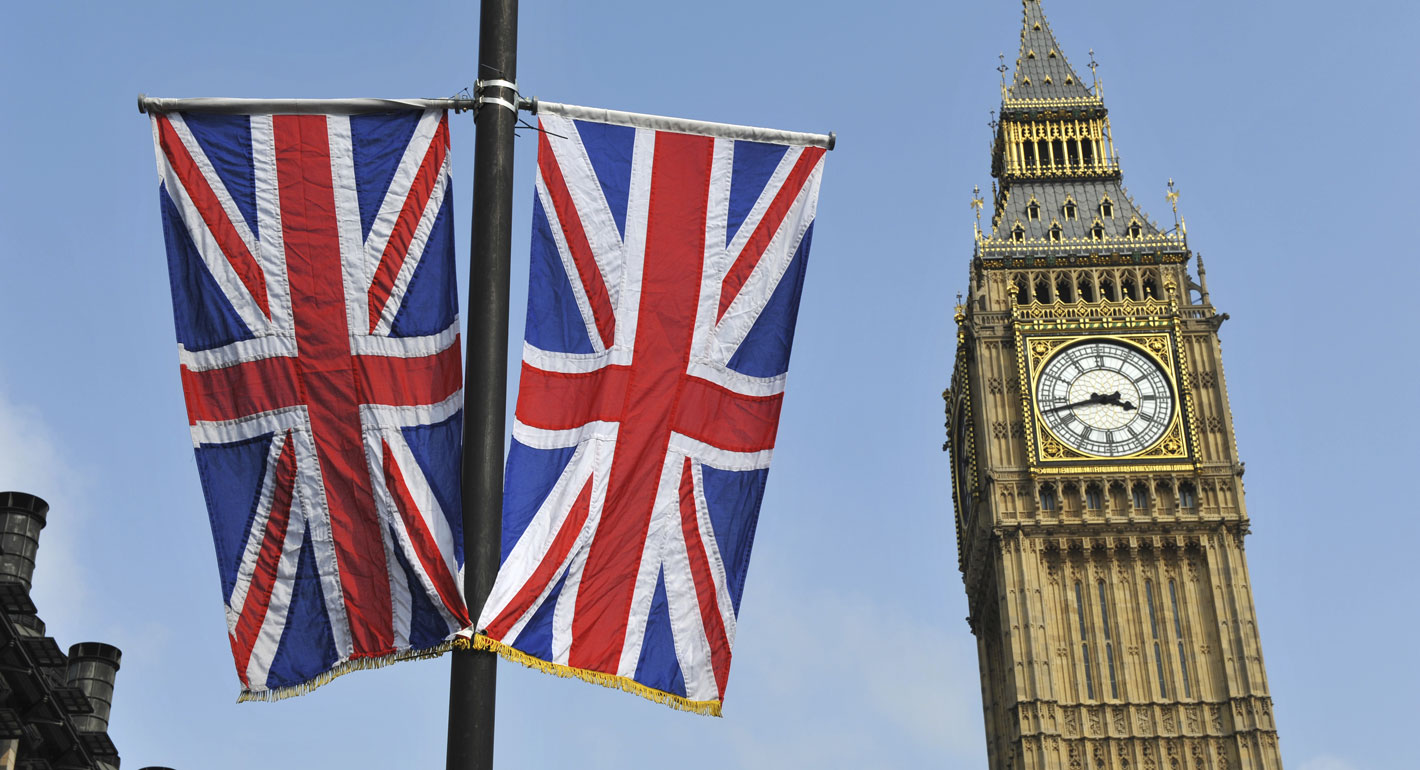
Source: Getty
Calling an election once Brexit has happened would offer a huge advantage for Boris Johnson. Taking on a possibly revived Labour party would be more fruitful than going up against Nigel Farage.
Source: Guardian
Boris Johnson seems to have taken Lynton Crosby’s advice, to deny any intention of calling an autumn general election once he’s installed in Downing Street – while, in fact, keeping his options open. The Tory frontrunner might also ask his election strategist what are the chances of leading the Conservatives to victory, and securing a large enough majority to implement Brexit on his terms.
Two polls out this week tell very different stories, especially about the threat from the Brexit party.
While YouGov has the Tories and the Brexit party neck and neck, on 24% and 23% respectively, Ipsos Mori shows Tory supporters outnumbering Nigel Farage’s party by more than two to one (26% to 12%).Which is right? There is no simple answer. The big difference between the two companies is that Ipsos-Mori conducted its survey by phone, and asked respondents how they would vote, without including the Brexit party in the initial list they gave respondents. YouGov conducted its survey online and presented respondents with a list of parties including the Brexit party. By reminding people about Nigel Farage’s party in the main voting question, YouGov seems to have doubled its support.
In a general election – even more than in the election six weeks ago for the European parliament – the media will give Farage and his candidates plenty of exposure. The gap between the figures from prompted and unprompted voting intention questions will narrow. This suggests YouGov would be the better guide.
However, to the extent that voters feel they are choosing a government rather than making a protest, the Brexit party’s support may well be squeezed – and end up nearer Ipsos Mori’s figure.
The fate of the Brexit party’s support matters to Johnson. It may well not win a single seat. But if it siphons off enough of his voters, it could cost him dozens of Conservative seats where Labour or the Liberal Democrats came a close second two years ago. According to Ipsos Mori, 15% of those who voted Tory in 2017 would vote for the Brexit party today. That’s 2 million lost votes.
That’s bad enough for Johnson, though a strong election campaign might reduce that figure substantially. But YouGov, with its prompted question, says that 38% of those who voted Tory two years ago would back Farage today. That, for Johnson, is a catastrophic 5 million voters. Even if that figure could be halved during the course of an election campaign, it would leave dozens of Conservative MPs in marginal seats facing defeat, and could spell an early end to his premiership.
A separate YouGov survey conducted last week suggests a way Johnson could avoid that risk. Like this week’s poll, it shows the Conservatives and the Brexit party level-pegging, this time with 22% each. But YouGov went on to ask people how they would vote: a) if Johnson was prime minister, Jeremy Corbyn was still Labour’s leader and the Brexit saga remained unresolved; and b) if Johnson had already taken Britain out of the EU. . . .

Former Nonresident Scholar, Carnegie Europe
Kellner was a nonresident scholar at Carnegie Europe, where his research focused on Brexit, populism, and electoral democracy.
Recent Work
Peter Kellner
Peter Kellner
Carnegie India does not take institutional positions on public policy issues; the views represented herein are those of the author(s) and do not necessarily reflect the views of Carnegie, its staff, or its trustees.
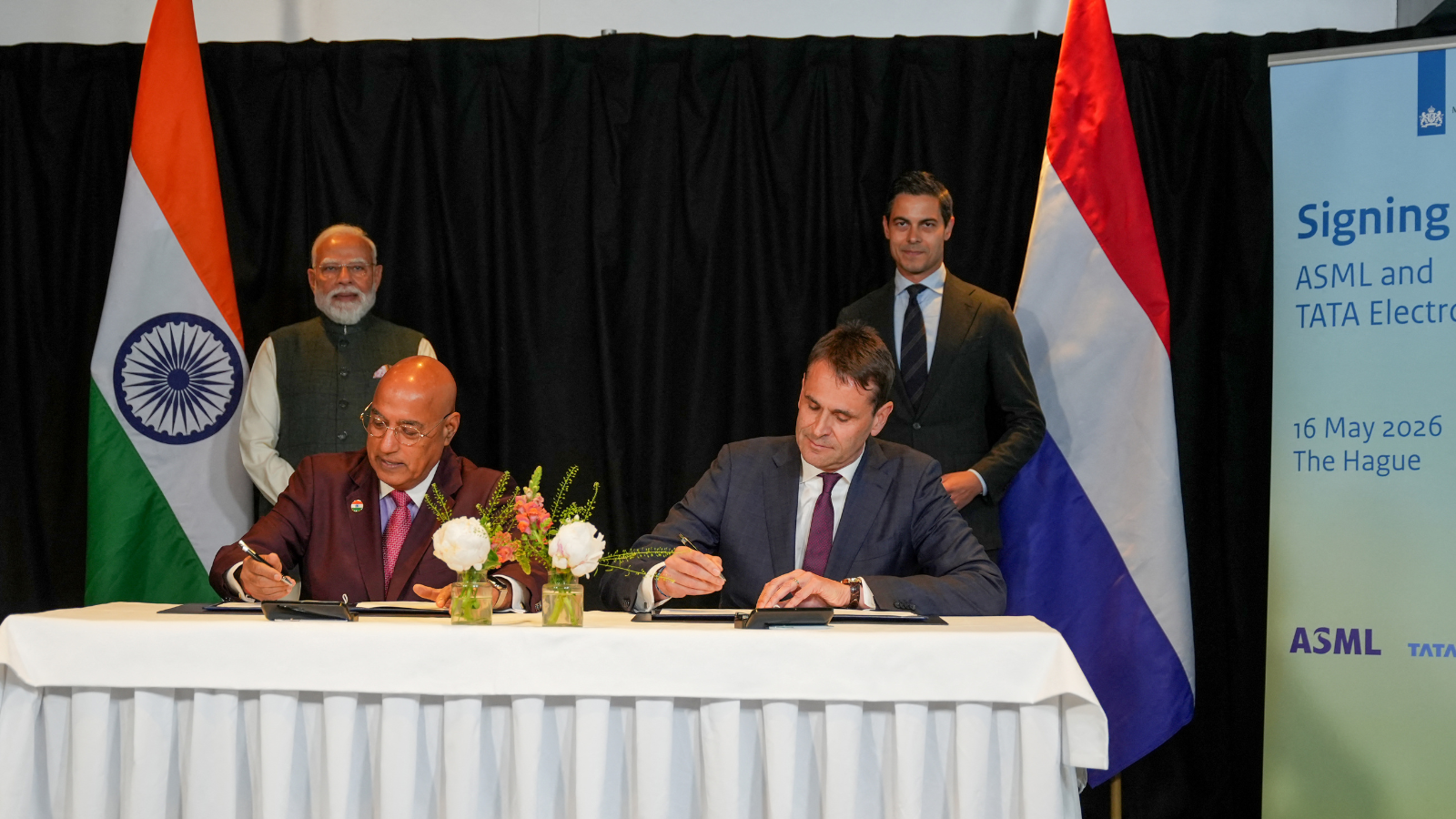
The ASML MoU with Tata Electronics is an indicator of how far the Indian semiconductor ecosystem has come. This ecosystem has been years in the making and represents real commercial logic.

Konark Bhandari

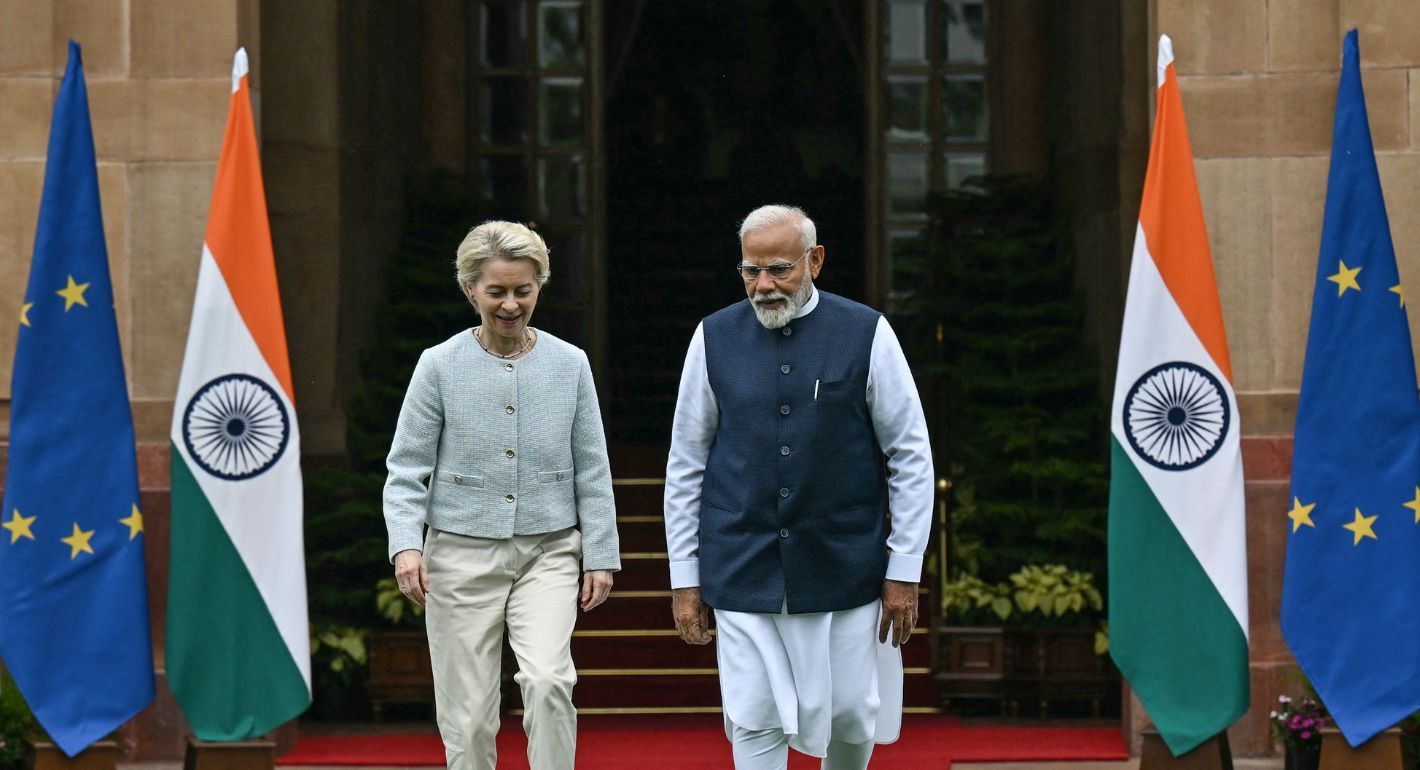
The India–EU Free Trade Agreement (FTA) is shaping up to be one of the most consequential trade negotiations, both economically and strategically. But, what’s in the agreement, what’s missing, and what will determine its success in the years ahead

Vrinda Sahai, Nicolas Köhler-Suzuki
The Technology and Security Initiative (TSI) ought to be more strategic, especially at a time of geopolitical displacement. This is an opportunity to fuse two deep technology ecosystems to co-produce and co-innovate solutions, products, and emerging technologies of the future.


Rudra Chaudhuri, Tejas Bharadwaj, Konark Bhandari, …
This article argues that the geopolitical circumstances have never been more conducive, not merely for the early conclusion of the free trade agreement (FTA) between India and the EU, but also for crafting a substantive and comprehensive strategic partnership.

Mohan Kumar
With monkeypox being declared a global health emergency, the WHO approach is an innovative and effective way to curb outbreaks of zoonotic diseases.

Shruti Sharma