

Paper
James M. Acton, Ankit Panda
{
  "authors": [
    "James M. Acton"
  ],
  "type": "other",
  "centerAffiliationAll": "dc",
  "centers": [
    "Carnegie Endowment for International Peace"
  ],
  "collections": [
    "Entanglement"
  ],
  "englishNewsletterAll": "ctw",
  "nonEnglishNewsletterAll": "",
  "primaryCenter": "Carnegie Endowment for International Peace",
  "programAffiliation": "NPP",
  "programs": [
    "Nuclear Policy"
  ],
  "projects": [],
  "regions": [],
  "topics": [
    "Nuclear Policy",
    "Arms Control"
  ]
}
Source: Getty
The future risks of inadvertent escalation due to entangled conventional and nuclear systems will depend on broader geopolitical developments, advances in non-nuclear weapons, changes in states’ military doctrines, and whether states can implement risk mitigation measures.
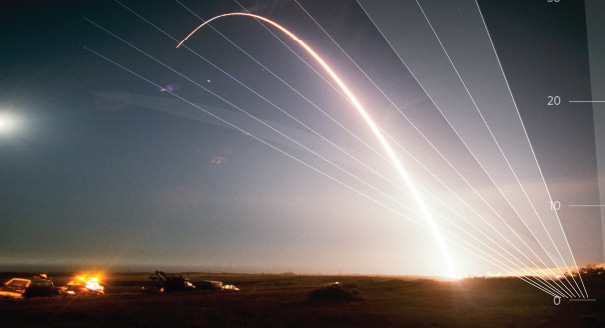
Source: Nautilus Institute/Technology for Global Security
In a conventional conflict between the United States and China or Russia, each belligerent might attack the other’s command, control, communication, and intelligence (C3I) capabilities to gain a warfighting advantage. However, because a number of C3I assets are dual-use, such attacks would degrade the target’s nuclear command-and-control system, creating serious risks of inadvertent escalation. Looking forward, at least four factors will influence the severity of the risks created by such entanglement.
First, geopolitical developments will have indirect effects, including altering (for better or worse) the likelihood of war. Second, improvements in nonnuclear weapons, such as the development of long-range hypersonic gliders, could increase the threat posed to nuclear C3I capabilities. Moreover, because early-warning assets involved in nuclear operations might be able to track such weapons, they could become more likely to be subject to attack. Third, states’ conventional or nuclear doctrines could change, including by increasing or reducing the role accorded to attacks on C3I assets. Finally, unilateral or cooperative risk-mitigation measures could be implemented. Unilateral measures are the most promising under current political circumstances and could be as simple as raising awareness of the risks associated with entanglement within defense and military establishments.

Jessica T. Mathews Chair, Co-director, Nuclear Policy Program
Acton holds the Jessica T. Mathews Chair and is co-director of the Nuclear Policy Program at the Carnegie Endowment for International Peace.
Recent Work

James M. Acton, Ankit Panda
James M. Acton
Carnegie India does not take institutional positions on public policy issues; the views represented herein are those of the author(s) and do not necessarily reflect the views of Carnegie, its staff, or its trustees.

Asia’s two largest nuclear powers have never threatened each other with nuclear weapons. How much will the recent deadly border clashes between China and India change the security landscape?


Toby Dalton, Tong Zhao, Rukmani Gupta
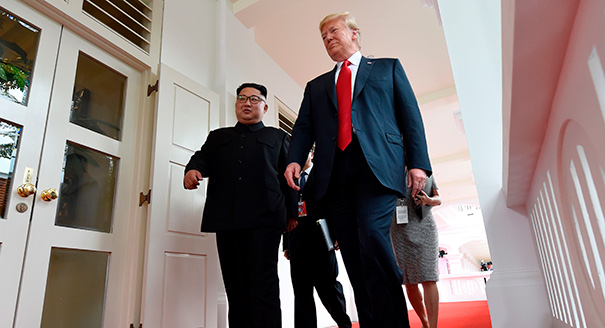
In the course of one morning in Singapore, U.S. President Donald Trump and the North Korean leader Kim Jong-un have begun to loosen a deeply entrenched and hostile relationship.
C. Raja Mohan
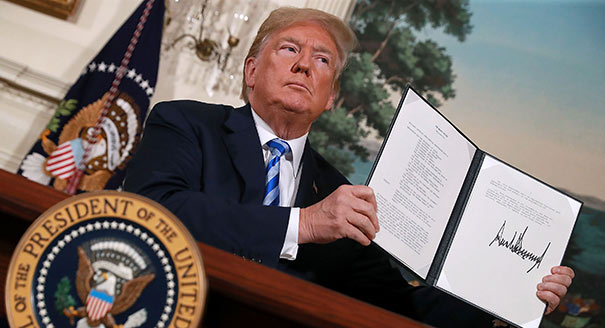
U.S. President Donald Trump’s decision to pull out of the Iran nuclear deal appears to have put regime change at the very center of the new American power play against Tehran.
C. Raja Mohan
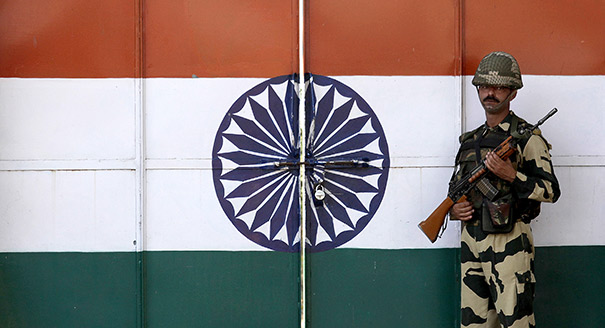
The South Asian stalemate is likely to endure even as South and North Korea appear poised to turn the page.
C. Raja Mohan
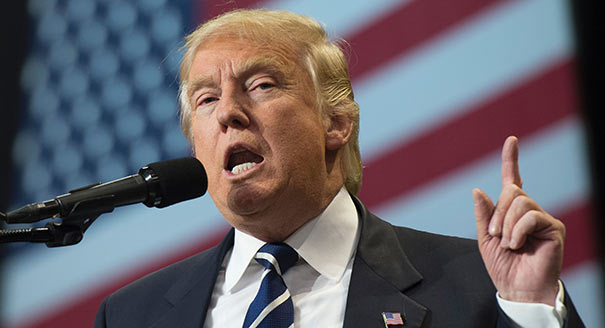
While the Trump administration’s efforts to get tough on Pakistan face challenges and potential dangers, the change in stance signals a new political will to pursue previously untried measures which offer some hope of success.
C. Raja Mohan