

Article
Frederic Wehrey, Charles H. Johnson
{
  "authors": [
    "Frederic Wehrey"
  ],
  "type": "other",
  "centerAffiliationAll": "dc",
  "centers": [
    "Carnegie Endowment for International Peace",
    "Malcolm H. Kerr Carnegie Middle East Center"
  ],
  "collections": [],
  "englishNewsletterAll": "menaTransitions",
  "nonEnglishNewsletterAll": "",
  "primaryCenter": "Carnegie Endowment for International Peace",
  "programAffiliation": "MEP",
  "programs": [
    "Middle East"
  ],
  "projects": [],
  "regions": [
    "North Africa",
    "Libya"
  ],
  "topics": [
    "Political Reform"
  ]
}
Source: Getty
Beyond his testimony about the depredations of interwar imperialism, there are other reasons to revisit Knud Holmboe. The arc of his life, with its stark conversions, straddled the schisms and categories that divide the world still.
Source: New York Review of Books
In the summer of 1931, the security services in French-controlled Syria detained and deported a Danish journalist who had the previous year spent time in the Italian colonies of Tripolitania and Cyrenaica in North Africa, part of what would later become the modern state of Libya. The Italian fascists had reportedly contacted the French to request the expulsion of the twenty-eight-year-old traveler on the grounds that he was a dangerous subversive. French officials in Syria needed little convincing: the tall, blue-eyed Dane’s reputation had preceded his arrival and some of his reporting about Libya, they believed, had inspired anti-Italian riots in Syria that had left several dead. Soon after these disturbances, an article in the British press called the young man a “Danish Lawrence,” referring to T.E. Lawrence, the British military officer in World War I better known as “Lawrence of Arabia.”
This article was originally published in the New York Review of Books.

Senior Fellow, Middle East Program
Frederic Wehrey is a senior fellow in the Middle East Program at the Carnegie Endowment for International Peace, where his research focuses on governance, conflict, and security in Libya, North Africa, and the Persian Gulf.
Recent Work
Frederic Wehrey, Charles H. Johnson
Frederic Wehrey, Charles H. Johnson
Carnegie India does not take institutional positions on public policy issues; the views represented herein are those of the author(s) and do not necessarily reflect the views of Carnegie, its staff, or its trustees.

A partnership between India, a country of subcontinental size, and Africa, a continent of fifty-four countries, may seem asymmetric until one notes that both are home to nearly the same number of people—1.4 billion. This essay spells out the existing challenges to the partnership, its optimal potential, and the possible pathways to realize it over the next quarter-century.

Rajiv Bhatia
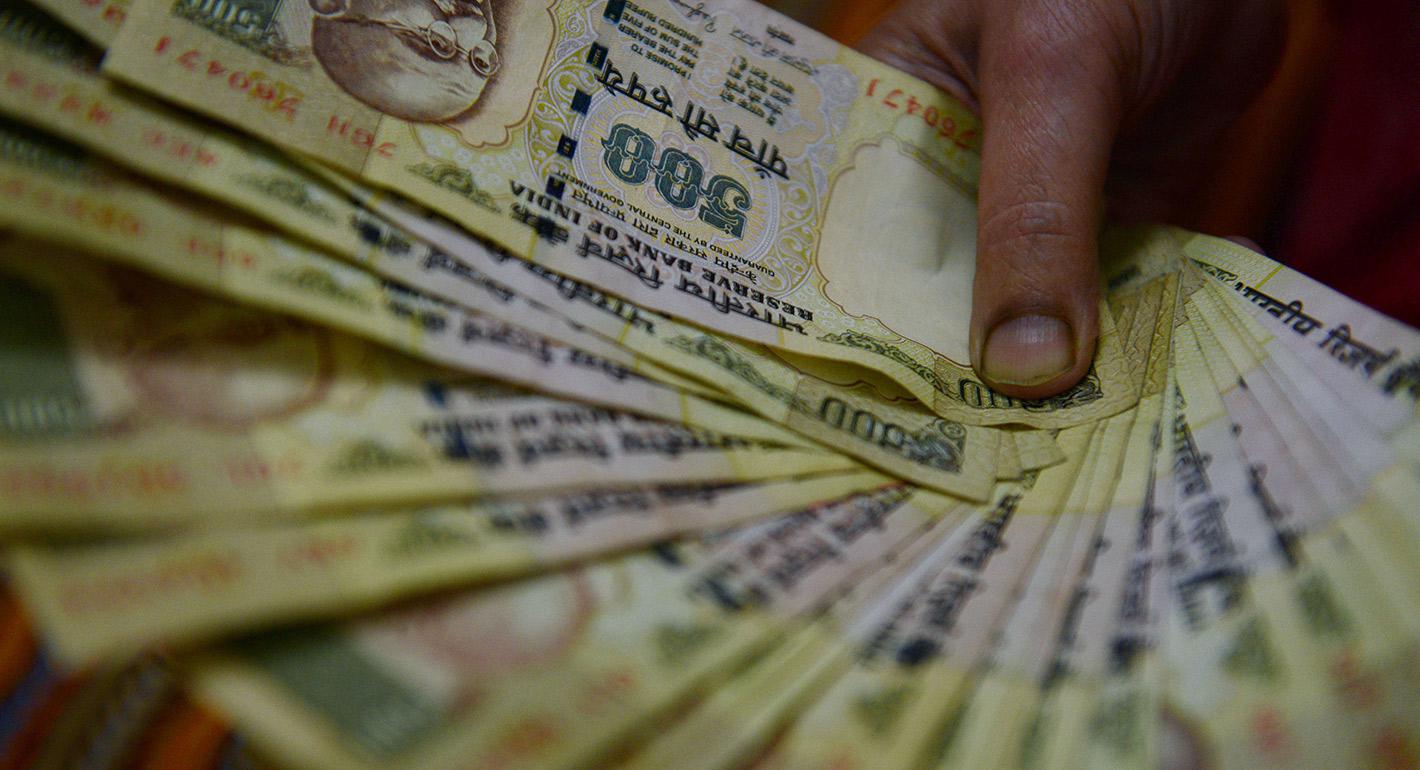
As India’s economy recovers from the coronavirus pandemic, Indian businesses need efficient financial structures to regain their ground. Key reforms to India’s Insolvency and Bankruptcy Code could fill these gaps.

Anirudh Burman

Access to cross-border data is an integral piece of the law enforcement puzzle. India is well placed to lead the discussions on international data agreements subject to undertaking necessary surveillance reforms.
Smriti Parsheera, Prateek Jha
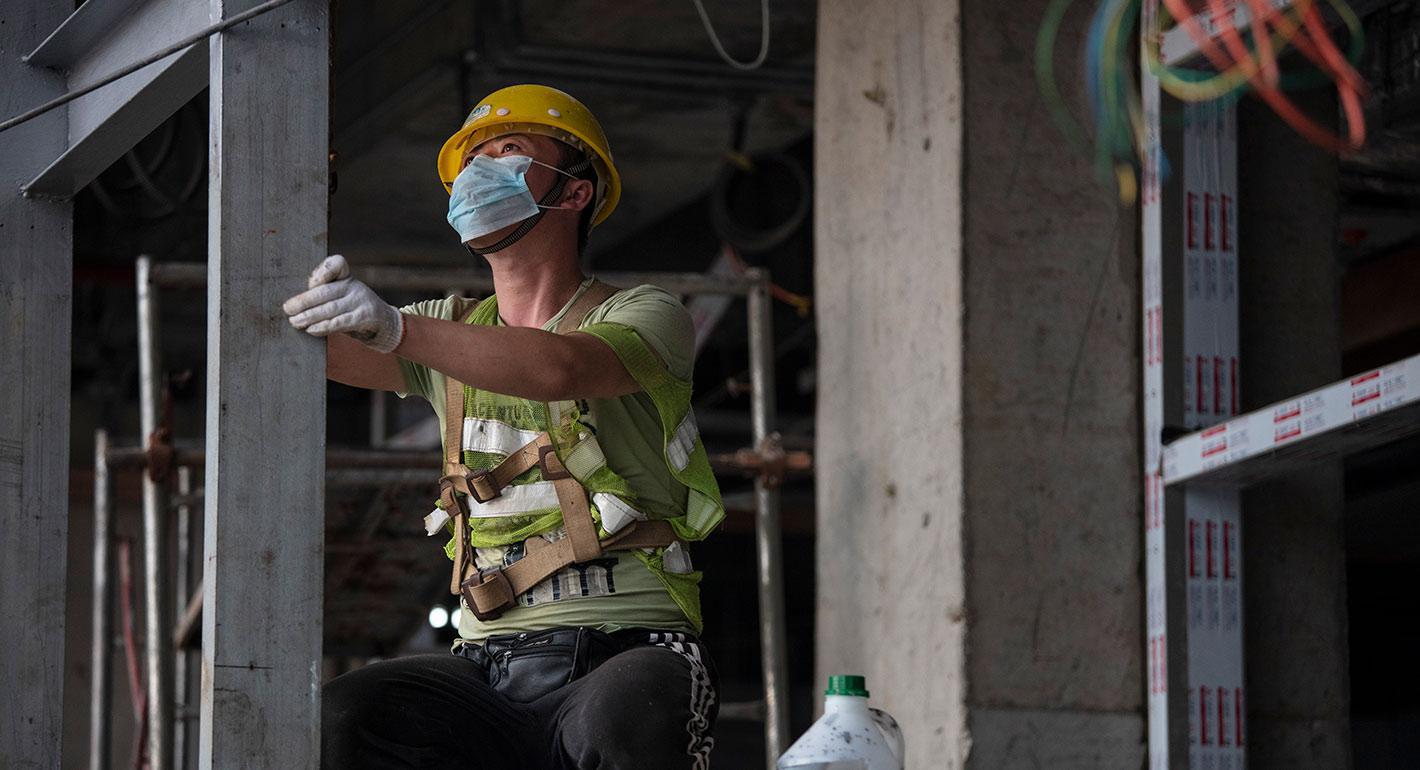
After the coronavirus pandemic wanes, how will China’s reorientation of the Belt and Road Initiative to address global health concerns influence its relationships with South Asian countries?
Deep Pal, Rahul Bhatia
Early in the outbreak, government researchers forecast several high-risk scenarios that were downplayed or ignored in public messaging.
Gautam I. Menon