
• Research
  • About
  • Experts
Carnegie India logoCarnegie lettermark logo
{
  "authors": [
    "Rajesh Bansal",
    "Arjun Kang Joseph"
  ],
  "type": "legacyinthemedia",
  "centerAffiliationAll": "",
  "centers": [
    "Carnegie Endowment for International Peace",
    "Carnegie India"
  ],
  "collections": [],
  "englishNewsletterAll": "",
  "nonEnglishNewsletterAll": "",
  "primaryCenter": "Carnegie India",
  "programAffiliation": "",
  "programs": [],
  "projects": [
    "Technology and Society"
  ],
  "regions": [
    "South Asia",
    "India"
  ],
  "topics": [
    "Technology"
  ]
}

Source: Getty

In The Media
Carnegie India

Reconciling a Child’s Right to Privacy and Autonomy

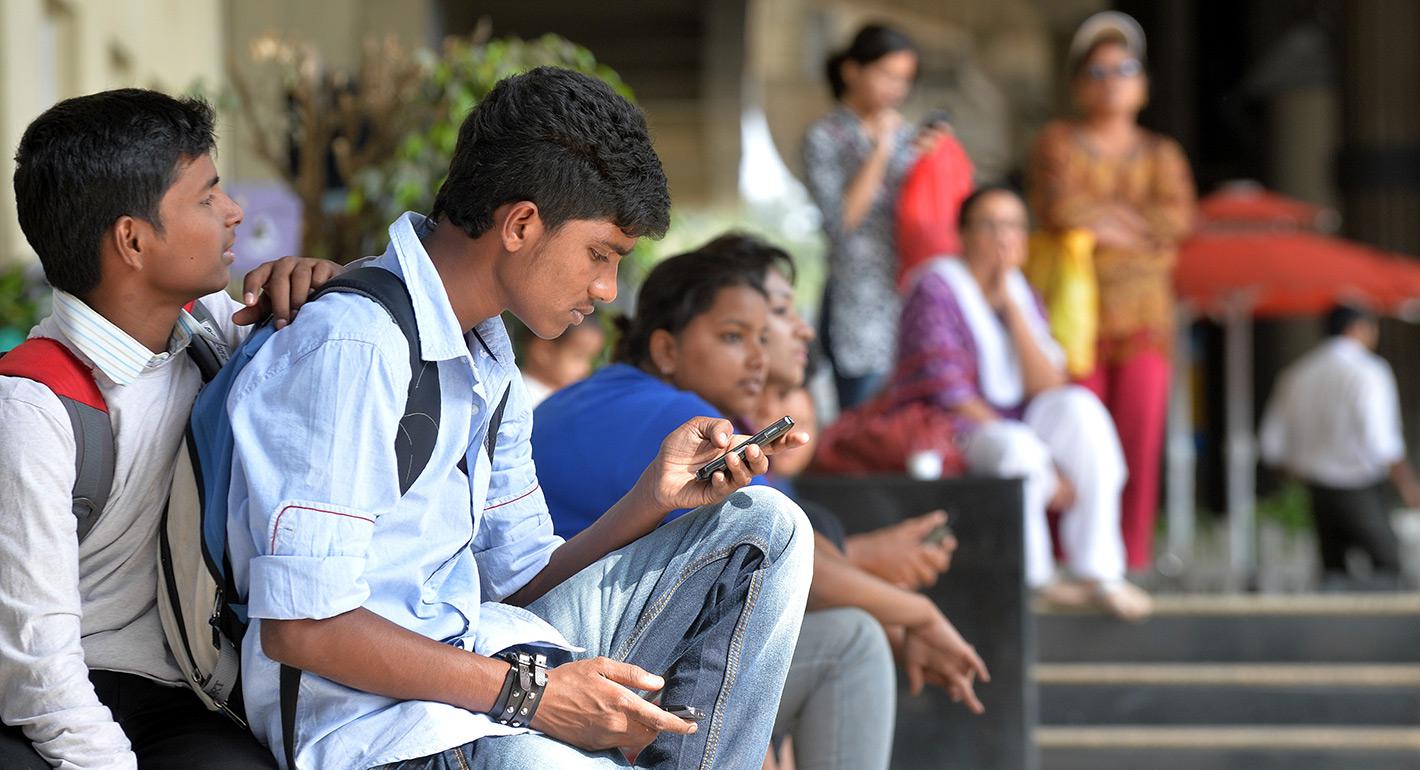
It has been estimated that children and adolescents under the age of 18 account for one in three Internet users around the world.

Link Copied
By Rajesh Bansal and Arjun Kang Joseph
Published on Dec 18, 2019
Project hero Image

Project

Technology and Society

This program focuses on five sets of imperatives: data, strategic technologies, emerging technologies, digital public infrastructure, and strategic partnerships.

Learn More

Source: Hindustan Times

It has been estimated that children and adolescents under the age of 18 account for one in three Internet users around the world. Adolescence is the transitional period during which children mature into young adults, and it is in this time that they acquire knowledge, develop attributes and skills, and, most important, learn to manage emotions and relationships. This also extends to their activity over the Internet and their digital identity. Most children and adolescents tend to use the Internet as a source for entertainment and information, and believe that they have a right to access it. In most cases, they are also aware of the risks of using the Internet, and have a level of consciousness about their right to privacy. However, they seem to be more concerned about their right to privacy being infringed upon by their parents or peers, rather than the State or commercial actors.

Read the Full Text

This article was originally published by the Hindustan Times.

About the Authors

Rajesh Bansal

Former Senior Adviser, Carnegie India

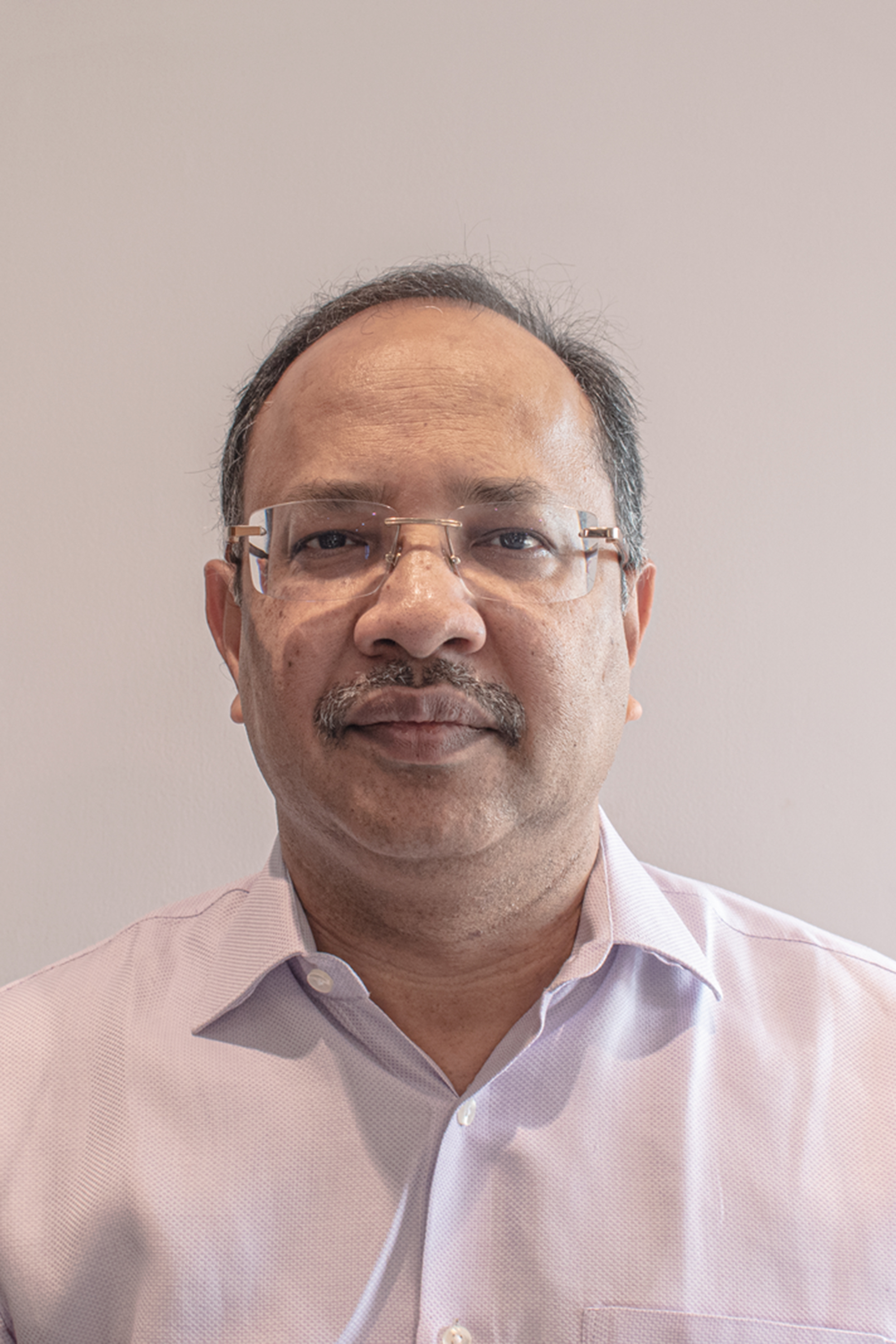
Rajesh Bansal was a senior adviser at Carnegie India. His research focuses on financial technologies, particularly electronic payment systems, electronic cash transfers, and digital financial services to enable inclusive development. He leads the center’s technology and society program.

Arjun Kang Joseph

Former Senior Research Analyst and Co-Convenor, Global Technology Summit, Carnegie India

Arjun Kang Joseph is a senior research analyst with the Technology and Society Program at the Carnegie Endowment for International Peace India. He works primarily on data, privacy, and the intersection of health and technology.

Authors

Rajesh Bansal
Former Senior Adviser, Carnegie India
Rajesh Bansal
Arjun Kang Joseph
Former Senior Research Analyst and Co-Convenor, Global Technology Summit, Carnegie India
TechnologySouth AsiaIndia

Carnegie India does not take institutional positions on public policy issues; the views represented herein are those of the author(s) and do not necessarily reflect the views of Carnegie, its staff, or its trustees.

More Work from Carnegie India

  • Article
    What Could a Reciprocal Defense Procurement Agreement Do for U.S.-India Ties?

    India and the United States are close to concluding a Reciprocal Defense Procurement Agreement (RDPA) that will allow firms from the two countries to sell to each other’s defense establishments more easily. While this may not remedy the specific grievances both sides may have regarding larger bilateral issues, an RDPA could restore some momentum, following the trade deal announcement.

      Konark Bhandari

  • Commentary
    India Signs the Pax Silica—A Counter to Pax Sinica?

    On the last day of the India AI Impact Summit, India signed Pax Silica, a U.S.-led declaration seemingly focused on semiconductors. While India’s accession to the same was not entirely unforeseen, becoming a signatory nation this quickly was not on the cards either.

      Konark Bhandari

  • Commentary
    The PSLV Setback: Restoring India’s Workhorse

    On January 12, 2026, India's "workhorse," the Polar Satellite Launch Vehicle, experienced a consecutive mission failure for the first time in its history. This commentary explores the implications of this incident on India’s space sector and how India can effectively address issues stemming from the incident.

      Tejas Bharadwaj

  • Commentary
    AI Adoption Journey for Population Scale

    Connecting real-world AI use cases across sectors such as health, education, agriculture, and livelihoods can help policymakers, innovators, and institutions align around a shared goal. This article looks at a framework ensuring that AI works for everyone.

      Shalini Kapoor, Tanvi Lall

  • Commentary
    The Impact of U.S. Sanctions and Tariffs on India’s Russian Oil Imports

    This piece examines India’s response to U.S. sanctions and tariffs, specifically assessing the immediate market consequences, such as alterations in import costs, and the broader strategic implications for India’s energy security and foreign policy orientation.

      Vrinda Sahai

Get more news and analysis from
Carnegie India
Carnegie India logo, white
Unit C-4, 5, 6, EdenparkShaheed Jeet Singh MargNew Delhi – 110016, IndiaPhone: 011-40078687
  • Research
  • About
  • Experts
  • Projects
  • Events
  • Contact
  • Careers
  • Privacy
  • For Media
Get more news and analysis from
Carnegie India
© 2026 Carnegie Endowment for International Peace. All rights reserved.







