

Commentary
Michael Young
{
  "authors": [
    "Michael Young"
  ],
  "type": "legacyinthemedia",
  "centerAffiliationAll": "dc",
  "centers": [
    "Carnegie Endowment for International Peace",
    "Malcolm H. Kerr Carnegie Middle East Center"
  ],
  "collections": [
    "Coronavirus"
  ],
  "englishNewsletterAll": "menaTransitions",
  "nonEnglishNewsletterAll": "",
  "primaryCenter": "Malcolm H. Kerr Carnegie Middle East Center",
  "programAffiliation": "MEP",
  "programs": [
    "Middle East"
  ],
  "projects": [],
  "regions": [
    "Levant",
    "Lebanon",
    "Middle East"
  ],
  "topics": [
    "Political Reform"
  ]
}
Source: Getty
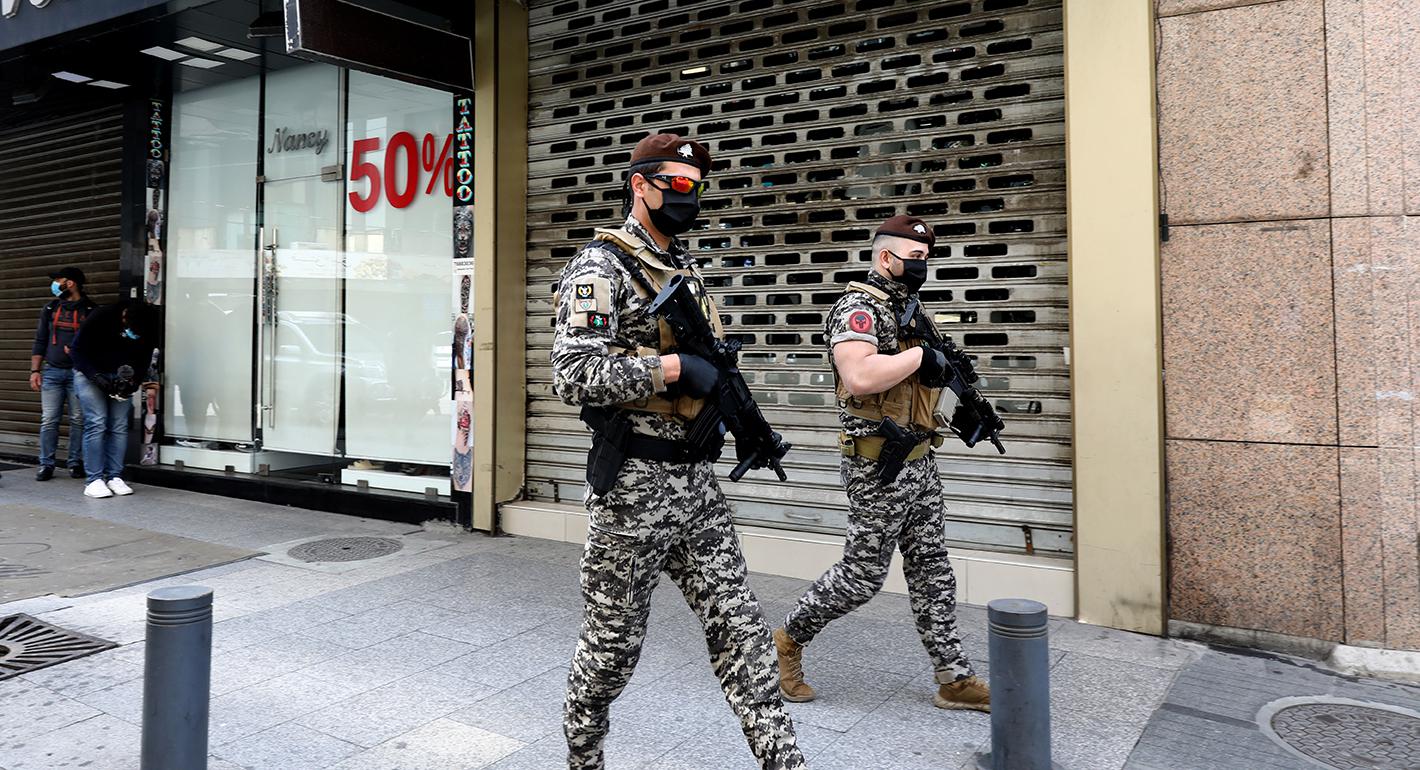
As the Lebanese lock down, Beirut is being forced to realise how unsustainable its political and economic choices have been.
Source: The National
Lebanon is a country that has received little attention during the Covid-19 crisis. As of Monday, the country officially had over 250 coronavirus cases, with four confirmed fatalities. People in Beirut estimate the real number of infections to be four to five times that number, and the government’s decision to deploy the army to prevent people from violating quarantine rules reinforces that view.
For now, the disease still appears to be under control. However, the fear is that if things were to get out of hand, the public health system would be overwhelmed. What makes Lebanon more vulnerable than many other places is that the country is going through a major economic crisis. The state is bankrupt and its ability to withstand a long lockdown, or to import material to address the health emergency, is limited.

Editor, Diwan, Senior Editor, Malcolm H. Kerr Carnegie Middle East Center
Michael Young is the editor of Diwan and a senior editor at the Malcolm H. Kerr Carnegie Middle East Center.
Recent Work
Michael Young
Michael Young
Carnegie India does not take institutional positions on public policy issues; the views represented herein are those of the author(s) and do not necessarily reflect the views of Carnegie, its staff, or its trustees.
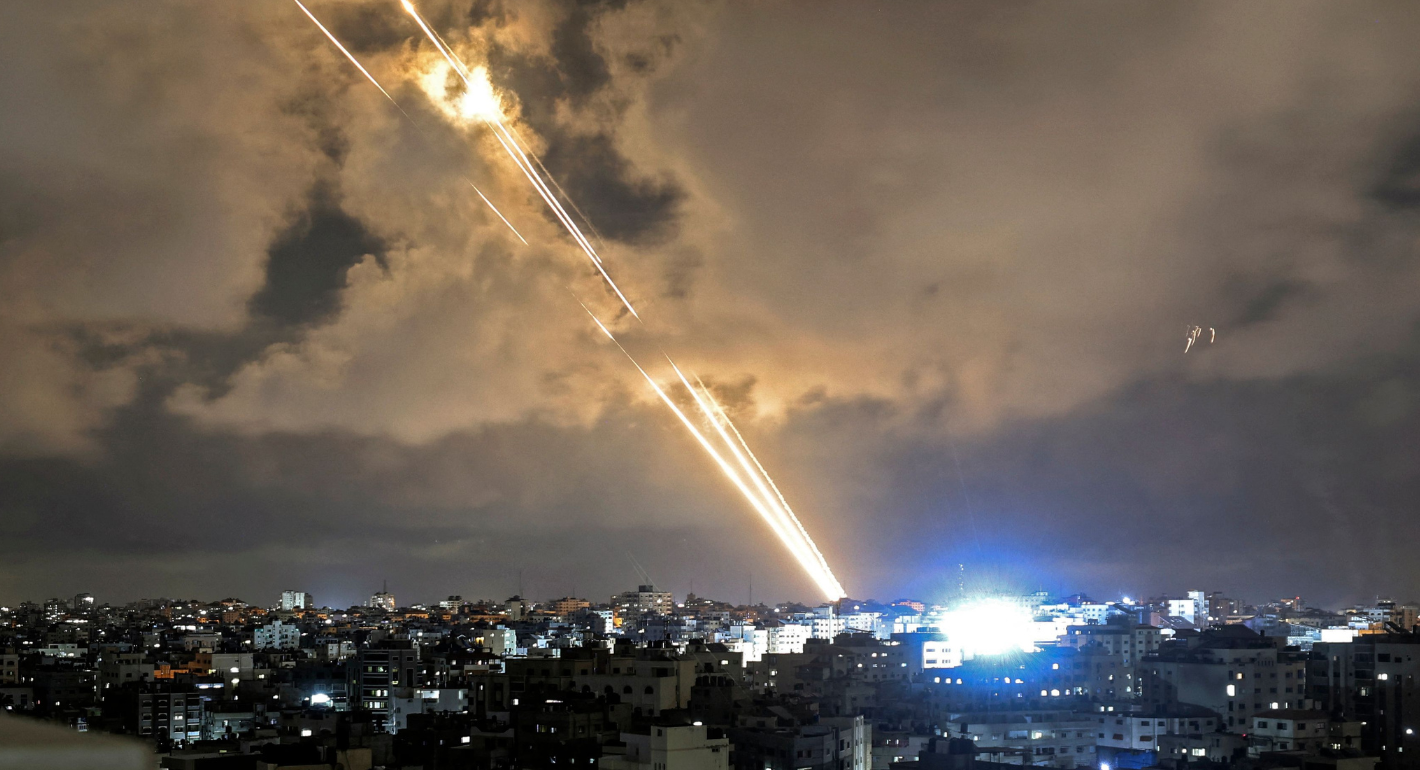
An Israeli response to Iran’s October 1 attack is imminent. The key question is of its intensity and potential fallout, both within Iran, in terms of nuclear security policy changes, and across the broader region. The coming days are likely to reshape West Asia irreversibly.
Gaddam Dharmendra
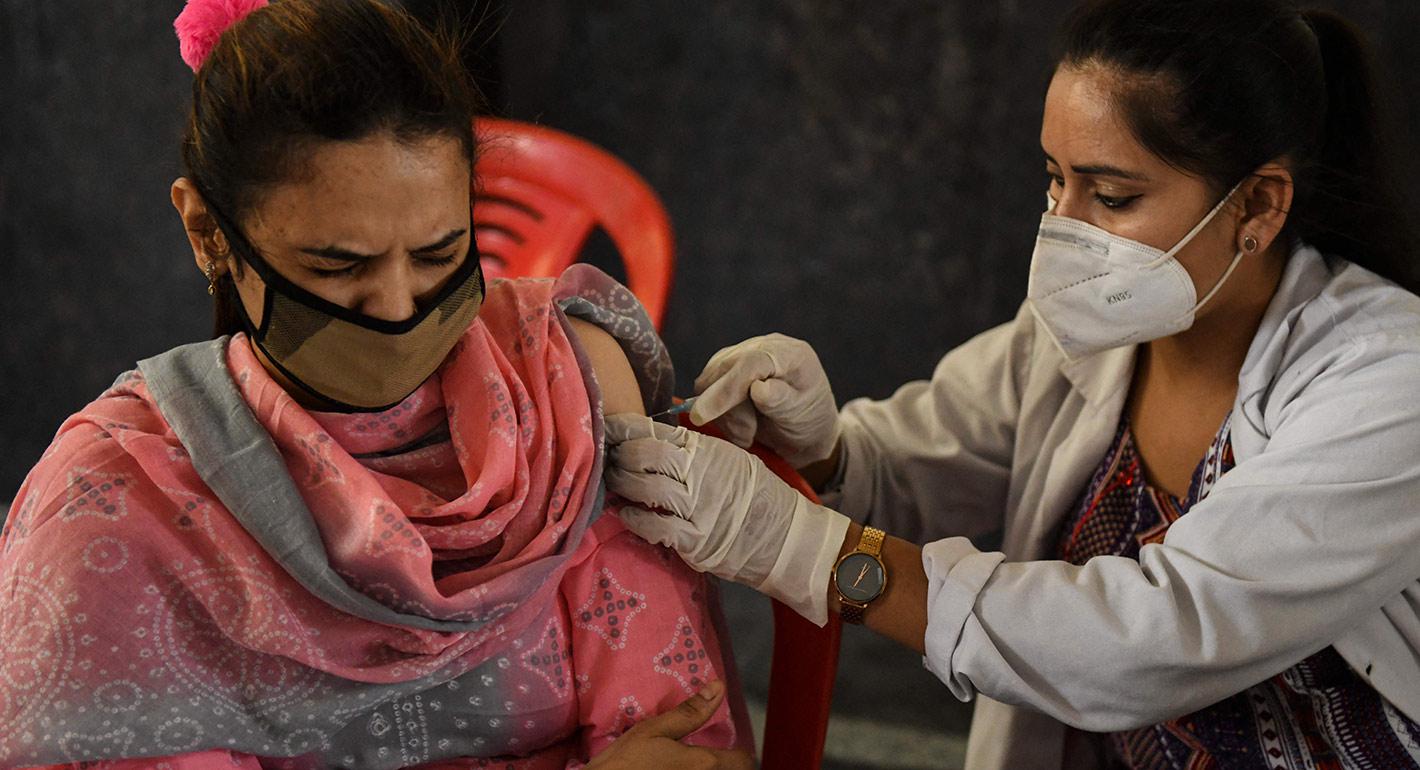
The United States and many other countries have rushed to send aid to India as the country battles the coronavirus pandemic. But U.S. President Joe Biden needs to focus his administration’s attention on unblocking the congested vaccine supply chain further downstream.

Rudra Chaudhuri
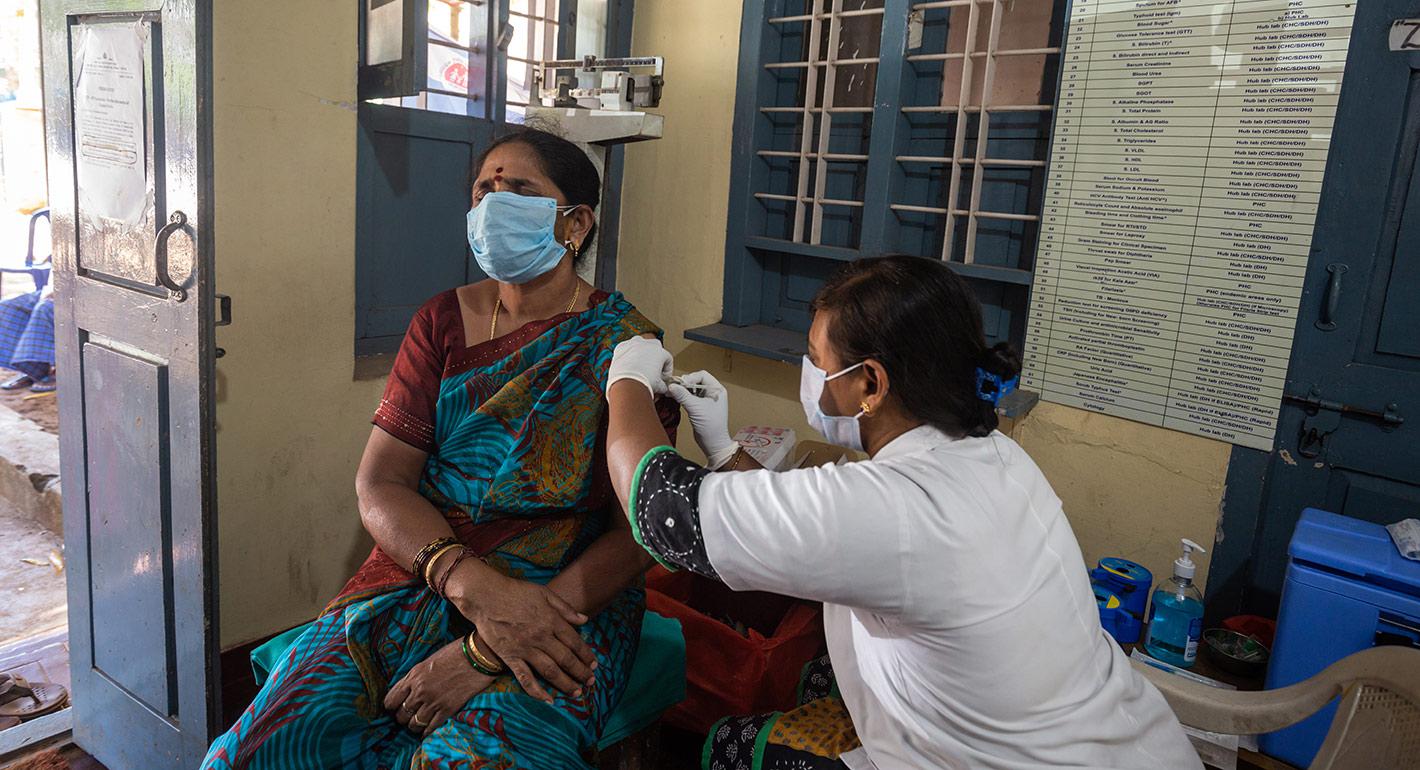
India has suffered a devastating new wave of infection from the coronavirus pandemic. As the country races to vaccinate its huge population, what challenges does it face?
Arjun Kang Joseph
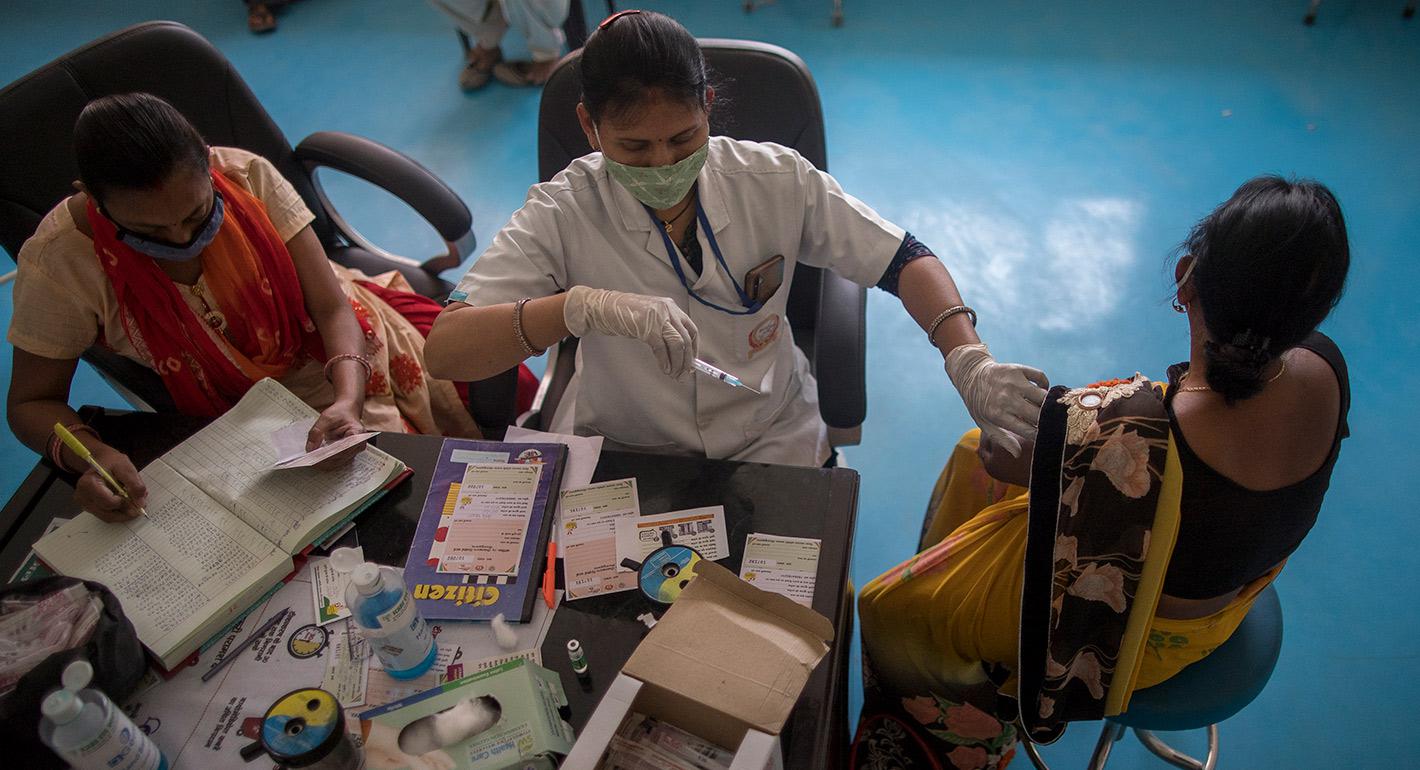
The COVID-19 crisis in India is devastating. The Biden administration must consider exceptions to the Defense Production Act and ease the global vaccine supply chain.
Arvind Gupta, Rudra Chaudhuri, Harsh Pant, …
As India’s economy recovers from the coronavirus pandemic, Indian businesses need efficient financial structures to regain their ground. Key reforms to India’s Insolvency and Bankruptcy Code could fill these gaps.
Anirudh Burman