

Commentary
Ulrich Kühn
{
  "authors": [
    "Ulrich Kühn"
  ],
  "type": "other",
  "centerAffiliationAll": "dc",
  "centers": [
    "Carnegie Endowment for International Peace"
  ],
  "collections": [],
  "englishNewsletterAll": "ctw",
  "nonEnglishNewsletterAll": "",
  "primaryCenter": "Carnegie Endowment for International Peace",
  "programAffiliation": "NPP",
  "programs": [
    "Nuclear Policy"
  ],
  "projects": [],
  "regions": [],
  "topics": [
    "Nuclear Policy"
  ]
}
Source: Getty
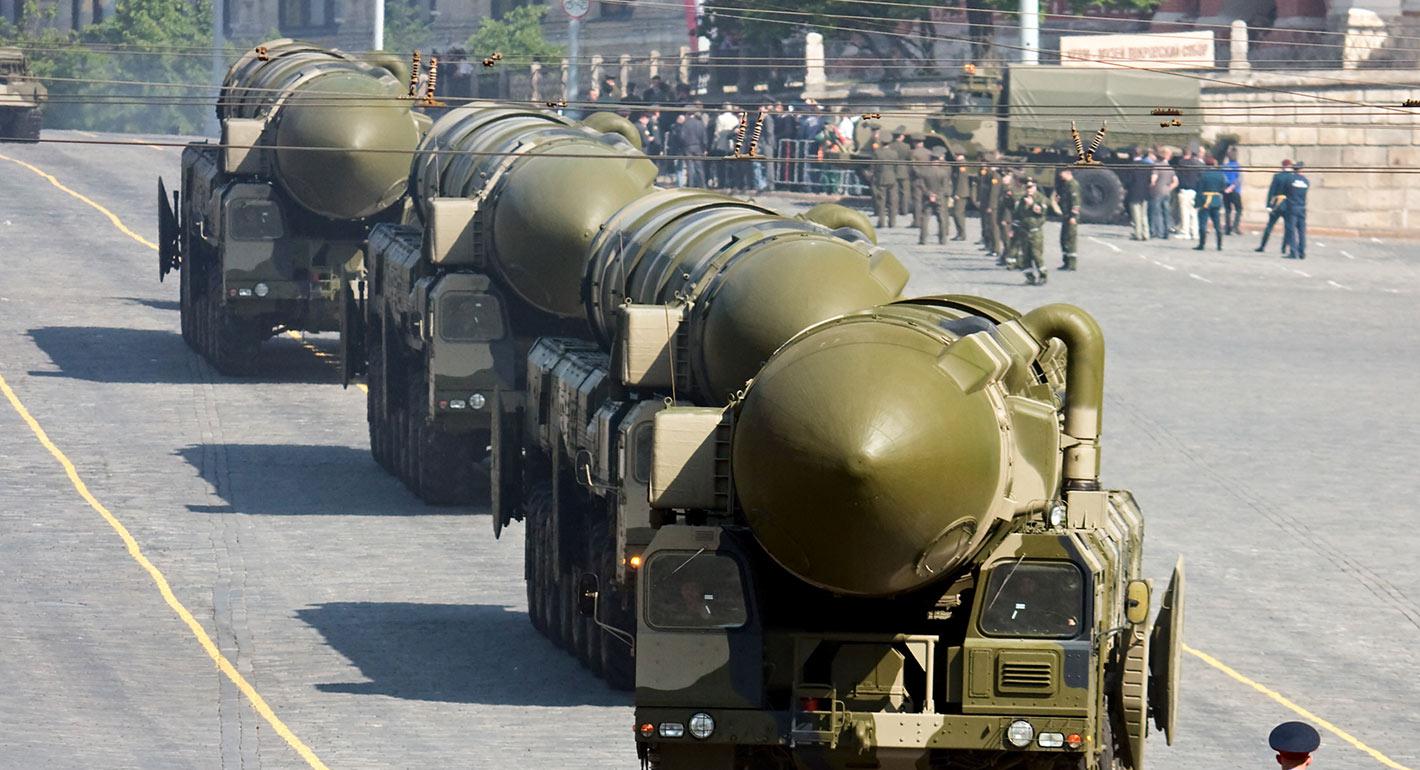
Risks of nuclear weapon use in the Euro-Atlantic region have grown, but policymakers have not yet correctly assessed which risks they should be most concerned about.
Source: United Nations Institute for Disarmament Research
The risk of nuclear weapon use—be it deliberately in an escalating crisis or war, in accordance with one’s own nuclear doctrine or due to inadvertent events—has grown in the Euro-Atlantic region, mainly as a function of the recurring competition between the Russian Federation and the United States. As this chapter argues, decision makers are correct to see a riskier environment. Yet in considering the risk of nuclear weapon use, analysts and policymakers alike are assessing threats by often focusing on highimpact/low-probability scenarios, driven by misreading of one another’s plans and intentions. As a result, they are assessing the risks wrongly, and respond to the wrong things. This chapter first addresses actors, interests, and political change at three levels of analysis. It then establishes a menu for manipulating and perceiving risk, focusing on asymmetric capabilities, (unofficial) doctrines, and poor risk analysis. It concludes with a set of recommendations on how to mitigate the most pressing risks of nuclear use in the Euro-Atlantic.
The original article was published as a chapter in "Nuclear Risk Reduction: Closing Pathways to Use," edited by Wilfred Wan and published by UNIDIR.

Nonresident Scholar, Nuclear Policy Program
Ulrich Kühn is a nonresident scholar at the Carnegie Endowment for International Peace, and the head of the arms control and emerging technologies program at the Institute for Peace Research and Security Policy at the University of Hamburg.
Recent Work
Ulrich Kühn
Ulrich Kühn
Carnegie India does not take institutional positions on public policy issues; the views represented herein are those of the author(s) and do not necessarily reflect the views of Carnegie, its staff, or its trustees.
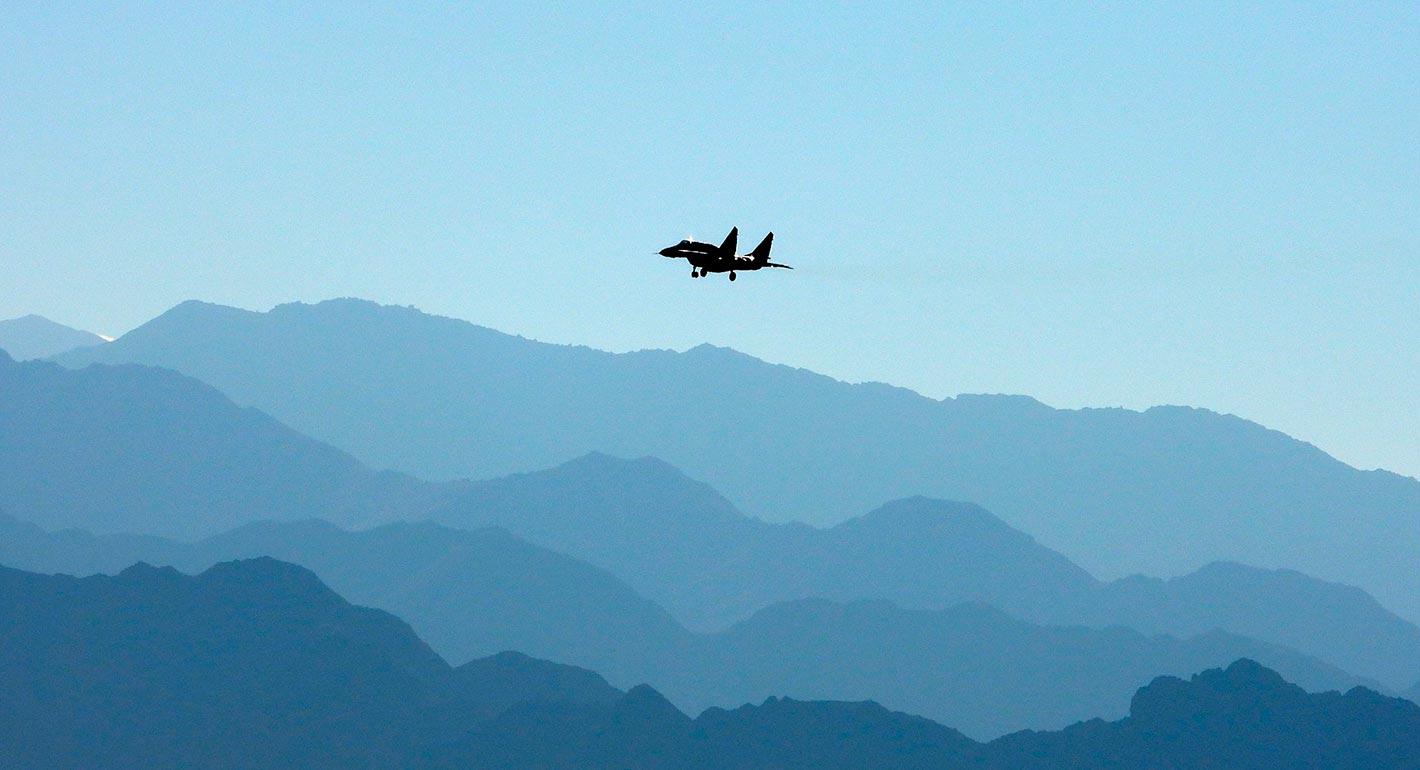
Asia’s two largest nuclear powers have never threatened each other with nuclear weapons. How much will the recent deadly border clashes between China and India change the security landscape?


Toby Dalton, Tong Zhao, Rukmani Gupta
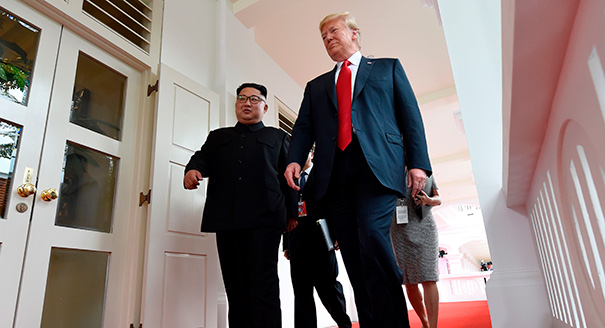
In the course of one morning in Singapore, U.S. President Donald Trump and the North Korean leader Kim Jong-un have begun to loosen a deeply entrenched and hostile relationship.
C. Raja Mohan
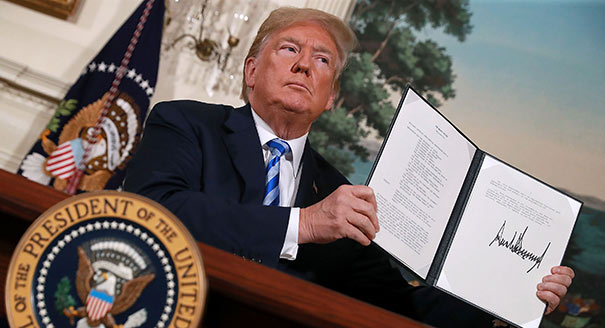
U.S. President Donald Trump’s decision to pull out of the Iran nuclear deal appears to have put regime change at the very center of the new American power play against Tehran.
C. Raja Mohan
The South Asian stalemate is likely to endure even as South and North Korea appear poised to turn the page.
C. Raja Mohan
While the Trump administration’s efforts to get tough on Pakistan face challenges and potential dangers, the change in stance signals a new political will to pursue previously untried measures which offer some hope of success.
C. Raja Mohan