

Article
This piece argues that India’s central challenge is not managing a single flashpoint but resolving the underlying tension between expansion and institutional coherency of the BRICS grouping.
Vrinda Sahai
{
  "authors": [
    "Rajesh Bansal",
    "Prateek Jha"
  ],
  "type": "commentary",
  "centerAffiliationAll": "dc",
  "centers": [
    "Carnegie Endowment for International Peace",
    "Carnegie India"
  ],
  "collections": [],
  "englishNewsletterAll": "ctw",
  "nonEnglishNewsletterAll": "",
  "primaryCenter": "Carnegie India",
  "programAffiliation": "SAP",
  "programs": [
    "South Asia"
  ],
  "projects": [],
  "regions": [
    "South Asia",
    "India"
  ],
  "topics": [
    "Economy"
  ]
}
Source: Getty
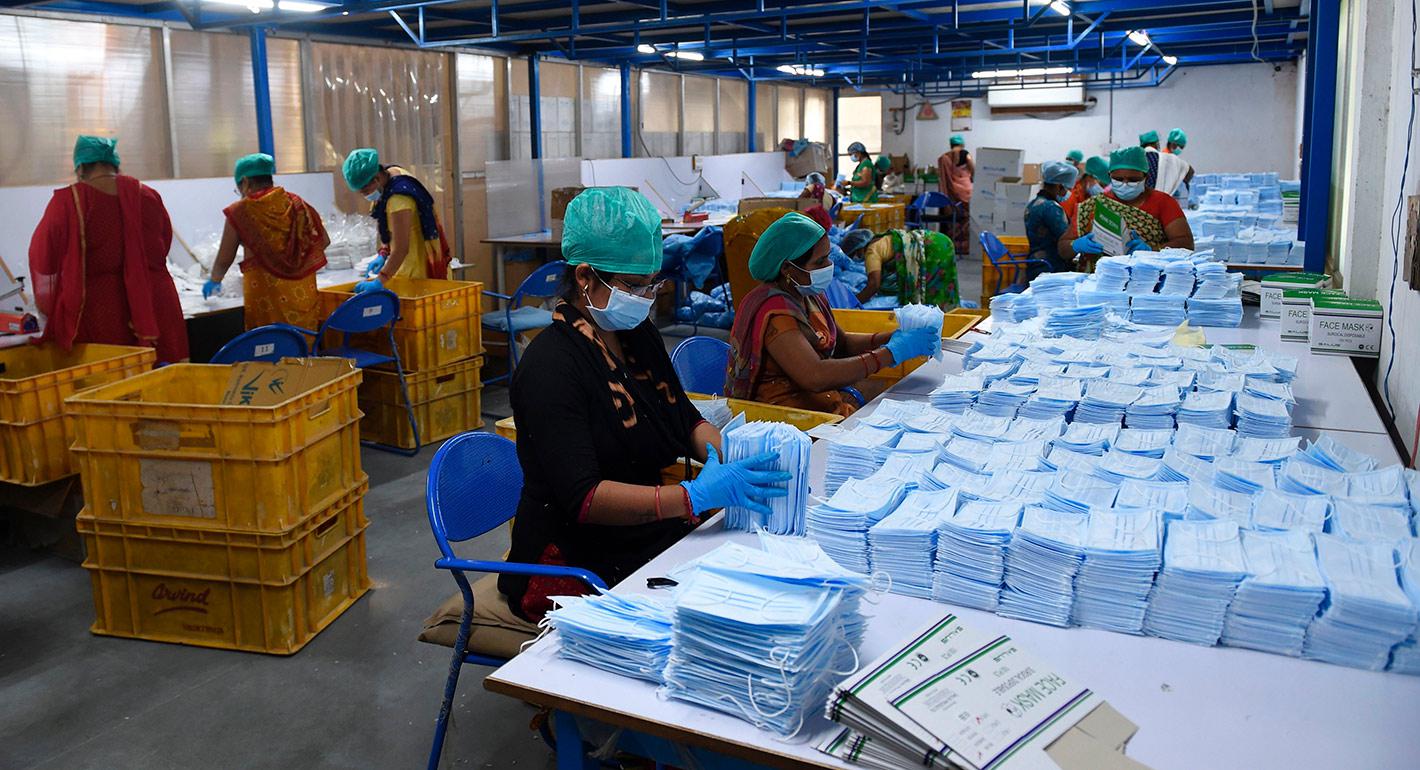
Although India holds strategic reserves of crude oil and food, it entered the coronavirus pandemic with severe shortages of essential medical equipment.
The number of confirmed coronavirus infections in India continues to rise rapidly, reaching 276,583 as of June 10. Yet even in March, during the national outbreak’s earliest stages, reports warned of a shortage of personal protective equipment (PPE), ventilators, and other essential medical supplies.
The coronavirus pandemic has brought India’s public health system under heightened scrutiny. India is no stranger to public health emergencies, and experts have warned that climate change has raised the global risks of infectious disease. It is no longer tenable for India to face those risks without investment in a national public health stockpile.
Stockpiles ensure that countries can deal with the disruption caused by a public health emergency without depending on imports, at least in the short term. While a stockpile would not necessarily suffice to fully respond to a crisis on the scale of the coronavirus pandemic, it would help cope with the immediate fallout while the public and private sectors plan and mobilize for the later stages of the effort.
Unlike testing kits, which are specific to the new virus and therefore could not have been stockpiled, PPE is essential for almost all medical emergencies. At the outset of the pandemic, India faced a severe shortage, and while it attempted to fill the gap largely with imports from China and Singapore, it was unable to provide the necessary amount of PPE to its healthcare workers, leaving some to even resort to raincoats as substitutes. It was not until May that India was able to ramp up its domestic production of PPE to an average of 150,000 kits per day.
By comparison, the United States has maintained a strategic national stockpile since 1999. Although long considered to be underfunded, the stockpile managed to supply 11.6 million N-95 masks, 5.2 million face shields, 22 million gloves, and over 7,000 ventilators to hospitals in the first months of the pandemic. While these supplies fell short of total need, they clearly highlight the stockpile’s strategic value.
Finland’s national stockpile has an even longer history, stretching back to the Cold War. Its National Emergency Supply Agency holds obligatory stockpiles of fuel, pharmaceuticals, and other supplies. As a result, it has fared better than its Nordic neighbors during the coronavirus pandemic. Those lessons have now begun to take root more widely: in March 2020, the European Commission created a strategic stockpile of medical equipment for EU member states.
India does already maintain reserves and stockpiles of some essential commodities. Against the backdrop of the 1990 Gulf War and volatile oil prices, India began building up oil reserves to ensure energy security in the event of supply disruptions. At present, India has three facilities to store crude oil reserves, with a combined capacity of over 5 million metric tons, in addition to any stores held by private oil companies. Similarly, the Food Corporation of India implements a buffer stock policy for food grains to meet emergencies like drought or crop failure.
In the absence of a national medical stockpile, India’s National Disaster Management Authority (NDMA) has tried to introduce a framework to improve resilience against biological and public health emergencies. In its annual plan, the NDMA assigns state and central agencies the responsibility to provide adequate PPE for all healthcare workers and to stockpile vaccines and antibiotics. Yet the plan does not detail how they are to finance or carry out these functions.
The coronavirus pandemic is not the first crisis to reveal the shortcomings of India’s preparedness for public health emergencies. In 2008, a report by the National Disaster Response Force (NDRF) highlighted that none of India’s major hospitals were equipped to deal with mass casualties and that there was no state-level stockpile of critical drugs, PPE, or diagnostic kit materials to meet surge capacity. Bureaucratic power struggles across central and state jurisdictions have contributed to the inaction: under the Indian constitution, state legislatures have exclusive power to pass public health laws. That arrangement has historically led Indian states to resist central initiatives like the 2009 National Health Bill as encroachments on their domains.
Given the shortcomings of India’s present system, an initiative to create a national emergency stockpile will require a completely new approach. It will be critical to enact national legislation that creates and funds a specialized agency dedicated to maintaining the stockpile, staffed by medical and public health experts. Beyond medical emergencies, the legislation should address the response needs around chemical, biological, radiological, and nuclear events.
The new agency should develop statistical models to arrive at the definition of “critical supplies” for various scenarios—of PPE and medical equipment, as well as antibiotics, antidotes, antitoxins, antivirals, vaccines, and other pharmaceuticals—and carry out periodic stress tests. The agency should also conduct quality control of the inventory and forecast its budgetary requirements. Geographic distribution of storage sites would also help to expedite the national response.
As the coronavirus has made all too clear, the risks of confronting a crisis unprepared are dire. It’s a lesson India can’t afford to overlook.
Former Senior Adviser, Carnegie India
Rajesh Bansal was a senior adviser at Carnegie India. His research focuses on financial technologies, particularly electronic payment systems, electronic cash transfers, and digital financial services to enable inclusive development. He leads the center’s technology and society program.
Prateek Jha
Former Technology and Society Program Coordinator and Research Assistant
Carnegie India does not take institutional positions on public policy issues; the views represented herein are those of the author(s) and do not necessarily reflect the views of Carnegie, its staff, or its trustees.

This piece argues that India’s central challenge is not managing a single flashpoint but resolving the underlying tension between expansion and institutional coherency of the BRICS grouping.

Vrinda Sahai

The ASML MoU with Tata Electronics is an indicator of how far the Indian semiconductor ecosystem has come. This ecosystem has been years in the making and represents real commercial logic.

Konark Bhandari
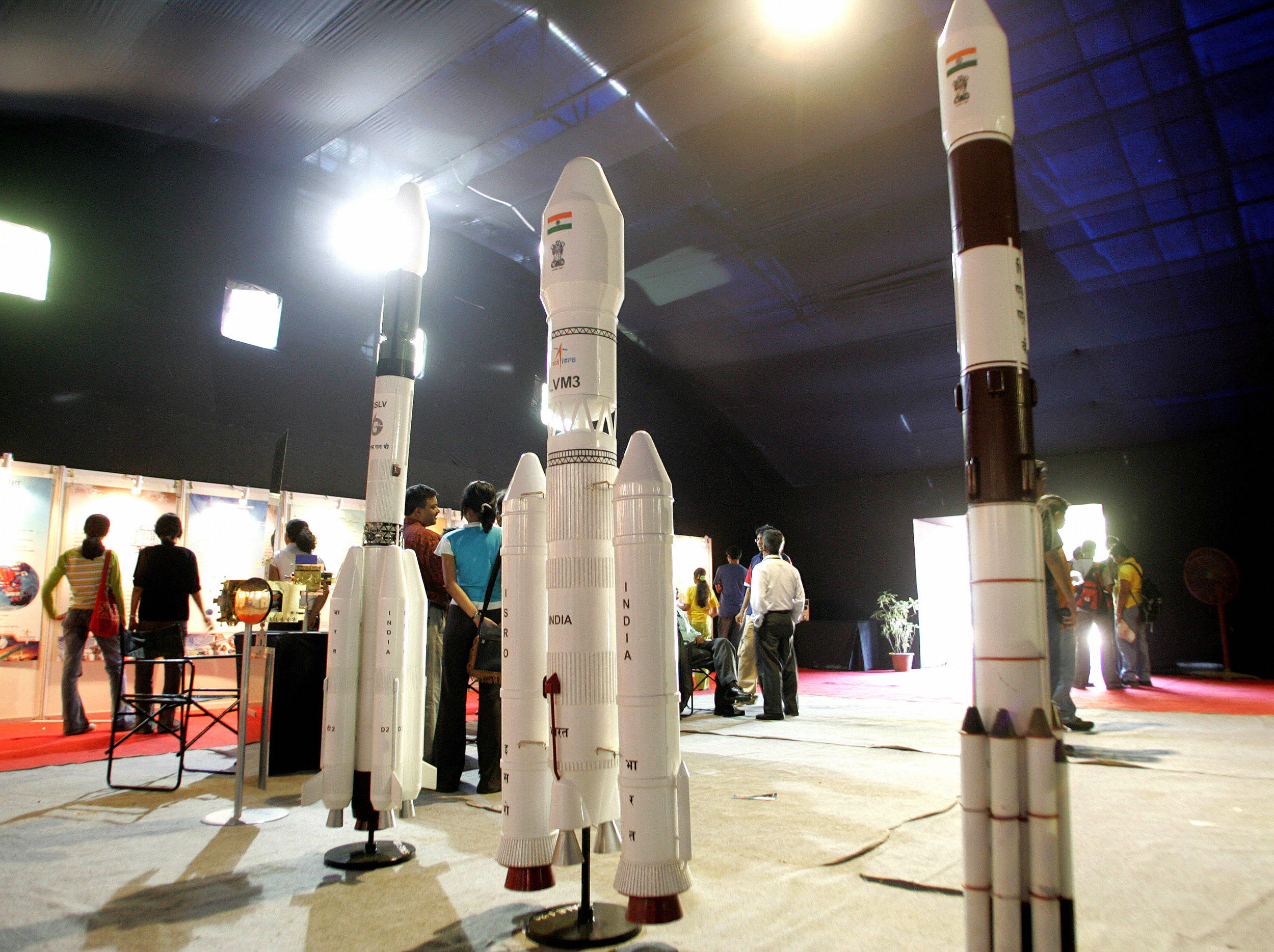
This paper examines the relationship between India’s evolving space policy and the corresponding growth in private space ventures. It analyzes both the enabling factors created by recent regulatory changes and the persistent challenges facing entrepreneurs in this capital-intensive, highly regulated industry.
Harshan Vazhakunnam

A partnership between India, a country of subcontinental size, and Africa, a continent of fifty-four countries, may seem asymmetric until one notes that both are home to nearly the same number of people—1.4 billion. This essay spells out the existing challenges to the partnership, its optimal potential, and the possible pathways to realize it over the next quarter-century.

Rajiv Bhatia

The U.S.–India semiconductor cooperation story is well-stocked with top-level strategic intent. What remains unresolved, however, are some underlying challenges that will determine whether the cooperation actually functions. Three such friction points stand out.

Shruti Mittal