

Article
Dan Baer
{
  "authors": [
    "Dan Baer"
  ],
  "type": "legacyinthemedia",
  "centerAffiliationAll": "dc",
  "centers": [
    "Carnegie Endowment for International Peace"
  ],
  "collections": [],
  "englishNewsletterAll": "ctw",
  "nonEnglishNewsletterAll": "",
  "primaryCenter": "Carnegie Endowment for International Peace",
  "programAffiliation": "EP",
  "programs": [
    "Europe"
  ],
  "projects": [],
  "regions": [
    "North America",
    "United States",
    "Iran"
  ],
  "topics": [
    "Political Reform",
    "Democracy"
  ]
}
Source: Getty
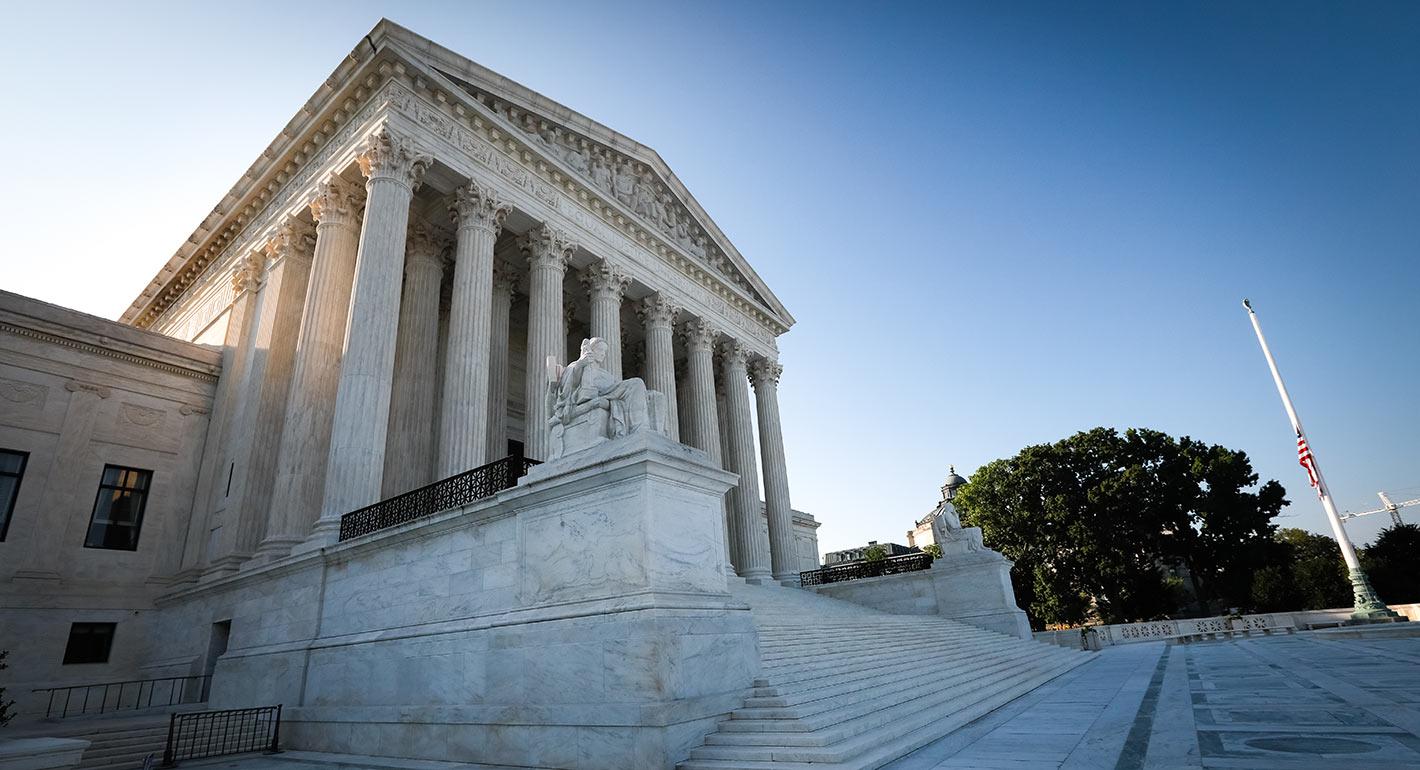
Alone in the Americas and among NATO members, the United States continues to execute tens of prisoners each year and to send dozens more to death row.
Source: Foreign Affairs
On January 22, 2009, his second full day in office, U.S. President Barack Obama signed an executive order prohibiting the use of torture by the U.S. government and revoking legal interpretations from President George W. Bush’s administration that denied protections under international law to certain overseas detainees. Few Americans outside of national security policy circles took note of the executive order. But it sent a clear message to U.S. partners and allies that Obama was breaking with his predecessor and recommitting the United States to the shared values of the democratic world.
As a deputy assistant secretary of state in the early years of the Obama administration, I heard frequently from U.S. allies about the importance of Obama’s ban on torture. My counterparts sometimes also raised concerns about U.S. surveillance, detention, and use of drones. But those enduring concerns didn’t change the perception that Obama believed in universal values—and believed they should apply universally, including to the United States. The torture ban became a kind of metonym for U.S. recommitment to these shared values, and because it addressed a shortcoming that had been criticized by allies and partners, it signaled U.S. commitment to repairing those relationships, too.
Senior Vice President; Director, Europe Program
Dan Baer is a senior vice president of the Carnegie Endowment for International Peace and director of the Europe Program. Under President Obama, he was U.S. ambassador to the Organization for Security and Cooperation in Europe (OSCE) and he also served deputy assistant secretary of state for the Bureau of Democracy, Human Rights, and Labor.
Recent Work


Richard Youngs, Erik Jones, Dan Baer, …
Carnegie India does not take institutional positions on public policy issues; the views represented herein are those of the author(s) and do not necessarily reflect the views of Carnegie, its staff, or its trustees.

How is AI reshaping space security, creating governance challenges, and where does international diplomacy stand today?


Tejas Bharadwaj, Almudena Azcárate Ortega

The U.S.–India semiconductor cooperation story is well-stocked with top-level strategic intent. What remains unresolved, however, are some underlying challenges that will determine whether the cooperation actually functions. Three such friction points stand out.

Shruti Mittal

India and the United States are close to concluding a Reciprocal Defense Procurement Agreement (RDPA) that will allow firms from the two countries to sell to each other’s defense establishments more easily. While this may not remedy the specific grievances both sides may have regarding larger bilateral issues, an RDPA could restore some momentum, following the trade deal announcement.

Konark Bhandari

On the last day of the India AI Impact Summit, India signed Pax Silica, a U.S.-led declaration seemingly focused on semiconductors. While India’s accession to the same was not entirely unforeseen, becoming a signatory nation this quickly was not on the cards either.
Konark Bhandari

This piece examines India’s response to U.S. sanctions and tariffs, specifically assessing the immediate market consequences, such as alterations in import costs, and the broader strategic implications for India’s energy security and foreign policy orientation.

Vrinda Sahai