

Research
- +8
William J. Burns, Michael Chertoff, Catherine Ashton, …
{
  "authors": [
    "William J. Burns"
  ],
  "type": "other",
  "centerAffiliationAll": "",
  "centers": [
    "Carnegie Endowment for International Peace"
  ],
  "collections": [],
  "englishNewsletterAll": "",
  "nonEnglishNewsletterAll": "",
  "primaryCenter": "Carnegie Endowment for International Peace",
  "programAffiliation": "",
  "programs": [],
  "projects": [],
  "regions": [
    "Middle East",
    "North Africa"
  ],
  "topics": []
}
Source: Getty
Malcolm Kerr’s work remains unfinished, and his legacy is more relevant and important than ever.
These remarks were given at a virtual event on October 19, 2020, to commemorate the legacy of Malcom H. Kerr and rename the Carnegie Middle East Center in his honor.
I am delighted to welcome all of you to Carnegie, at least virtually, for a very special program. I’m deeply honored today to celebrate the memory of Malcolm H. Kerr, the extraordinary American scholar of the Middle East, whose life was tragically cut short three and a half decades ago while serving as president of the American University of Beirut. And I’m very proud to announce the renaming of the Carnegie Middle East Center in Beirut in his honor.
Across the vast, storied, and often turbulent history of Americans in the Middle East, Malcolm Kerr stands out in many ways. Although not an Arab himself, he truly was a son of the region. Raised in Beirut and a brilliant student and prolific scholar of the Middle East, Kerr was dispassionate in his diagnosis of the region’s dysfunctions as well as the magical thinking and hubris of American policymakers and other outsiders. But he was still a passionate believer in the promise and potential of its people and a remarkably dedicated supporter of the next generation of Arab thinkers and practitioners.
Kerr had few illusions about the region’s many big personalities, big ideas, big gambles, and even bigger setbacks. Better than most, he understood the importance of rooting the region’s future in its own people. Kerr wrote in his seminal book, The Arab Cold War, that “to grasp the spirit of the Arabs’ political life, we must recognize that their society, for all its crises, possesses its own vitality. Even the most influential foreigners are peripheral to the Arabs’ own conceptions of their world and their visions of its future.”
Malcolm Kerr’s grasp of the region, in all its complexities, shines through as clearly today as it did in his writings more than a half of a century ago. He would not find the state of today’s Middle East any more uplifting. The profound failures of governance that he observed so clearly in the twentieth century finally boiled over during the Arab Spring in the twenty-first, producing an unsettling mix of hope, chaos, and conservative reaction.
A decade later, the politics of the Arab world remain brittle. Relations among many of its governments are broken or frayed, with too many of them doing too much reckless meddling in the affairs of too many others. Much as was the case when Kerr wrote The Arab Cold War, this creates a target-rich environment for too many opportunistic outsiders, and for predators of all stripes. Meanwhile, too many people in too many societies in the region remain mired in a sense of indignity— frustrated and angered by growing gaps between rich and poor, suffocating social and political environments, and venal and incompetent governments.
Malcolm Kerr’s work may be unfinished, but his legacy is more relevant and important than ever.
In a world of “quiet Americans” and “ugly Americans,” in a region which has sometimes seen American policymakers at their worst, Kerr represented America at its best. He offered another side of the American experience in the Middle East—committed to education, and a model of human compassion, professional humility, intellectual honesty, and generosity of spirit. His was a life extraordinarily well lived, brutally ended far too soon in the war-torn city he loved.
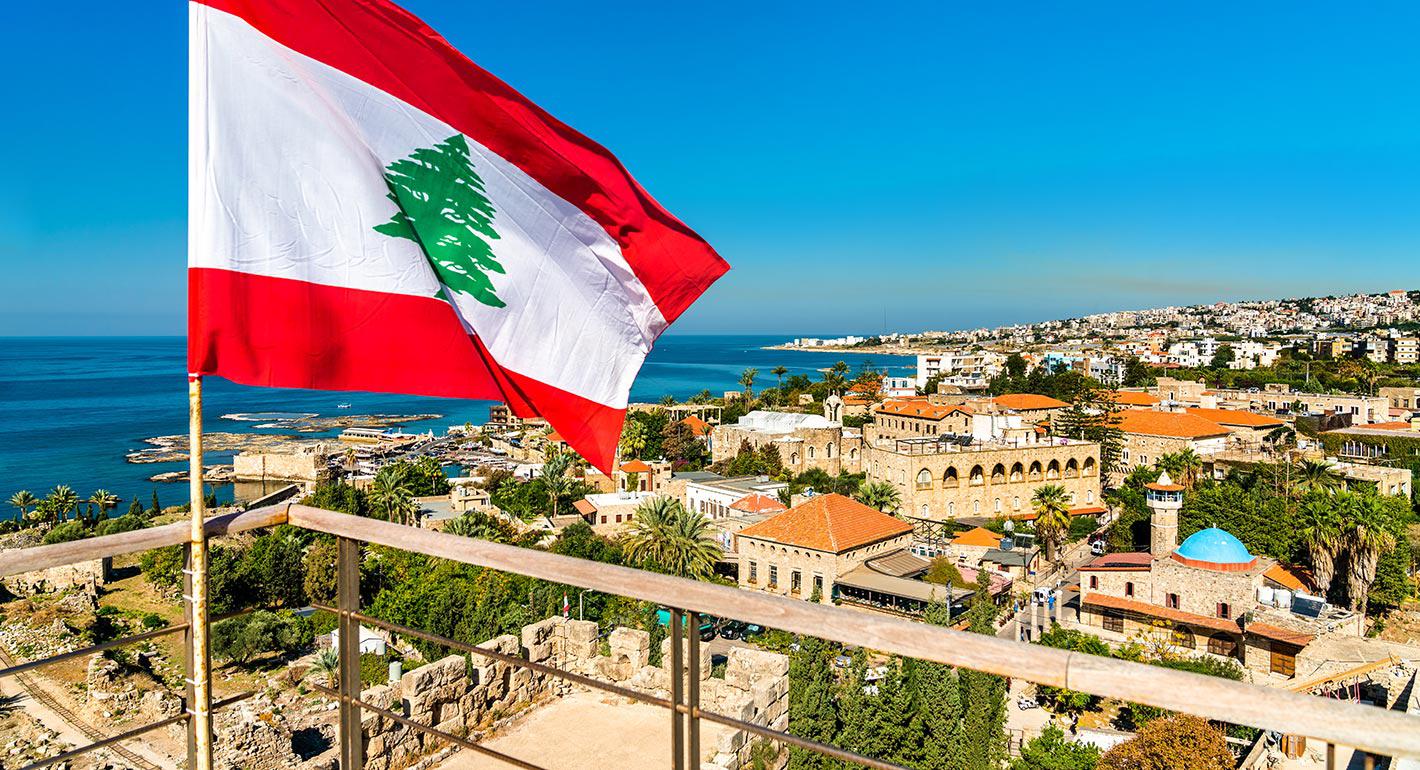
It’s entirely fitting to honor his memory, all these years later, by dedicating the Carnegie Middle East Center in his name. And it’s entirely fitting to do so at yet another time of troubles in Lebanon, in the wake of the horrific explosion two months ago, which did so much physical damage across Beirut, a city already reeling from years of political, social, and economic damage.
Carnegie remains committed to our center in Beirut, established in 2007 as a rare place in the Arab world where Arab scholars can think freely about their region and its pathologies; a place in, by, and for the Arab world, its analysis is grounded in local realities and ambitions, not what outsiders imagine. Led by my exceptional colleagues Maha Yahya, our director in Beirut, and Marwan Muasher, our vice president for the Middle East, our center is the hub of a network of experts across the region. It puts particular emphasis, as Malcolm Kerr did, on a next generation that can strengthen Carnegie’s tradition of independent research and help chart a path to a more pluralistic, peaceful, and prosperous future.
We have also benefited enormously from the generous support of many people, in particular Carnegie trustees Dave Burke and Ayman Asfari, who share our dedication to this important work and our admiration for Malcolm Kerr. Our aim is to help carry on his work and to continue to provide a public space for the next generation of Arabs to debate, discuss, and write their own future.
It is a special honor to be joined today by Ann Kerr, whose own contributions to better understanding of the Middle East—and whose own largeness of spirit—are as impressive as her late husband’s. And it’s an honor to be joined on this virtual platform by the next generations of the Kerr family too—by Susan, John, Steve, and Andrew; by grandchildren; and by other family members. I also want to welcome those friends, colleagues, and admirers of Malcom Kerr from around the world who were able to join us today.
So thank you all for joining us on this memorable day. We hope very much to follow up this virtual event with in-person events at UCLA and in Beirut as soon as the pandemic finally permits. Thank you again.
Former Carnegie President (2015-2021)
A former career diplomat, William J. Burns served as director of the CIA, deputy secretary of State, and ambassador to Russia and Jordan. Burns was also president of the Carnegie Endowment for International Peace from 2015 to 2021.
Recent Work
William J. Burns, Michael Chertoff, Catherine Ashton, …
William J. Burns
Carnegie India does not take institutional positions on public policy issues; the views represented herein are those of the author(s) and do not necessarily reflect the views of Carnegie, its staff, or its trustees.

A partnership between India, a country of subcontinental size, and Africa, a continent of fifty-four countries, may seem asymmetric until one notes that both are home to nearly the same number of people—1.4 billion. This essay spells out the existing challenges to the partnership, its optimal potential, and the possible pathways to realize it over the next quarter-century.

Rajiv Bhatia
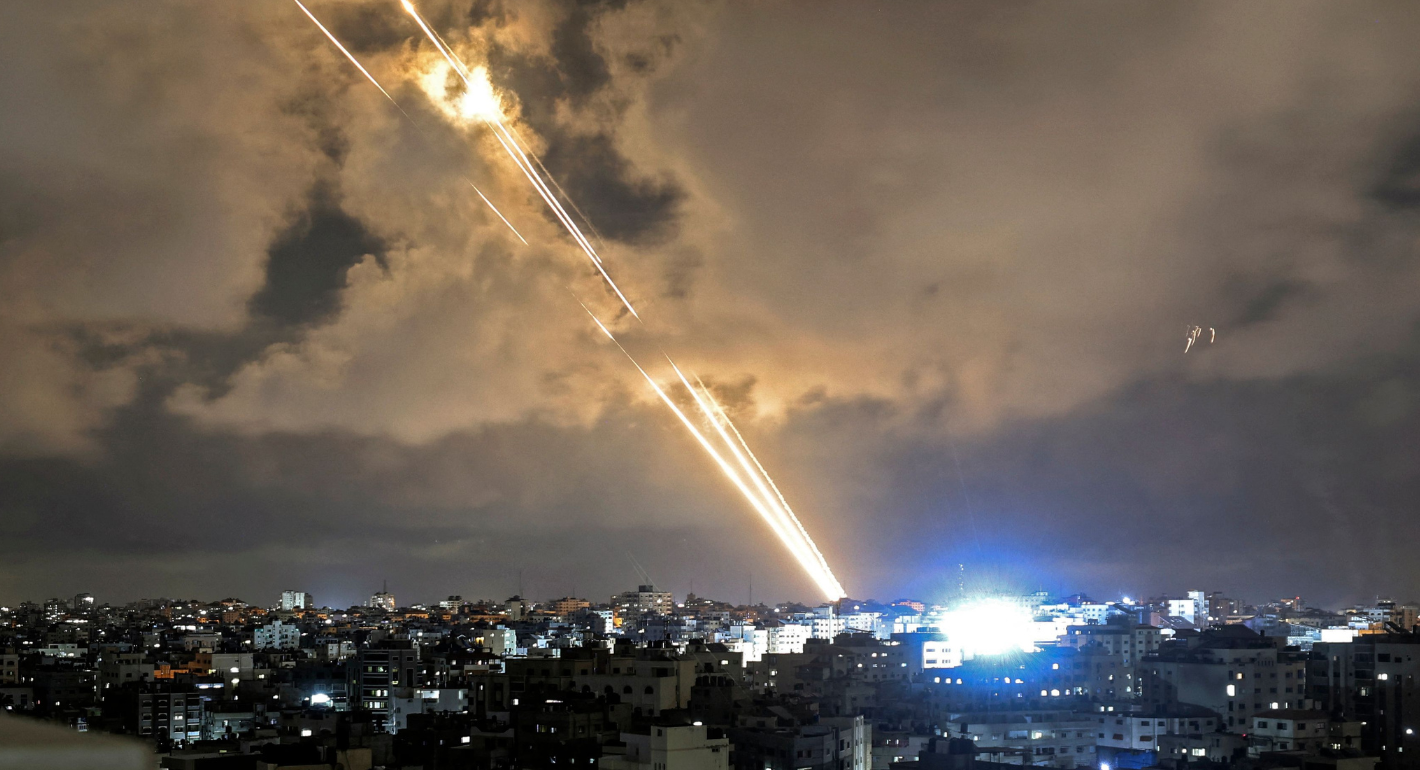
An Israeli response to Iran’s October 1 attack is imminent. The key question is of its intensity and potential fallout, both within Iran, in terms of nuclear security policy changes, and across the broader region. The coming days are likely to reshape West Asia irreversibly.
Gaddam Dharmendra
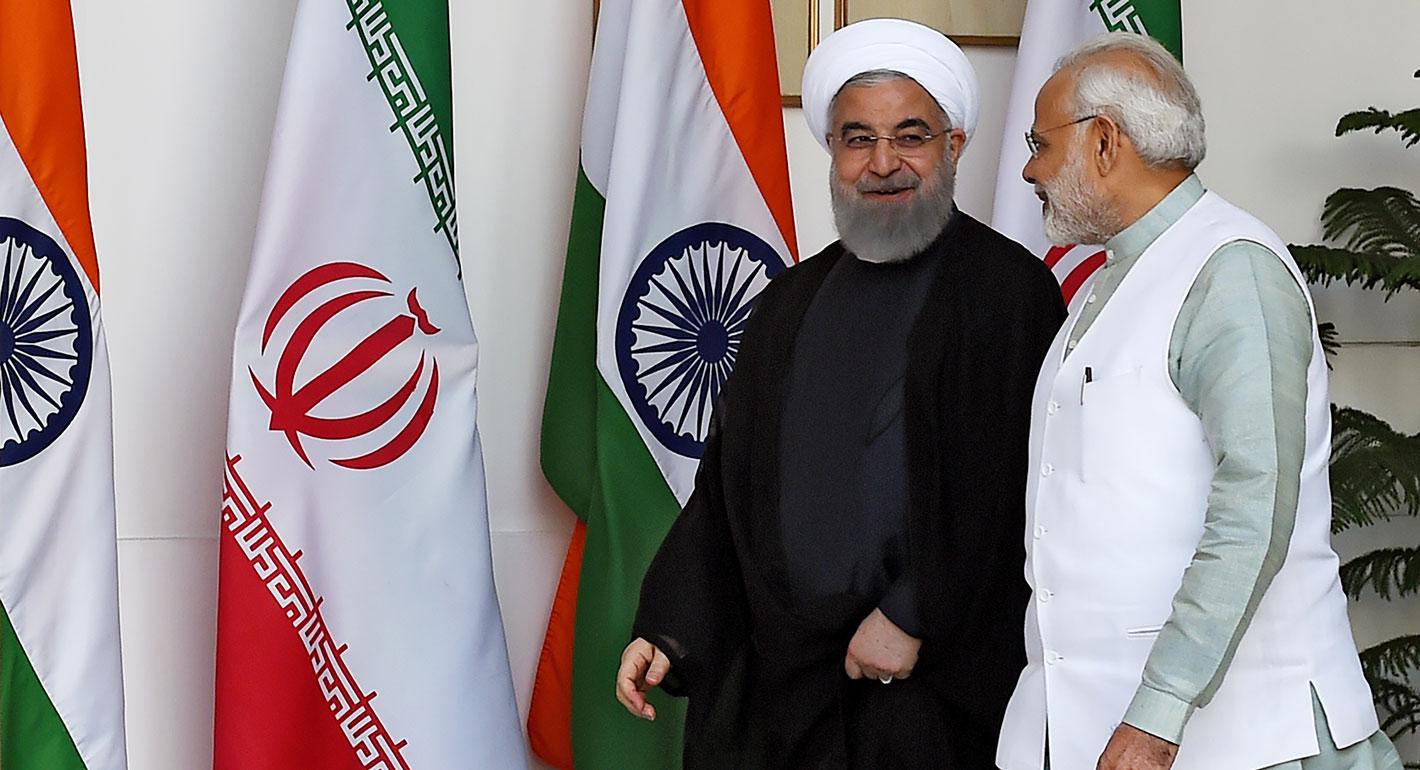
For India, the equation is pretty simple: better diplomatic relations between the United States and Iran would let New Delhi deal more smoothly with both countries. A decline in the relationship adversely affects Indian interests.

Rudra Chaudhuri
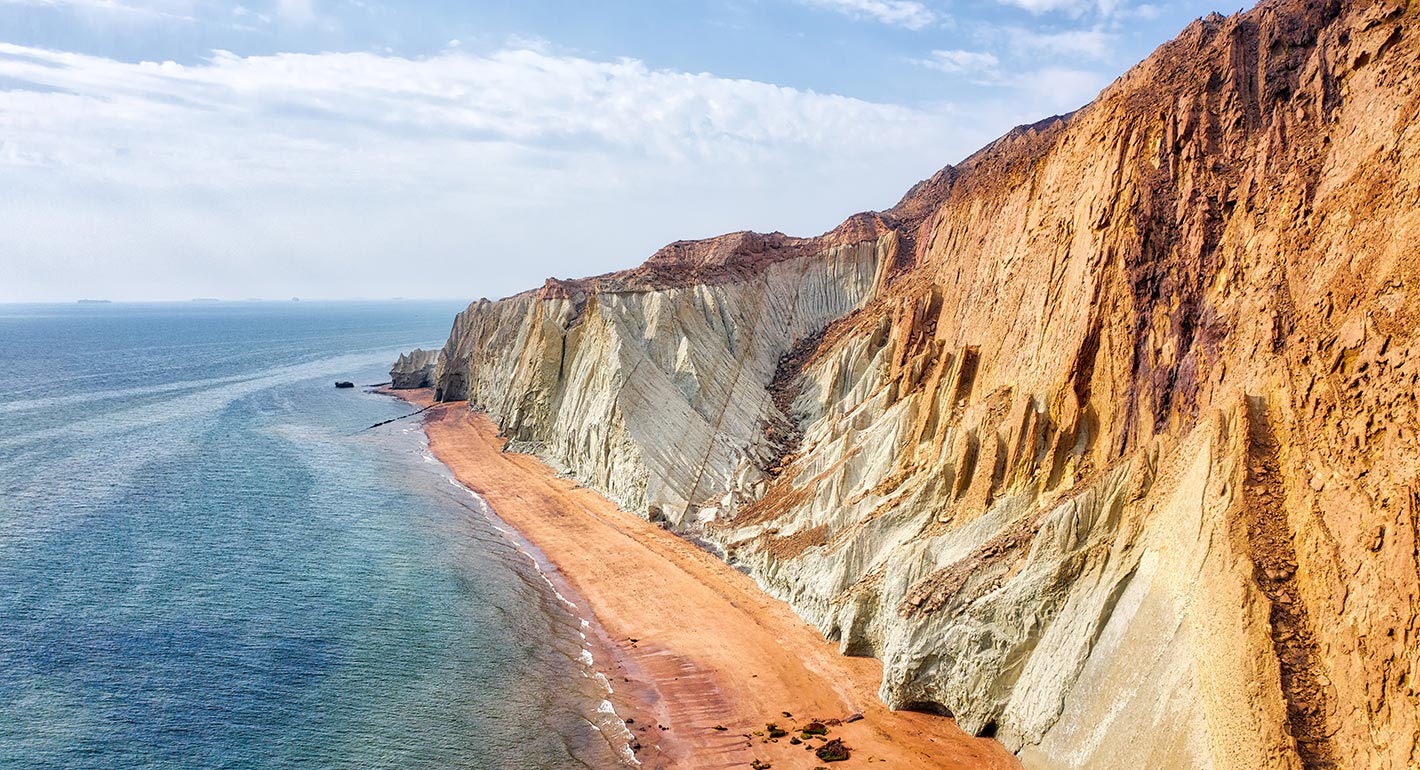
The recent developments around the Strait of Hormuz have once again highlighted the importance of maritime chokepoints and their connection to regional geopolitics.

Darshana M. Baruah
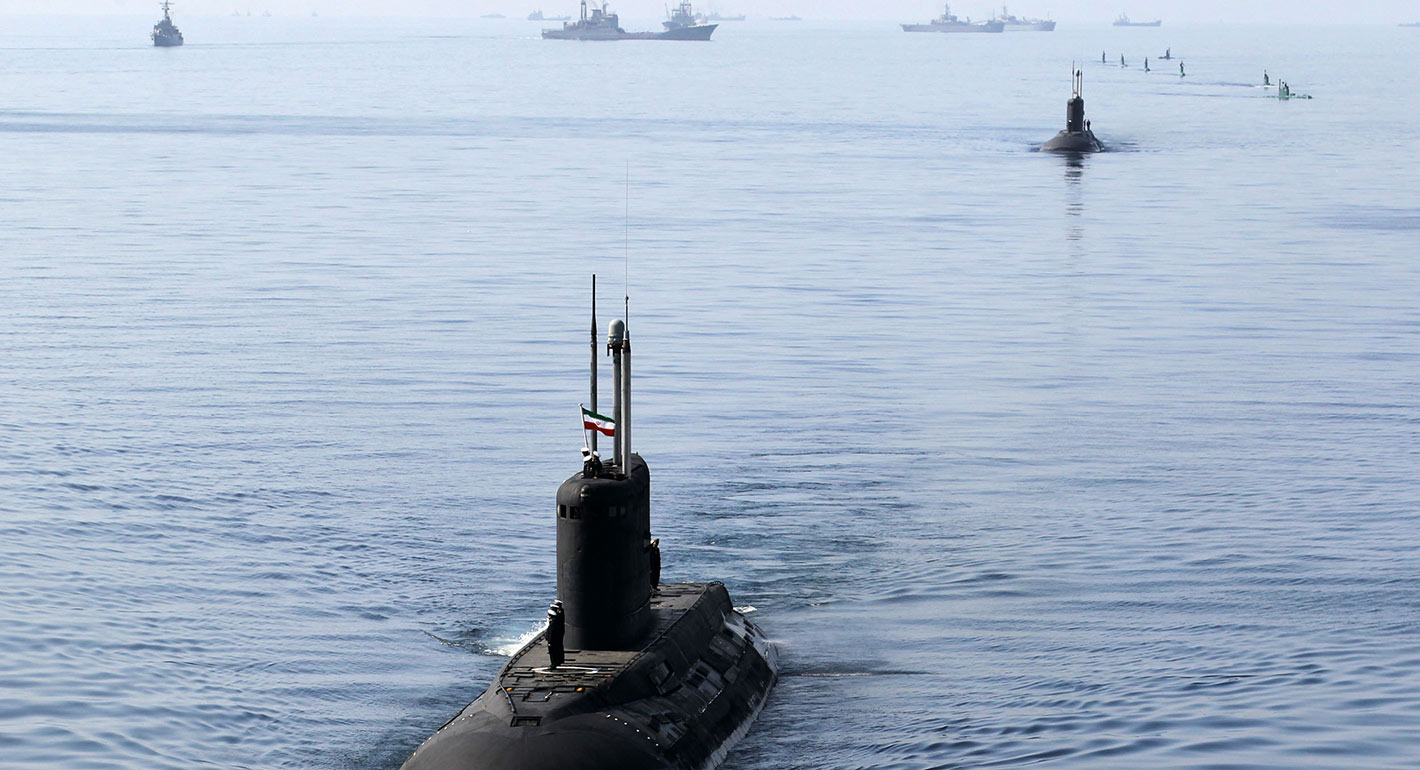
Last week, Britain impounded an Iranian oil tanker in Gibraltar, claiming that the vessel was carrying oil to Syria in violation of the European Union’s sanctions.
Srinath Raghavan