

Commentary
How is AI reshaping space security, creating governance challenges, and where does international diplomacy stand today?
Tejas Bharadwaj, Almudena Azcárate Ortega
{
  "authors": [
    "Pranay Vaddi",
    "Adam Mount"
  ],
  "type": "legacyinthemedia",
  "centerAffiliationAll": "dc",
  "centers": [
    "Carnegie Endowment for International Peace"
  ],
  "collections": [
    "U.S. Nuclear Policy"
  ],
  "englishNewsletterAll": "ctw",
  "nonEnglishNewsletterAll": "",
  "primaryCenter": "Carnegie Endowment for International Peace",
  "programAffiliation": "NPP",
  "programs": [
    "Nuclear Policy"
  ],
  "projects": [],
  "regions": [
    "North America",
    "United States"
  ],
  "topics": [
    "Democracy",
    "Nuclear Policy"
  ]
}
Source: Getty
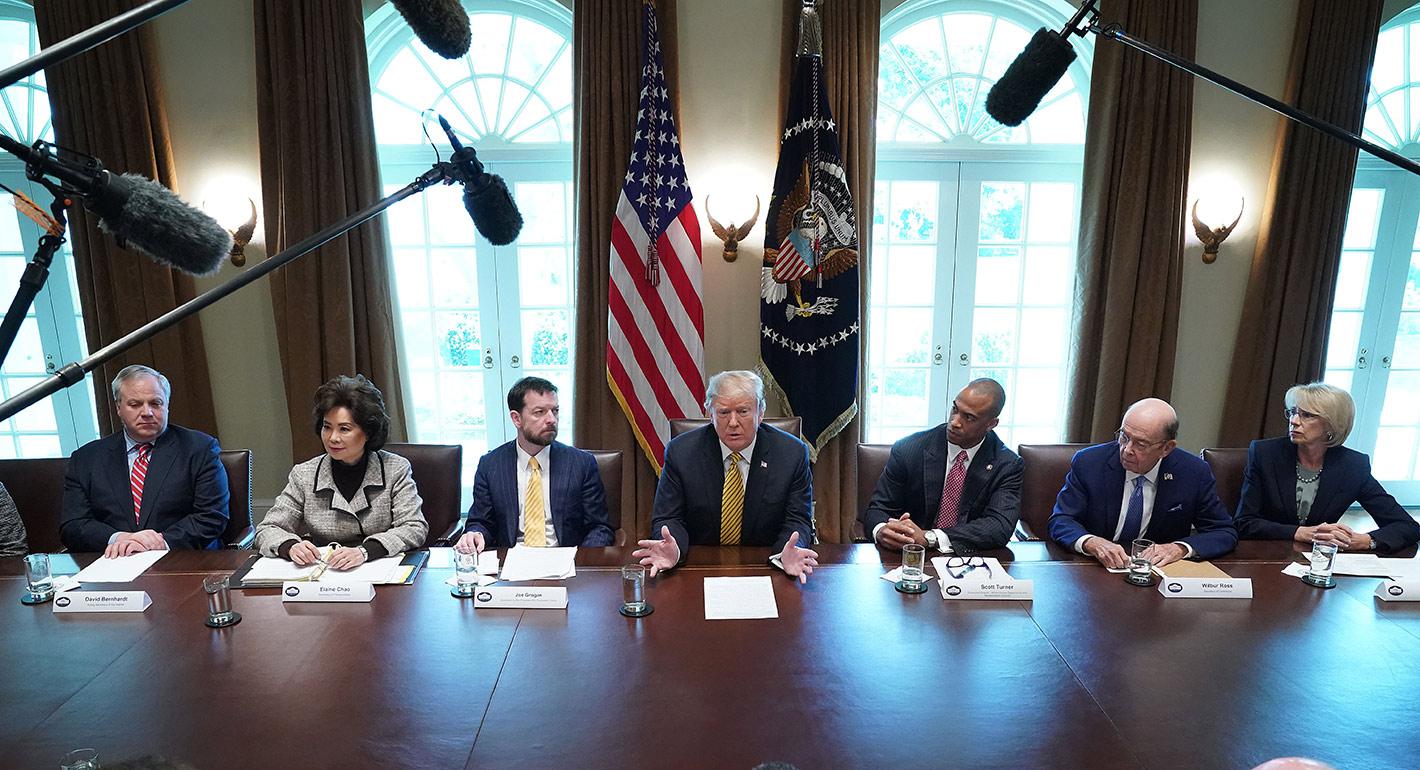
As long as the order can be certified as coming from the president, and as long as military officials involved in implementing the decision do not object to the order as violating the law of armed conflict, U.S. forces are expected to carry out the order.
Source: Lawfare Blog
Over the past four years, many Americans have been surprised to learn that a U.S. president can order a nuclear strike at a moment’s notice without the approval of any other official. Though the president might be expected to consult with top military advisers, Congress or U.S. intelligence, there is no requirement that he or she do so. As long as the order can be certified as coming from the president, and as long as military officials involved in implementing the decision do not object to the order as violating the law of armed conflict, U.S. forces are expected to carry out the order.
Several members of Congress and experts have offered proposals to revise nuclear authorization procedures to require the approval of additional officials prior to the release of nuclear weapons. This would be an important step in improving the system, but it does not exhaust the changes needed to ensure the system serves U.S. interests. If and when the United States revises its policies on nuclear use authority, it should also address two other outstanding issues: ensuring that procedures are in place for the president to consult with the leaders of allied countries prior to ordering a nuclear operation that would affect them and reviewing the process by which the military would assess the legality of nuclear operations under the law of armed conflict.
Former Fellow, Nuclear Policy Program
Pranay Vaddi was a fellow in the Nuclear Policy Program at the Carnegie Endowment for International Peace.
Adam Mount
Adam Mount is a nonresident senior fellow at the Federation of American Scientists.
Carnegie India does not take institutional positions on public policy issues; the views represented herein are those of the author(s) and do not necessarily reflect the views of Carnegie, its staff, or its trustees.

How is AI reshaping space security, creating governance challenges, and where does international diplomacy stand today?


Tejas Bharadwaj, Almudena Azcárate Ortega

The U.S.–India semiconductor cooperation story is well-stocked with top-level strategic intent. What remains unresolved, however, are some underlying challenges that will determine whether the cooperation actually functions. Three such friction points stand out.

Shruti Mittal
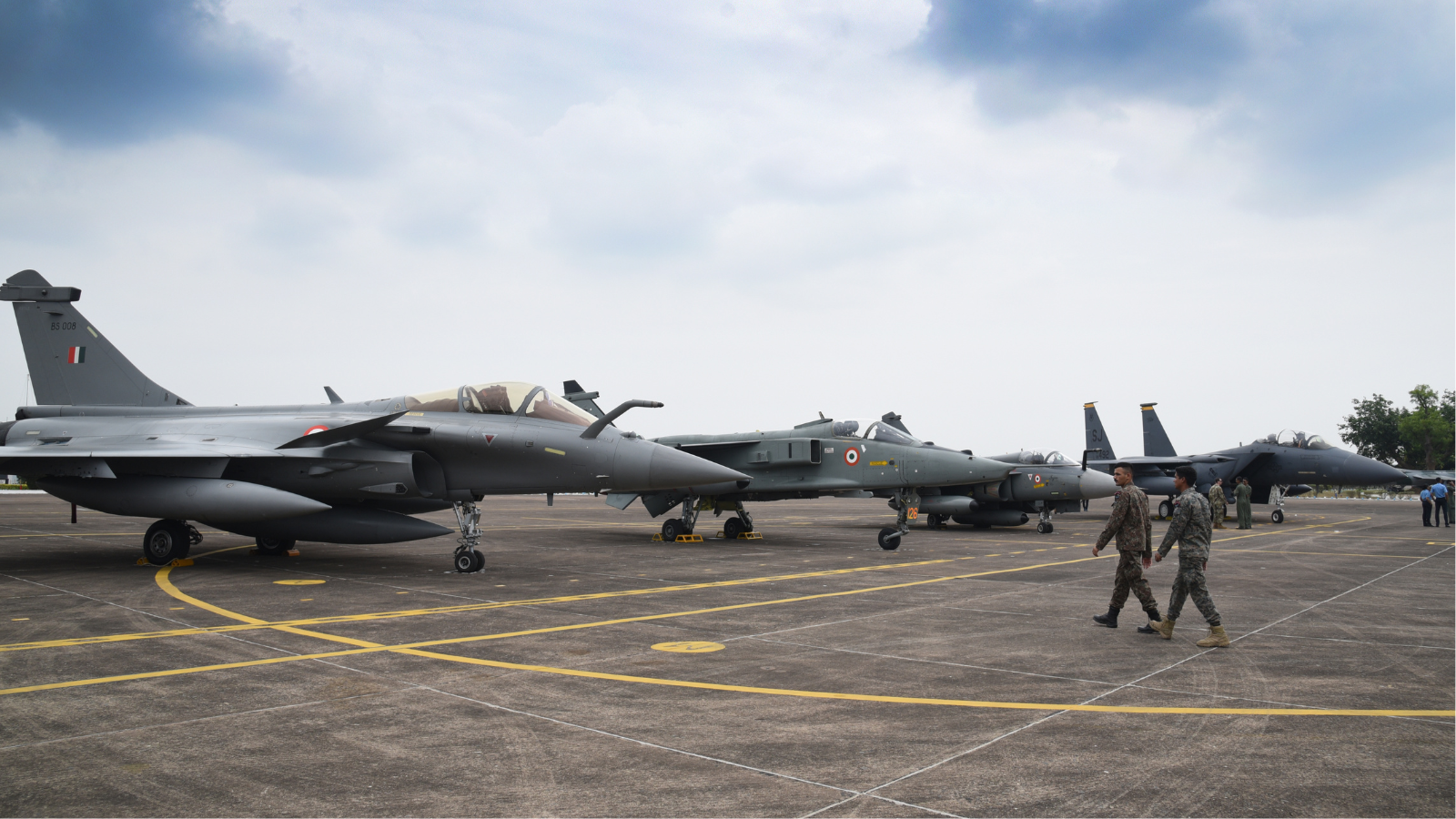
India and the United States are close to concluding a Reciprocal Defense Procurement Agreement (RDPA) that will allow firms from the two countries to sell to each other’s defense establishments more easily. While this may not remedy the specific grievances both sides may have regarding larger bilateral issues, an RDPA could restore some momentum, following the trade deal announcement.

Konark Bhandari

On the last day of the India AI Impact Summit, India signed Pax Silica, a U.S.-led declaration seemingly focused on semiconductors. While India’s accession to the same was not entirely unforeseen, becoming a signatory nation this quickly was not on the cards either.
Konark Bhandari

This piece examines India’s response to U.S. sanctions and tariffs, specifically assessing the immediate market consequences, such as alterations in import costs, and the broader strategic implications for India’s energy security and foreign policy orientation.

Vrinda Sahai