

Commentary
H. A. Hellyer
{
  "authors": [
    "H. A. Hellyer"
  ],
  "type": "legacyinthemedia",
  "centerAffiliationAll": "dc",
  "centers": [
    "Carnegie Endowment for International Peace",
    "Malcolm H. Kerr Carnegie Middle East Center"
  ],
  "collections": [],
  "englishNewsletterAll": "menaTransitions",
  "nonEnglishNewsletterAll": "",
  "primaryCenter": "Carnegie Endowment for International Peace",
  "programAffiliation": "MEP",
  "programs": [
    "Middle East"
  ],
  "projects": [],
  "regions": [
    "Western Europe"
  ],
  "topics": [
    "Political Reform",
    "Religion"
  ]
}
Source: Getty
No community wants to feel it is being engaged with because it is a “problem”—a “difficulty” that has come from “outside.” Rather, they want to be recognized as integral to the society of which they are a part, and given assistance in order to excel—not because the establishment fears them.
Source: Politico
By definition, something that’s “counterproductive” achieves the opposite result from the one that you want to achieve. As I’ve pondered European Council President Charles Michel’s call for the creation of a European institute to train imams, it’s that word — counterproductive — that has come to mind again and again.
There’s nothing untoward, intrinsically speaking, to favor the establishment and development of Muslim institutions of religious authority in Europe. That simply follows an existing pattern for Muslim communities historically and worldwide.

Former Nonresident Scholar, Middle East Program
Dr. H.A. Hellyer was a nonresident scholar at the Carnegie Endowment for International Peace. He serves as a senior associate fellow at the Royal United Services Institute for Defence and Security Studies in London, and as a Cambridge University fellow.
Recent Work
H. A. Hellyer
H. A. Hellyer
Carnegie India does not take institutional positions on public policy issues; the views represented herein are those of the author(s) and do not necessarily reflect the views of Carnegie, its staff, or its trustees.
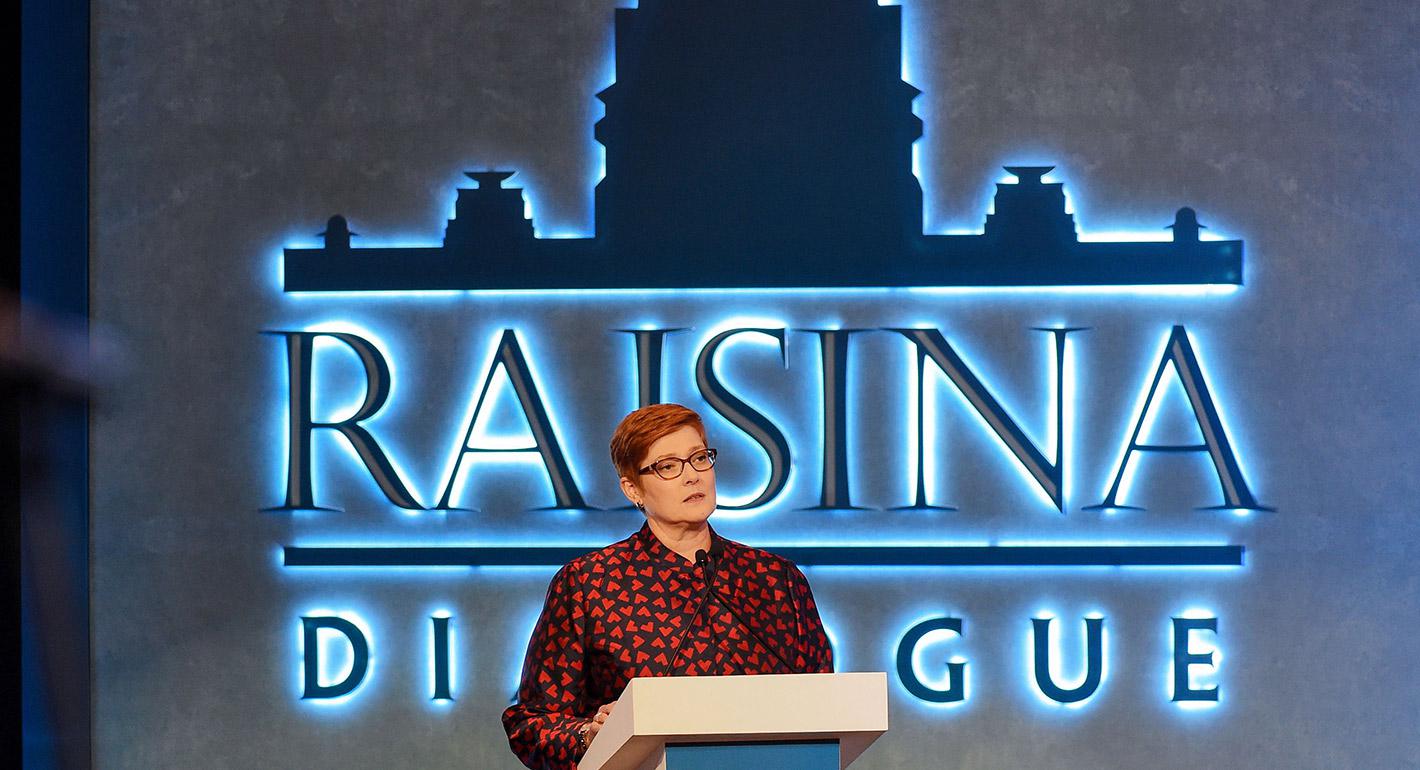
Foreign ministers from India, France, and Australia recently met (virtually) at the Raisina Dialogue, India’s flagship annual conference on geopolitics and geoeconomics. What can they get done if they work together?


Rudra Chaudhuri, Shibani Mehta
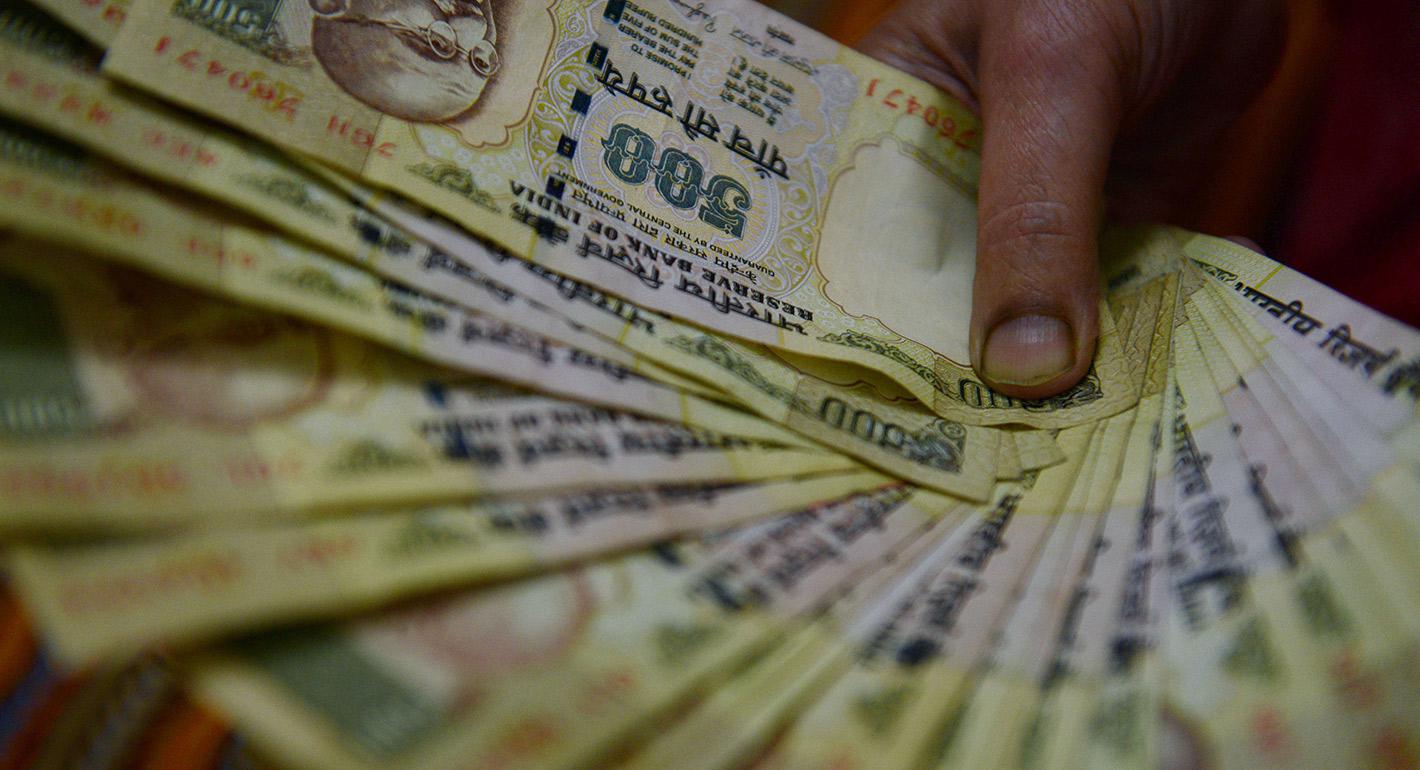
As India’s economy recovers from the coronavirus pandemic, Indian businesses need efficient financial structures to regain their ground. Key reforms to India’s Insolvency and Bankruptcy Code could fill these gaps.

Anirudh Burman

Access to cross-border data is an integral piece of the law enforcement puzzle. India is well placed to lead the discussions on international data agreements subject to undertaking necessary surveillance reforms.
Smriti Parsheera, Prateek Jha
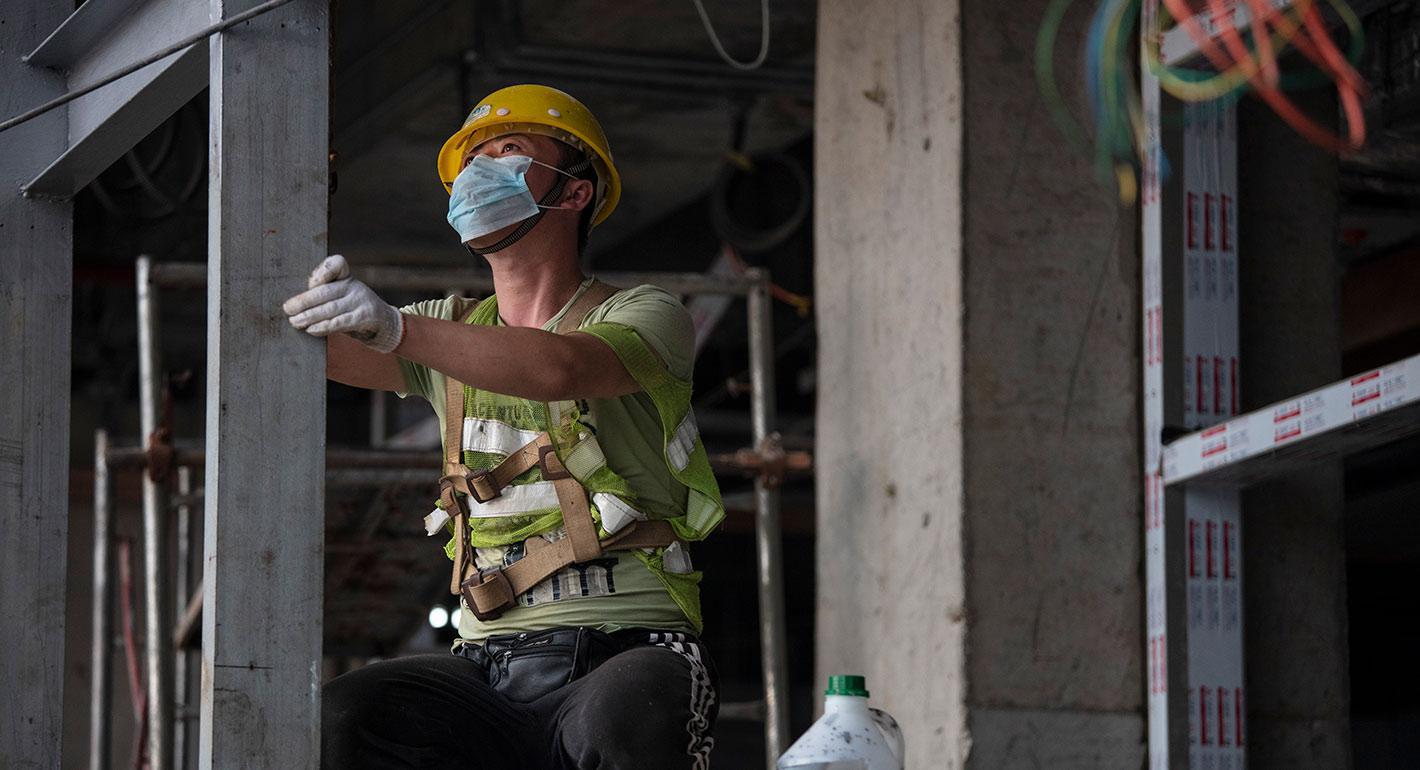
After the coronavirus pandemic wanes, how will China’s reorientation of the Belt and Road Initiative to address global health concerns influence its relationships with South Asian countries?
Deep Pal, Rahul Bhatia
Early in the outbreak, government researchers forecast several high-risk scenarios that were downplayed or ignored in public messaging.
Gautam I. Menon