

Research
- +11
Frances Z. Brown, Nate Reynolds, Priyal Singh, …
{
  "authors": [
    "Frederic Wehrey"
  ],
  "type": "legacyinthemedia",
  "centerAffiliationAll": "dc",
  "centers": [
    "Carnegie Endowment for International Peace"
  ],
  "collections": [],
  "englishNewsletterAll": "menaTransitions",
  "nonEnglishNewsletterAll": "",
  "primaryCenter": "Carnegie Endowment for International Peace",
  "programAffiliation": "MEP",
  "programs": [
    "Middle East"
  ],
  "projects": [],
  "regions": [
    "North America",
    "United States",
    "Middle East",
    "North Africa"
  ],
  "topics": [
    "Foreign Policy"
  ]
}
Source: Getty
As president, Joe Biden will have to grapple with the aftermath of Emirati adventurism and the habits of other authoritarian Arab allies that have been lavished with American military support, not just under Trump but under previous administrations, as well.
Source: Politico
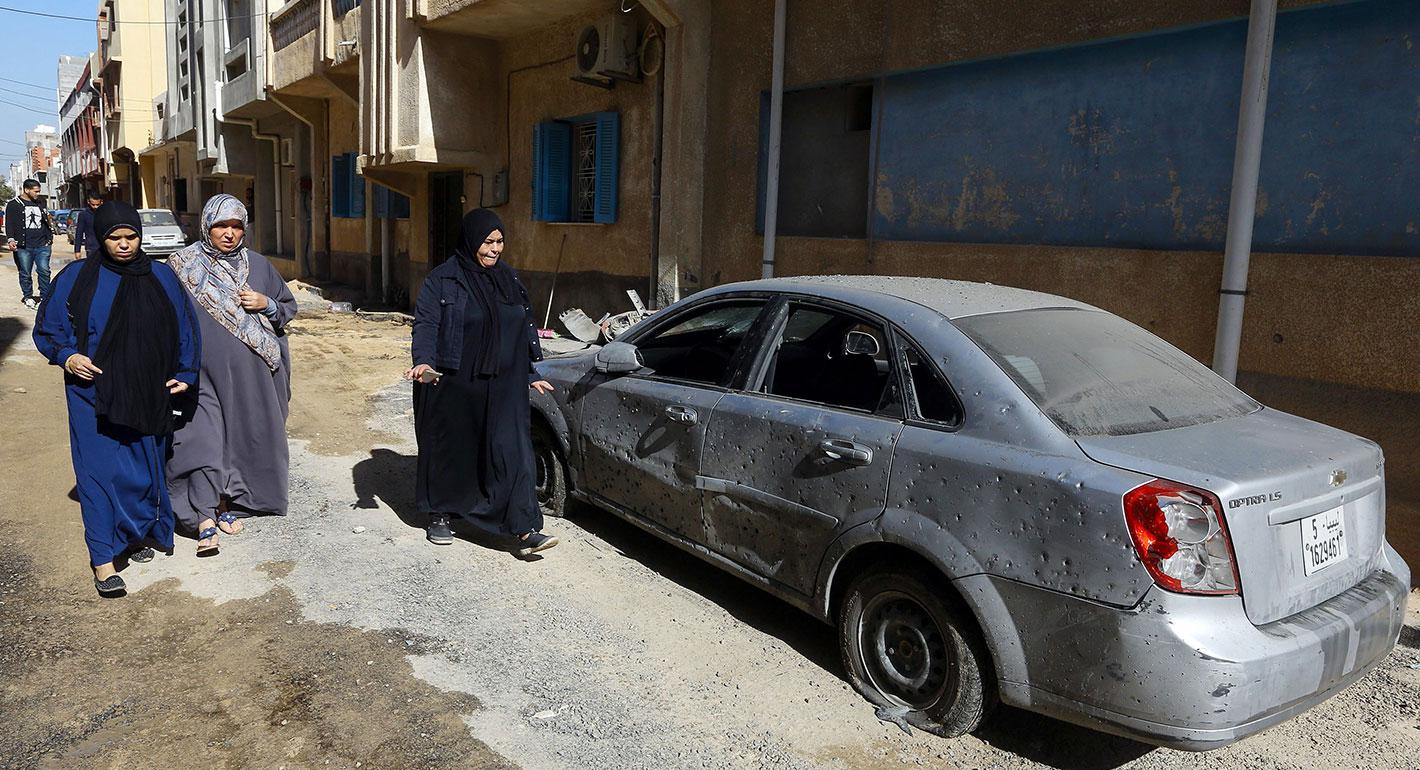
One evening last November, while reporting on the front lines outside the Libyan capital of Tripoli, I got caught in an Emirati drone bombardment aimed at Libyan pro-government fighters. Alerted by the whirr of the craft overhead, the fighters whisked me inside a concrete villa, and we watched the streaks of the airstrikes from inside. A few days later, a group of foreign and Libyan workers at a biscuit factory east of Tripoli got no such warning. Around midmorning, an Emirati drone fired the first of five missiles through the roof of a storage hangar, destroying some supplies but sparing lives. The panicked workers fled north to an alfalfa field. The missiles followed them.
I arrived on the scene a few hours later to find the smoldering wreckage and impact craters in the field. The corpses had been removed, but the site was strewn with bits of skull and flesh, tufts of hair, and an orphaned sandal. In total, eight civilians died in the bombing, and more than two dozen were wounded.

Senior Fellow, Middle East Program
Frederic Wehrey is a senior fellow in the Middle East Program at the Carnegie Endowment for International Peace, where his research focuses on governance, conflict, and security in Libya, North Africa, and the Persian Gulf.
Recent Work


Frances Z. Brown, Nate Reynolds, Priyal Singh, …
Charles H. Johnson, Frederic Wehrey
Carnegie India does not take institutional positions on public policy issues; the views represented herein are those of the author(s) and do not necessarily reflect the views of Carnegie, its staff, or its trustees.
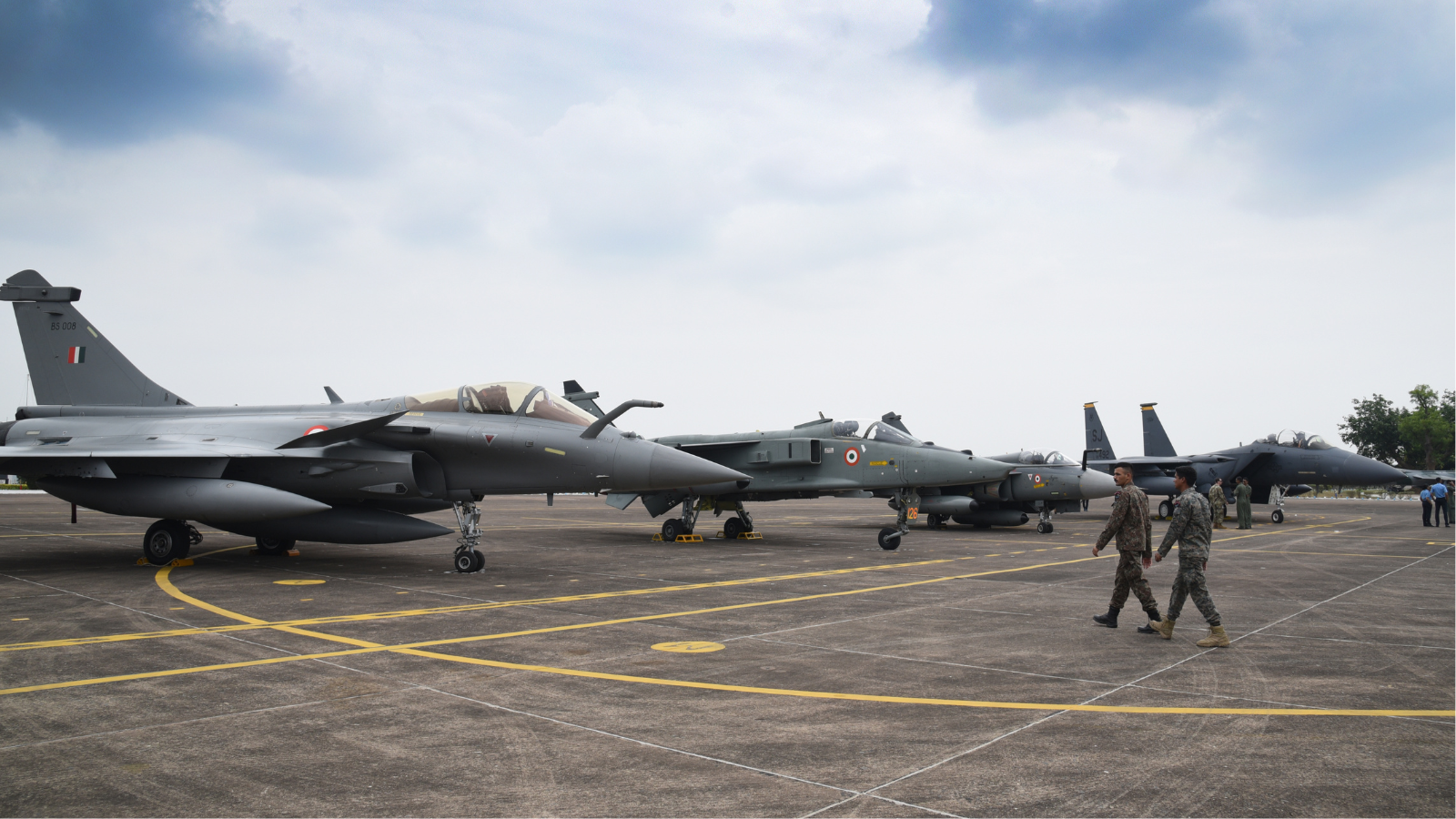
India and the United States are close to concluding a Reciprocal Defense Procurement Agreement (RDPA) that will allow firms from the two countries to sell to each other’s defense establishments more easily. While this may not remedy the specific grievances both sides may have regarding larger bilateral issues, an RDPA could restore some momentum, following the trade deal announcement.

Konark Bhandari

On the last day of the India AI Impact Summit, India signed Pax Silica, a U.S.-led declaration seemingly focused on semiconductors. While India’s accession to the same was not entirely unforeseen, becoming a signatory nation this quickly was not on the cards either.
Konark Bhandari

This piece examines India’s response to U.S. sanctions and tariffs, specifically assessing the immediate market consequences, such as alterations in import costs, and the broader strategic implications for India’s energy security and foreign policy orientation.

Vrinda Sahai
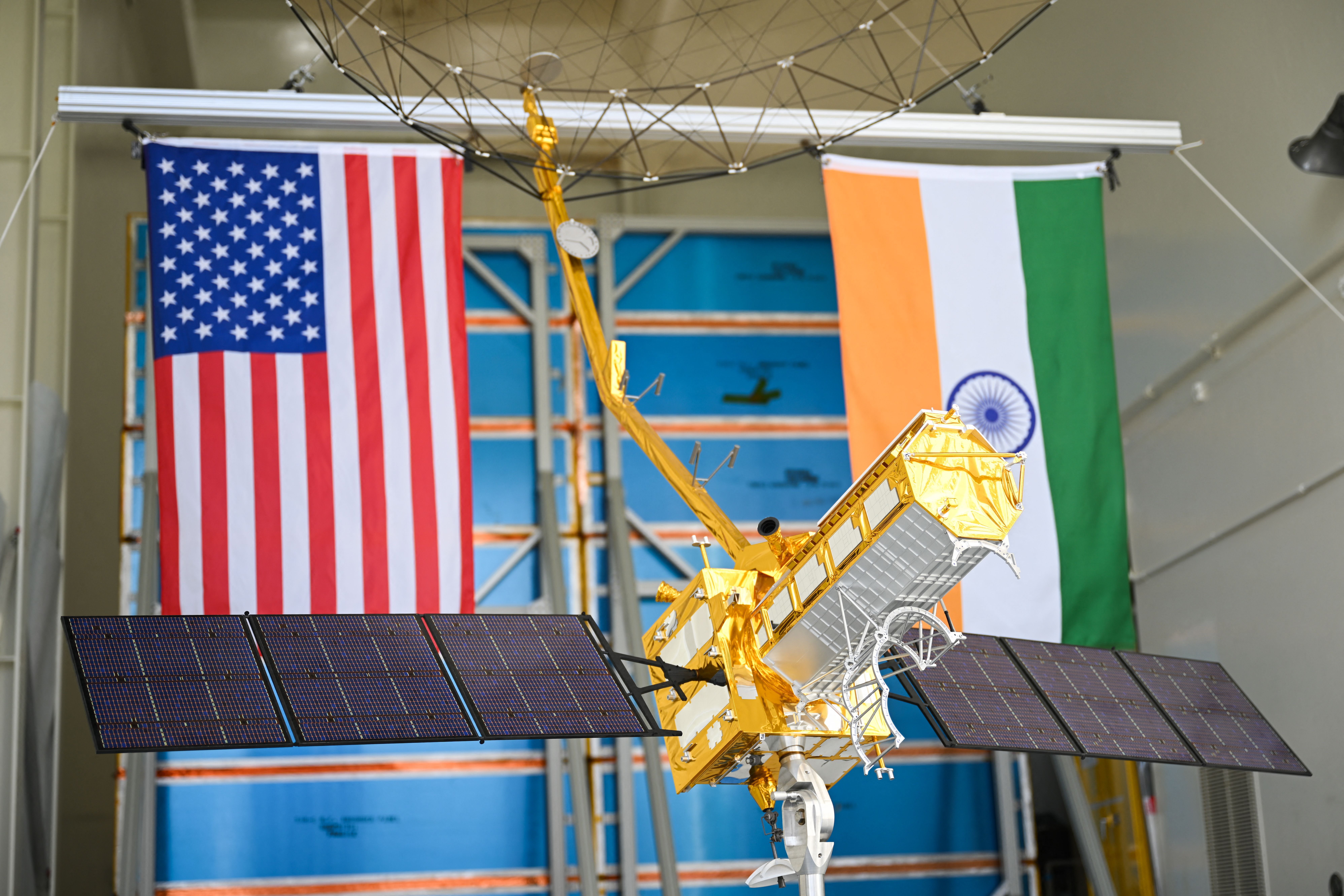
On July 30, 2025, the United States announced 25 percent tariffs on Indian goods. While diplomatic tensions simmered on the trade front, a cosmic calm prevailed at the Sriharikota launch range. Officials from NASA and ISRO were preparing to launch an engineering marvel into space—the NASA-ISRO Synthetic Aperture Radar (NISAR), marking a significant milestone in the India-U.S. bilateral partnership.

Tejas Bharadwaj
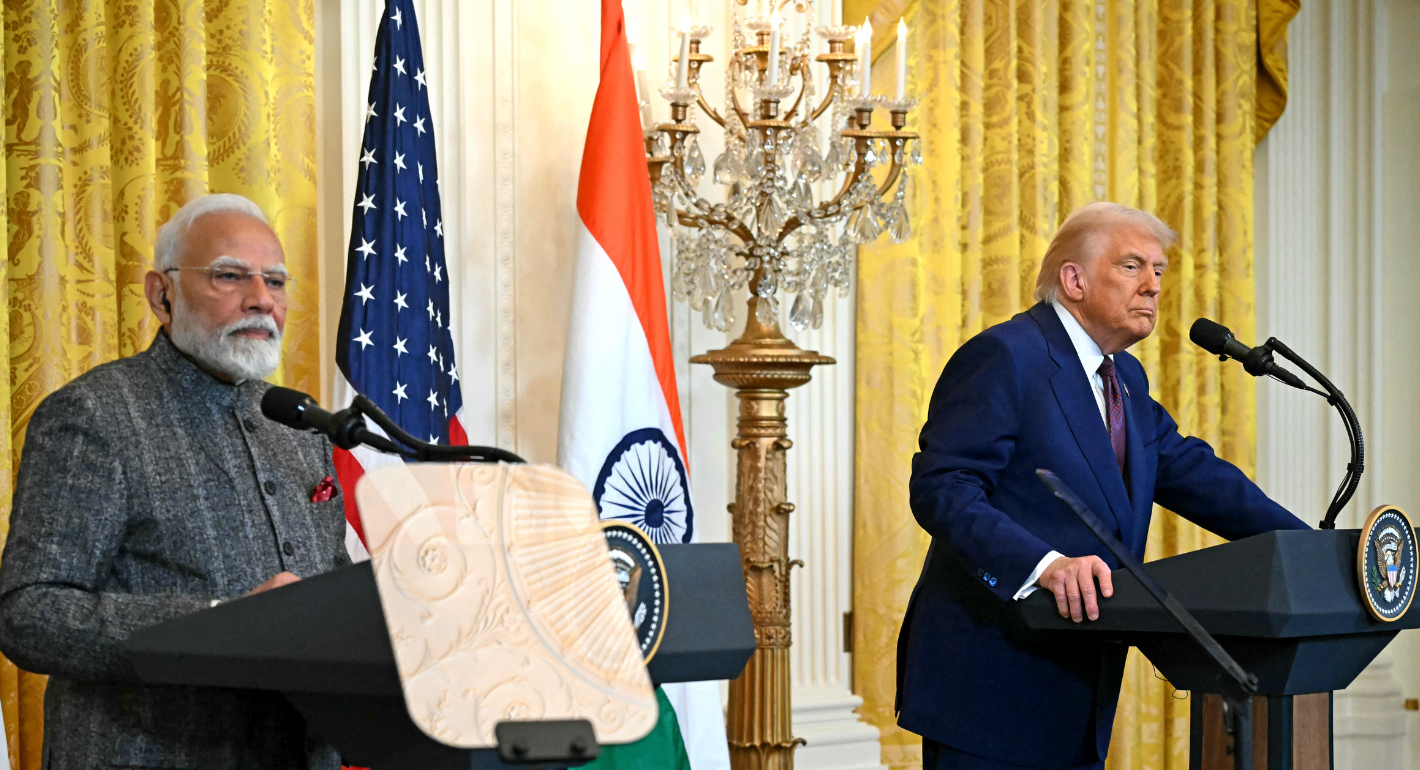
The India-U.S. relationship currently appears buffeted between three “Ts”—TRUST, Tariffs, and Trump.
Arun K. Singh