
• Research
  • About
  • Experts
Carnegie India logoCarnegie lettermark logo
{
  "authors": [
    "Kelly Sims Gallagher"
  ],
  "type": "legacyinthemedia",
  "centerAffiliationAll": "dc",
  "centers": [
    "Carnegie Endowment for International Peace"
  ],
  "collections": [],
  "englishNewsletterAll": "ctw",
  "nonEnglishNewsletterAll": "",
  "primaryCenter": "Carnegie Endowment for International Peace",
  "programAffiliation": "SCP",
  "programs": [
    "Sustainability, Climate, and Geopolitics"
  ],
  "projects": [],
  "regions": [
    "South Asia",
    "Pakistan",
    "East Asia",
    "China",
    "North America"
  ],
  "topics": [
    "Economy",
    "Climate Change"
  ]
}
REQUIRED IMAGE

REQUIRED IMAGE

In The Media

What Drives Pakistan’s Coal-fired Power Plant Construction Boom? Understanding The China-Pakistan Economic Corridor’s Energy Portfolio

Although the CPEC energy portfolio has included a few groundbreaking renewable energy projects, Pakistani officials prioritized larger scale coal-fired power plants because they believed these plants would provide the most effective means to tackle the local energy crisis.

Link Copied
By Kelly Sims Gallagher
Published on Jan 19, 2022

ScienceDirect

About the Author

Kelly Sims Gallagher

Nonresident Scholar, Sustainability, Climate and Geopolitics Program

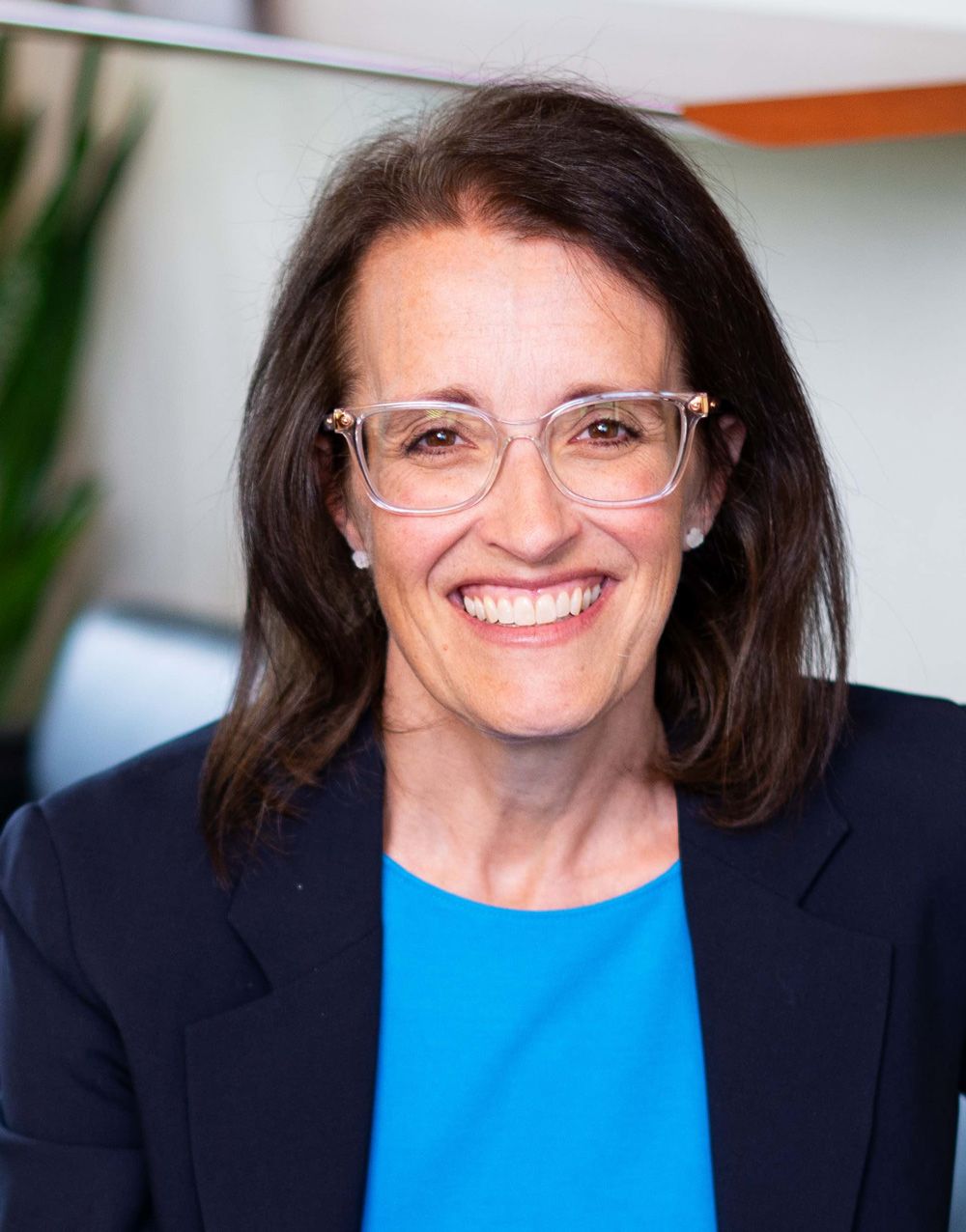
Kelly Sims Gallagher is a nonresident scholar in the Sustainability, Climate and Geopolitics Program at the Carnegie Endowment and is dean, professor of energy and environmental policy, and director of the Center for International Environment & Resource Policy, at The Fletcher School at Tufts University.

Kelly Sims Gallagher
Nonresident Scholar, Sustainability, Climate and Geopolitics Program
Kelly Sims Gallagher
EconomyClimate ChangeSouth AsiaPakistanEast AsiaChinaNorth America

Carnegie India does not take institutional positions on public policy issues; the views represented herein are those of the author(s) and do not necessarily reflect the views of Carnegie, its staff, or its trustees.

More Work from Carnegie India

  • Commentary
    The Impact of U.S. Sanctions and Tariffs on India’s Russian Oil Imports

    This piece examines India’s response to U.S. sanctions and tariffs, specifically assessing the immediate market consequences, such as alterations in import costs, and the broader strategic implications for India’s energy security and foreign policy orientation.

      Vrinda Sahai

  • Article
    Military Lessons from Operation Sindoor

    The India-Pakistan conflict that played out between May 6 and May 10, 2025, offers several military lessons. This article presents key takeaways from Operation Sindoor and breaks down how India’s preparations shaped the outcome and what more is needed to strengthen future readiness.

      Dinakar Peri

  • Paper
    India-China Economic Ties: Determinants and Possibilities

    This paper examines the evolution of India-China economic ties from 2005 to 2025. It explores the impact of global events, bilateral political ties, and domestic policies on distinct spheres of the economic relationship.

      Santosh Pai

  • Article
    Hidden Tides: IUU Fishing and Regional Security Dynamics for India

    This article examines the scale and impact of Chinese IUU fishing operations globally and identifies the nature of the challenge posed by IUU fishing in the Indian Ocean Region (IOR). It also investigates why existing maritime law and international frameworks have struggled to address this growing threat.

      Ajay Kumar, Charukeshi Bhatt

  • Commentary
    TRUST and Tariffs

    The India-U.S. relationship currently appears buffeted between three “Ts”—TRUST, Tariffs, and Trump.

      Arun K. Singh

Get more news and analysis from
Carnegie India
Carnegie India logo, white
Unit C-4, 5, 6, EdenparkShaheed Jeet Singh MargNew Delhi – 110016, IndiaPhone: 011-40078687
  • Research
  • About
  • Experts
  • Projects
  • Events
  • Contact
  • Careers
  • Privacy
  • For Media
Get more news and analysis from
Carnegie India
© 2026 Carnegie Endowment for International Peace. All rights reserved.








