

Commentary
Peter Kellner
{
  "authors": [
    "Peter Kellner"
  ],
  "type": "commentary",
  "centerAffiliationAll": "dc",
  "centers": [
    "Carnegie Endowment for International Peace",
    "Carnegie Europe"
  ],
  "collections": [],
  "englishNewsletterAll": "ctw",
  "nonEnglishNewsletterAll": "",
  "primaryCenter": "Carnegie Europe",
  "programAffiliation": "EP",
  "programs": [
    "Europe"
  ],
  "projects": [],
  "regions": [
    "Europe",
    "Western Europe",
    "United Kingdom",
    "Iran"
  ],
  "topics": []
}
Source: Getty
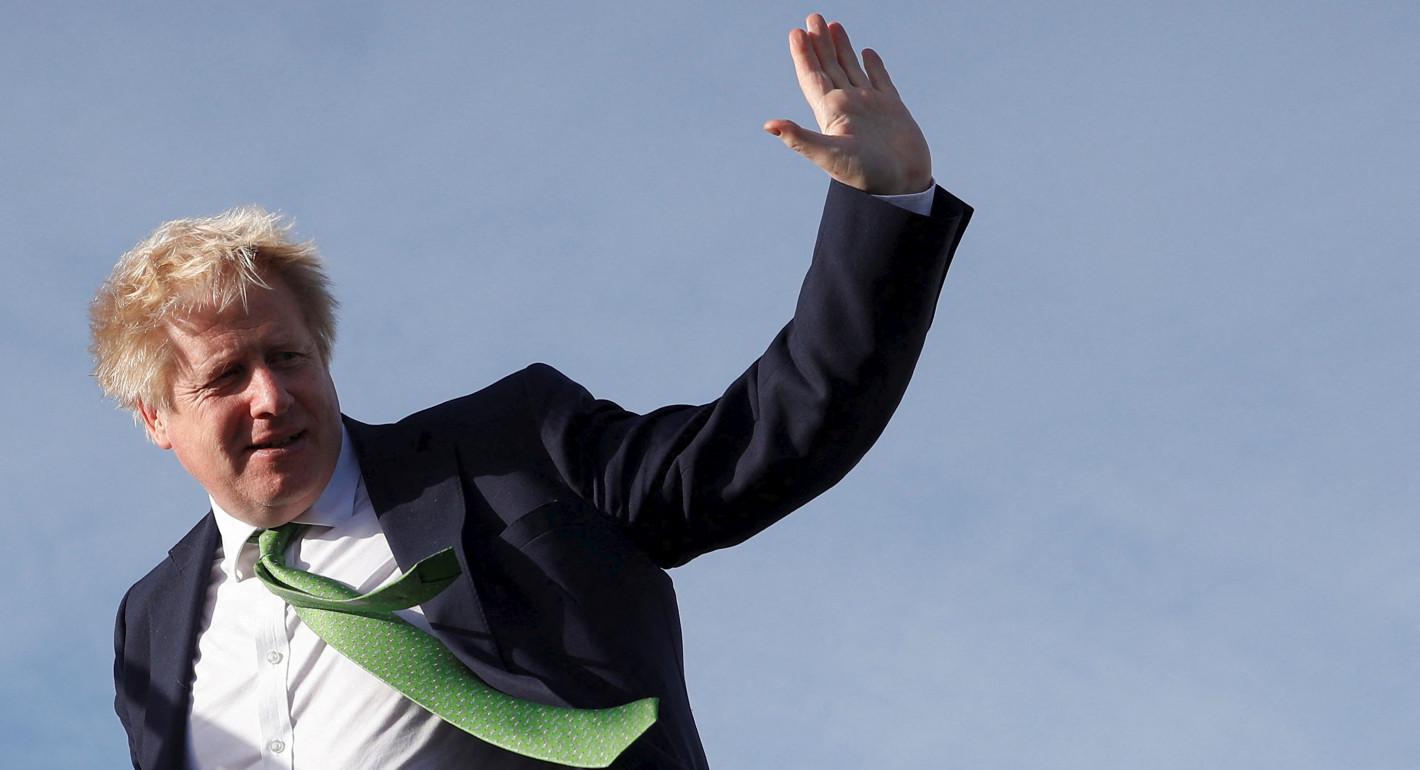
Johnson risks being turfed from office for evading his own lockdown rules, not sinking the UK into the pit of irrelevance.
British Prime Minister Boris Johnson has reclaimed daily news headlines in recent weeks, with stories of “Partygate” threatening to end his run as leader of the UK. Looking past the wild oscillations of these reports, in turns amusing and shocking, two basic truths stand out. First, with his campaign to become prime minister, he pushed his country to the edge of relevance in world affairs. Second, as prime minister, he has tipped it over that edge. Until recently, it mattered in Europe and beyond what the UK said and did. No longer. Today, those things provoke hilarity, pity, or nostalgia—but not the earnest attention of decisionmakers in Washington, Brussels, Moscow, or Beijing.
Less than a decade ago, the UK made a difference. The cliché was true: London punched above its weight—in economic power, in its special relationship with the United States, in its aid programs, and in its commitment to democratic norms. But one by one, Johnson has removed each of these strengths.
Johnson was the most prominent face of the referendum campaign in 2016 to leave the EU and wavered until the last moment before deciding which side to support. Given the close result, his decision to vote leave may have been a decisive influence on the outcome. Today, the UK makes up just 3 percent of the world economy—a far cry from the EU’s 21 percent when the UK was a member. When it comes to global negotiations on such issues as trade, banking, taxation, product standards, and legal regulations, the UK is now a rule taker, with little say in what happens.
The UK’s much-vaunted special relationship with the United States might have been less intense than in the days of Winston Churchill and Franklin D. Roosevelt, but it still mattered. Now that relationship is weaker than at any time in living memory. Apart from no longer providing the bridge between Washington and Brussels, Johnson has done nothing to repair his relations with U.S. President Joe Biden—possibly making things even worse by disowning the agreement he had reached with the EU over post-Brexit arrangements for Northern Ireland. (Biden, proud of his Irish roots, has made no secret of his irritation with Johnson and the danger that the Northern Ireland peace process might break down.) And if any doubt remained that the terms had changed between London and Washington, it came with the U.S. withdrawal from Afghanistan six months ago. Previously, when the United States took, or considered, military action in Afghanistan, Iraq, Libya, or Syria, it worked closely with British diplomats, politicians, and armed forces. The UK was not consulted about the exit decision or given advance notice.
The UK’s post-Brexit relations with the EU are also at a low ebb. A war of words over asylum seekers making the perilous journey in small dinghies across the English Channel has poisoned Johnson’s relations with French President Emmanuel Macron. Shortly before Christmas, the French media reported that Macron had called Johnson a “clown” with “the attitude of a vulgarian.” The reports have not been denied.
London’s generous and much-admired program for funding development in poorer countries has long enhanced its soft power influence. But in July 2020, Johnson’s administration abandoned the hitherto bipartisan commitment to spend 0.7 percent of national income on development aid for poorer countries. Aid to Yemen was cut by 60 percent and assistance to Syria fell by 70 percent. The cuts were condemned by all three of the Conservative Party’s living ex–prime ministers. Around the world, the UK has lost its reputation for both the size and quality of its aid programs.
Finally—a trend that is harder to measure, but still pervasive—London commanded respect for its leading role over centuries in developing the principles of human rights and demonstrating the virtues of a stable democracy. But in recent years, Johnson has repeatedly defied the norms of accepted behavior. He suspended meetings of Parliament at the height of the Brexit drama, shortly after he became prime minister—only to be overruled by the Supreme Court, which decided unanimously that he had acted illegally. In recent weeks, he has made false statements about the country’s economic growth, employment figures, support for poor families struggling to keep warm, the crime rate, and his plans for new hospitals—ignoring the convention that false statements should be corrected.
After all that, one might think that Johnson’s days as prime minister would be numbered. One would be right—but not because of that record. Instead, he has been caught holding parties that break the laws he imposed on the country to minimize the impact of the coronavirus pandemic. He stands condemned of the hypocrisy that has destroyed so many political careers around the world: behaving as if the rules that he designs for others do not apply to him.
Careful listeners can hear the echo of Al Capone. The gangster was imprisoned for evading taxes, not murder and racketeering; Johnson risks being turfed from office for evading his own lockdown rules, not sinking the UK into the pit of irrelevance.
Yet, as with Capone, the specific scandal likely to bring Johnson down illuminates his true character. Throughout his careers as journalist and politician, he has repeatedly confirmed the verdict of one of his teachers four decades ago: “I think he honestly believes that it is churlish of us not to regard him as an exception, one who should be free of the network of obligation which binds everyone else.” We are, then, edging toward the end of Johnson’s career in circumstances that have little to do with the big things he has done to diminish London’s stature, but much to do with his lifelong personality.
Once he has gone, can the UK recover its influence and, once again, punch above its weight? An optimist would point to the UK’s place as a permanent member of the UN Security Council and to its status as one of Western Europe’s two nuclear powers. These provide the foundations for some sort of recovery. A reversal of the cuts in overseas aid would help. But, as long as the UK remains outside the EU, the scope for reversing the effects of Johnson’s premiership is limited.
More fundamentally, countries are in one respect like people and companies. Trust and respect, built up gradually over the years, are easy to destroy—but painfully slow to revive.
Former Nonresident Scholar, Carnegie Europe
Kellner was a nonresident scholar at Carnegie Europe, where his research focused on Brexit, populism, and electoral democracy.
Recent Work
Peter Kellner
Peter Kellner
Carnegie India does not take institutional positions on public policy issues; the views represented herein are those of the author(s) and do not necessarily reflect the views of Carnegie, its staff, or its trustees.
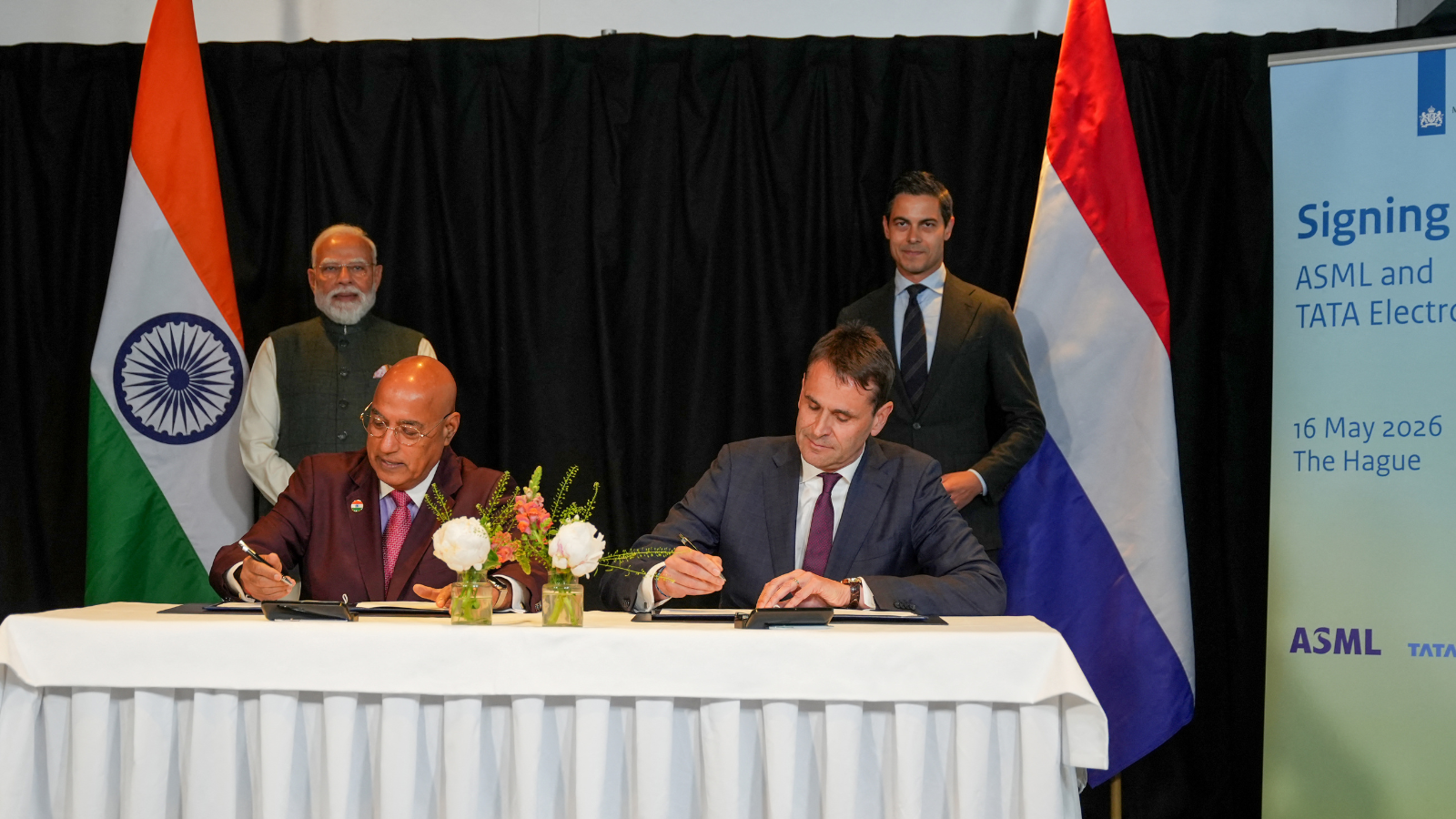
The ASML MoU with Tata Electronics is an indicator of how far the Indian semiconductor ecosystem has come. This ecosystem has been years in the making and represents real commercial logic.

Konark Bhandari

The India–EU Free Trade Agreement (FTA) is shaping up to be one of the most consequential trade negotiations, both economically and strategically. But, what’s in the agreement, what’s missing, and what will determine its success in the years ahead

Vrinda Sahai, Nicolas Köhler-Suzuki
The Technology and Security Initiative (TSI) ought to be more strategic, especially at a time of geopolitical displacement. This is an opportunity to fuse two deep technology ecosystems to co-produce and co-innovate solutions, products, and emerging technologies of the future.


Rudra Chaudhuri, Tejas Bharadwaj, Konark Bhandari, …
This article argues that the geopolitical circumstances have never been more conducive, not merely for the early conclusion of the free trade agreement (FTA) between India and the EU, but also for crafting a substantive and comprehensive strategic partnership.

Mohan Kumar
With monkeypox being declared a global health emergency, the WHO approach is an innovative and effective way to curb outbreaks of zoonotic diseases.

Shruti Sharma