

Article
This piece argues that India’s central challenge is not managing a single flashpoint but resolving the underlying tension between expansion and institutional coherency of the BRICS grouping.
Vrinda Sahai
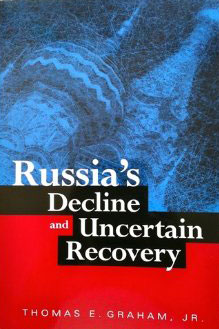
The precipitous decline of Russian power and influence in the world may stand as the most significant development for international relations of the last quarter of the 20th century. Never in modern history has a great power fallen so far so fast during peacetime.
Source: Washington, DC: Carnegie Endowment for International Peace, 2002
The precipitous decline of Russian power and influence in the world may stand as the most significant development for international relations of the last quarter of the 20th century. Never in modern history has a great power fallen so far so fast during peacetime. This decline initially brought the four-decades-long Cold War to a hasty, unexpected conclusion, and subsequently the Russian state and people have experienced a traumatic decade of chaos and widespread impoverishment that can be compared with the Time of Troubles at the turn of the 17th century or the Bolshevik Revolution and ensuing civil war in the early 20th century.
In this monograph, Thomas E. Graham, Jr., clearly and succinctly analyzes the sources of Russia's decline during the Soviet period and the dangerous fragmentation and erosion of state power in Russia during the 1990s. In finding roots in Russian history for the oligarchic regime of the Yeltsin years and the increasingly authoritarian characteristics of the Putin regime, he challenges the appropriateness of the transition paradigm for what has emerged in Russia during the past ten years. According to Graham, whether Russia will achieve sustainable economic growth, political stability, and renewed international influence remains an open question.
About the Author
Thomas E. Graham, Jr. is associate director of the Policy Planning Staff at the Department of State. He was previously a senior associate in the Russian and Eurasian Program of the Carnegie Endowment for International Peace, where he undertook a two-year project on the fragmentation of Russia that resulted in this monograph.
Former Senior Associate
Carnegie India does not take institutional positions on public policy issues; the views represented herein are those of the author(s) and do not necessarily reflect the views of Carnegie, its staff, or its trustees.

This piece argues that India’s central challenge is not managing a single flashpoint but resolving the underlying tension between expansion and institutional coherency of the BRICS grouping.

Vrinda Sahai

This piece examines India’s response to U.S. sanctions and tariffs, specifically assessing the immediate market consequences, such as alterations in import costs, and the broader strategic implications for India’s energy security and foreign policy orientation.
Vrinda Sahai
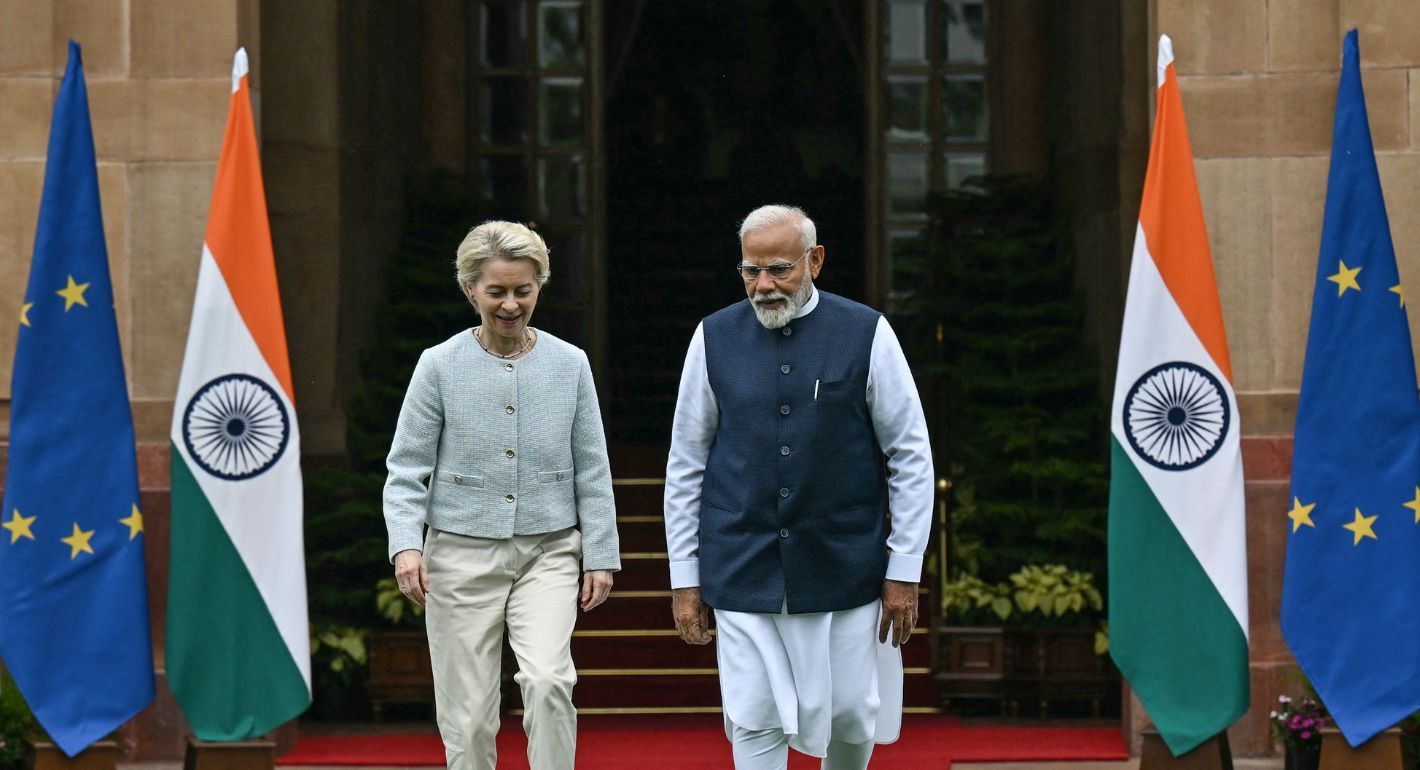
This article argues that the geopolitical circumstances have never been more conducive, not merely for the early conclusion of the free trade agreement (FTA) between India and the EU, but also for crafting a substantive and comprehensive strategic partnership.
Mohan Kumar
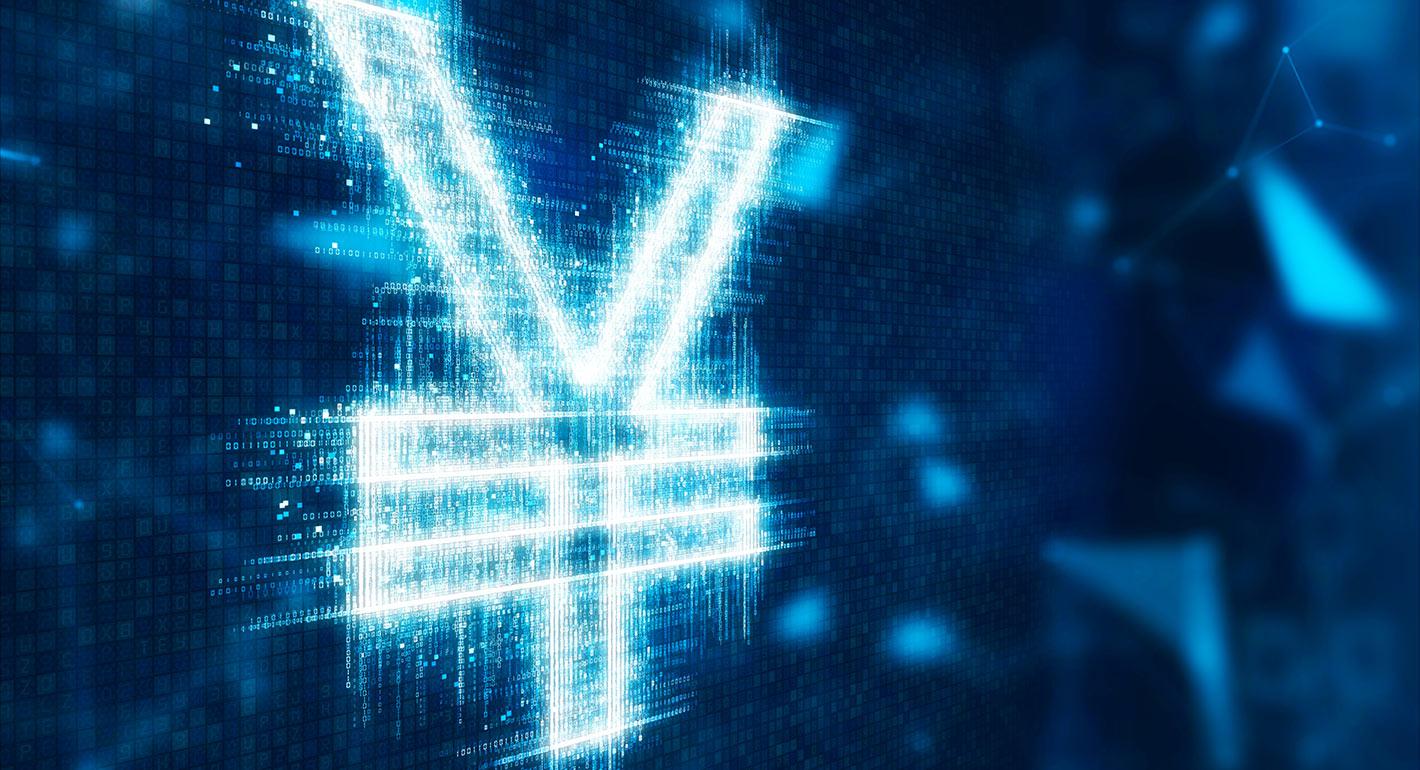
China’s central bank has plans to roll out a digital yuan, which could circumvent the U.S. dollar in important global financial transactions. Here are some ways the digital yuan could pose a challenge to the dollar’s prominence.
Rajesh Bansal, Somya Singh
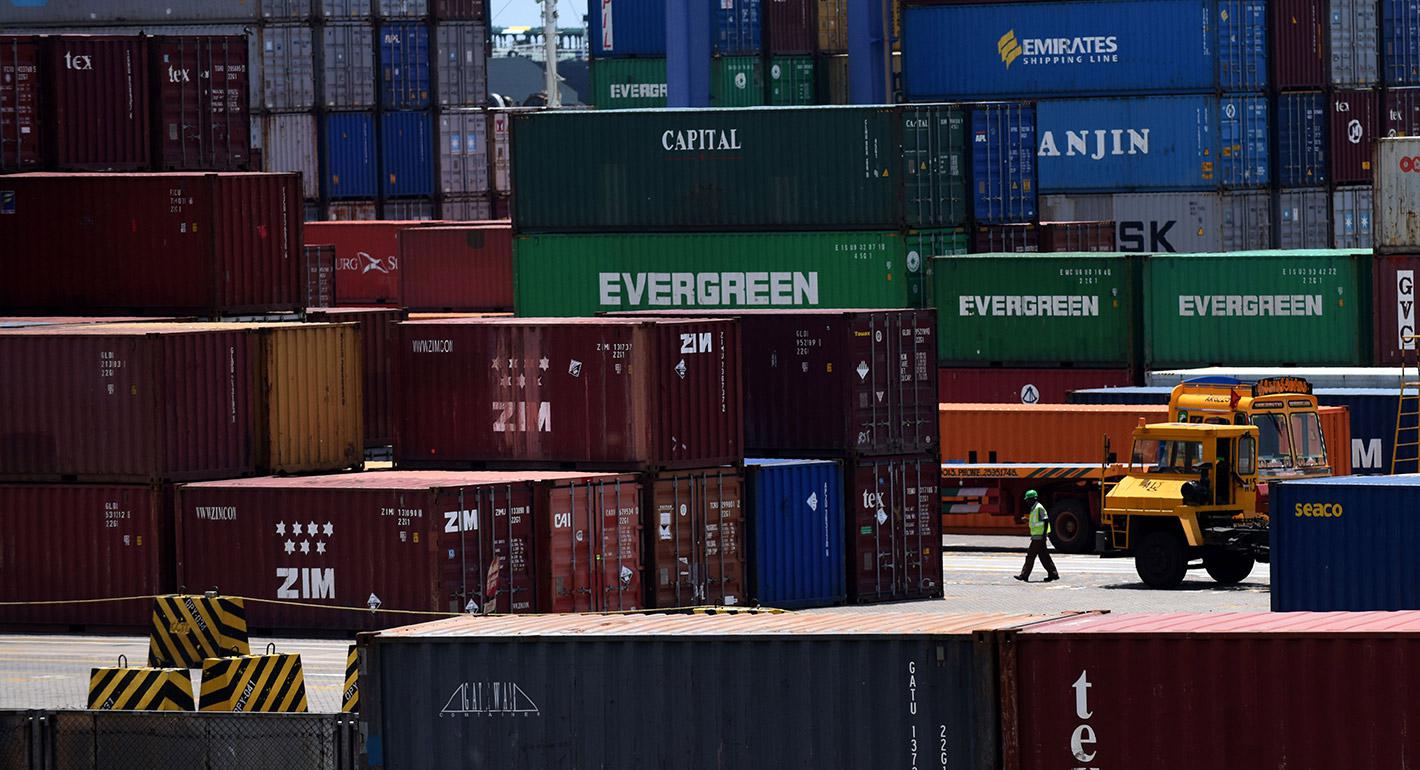
The World Trade Organization’s Trade Facilitation Agreement has placed trade facilitation initiatives high on the agenda of international governments. This case study of India studies what trade facilitation may mean for a fast-paced economy.

Vijay Singh Chauhan, Sruti Vijayakumar