• Research
  • About
  • Experts
Carnegie India logoCarnegie lettermark logo
AI
REQUIRED IMAGE

REQUIRED IMAGE

Paper

Verifying North Korean Nuclear Disarmament: A Technical Analysis

Link Copied
Published on Jun 11, 2003

Additional Links

Full Text (PDF)

Source: Carnegie

Summary
The nuclear crisis on the Korean peninsula continues to pose the most serious security threat to U.S. interests and friends in East Asia. North Korea's nuclear activities include both an active plutonium production capability and a still-under-construction uranium enrichment capability. This program presents a critical security challenge for the United States, countries in East Asia, and, through North Korea's potential to sell nuclear materials abroad, the entire world. All of the states engaged with North Korea agree that the goal of international efforts should be the complete elimination of North Korea's nuclear program and the firm establishment of a non-nuclear Korean peninsula.

The papers included in this report are meant to spur discussion and exploration of these complex issues, and give support to efforts to negotiate an agreement that ends the potential for North Korea to directly threaten the security of its neighbors and other countries.

Click on link above for full text of this Carnegie Paper.

About the Authors
Seongwhun Cheon
is senior research fellow at the Korea Institute for National Unification (KINU) in Seoul. Before joining KINU in 1991, he served with the Office of Arms Control, Ministry of National Defense, Republic of Korea. He is the author of numberous books including U.S. NCM Initiatives and Security of the Korean Peninsula (Seoul, KINU, 2001).

Fred McGoldrick is principle in the international consulting firm of Bengeslsdorf, McGoldrick and Associates, LLC. He has held senior positions in the U.S. Department of Energy and the U.S. Department of State, where he negotiated U.S. peaceful nuclear cooperation agreements and helped shape U.S. policy to prevent the spread of nuclear weapons.

Jon B. Wolfsthal is deputy director and associate of the Carnegie Endowment's Non-Proliferation Project. Prior to joining the Endowment, he held a number of positions at the U.S. Department of Energy, including service as the U.S. government's on-site monitor at North Korea's nuclear complex at Yongyon. He is the co-author of Deadly Arsenals: Tracking Weapons of Mass Destruction (Carnegie Endowment, 2002).

Click here to read more on issues related to weapons of mass destruction.

A limited number of print copies are also available.
Request a copy

South KoreaMilitaryNuclear Policy

Carnegie India does not take institutional positions on public policy issues; the views represented herein are those of the author(s) and do not necessarily reflect the views of Carnegie, its staff, or its trustees.

More Work from Carnegie India

  • Article
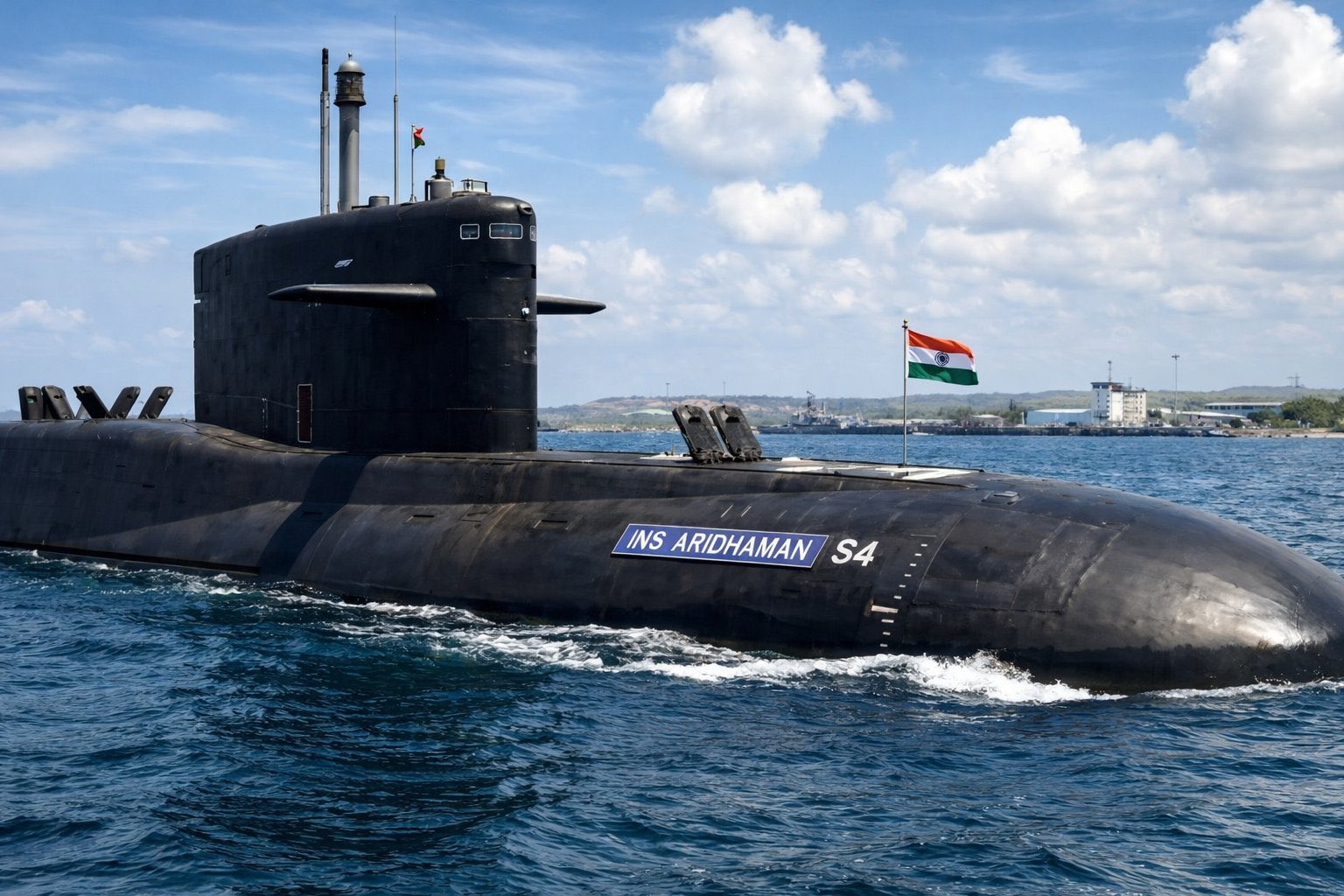
    Military Lessons from Operation Sindoor

    The India-Pakistan conflict that played out between May 6 and May 10, 2025, offers several military lessons. This article presents key takeaways from Operation Sindoor and breaks down how India’s preparations shaped the outcome and what more is needed to strengthen future readiness.

      Dinakar Peri

  • Research
    A Tech Policy Planning Guide for India—Beyond the First 100 Days

    This compendium provides an independent look at how to get the most out of India’s current technology ecosystem, and the measures that may need to be adopted or re-considered in order to build a lasting and enduring framework for policy changes in the select areas under the current administration.

      • +5

      Konark Bhandari, Ajay Kumar, Amlan Mohanty, …

  • Commentary
    India Signs a Security of Supply Arrangement (SOSA) with the United States: What Can We Expect?

    In August 2024, the U.S. Department of Defense (DoD) entered into a Security of Supply Arrangement (SOSA) with the Indian Ministry of Defence (MoD). This commentary attempts to highlight the issues that arise in the wake of the arrangement.

      Konark Bhandari

  • Article
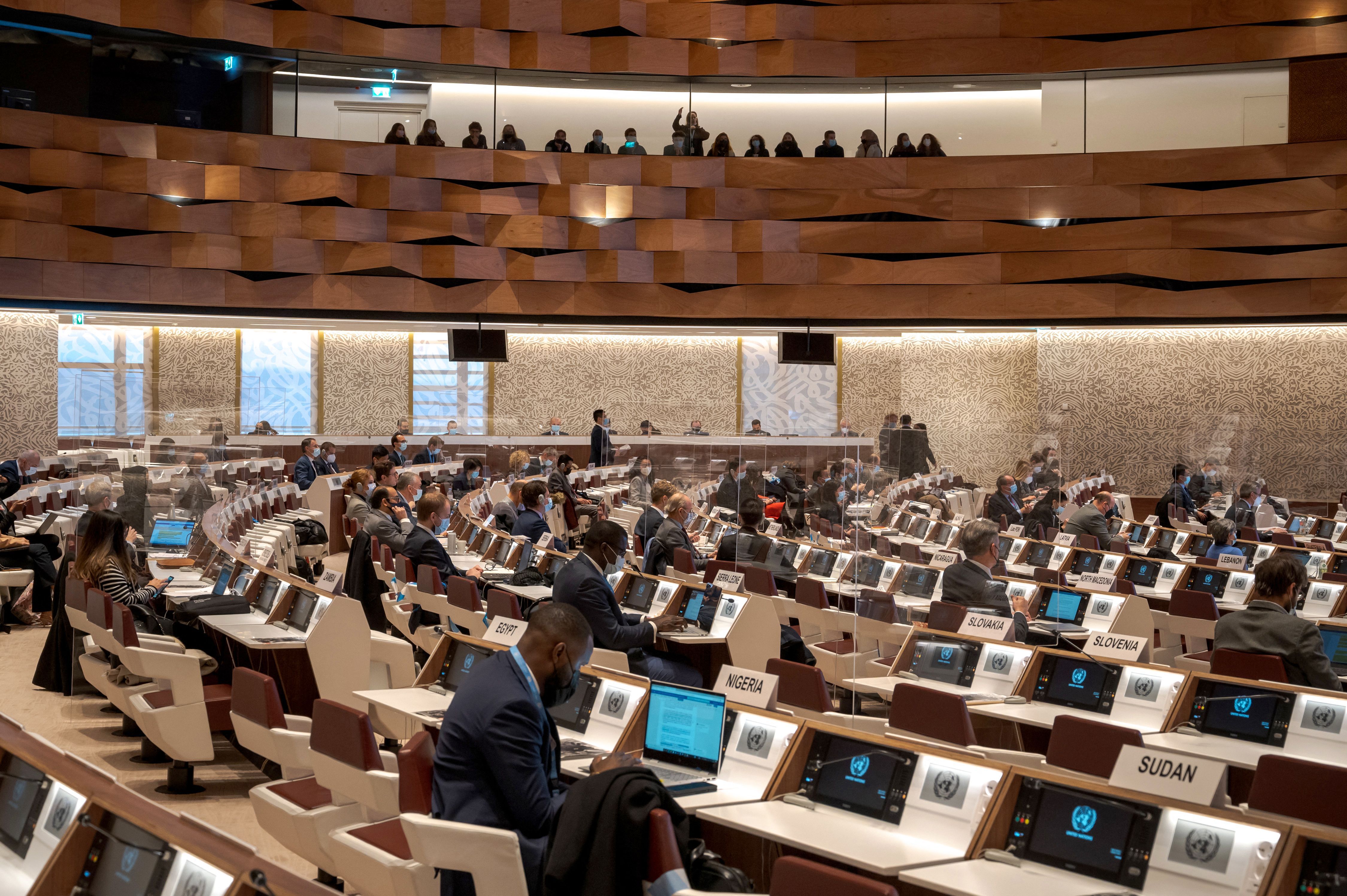
    Understanding the Global Debate on Lethal Autonomous Weapons Systems: An Indian Perspective

    This article explores the global debate on lethal autonomous weapons systems (LAWS), highlighting the convergences, complexities, and differences within and beyond the UN Group of Governmental Experts (GGE) on LAWS. It further examines India’s key position at the GGE and the probable reasons behind them.

      Charukeshi Bhatt, Tejas Bharadwaj

  • Commentary
    India Needs to Fix Its Indigenous Fighter Before Building Stealth Aircraft

    With India lacking the depth of research and design expertise required to build state-of-the-art stealth aircraft, the country needs to prioritize improving on its indigenous fighter, the Tejas.

      Rahul Bhatia

Get more news and analysis from
Carnegie India
Carnegie India logo, white
Unit C-4, 5, 6, EdenparkShaheed Jeet Singh MargNew Delhi – 110016, IndiaPhone: 011-40078687
  • Research
  • About
  • Experts
  • Projects
  • Events
  • Contact
  • Careers
  • Privacy
  • For Media
Get more news and analysis from
Carnegie India
© 2026 Carnegie Endowment for International Peace. All rights reserved.