

Article
Marina Ottaway, Omar Hossino

REQUIRED IMAGE
Source: Carnegie
Summary
The central dilemma of Democratic reform in Arab countries can be summed up fairly simply. Presidents and kings remain too powerful, untrammeled by the limits imposed by effective parliaments and independent judiciaries. Countervailing institutions remain weak, if they exist at all, not only because constitutions and laws deliberately keep them that way, but also because they are not backed by organized citizens demanding political rights, participation, and government accountability. This does not mean that there is no desire for democracy on the part of Arab publics. The demand, or better the desire, for democracy is present in the Arab world today; what is lacking is a supply of broad-based political organizations pushing for democracy—political parties, social movements, labor unions, large civic organizations. Unless such constituencies develop, the future of democracy remains extremely uncertain.
Click on link above for the full text of this Carnegie Paper.
Also in the Middle East series:

About the Author
Marina Ottaway is senior associate in the Democracy and Rule of Law Project at the Carnegie Endowment. She is the author of more then six books, including Democracy Challenged: The Rise of Semi-Authoritarianism.

Former Senior Associate, Middle East Program
Before joining the Endowment, Ottaway carried out research in Africa and in the Middle East for many years and taught at the University of Addis Ababa, the University of Zambia, the American University in Cairo, and the University of the Witwatersrand in South Africa.
Recent Work
Marina Ottaway, Omar Hossino
Marina Ottaway
Carnegie India does not take institutional positions on public policy issues; the views represented herein are those of the author(s) and do not necessarily reflect the views of Carnegie, its staff, or its trustees.

On March 10, 2026, India’s Union Cabinet approved amendments to Press Note 3, a regulation that mandated government approval on all foreign direct investment (FDI) from countries sharing a land border with India. This amendment raises questions primarily about whether its stated benefits will materialize and if the risks have been adequately weighed. This piece will address the same.

Konark Bhandari

This piece examines India’s response to U.S. sanctions and tariffs, specifically assessing the immediate market consequences, such as alterations in import costs, and the broader strategic implications for India’s energy security and foreign policy orientation.

Vrinda Sahai

This paper examines the evolution of India-China economic ties from 2005 to 2025. It explores the impact of global events, bilateral political ties, and domestic policies on distinct spheres of the economic relationship.

Santosh Pai
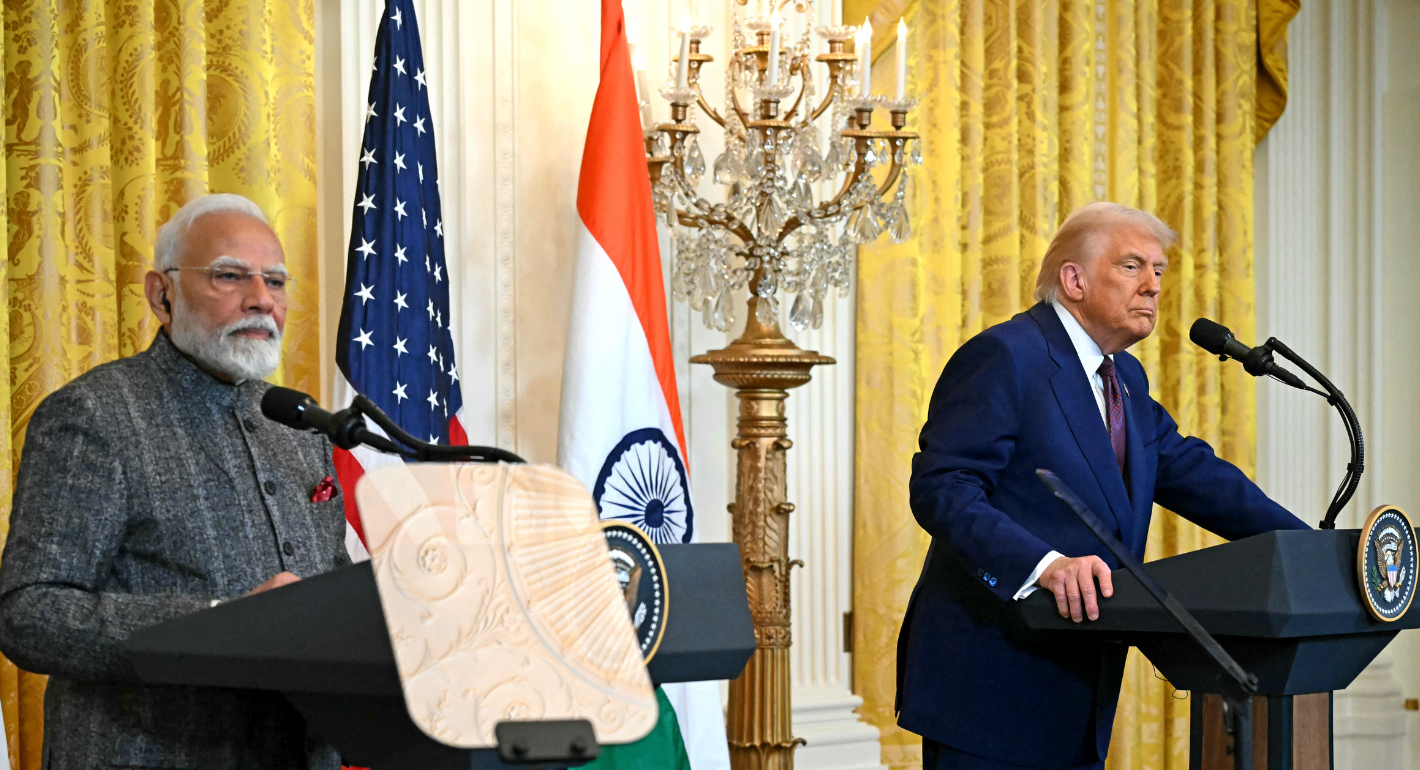
The India-U.S. relationship currently appears buffeted between three “Ts”—TRUST, Tariffs, and Trump.
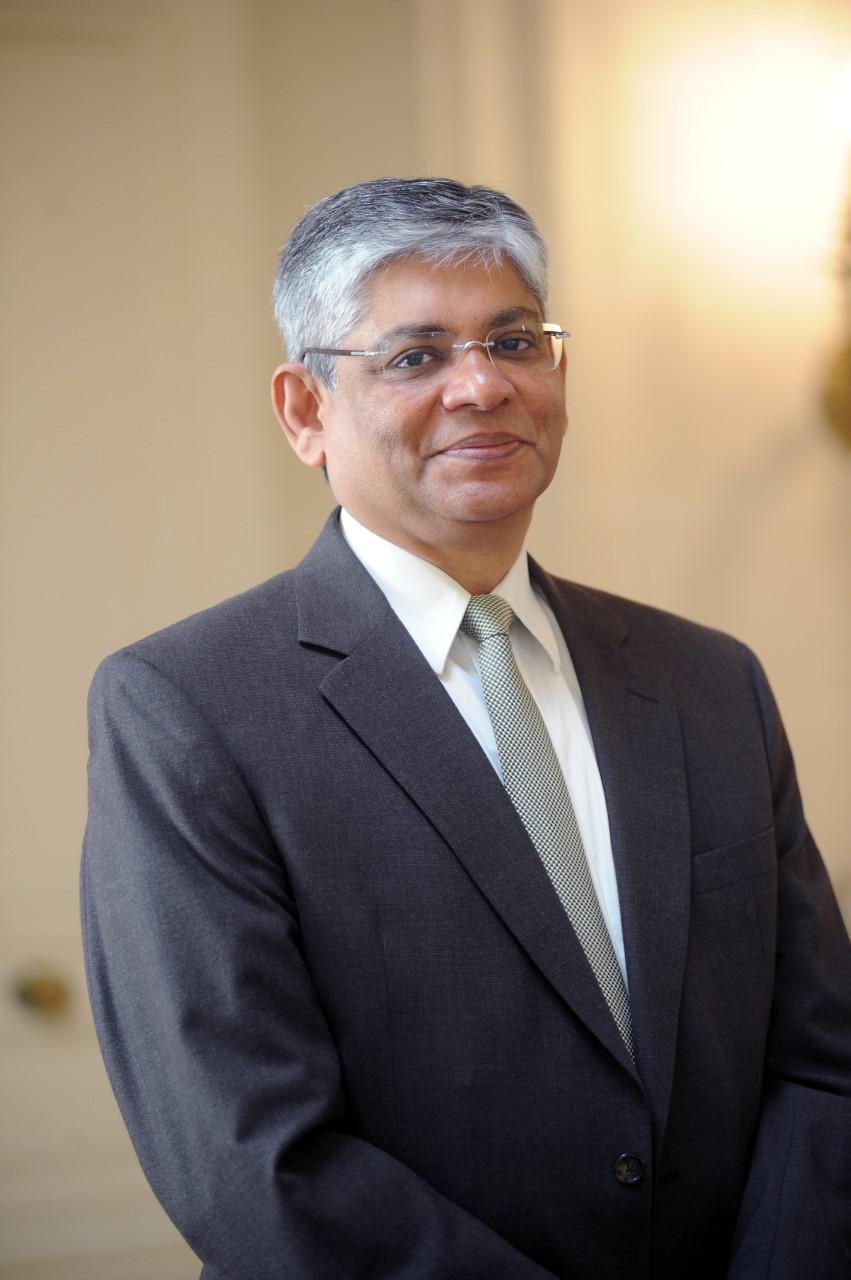
Arun K. Singh
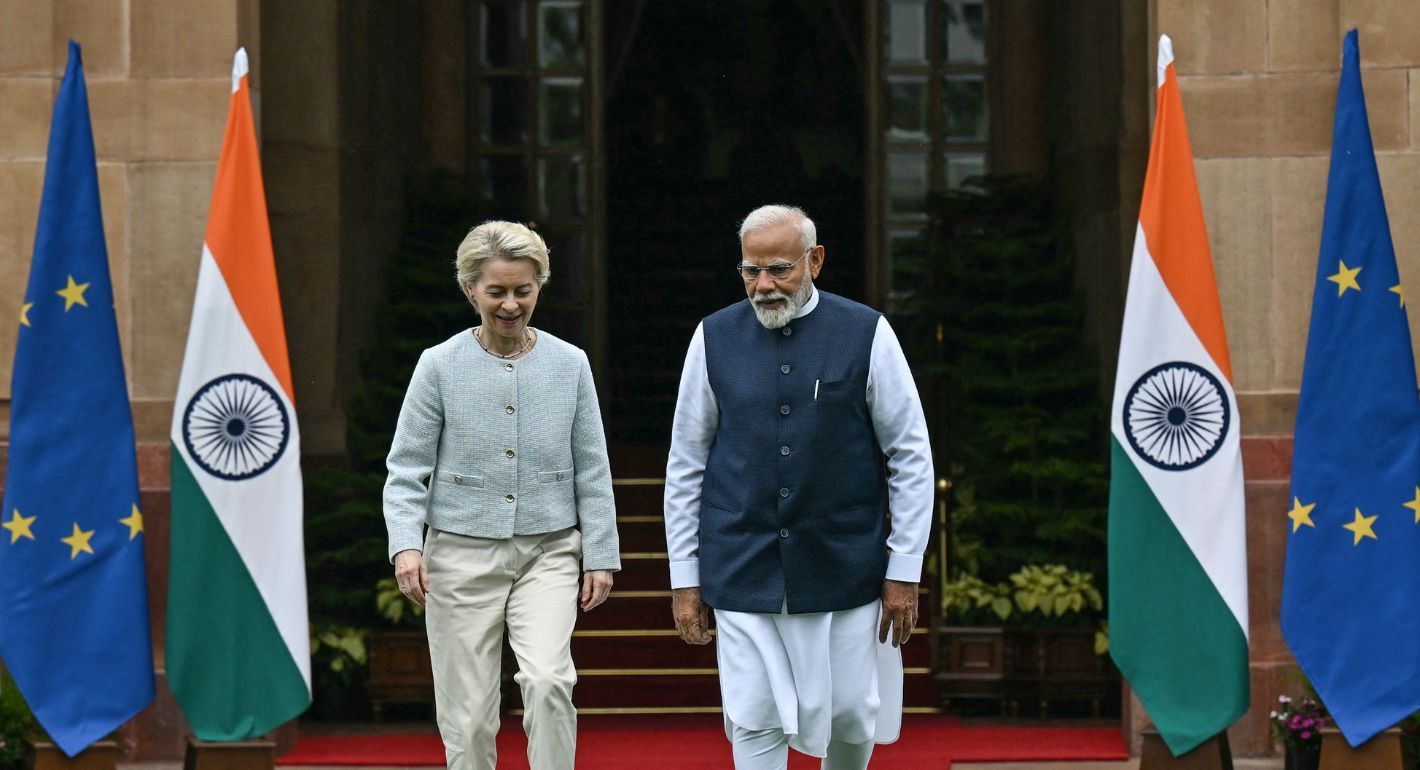
This article argues that the geopolitical circumstances have never been more conducive, not merely for the early conclusion of the free trade agreement (FTA) between India and the EU, but also for crafting a substantive and comprehensive strategic partnership.
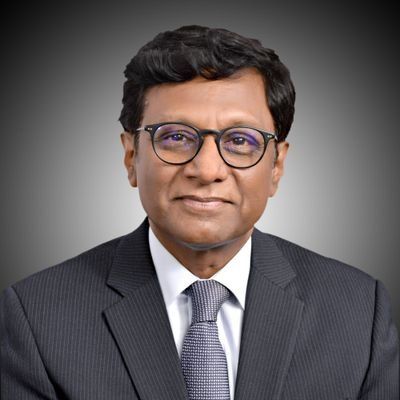
Mohan Kumar