

Report
- +2
George Perkovich, Jessica Tuchman Mathews, Joseph Cirincione, …

REQUIRED IMAGE
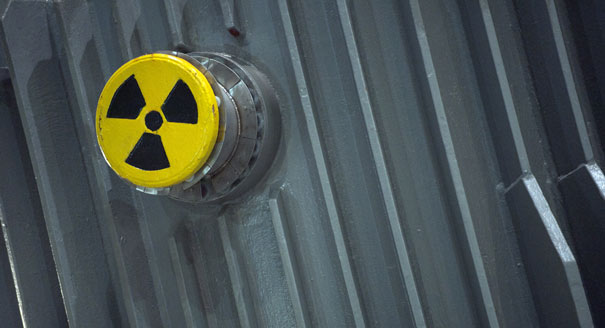
North Korea’s state controlled media claimed on May 11 the country had completed removal of 8,000 fuel rods from its 5 megawatt plutonium production reactor at Yongbyon. Estimates by the Institute for Science and International Security suggest the fuel elements contain between 12 and 19 kilograms of plutonium. These fuel elements will have to cool for an unknown period of time in the fuel storage pond located next to the reactor building. It is estimated that within 2-3 months, the fuel could be processed and the weapon-usable plutonium made ready for production of nuclear weapons. There is no conclusive evidence that North Korea possesses any nuclear weapons, but U.S. officials assume they have produced an unknown number of nuclear devices. (Read More)
North Korea’s state controlled media claimed on May 11 the country had completed removal of 8,000 fuel rods from its 5 megawatt plutonium production reactor at Yongbyon. Estimates by the Institute for Science and International Security suggest the fuel elements contain between 12 and 19 kilograms of plutonium. These fuel elements will have to cool for an unknown period of time in the fuel storage pond located next to the reactor building. It is estimated that within 2-3 months, the fuel could be processed and the weapon-usable plutonium made ready for production of nuclear weapons. There is no conclusive evidence that North Korea possesses any nuclear weapons, but U.S. officials assume they have produced an unknown number of nuclear devices.
The chart below provides a summary of North Korea’s estimated plutonium holdings. The three sections of the chart refer to the three distinct times North Korea is thought to have produced and recovered plutonium from the reactor at Yongbyon. It is not known how many kilograms of plutonium North Korea would require for each nuclear weapon (different designs require different amounts of material). The U.S. Department of Energy has revealed that a nuclear weapon can be produced with as little as four kilograms of plutonium. The International Atomic Energy Agency estimates that 8 kilograms are required to produce a nuclear device. We assume that North Korean weapons, if they indeed exist, require at least 5 kilograms of plutonium, yielding a possible North Korean capability of 8-11 weapons.
|
Year |
Amount of Plutonium |
4 kg of plutonium per weapon Estimate |
5 kg of plutonium per weapon Estimate |
8 kg of plutonium per weapon Estimate |
|
1989 |
6-8 kg |
2 |
1 |
1 |
|
2002-20031 |
25-30kg |
7 |
5-6 |
3 |
|
2005 |
12-19kg |
3-4 |
2-3 |
1-2 |
|
Total2 |
43-57kg |
14 |
8-11 |
5-7 |
1. This material was produced between 1989 and 1993, but the fuel was under inspection by the International Atomic Energy Agency until the collapse of the US-DPRK Agreed Framework in December 2002.
2. Columns do not total exactly, as excess material from one load of fuel may have been applied to future weapons production.

Former Nonresident Scholar, Nuclear Policy Program
Jon Wolfsthal was a nonresident scholar with the Nuclear Policy Program.
Recent Work



George Perkovich, Jessica Tuchman Mathews, Joseph Cirincione, …
Jon Wolfsthal
Carnegie India does not take institutional positions on public policy issues; the views represented herein are those of the author(s) and do not necessarily reflect the views of Carnegie, its staff, or its trustees.
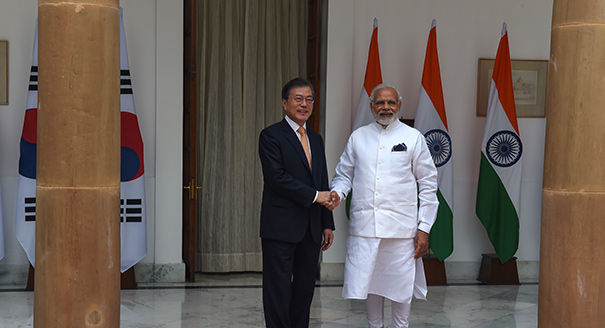
New Delhi and Seoul should focus on building flexible middle power coalitions in Asia to limit the impact of the current volatility in the relations between the United States and China.
C. Raja Mohan
This book examines how the region’s major political powers view international politics and the use of military force.
Ashley J. Tellis, Alison Szalwinski, Michael Wills
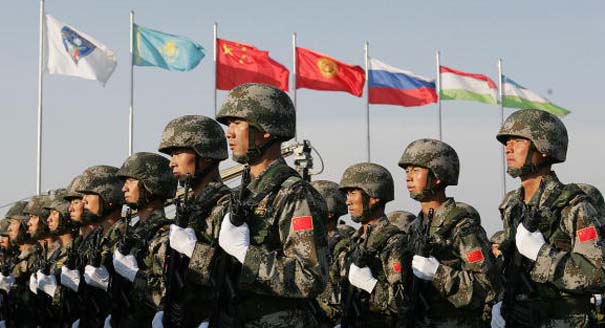
Material factors can explain why certain outcomes occurred the way they did, and strategic culture can explain how countries thought about their circumstances, their choices, and their decisions.
Ashley J. Tellis
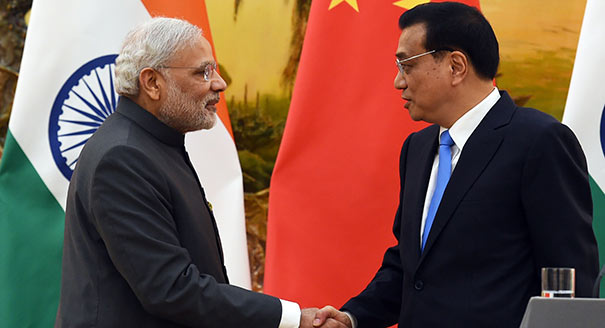
Although geography limits New Delhi’s role in East Asia, Modi is betting India can win friends and partners through active engagement.
C. Raja Mohan
Unless Delhi brings greater clarity to the interpretation of the nuclear liability act and the regulations for its implementation, India's hopes of building an advanced nuclear power industry at home and exporting nuclear reactors and services around the world will come to naught.
C. Raja Mohan