

Commentary
Julia Choucair-Vizoso

REQUIRED IMAGE
The Lebanese political system, designed to ensure representation for a diverse population, makes it very difficult for one group to gain enough seats in parliament to govern effectively. Therefore, although Syria's withdrawal has restored Lebanon's sovereignty, it has also left a power vacuum that threatens the stability of the country.
Source: Carnegie Endowment
Summary
Syria's troop withdrawal in April 2005 allowed Lebanon to hold its first completely independent elections in three decades. However, the Lebanese political system, designed to ensure representation for a diverse population, makes it very difficult for one group to gain enough seats in parliament to govern effectively. Therefore, although Syria's withdrawal has restored Lebanon's sovereignty, it has also left a power vacuum that threatens the stability of the country.
In a new Carnegie Paper, Julia Choucair discusses the problems and prospects facing the largely fractured Lebanese political system. She outlines policies to realistically achieve security, electoral, and economic reform in Lebanon and discusses the role of international actors in Lebanon's political future.
Click on link above for the full text of this Carnegie Paper.
About the Author
Julia Choucair is a project associate in the Democracy and Rule of Law Project and serves as assistant editor of Carnegie's e-monthly, the Arab Reform Bulletin.
Former Editor in Chief, Sada
Julia Choucair Vizoso is editor in chief of the online journal, Sada. Her research interests include Middle Eastern politics, authoritarianism, and identity politics.
Recent Work
Julia Choucair-Vizoso
Julia Choucair-Vizoso
Carnegie India does not take institutional positions on public policy issues; the views represented herein are those of the author(s) and do not necessarily reflect the views of Carnegie, its staff, or its trustees.
Experts weigh in on whether the United States is too hostile toward China.

Stephen Wertheim, Evan S. Medeiros, Vijay Gokhale
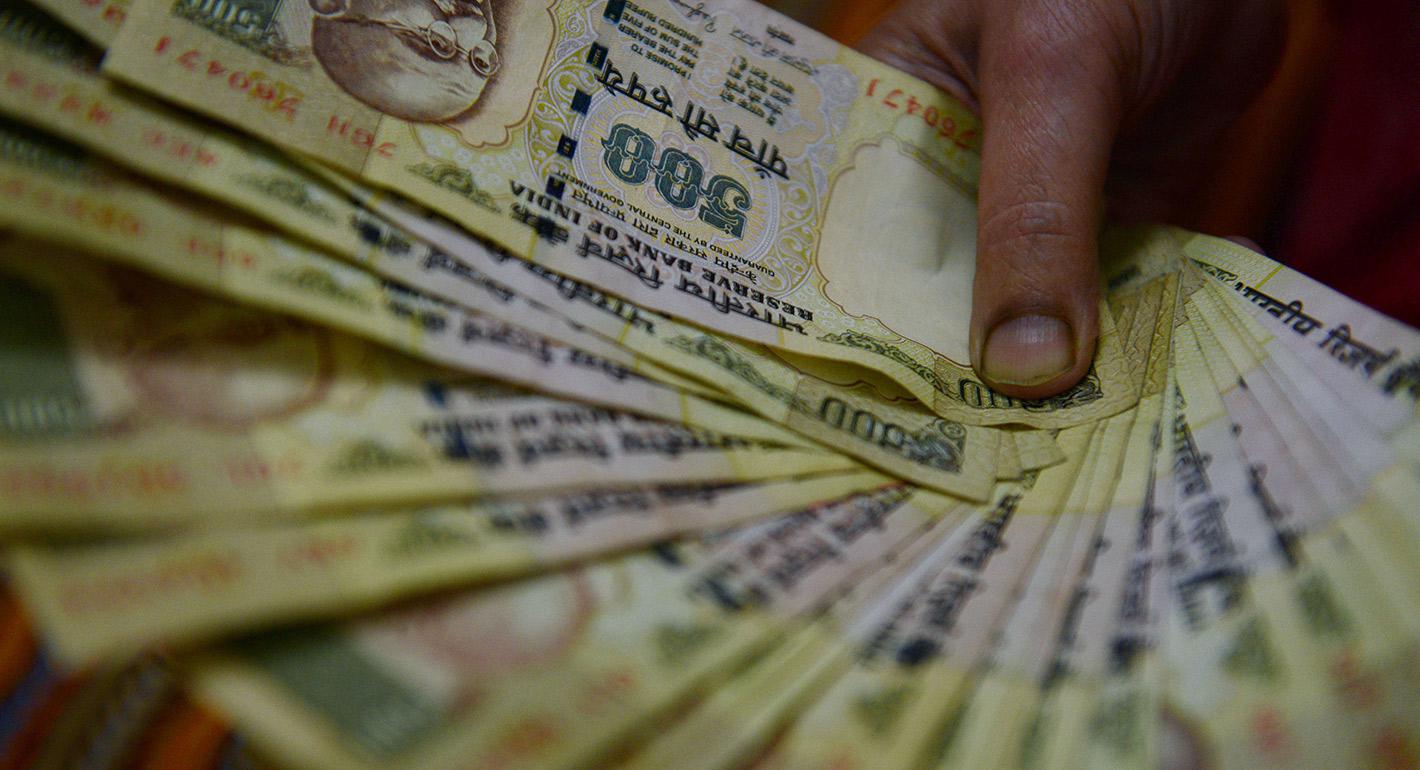
As India’s economy recovers from the coronavirus pandemic, Indian businesses need efficient financial structures to regain their ground. Key reforms to India’s Insolvency and Bankruptcy Code could fill these gaps.

Anirudh Burman

Access to cross-border data is an integral piece of the law enforcement puzzle. India is well placed to lead the discussions on international data agreements subject to undertaking necessary surveillance reforms.

Smriti Parsheera, Prateek Jha
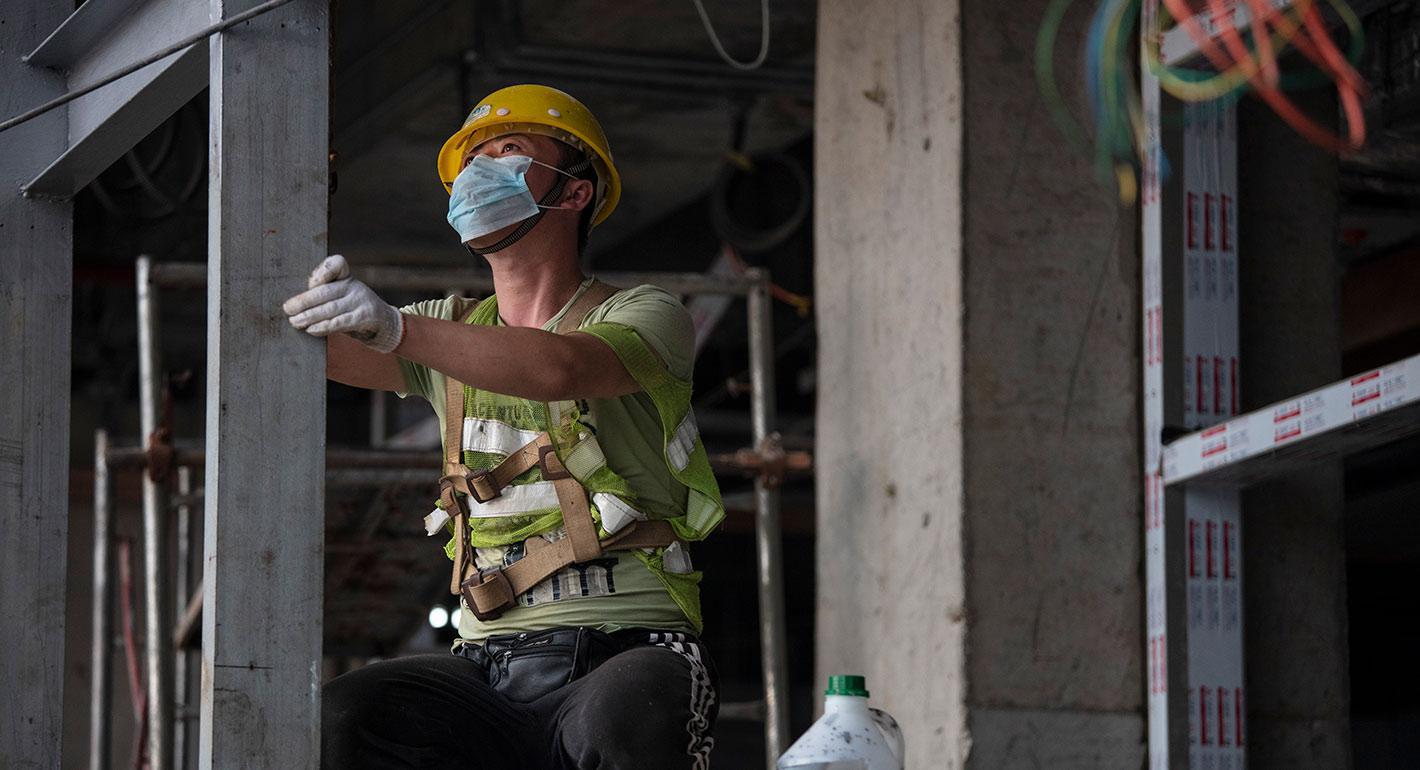
After the coronavirus pandemic wanes, how will China’s reorientation of the Belt and Road Initiative to address global health concerns influence its relationships with South Asian countries?

Deep Pal, Rahul Bhatia
Early in the outbreak, government researchers forecast several high-risk scenarios that were downplayed or ignored in public messaging.
Gautam I. Menon