

In The Media
Josh Kurlantzick

For the first time in nearly twenty years, Burma has burst into open protest against the military junta, captivating the world with its ‘saffron revolution.’
Source: London Review of Books

Perfect Hostage: A Life of Aung San Suu Kyi by Justin Wintle
For the first time in nearly twenty years, Burma has burst into open protest against the military junta, captivating the world with its ‘saffron revolution.’ Across the country, monks have led massive demonstrations, joined by civil servants, prominent cultural figures and tens of thousands of ordinary people. Throngs of red-robed monks have marched through the streets of Rangoon, waving banners and religious flags. When Burma’s military surrounded the city, the monks crouched in front of them, defiantly reciting odes to loving kindness, chanting prayers, and singing the national anthem. Their courage has rallied terrified citizens in the face of troops who have stormed monasteries, jailed thousands of protesters and killed at least ten and possibly hundreds more. The UN Security Council met on 26 September to consider the crisis, the day after President Bush had announced tougher US sanctions on the junta’s leaders.
This book review was orginally published at London Review of Books.

Former Visiting Scholar, China Program
A special correspondent for The New Republic, a columnist for Time, and a senior correspondent for The American Prospect, Kurlantzick assesses China’s relationship with the developing world, including Southeast Asia, Africa, and Latin America.
Recent Work
Josh Kurlantzick
Carnegie India does not take institutional positions on public policy issues; the views represented herein are those of the author(s) and do not necessarily reflect the views of Carnegie, its staff, or its trustees.
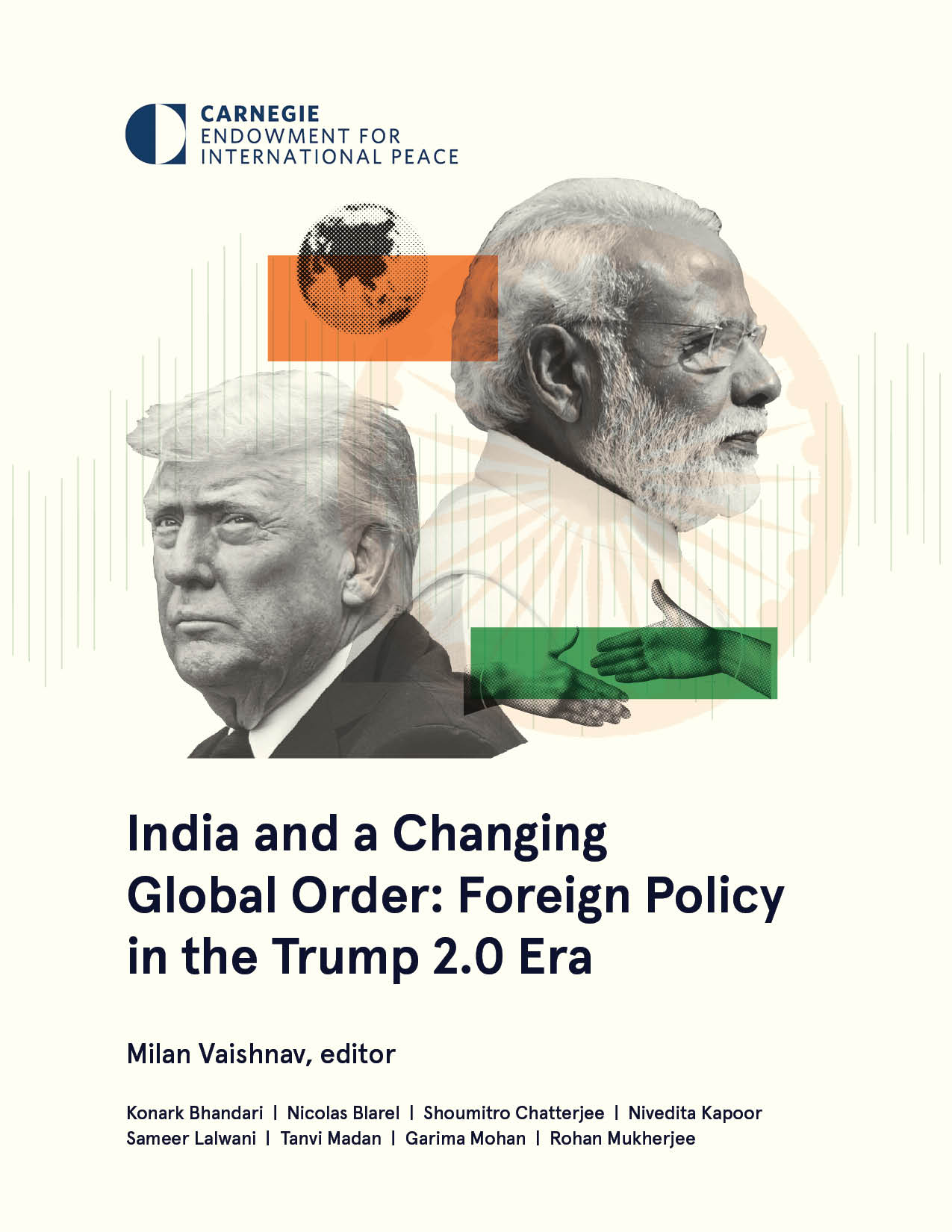
Trump 2.0 has unsettled India’s external environment—but has not overturned its foreign policy strategy, which continues to rely on diversification, hedging, and calibrated partnerships across a fractured order.



Milan Vaishnav, ed., Sameer Lalwani, Tanvi Madan, …
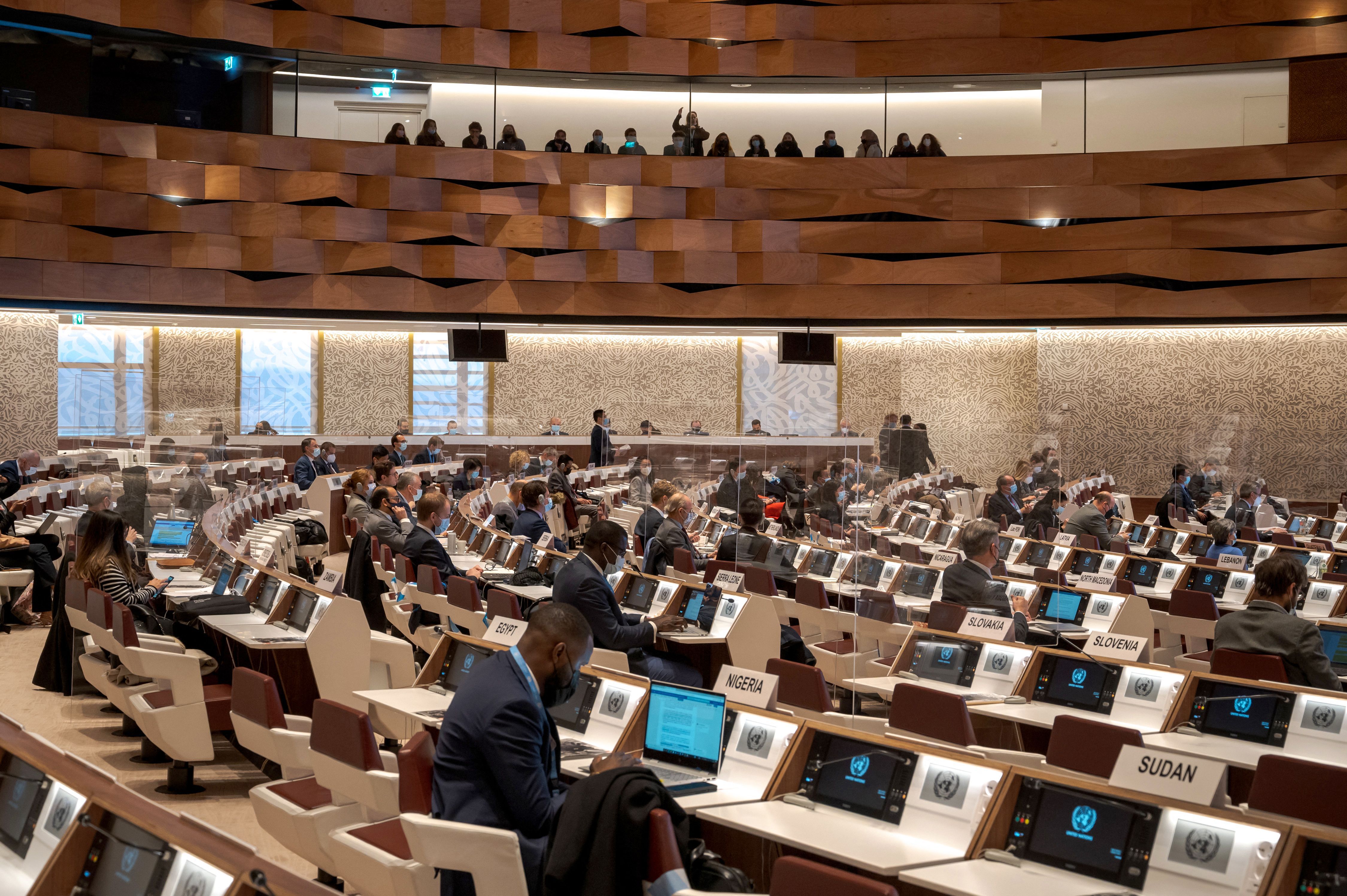
This article explores the global debate on lethal autonomous weapons systems (LAWS), highlighting the convergences, complexities, and differences within and beyond the UN Group of Governmental Experts (GGE) on LAWS. It further examines India’s key position at the GGE and the probable reasons behind them.


Charukeshi Bhatt, Tejas Bharadwaj

This essay is the first of a three-part series that will seek to understand the considerations for building compute capacity and the different pathways to accessing compute in India. This essay delves into the meaning of compute and unpacks the various layers of the compute stack.
Aadya Gupta, Adarsh Ranjan

This piece examines the strategic implications of Bhutan’s diplomatic efforts amid its border dispute with China, highlighting the thin ice it walks on to achieve a resolution without compromising its vital relationships.

Shibani Mehta

This article is part of a series that will discuss some of the themes and proposals that are being considered for an ex-ante framework in India under the Committee on Digital Competition Law (CDCL).

Konark Bhandari